
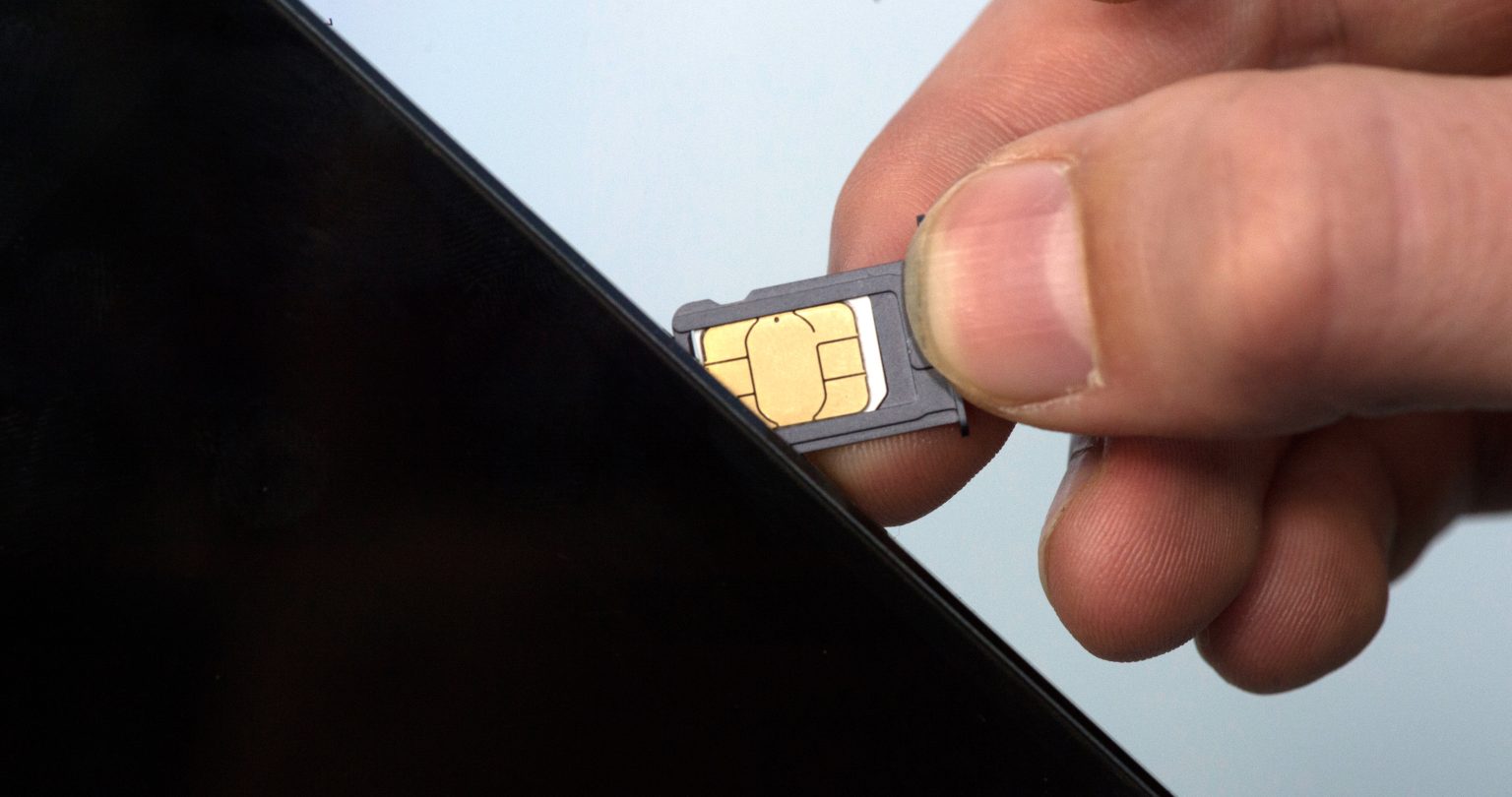
Mexiko City. The Mexican state has begun connecting citizens’ SIM cards to their personal identity in a way that allows them to be identified at any time. Anyone wishing to use the mobile network or access the internet needs not only a smartphone or tablet but also a SIM card, which manages the connection between device and network. Anonymous prepaid SIM cards will disappear under the new law from the middle of the year.
To achieve this, Mexico is relying on a previously voluntary identification mechanism known as the Unique Population Registry Code (CURP). In practice, the system will become effectively mandatory in 2026, because essential services such as mobile telephony will no longer function without the ID. By 1 July 2026 every active mobile number in the country must be linked to Mexico’s digital identity system.
Mandatory registration
The new law on mobile phone registration entered into force on 9 January 2026 and applies to both prepaid and postpaid tariffs. It covers physical SIM cards as well as eSIMs. Customers of mobile network providers have until 30 June to complete the registration of existing cards. For new connections activated after 9 January this year, the deadline is 30 days. If the deadline is missed, the line will be blocked.
Anyone wishing to register a mobile connection in Mexico must now present their CURP number together with a valid government-issued identity document. Biometric registration is therefore not optional but mandatory. No one can register a telephone number without first submitting biometric data to the state as part of the CURP procedure.
Mexico is thus constructing a telephone network in which every number is linked to a face. Any call between two individuals can therefore be traced clearly and is already connected to a range of personal data.
The CURP Biométrica is an expanded form of identification in Mexico that combines personal data with biometric features to strengthen identity verification. It records all ten fingerprints, an iris scan, a facial photograph and a digital signature. The procedure is free of charge and requires personal registration at the National Population Registry (RENAPO).
At the beginning of 2026 the ID began to be introduced as the central identification document for numerous public and private services in Mexico.
The CURP procedure remains controversial in Mexico. Last year the court of the federal state of Yucatán ruled against the programme. For data protection reasons, the judges suspended the CURP Biométrica programme in September 2025. The Mexican federal government nevertheless continued with the programme and this year made it mandatory for many procedures and services.
The CURP is also required for government social programmes, passport applications, the national health service, registration with the tax authorities, driving licences and dealings with banks. Employees need it in order to receive wages and for registration by employers with government authorities. Anyone wishing to enrol themselves or their children in a school or university must present a CURP. Online retailers are also required to request the CURP of their customers when concluding transactions.
Comprehensive surveillance
Until last year anonymous SIM cards were easily available. For many people they were simply a matter of convenience or useful for those who rarely made calls. Criminals undoubtedly used them as well. But prepaid SIM cards were also an important tool for individuals who need to communicate without revealing their identity. This includes victims of domestic violence, journalists, activists and anyone whose safety depends on preventing a link between their telephone number and their legal identity.
The government has so far announced no exemptions for such groups. Nor do the published administrative guidelines contain special provisions for people who would face genuine risks from identity-based registration.
Mexico is not the only country to link mobile telephony to biometric national ID systems. India, Nigeria and Tanzania, among others, have introduced similar SIM registration rules. Such systems create mobile networks that can serve as infrastructure for enforcing identity control.

The justification is always the fight against crime. The price, however, is an extremely dense architecture of surveillance. In Mexico as well, telecommunications data can now be linked with a centralised biometric register. Authorities can therefore identify exactly who called whom, when and from where.
The result is the possibility of comprehensive monitoring of communications. Confidential phone calls are effectively over. Every conversation routed through a Mexican network can be assigned to a securely verified identity.
Domestic intelligence agencies and authoritarian rulers will welcome such a system. If they listen in – legally or illegally – they will know not only what was said but also who said it and to whom.
In addition, a smartphone connected to a 5G network can be located with metre-level precision even if GPS is switched off. Every smartphone owner can therefore be identified at any moment and located virtually anywhere.
Even George Orwell, in his dystopian novel 1984, would have struggled to imagine a surveillance system as pervasive as this.