
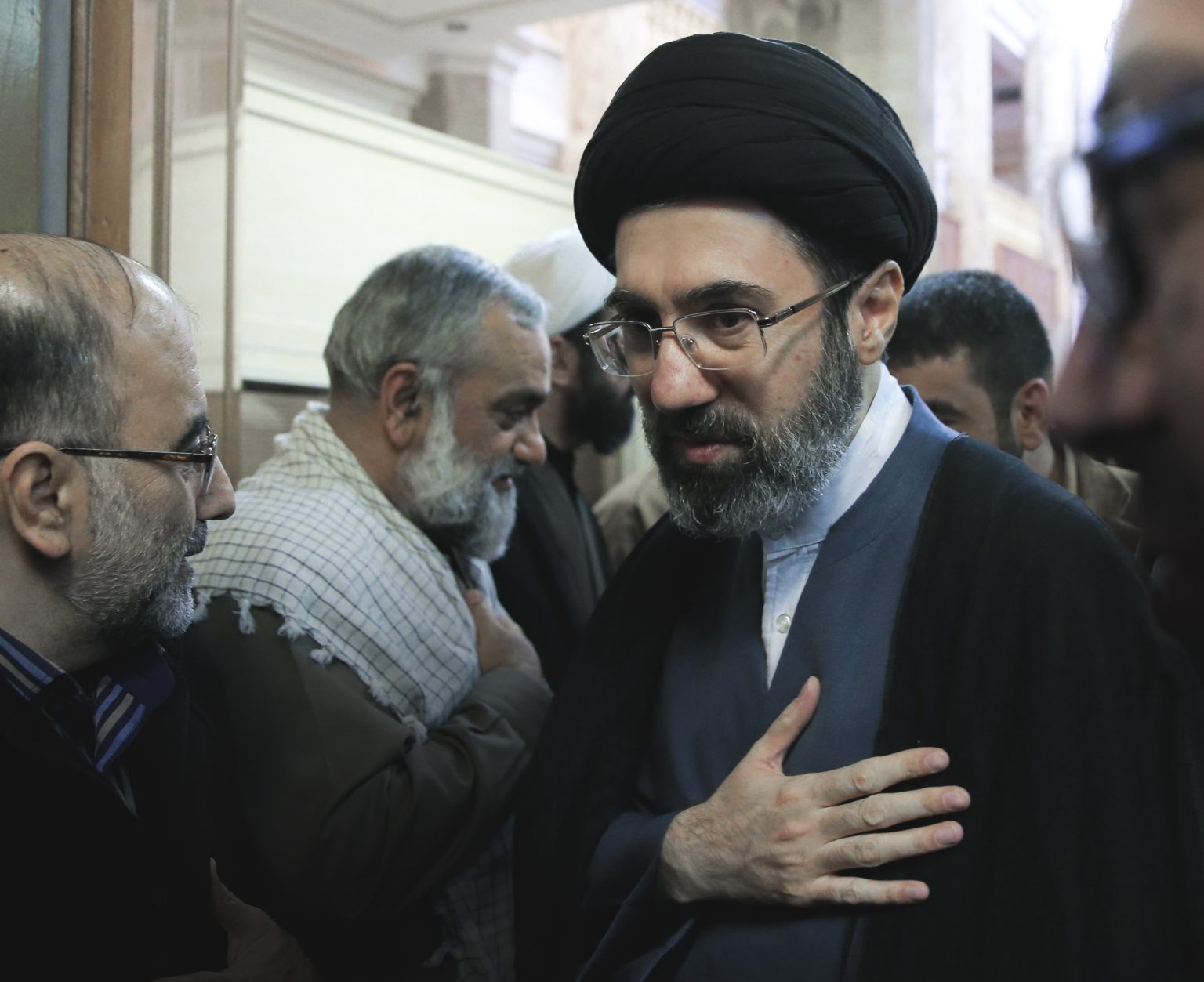
The new Iranian supreme leader, Mojtaba Khamenei, assumed the highest office after the death of his father, Ali Khamenei. Yet even several days after his selection, the country had still not seen him make a public appearance.
The New York Times reported on Wednesday that the 56-year-old had suffered leg injuries during the initial strikes. The newspaper cited Israeli and Iranian sources, who say the injuries may explain why Khamenei has not yet appeared in public or recorded a video message.
An Iranian official confirmed to Reuters on Wednesday that Mojtaba Khamenei had suffered minor injuries but was continuing his activities. However, the official did not provide details on when the new spiritual leader was injured or why he had not made any public statements since his appointment.
According to the same sources, the Iranian leadership is concerned not only about his health. It also fears that any public communication could reveal his location and expose him to further attacks. That is one reason why there has been no official statement or visual evidence of his current condition from Tehran.
It therefore remains unclear to what extent Khamenei can exercise power and whether the injuries prevent him from governing the country. Iran is facing a war that is increasing pressure on the political leadership and strengthening the influence of the security forces.
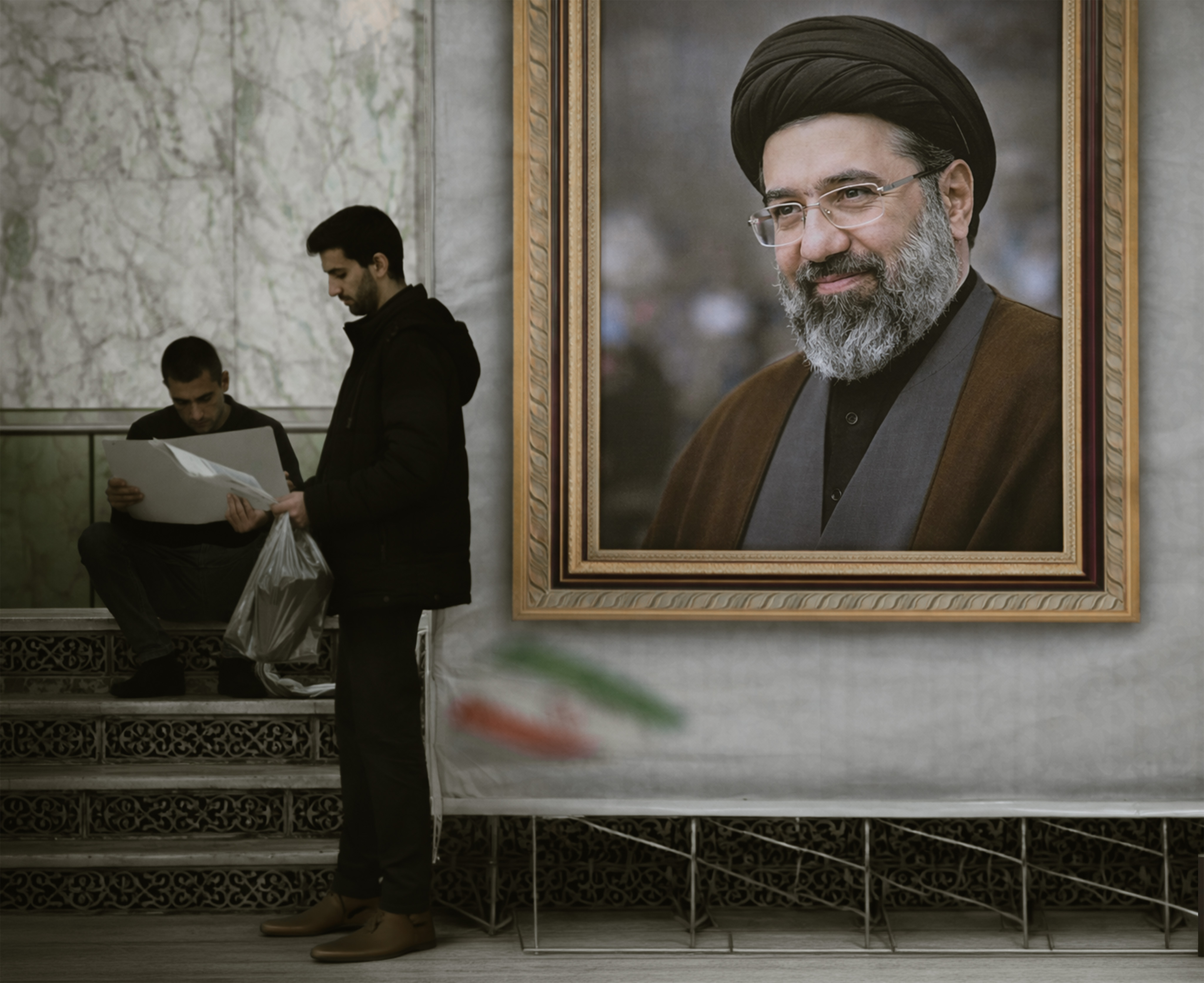
Reports of the injury have not come only from foreign media. Iranian state outlets had already mentioned them earlier, referring to Khamenei with a term used in Iran for someone wounded in battle or in an enemy attack.
On Wednesday, the son of Iranian President Masoud Pezeshkian, Yousuf Pezeshkian, said the new supreme leader was ‘safe and well’. In a post on Telegram, he wrote that he had been informed about the situation by people with contacts in the relevant institutions. However, he did not explicitly deny that an injury had occurred.
Mojtaba Khamenei remained largely in the background of the Iranian regime for many years, although he played an influential role within it. Many Iranians therefore know him less well than other prominent figures of the system. According to high-ranking Iranian sources, his nomination was pushed through mainly by the Revolutionary Guards, who regard him as a reliable successor representing the hard line.
Israeli Defence Minister Yisrael Katz said last week that any leader the Iranian regime places at its helm will be a clear target for Israel.
(lud)