
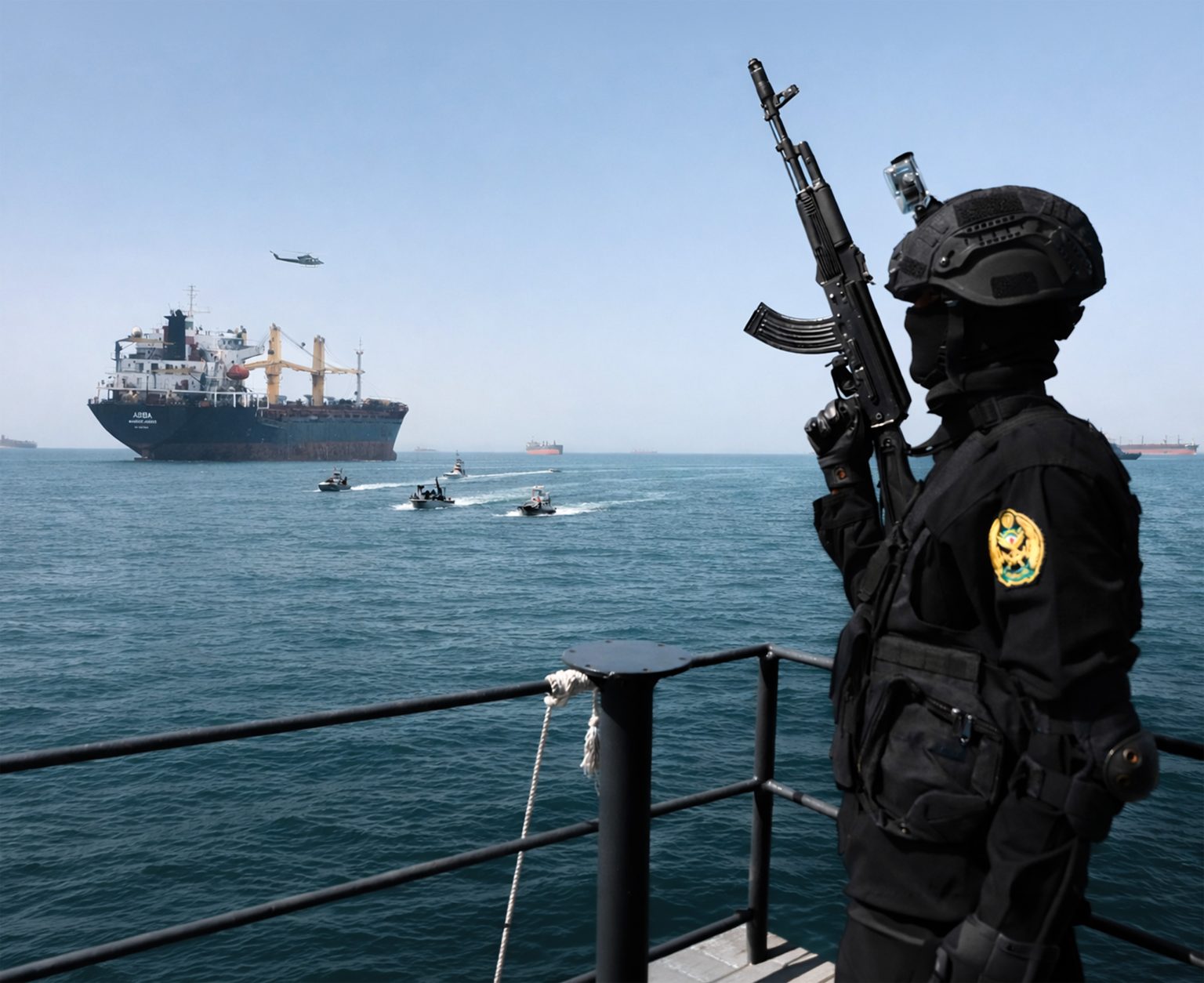
For the second week in a row, financial markets have been closely monitoring oil prices on global markets. Europeans are also concerned about the price of liquefied natural gas traded in Europe. As expected, commodity prices have surged.
As is often the case with such rapid stock market movements, opportunities attract speculative capital from around the world. However tempting it may be, even in such a crisis it is better to refrain from such speculation.
It is not a normal situation when oil adds 30 per cent in one day and then closes the trading session with a 30 per cent decline. That alone should be a warning sign for everyone. How did this happen?
Oil shock and geopolitical games
The price of oil began to rise on Sunday evening when the Asian markets opened. These markets depend on trade and on the pace of commodity shipments through the Strait of Hormuz. This is not only about oil but, in the case of Asia, also about helium, which is needed for the production of chips and fertilisers.
Japan and South Korea are highly industrialised economies for which an energy shortage would have serious consequences. Fears have driven the price of oil up to $120 per barrel, and if it remains at this level it would mean an economic shock for everyone.
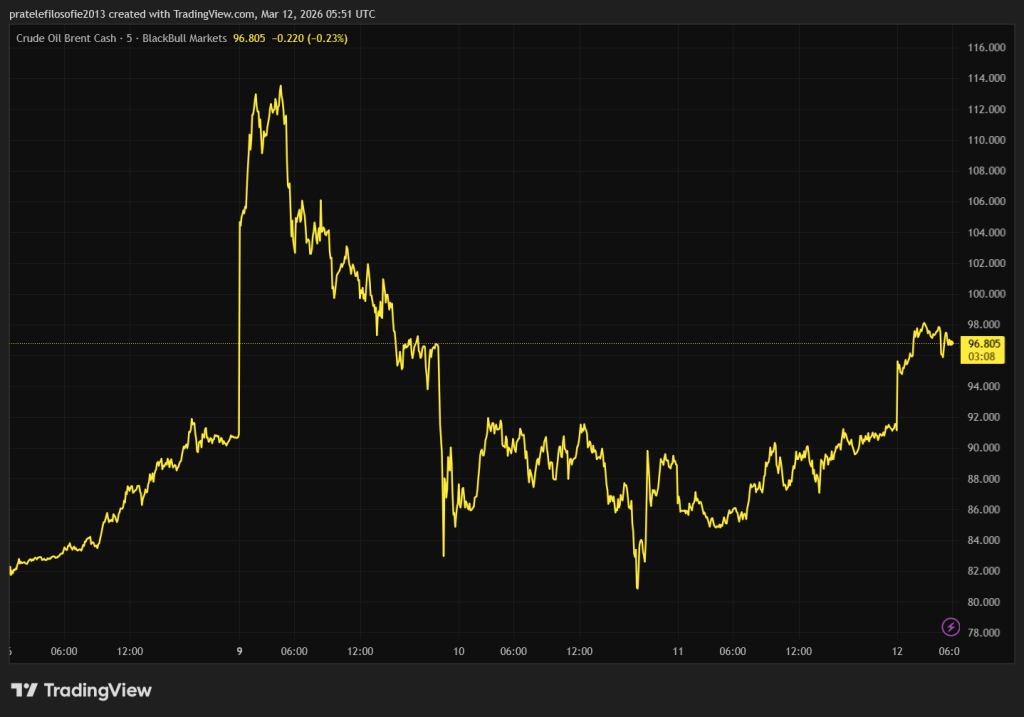
The first easing of tension in the oil market came on Monday morning, when the International Energy Agency (IEA) proposed convening a meeting as soon as possible to decide on releasing a record 400 million barrels of oil from emergency reserves. The measure was unanimously approved by the agency’s 32 member countries.
The effect was almost immediate and the price of oil began to fall sharply. The decline accelerated further after Donald Trump made a completely unexpected announcement that he expected the conflict to end very soon. Oil prices therefore fell even faster. Why did this happen?
Investors have for some time been speculating that Trump will do what he often does and perform the classic TACO – Trump Always Chickens Out. In practice, this means that Trump begins a conflict in a highly threatening and determined manner. A strong reaction from the markets follows. And when the markets start to crack, the American leader turns around.
A typical example was the introduction of tariffs on 2 April 2025. Shock therapy in the form of tariffs ultimately ended in huge market growth. Investors are again anticipating such a possible scenario. At the beginning of the week, the situation really did look as though it could become a classic TACO.
Oil above $120 forced Trump to change his rhetoric. Six weeks of conflict suddenly became just a moment. Many were waiting for Donald Trump to produce some form of agreement that would guarantee Iran a bright future in the form of lucrative oil deals.
Algorithms and information noise
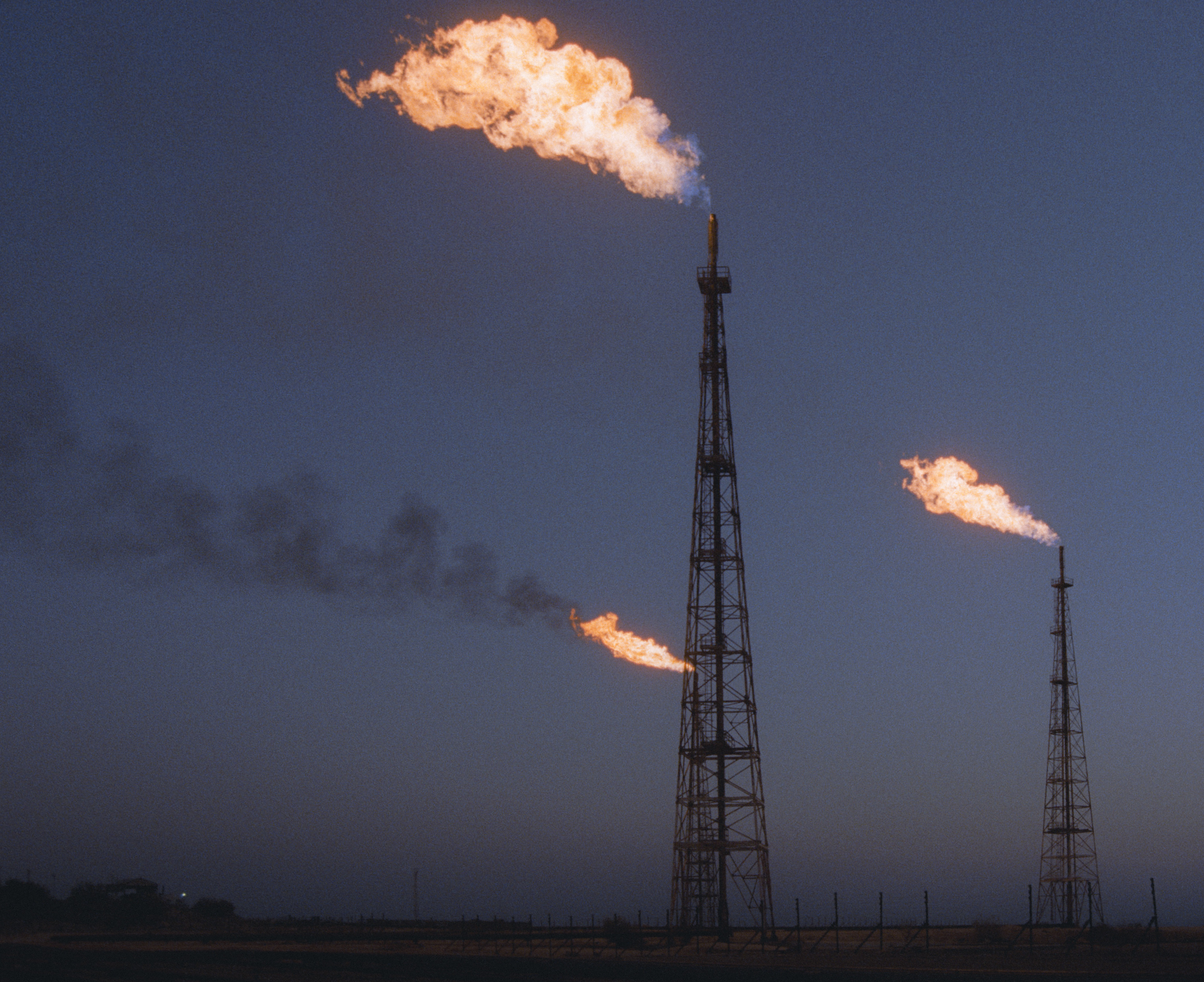
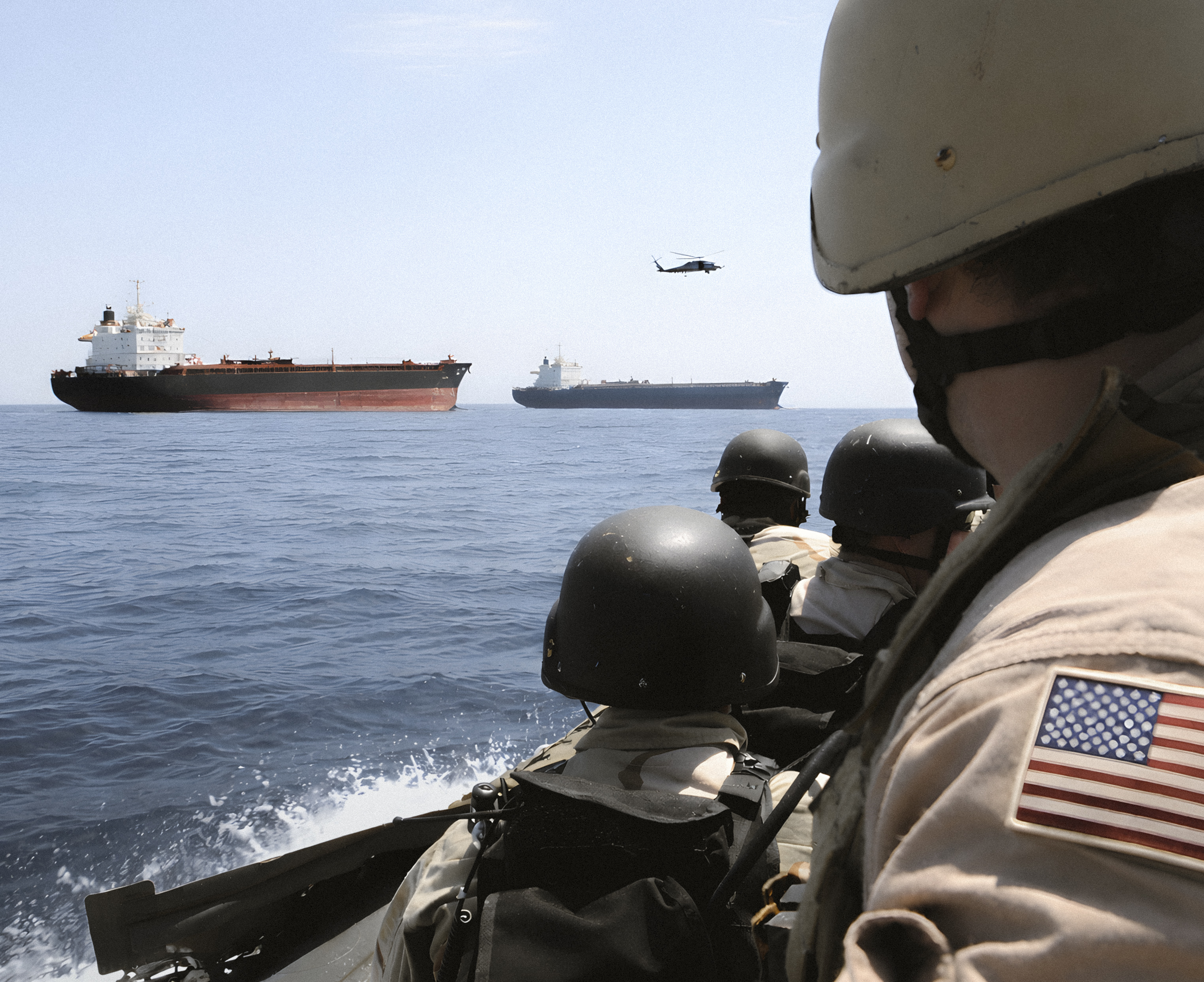
The final blow to oil prices came with a post by US Energy Secretary Chris Wright on the social network X. He proudly announced that the US Navy had ‘successfully escorted an oil tanker through the Strait of Hormuz’ to ensure the smooth flow of oil to global markets. He added that President Trump was maintaining global energy stability despite military operations.
Since many trades are now executed on the basis of algorithms, the message from an official account triggered an automatic sell-off in oil. If it had been true, it would have meant that Iran had lost its most powerful leverage over the United States.
It soon emerged that the entire story was merely noise. White House spokeswoman Karoline Leavitt was forced to publicly contradict her own minister. She confirmed that no tanker escort had taken place and that the US Navy was not escorting any ships at that time.
The Department of Energy later dismissed the incident as an employee error. Those who lost their nerve during the massive oil sell-off, however, were left with nothing but losses.
Since then the price of oil has begun to rise again, slowly but steadily. On Wednesday the International Energy Agency confirmed the release of 400 million barrels of oil from strategic reserves. However, this information had already been priced in by the markets since Monday.
While this will provide significant relief, it will not be enough if the Strait of Hormuz remains closed for more than a month. There is also another interesting detail. According to the Wall Street Journal, tankers loaded with oil continue to sail from Iran to China.
The volume has even increased by 100,000 barrels a day to a total of 2.1 million barrels per day. If these deliveries to China were to stop, the pressure on oil prices would rise again. The price of black gold is now being driven primarily by Iran’s announcement that it will attack the infrastructure of its neighbours.
So far only one thing is certain: oil at $120 is also problematic for US President Trump. As soon as the price reaches this level again, we can expect Trump to do everything he can to bring it down. The question, however, is whether the markets will be satisfied with words and promises alone, or whether they will demand concrete steps and, above all, solutions to ensure that oil and other goods can once again flow through the Strait of Hormuz.
Testing the resilience of artificial intelligence
Although Iran remains the main focus and is likely to do so for some time, this does not mean that other issues on the stock market have disappeared. They may not be as prominent in the media, but investors should continue to monitor them closely. Once the conflict in the Middle East subsides, these topics will return to the foreground.
One of them is the question of whether artificial intelligence represents an investment bubble. Over the past year a fundamental question has been raised: will the enormous spending on building data centres pay off for investors in the foreseeable future? There is no simple answer.
Artificial intelligence is not just a single type of service but an entire ecosystem that functions as a whole. During its development, however, weaker and stronger links in the chain will inevitably emerge. Oracle is currently regarded as one of the weaker links in this process. What is the reason, and why does this technology giant appear to stand on feet of clay?

The reason is corporate debt. Oracle has, of course, borrowed a large amount of money to transform itself from an old software company into a fierce player in the field of cloud services and artificial intelligence infrastructure. Its debt is now enormous, with the company having approximately $135 billion in debt on its balance sheet. In the last quarter alone, it added another $27 billion to finance massive investments in data centers.
Capital expenditures on data centers alone reached $19 billion in a single quarter, and Oracle expects to spend up to $50 billion for the entire fiscal year. It is therefore not surprising that the price of insurance against default on its debt has also risen rapidly in recent months.
This is never good news for a company. Oracle's results were therefore eagerly awaited. This time, the company could not afford to make a mistake, as any hesitation could drag down the entire technology sector, which is already facing concerns about the impact of artificial intelligence on traditional software.
Fortunately, it turned out well. The financial results exceeded expectations. Oracle reported earnings of $1.79 per share, exceeding the expected $1.70, and revenue of $17.2 billion, representing year-on-year growth of 22 percent.
More importantly, where does this growth come from? Cloud revenue grew 44 percent to $8.9 billion, with Oracle Cloud Infrastructure alone jumping 84 percent. Investors got the signal that the expensive bet on AI infrastructure is working so far. The company's shares reacted immediately and rose sharply. The investment bubble around artificial intelligence has survived, at least until the next earnings season.