
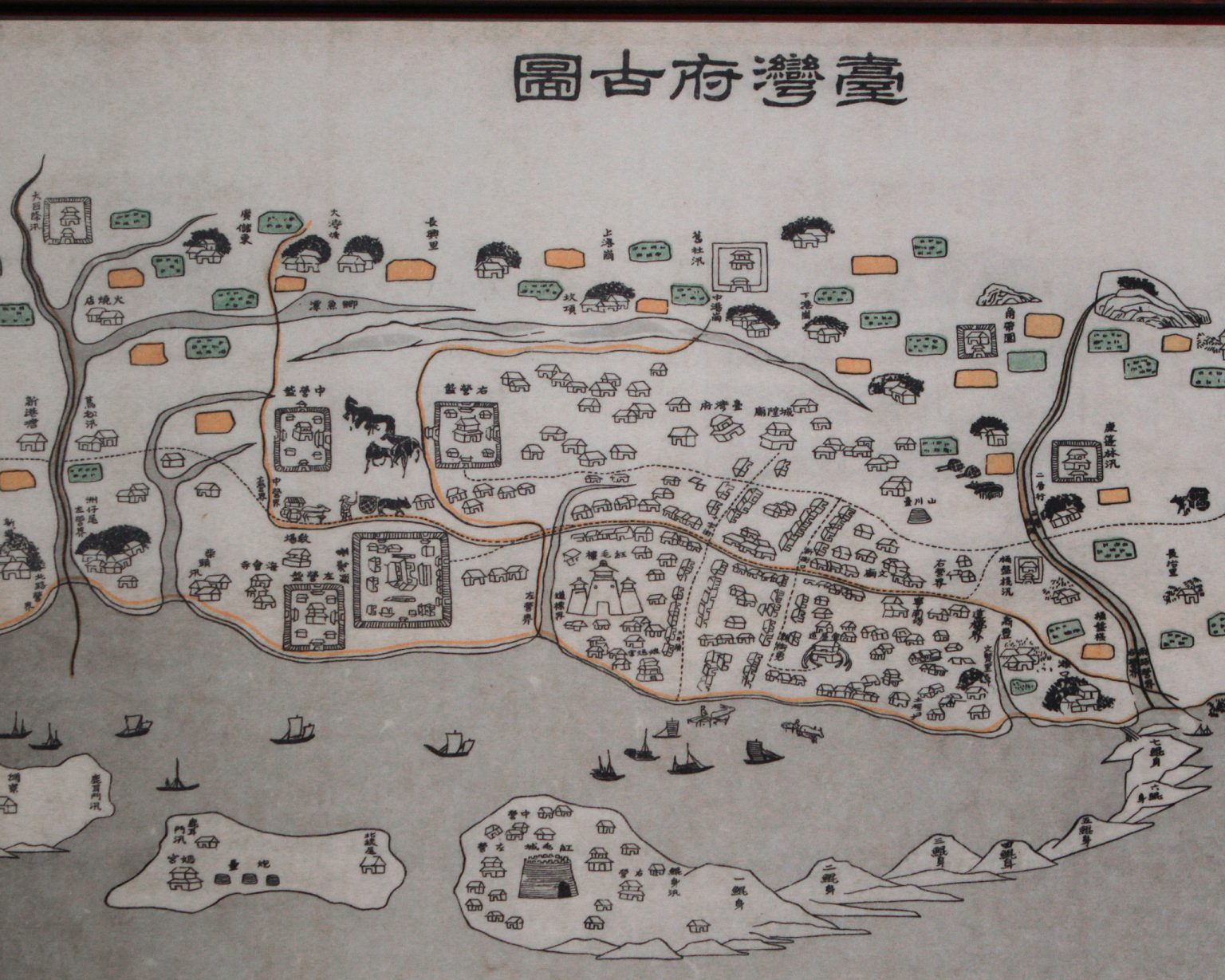
Imagine an alternative history.
First scenario. Around 1100, a Chinese inventor, rather than an English one, constructs the first industrially usable steam engine. China thus triggers an industrial revolution almost seven centuries before Europe. This is one possible way in which the world might have come to be shaped by China. We would all probably speak Chinese today. We might live much longer lives and perhaps even travel beyond the confines of our planet.
Why did no Chinese equivalent of James Watt emerge, and why did the Industrial Revolution not begin centuries earlier?
Second scenario. Around 1450, decades before Christopher Columbus, Chinese ships circumnavigating Africa appear in Europe. The Chinese possess more effective weapons and make extensive use of gunpowder and early rockets. Their blast furnaces are more advanced than those of their European counterparts, allowing them to produce lighter and more durable weapons.
They are able to transport large numbers of soldiers across great distances. Their ships are larger and more advanced than European vessels. Their hulls are divided into watertight compartments, allowing ships to remain afloat even when damaged. European shipbuilding would only reach comparable solutions much later.
In this alternate history, the Chinese take advantage of rivalries between European states. They begin with trade, establish fortified outposts and gradually expand their influence. Over time, they gain control over parts of the continent. At the same time, they cross the Pacific and reach the Americas. This is another plausible path by which the world might have come to be shaped by China.
Why, then, did China neither colonise Europe nor dominate the world?
Needham’s question
The British biochemist and historian Joseph Needham posed this question in the late 1940s. Between the 6th and 15th centuries, China was ahead of Europe in many important areas. The Chinese had developed paper, printing, the compass, advanced looms and large manufactories with division of labour. They also used water-powered machinery well before similar technologies appeared in Europe.
Their shipbuilding was highly advanced. Chinese vessels had efficient rudders and sophisticated sail systems, enabling precise manoeuvring, even in confined spaces. Comparable developments in Europe came much later.
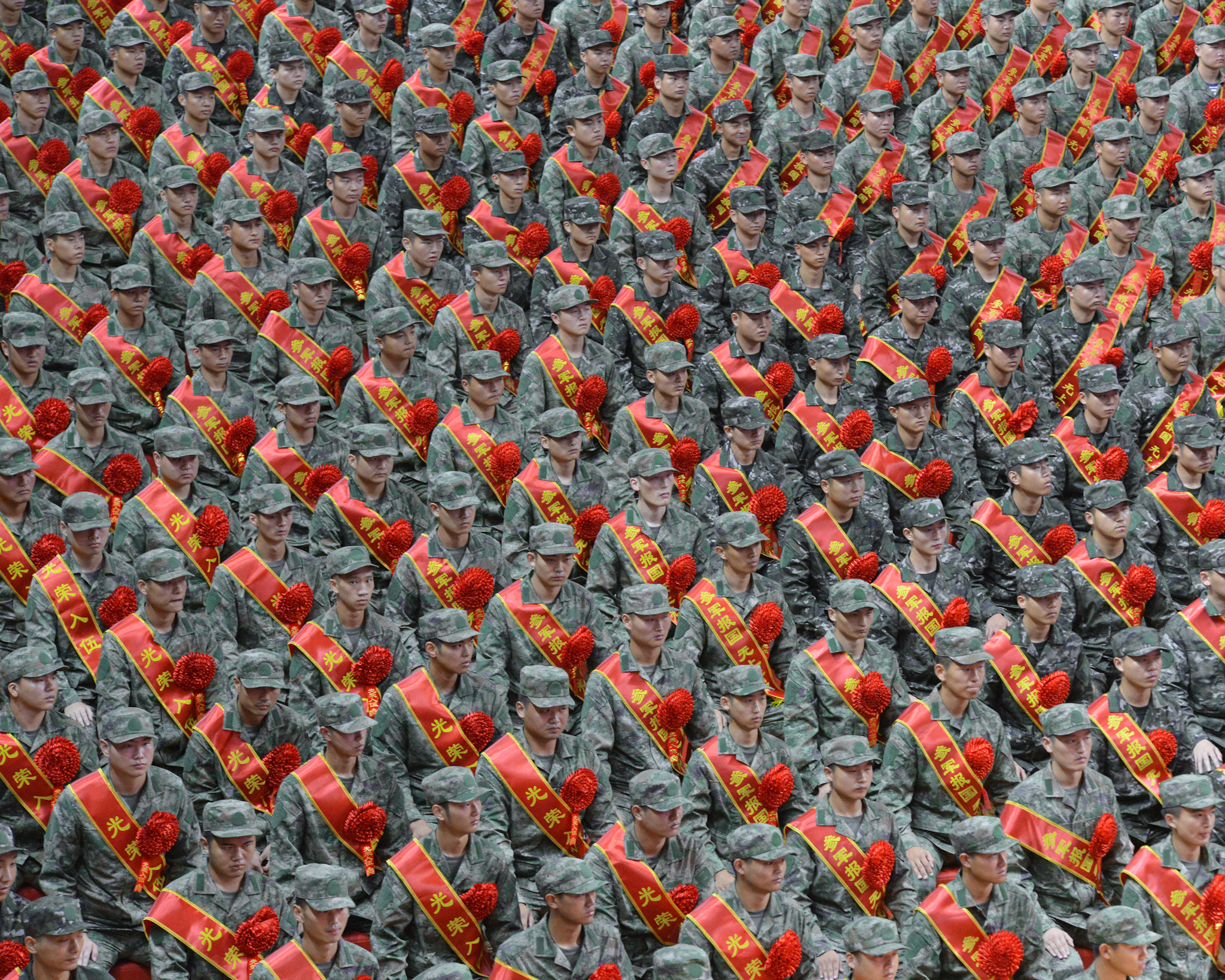
The rise and decline of Chinese technology
The American historian John K. Fairbank writes that by the end of the Tang dynasty, which ruled from 618 to 907, economic life had increasingly moved beyond direct state control. Wealth accumulated in the hands of local elites. After the An Lushan Rebellion between 755 and 763, state authority weakened further, and control over commerce began to fragment. Smaller regional powers emerged from the remains of the empire.
China was reunified in 960 under the Song dynasty. During this period, networks of trade centres expanded significantly. At the same time, the state faced continuous external pressure and struggled to exercise full control over economic life. Periods of weaker central authority coincided with strong technological and economic development.
Industrial production grew, particularly around the Song capital of Kaifeng. The Chinese developed advanced methods of iron and steel production using charcoal, comparable in some respects to techniques later used in Britain. However, the demand for fuel led to extensive deforestation around major production centres.
The modern Western world and China’s path
In Britain, the depletion of forests led to the increasing use of coal and coke in blast furnaces. This allowed production to expand and become more efficient. Coal became a central energy source, supporting industrial growth over a long period.
In 1776, the entrepreneur James Watt, co-owner of Boulton and Watt, significantly improved the steam engine developed by Thomas Newcomen, greatly increasing its efficiency. Its early use in pumping water from mines marked a turning point in industrial development.
China also possessed abundant coal and was aware of its potential. The Chinese made use of coke, and iron and steel were widely produced. Yet industrial production began to stagnate and later declined. The number of blast furnaces decreased. High-quality iron and steel became more expensive. Despite earlier advantages, technological development lost momentum.
No Chinese James Watt emerged. By the time of the Song dynasty, many key inventions had already been made, and further breakthroughs became less frequent. Moving production was also more difficult. The Scottish historian Niall Ferguson writes that China’s rulers, shaped by Confucian traditions, often regarded independent and wealthy entrepreneurs as a potential threat to stability.
Northern China was conquered by Genghis Khan in 1215, and southern China fell to his grandson Kublai Khan in 1279, bringing an end to the Song dynasty and the beginning of Mongol rule. These events disrupted existing structures, but they do not fully explain the longer-term trajectory.
Needham notes that gunpowder was known in China as early as the 9th century. It was used in various forms of warfare, including early incendiary weapons. However, the Confucian administrative elite did not always prioritise military innovation to the same extent as later European states.
The bureaucratic system and the cost of defence placed significant demands on the state. Historian Paul J. Smith argues that during the Southern Song period the state became increasingly burdensome for society. Within the traditional social hierarchy, scholars held the highest status, while merchants ranked lower. The military occupied an ambiguous position within this structure.
The armed forces remained an instrument of the ruling elite. Entry into that elite required success in the civil examination system, which emphasised classical education. Military roles did not carry the same prestige. Command positions were sometimes held by officials with limited practical military experience.
Confucian thought emphasised harmony and moral authority. This fostered stability but may also have limited the scope for disruptive change. The concentration of power within a bureaucratic elite shaped the direction of development. This raises a broader question about how political systems influence innovation and economic change.
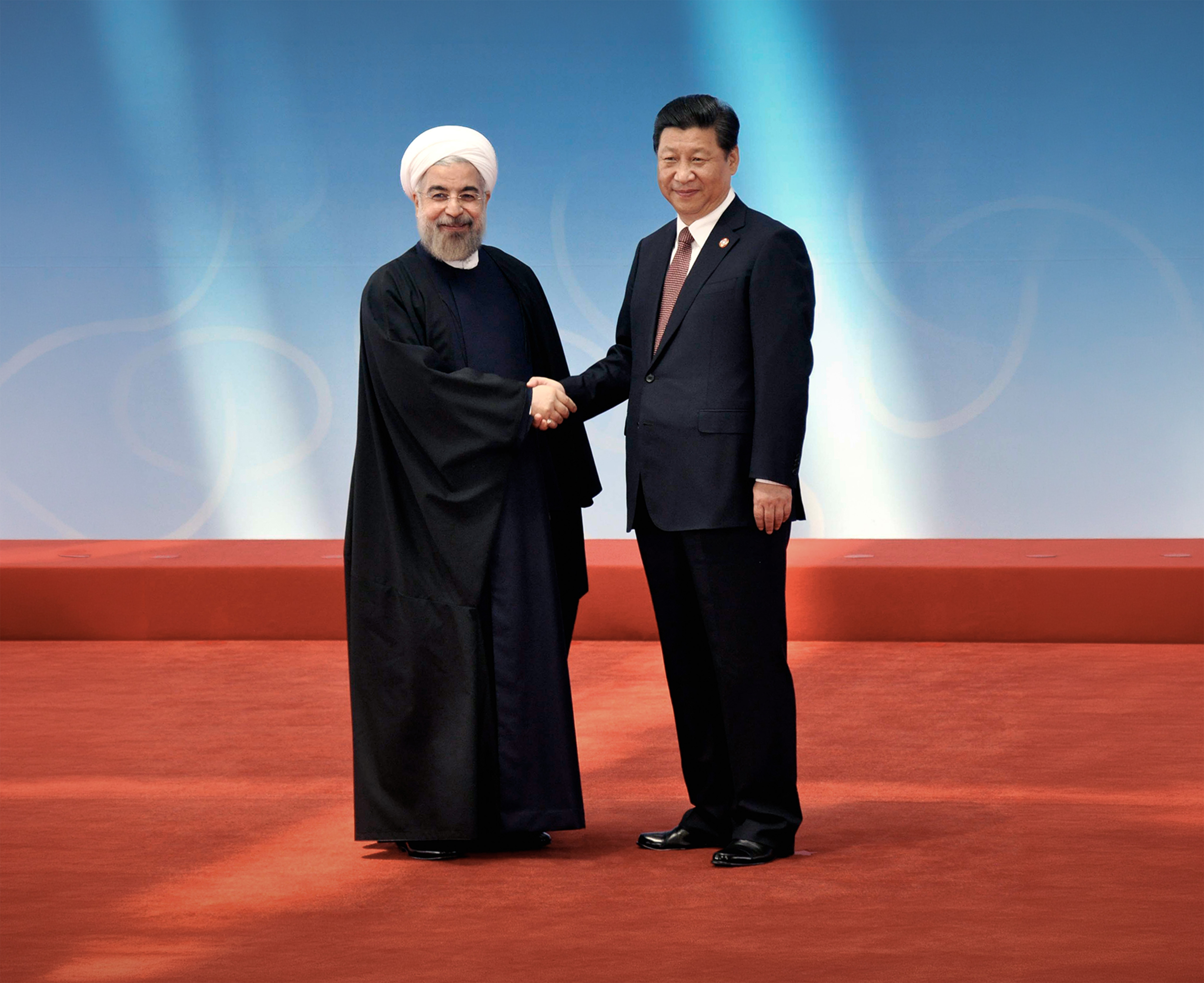
The rise and fall of Chinese naval expansion
After the fall of Mongol rule, the early Ming dynasty undertook a series of major naval expeditions led by Admiral Zheng He between 1405 and 1433. Shipyards in Nanjing constructed large fleets, including so-called treasure ships of considerable size.
These expeditions reached Southeast Asia, India, the Strait of Hormuz and the east coast of Africa, including present-day Mombasa. They demonstrated advanced shipbuilding, navigation and logistical capabilities.
By comparison, European expeditions of the late 15th century were far smaller in scale. Christopher Columbus’s flagship Santa Maria, for example, was modest in size and capacity compared with the largest Chinese vessels.
Yet in 1433, the voyages came to an end by order of the imperial court. Some ships were dismantled, and official records were later destroyed. Maritime trade and shipbuilding were increasingly subject to state restrictions.
Dreyer argues that Confucian officials and scholars played a decisive role in this shift. Their scepticism towards overseas engagement and preference for internal stability shaped policy at a critical moment. China gradually withdrew from large-scale maritime expansion, and the balance within the state shifted further towards the bureaucratic elite.
The contrast between the best conditions for overseas expansion that China had in the Ming dynasty and the suppression of overseas voyages initiated by conservative Confucian officials gives the impression that China deliberately missed the moment of modern technical and economic development.
The question is whether similar tensions between control and dynamism can also be observed in Europe today.
Over centuries, dynasties changed, but the influence of the Confucian bureaucratic tradition remained strong. China was, in many respects, governed by a scholarly elite. Who they were, what they believed and how they exercised power is a question that invites further examination.
Hydepark is a space for free discussion. Published opinions may not reflect the editorial line of Statement.