

The fuel crisis in Europe has recently intensified markedly. Petrol and diesel are no longer merely expensive but, in an increasing number of places, simply unavailable. Some stations are closing, others have begun rationing, and the trend suggests that conditions are likely to deteriorate further. What is emerging is not a short-term market disruption but the beginning of a structural stress test for Europe’s energy system.
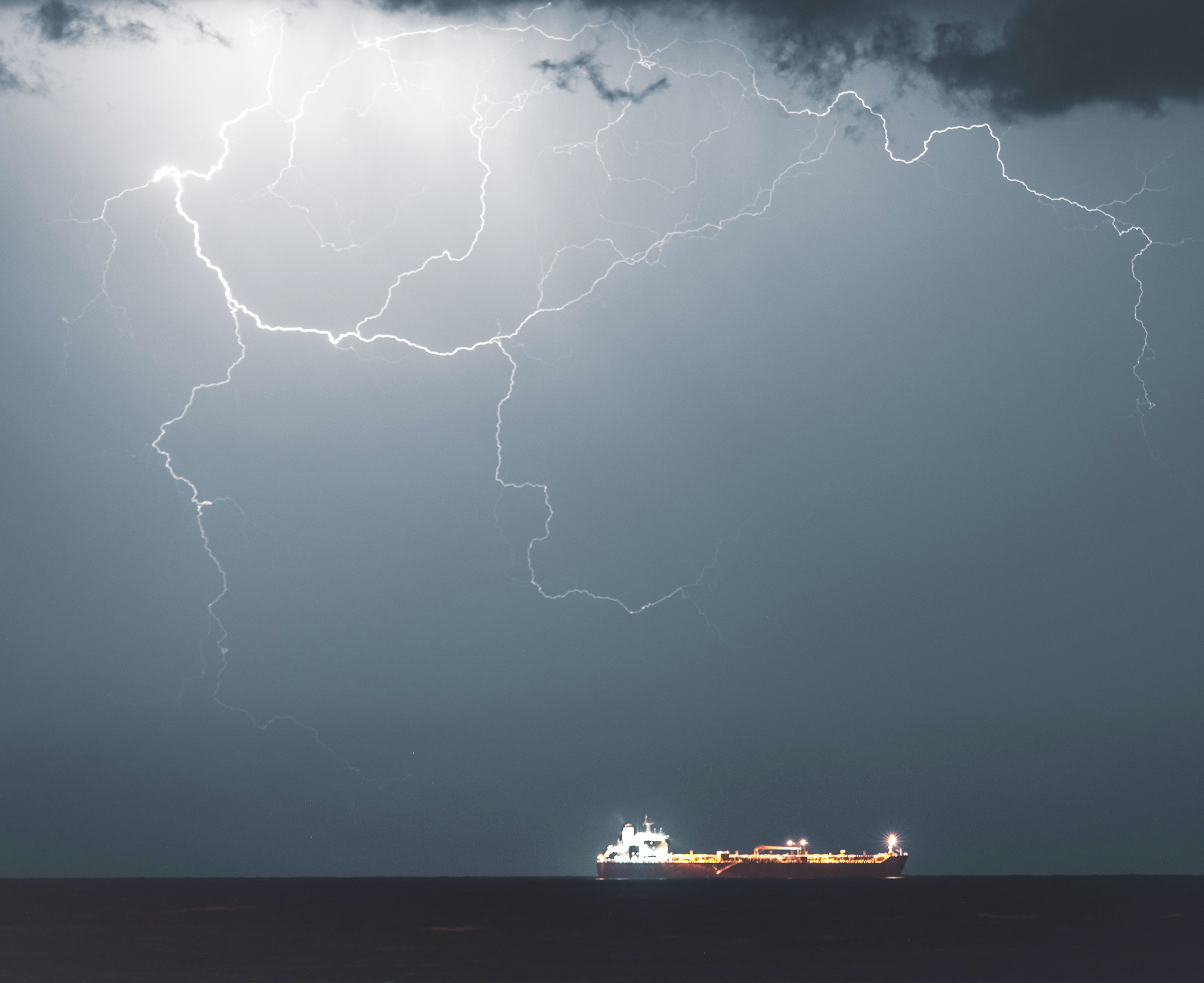
The starting point is Iran’s blockade of the Strait of Hormuz. A significant share of global oil trade passes through this narrow waterway. When the route is disrupted, the impact extends far beyond the region. Tankers are forced to take longer routes, delivery times increase and insurance premiums rise sharply. At the same time, traders and refineries are reacting with caution: stocks are being held back, deliveries delayed and risks reassessed. A geopolitical conflict is thus turning into an economic stress test for a system that depends on stable and predictable processes.
Warnings from industry and policymakers are correspondingly stark. Shell chief executive Wael Sawan said the shortage could spread from Asia to Europe ‘within weeks’. The head of the International Energy Agency (IEA), Fatih Birol, put it more fundamentally: ‘No country will be spared the effects of this crisis if it continues in this direction.’
First cracks in the system
The situation remains uneven – and that is precisely where its momentum lies. In the Czech Republic, initial shortages have already appeared at petrol stations near the German border, driven largely by fuel tourism. German motorists are taking advantage of price differences and crossing into the neighbouring country in large numbers. In many cases, not only vehicle tanks are filled but additional canisters as well. For affected stations, demand far exceeds normal levels, resulting in localised supply breakdowns.
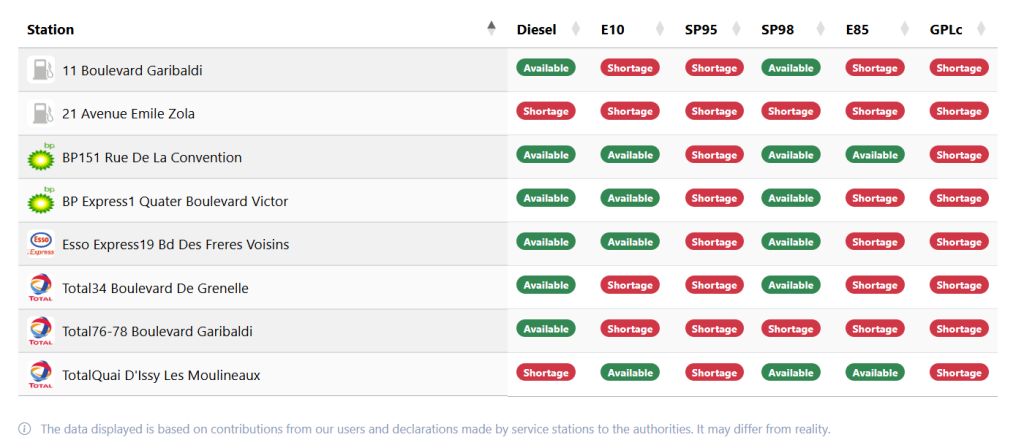
France presents a more advanced stage of the crisis. Hundreds of petrol stations are reporting shortages, and some have already run dry. The problem is not confined to specific regions but is spread across the country. Common fuels such as Super 95 are affected, along with alternatives such as E85 and autogas.
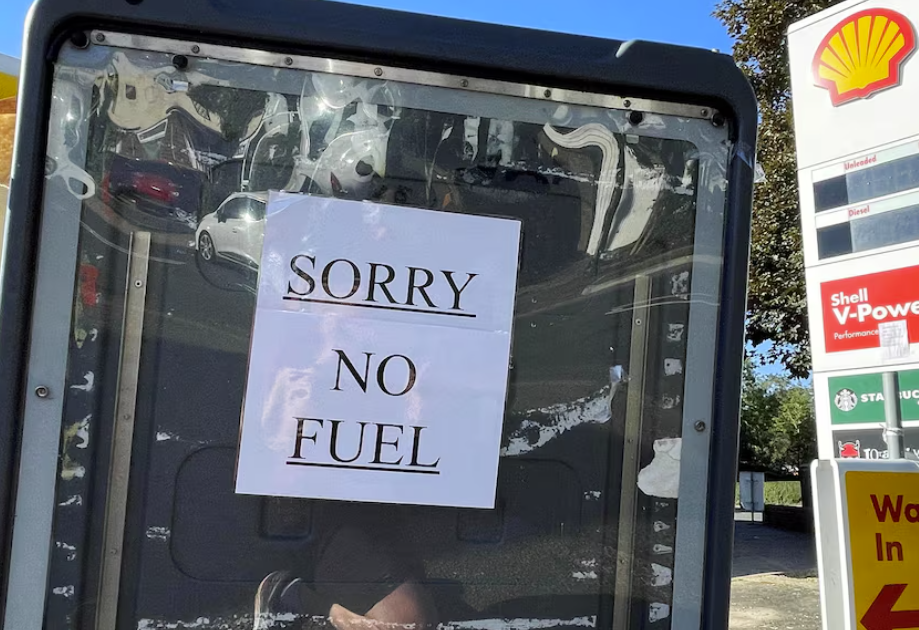
In the United Kingdom, an additional dimension has emerged. Several petrol stations have closed after operators reported aggressive behaviour from customers. Asda chairman Allan Leighton said: ‘Supply is tight, and we are all doing our best to address it.’ At the same time, the government is preparing for possible intervention. Journalist Louisa James reported that experts had warned of a ‘severe shortage of oil and gas within weeks’.
Slovakia has already moved a step further. Rationing has been introduced, with private individuals allowed to purchase only limited quantities of fuel and companies subject to fixed caps. This makes clear that the market alone is no longer able to stabilise the situation. The state is stepping in to manage the distribution of scarce resources.
Energy as a driver of rising prices
The full implications of the developments become apparent beyond the petrol stations. Energy is a central cost factor across almost all sectors of the economy. When prices rise or supply becomes uncertain, the effects ripple through entire value chains.
The impact is particularly visible in the food sector. Agricultural production is heavily dependent on energy – from fuel for machinery to transport and refrigeration. In addition, fertiliser production is closely linked to energy prices. Rising costs in these areas feed directly into production, while transport from producer to retailer also becomes more expensive. The result is a gradual but sustained increase in food prices.
This effect does not materialise immediately but with a delay. While energy prices often react quickly, production and supply chains take time to adjust. As a result, price pressures in the food sector are likely to persist even if the situation stabilises.
Retail more broadly is also coming under pressure. Higher transport costs affect almost all categories of goods, with items that rely on long-distance logistics particularly exposed. At the same time, shortages may arise if supply chains are disrupted or goods fail to arrive on time.
A similar pattern is visible in aviation. Kerosene prices are closely tied to the oil market and are rising accordingly. Airlines typically respond with higher ticket prices, reduced flight frequencies or the cancellation of less profitable routes.
The shift towards managed scarcity
As the conflict drags on, pressure for political action is increasing. The International Energy Agency has recommended measures such as speed limits and increased remote working to reduce consumption in the short term.
At the same time, a more fundamental shift is becoming apparent. Once the market can no longer compensate for shortages, state intervention moves to the forefront. Rationing, prioritisation and regulatory measures become the primary tools. This also implies a reordering of usage, with critical infrastructure and economically essential sectors prioritised while private transport loses importance.
The current developments expose a structural vulnerability. Europe’s energy supply is heavily dependent on global supply chains. These are efficient as long as they function smoothly. However, when a key chokepoint such as the Strait of Hormuz is disrupted, chain reactions emerge that are difficult to control.
The crisis has not yet reached all parts of Europe. Yet the examples from several countries show how quickly conditions can change. Should the blockade persist or the conflict widen, an already strained situation may evolve into a broad economic stress test, with direct consequences for prices, supply and mobility across the continent.