
The debate over online regulation in Britain is now reaching new peaks almost daily. Measures aimed at control and censorship have moved to the centre of political activity since the prime minister announced plans to accelerate efforts to regulate online content and social media. Under the proposals, the executive would be able to introduce measures without parliamentary questioning. Annual updates, drawn up through administrative processes, would set out new protective rules.
Supporters of the approach stress the need to protect children and young people. Critics are increasingly warning of a dangerous expansion of state intervention in freedom of expression. The immediate backdrop is growing concern about the impact of social media on the young. Studies and political statements alike describe platforms as deploying mechanisms designed to keep users engaged for as long as possible, from endless scrolling to algorithmically curated content. Starmer has argued that such features ‘hook children on to their screens’ and must therefore be regulated. In that context, stricter laws may at first appear reasonable.
A nanny state of absolute safety
The state claims to be closing protection gaps created by technological change. What emerges, however, is a nanny state that not only seeks to shield children but also constrains adults.
The speed at which the new measures are to be introduced is another central point of criticism. The government plans to create powers allowing regulation to be enacted within months rather than years. ‘Technology is moving very quickly, and the law must keep pace,’ Starmer said in a statement reported by Sky News.
In practice, the proposals would curtail parliamentary oversight or remove it altogether by shifting key decisions into the hands of the executive. Such fast-track procedures raise a fundamental democratic question: how much control should the executive wield when regulating communication and information? There is also the scope of the measures themselves. The existing Online Safety Act already obliges platforms to tackle ‘harmful content’ and allows for substantial fines. The term ‘harmful’ remains imprecise, leaving room for political interpretation or arbitrary enforcement.
Opinions can be prohibited
Within such a framework, it is foreseeable that even lawful but controversial views could come under pressure. Recent cases in Britain show that individuals have already faced criminal proceedings over online statements. The line between legitimate regulation and censorship is far from clear. England has long prided itself as a cradle of liberalism, where opposing views are to be endured rather than suppressed. Starmer’s course points towards greater intervention and edges uncomfortably close to a more authoritarian approach.
Political pressure favours those calling for tighter restrictions. Faced with public demands to act, politicians often resort to reactive measures. The prime minister insists the measures are about protecting children, not censoring speech. That argument may be politically effective, not least because it carries moral weight that is difficult to challenge.
The primacy of freedom
The counterargument is always freedom, as the moral framing of laws makes sober assessment more difficult. Protective measures can and do produce unintended consequences. Excessive regulation risks stifling innovation or prompting platforms to remove content pre-emptively in order to avoid penalties. Overblocking, where more material is taken down than necessary, is already a reality. The danger this poses to the breadth of public debate is evident.
Britain is also part of a wider international trend. Countries such as Australia and France are debating similar age restrictions for social media. The regulation of digital spaces is increasingly becoming a global contest between competing models, ranging from relatively liberal approaches to tightly controlled information systems that verge on the authoritarian. There is, on the one hand, a legitimate need to protect children from the harmful effects of digital platforms. On the other, freedom of expression remains a cornerstone of democratic societies.
Strengthening personal responsibility
The challenge lies in finding a balance that protects both children and freedom. In many respects, responsibility for safeguarding children must also rest with parents. Encouraging and enabling them to take a critical view of their children’s media use would harm neither the state nor the young.
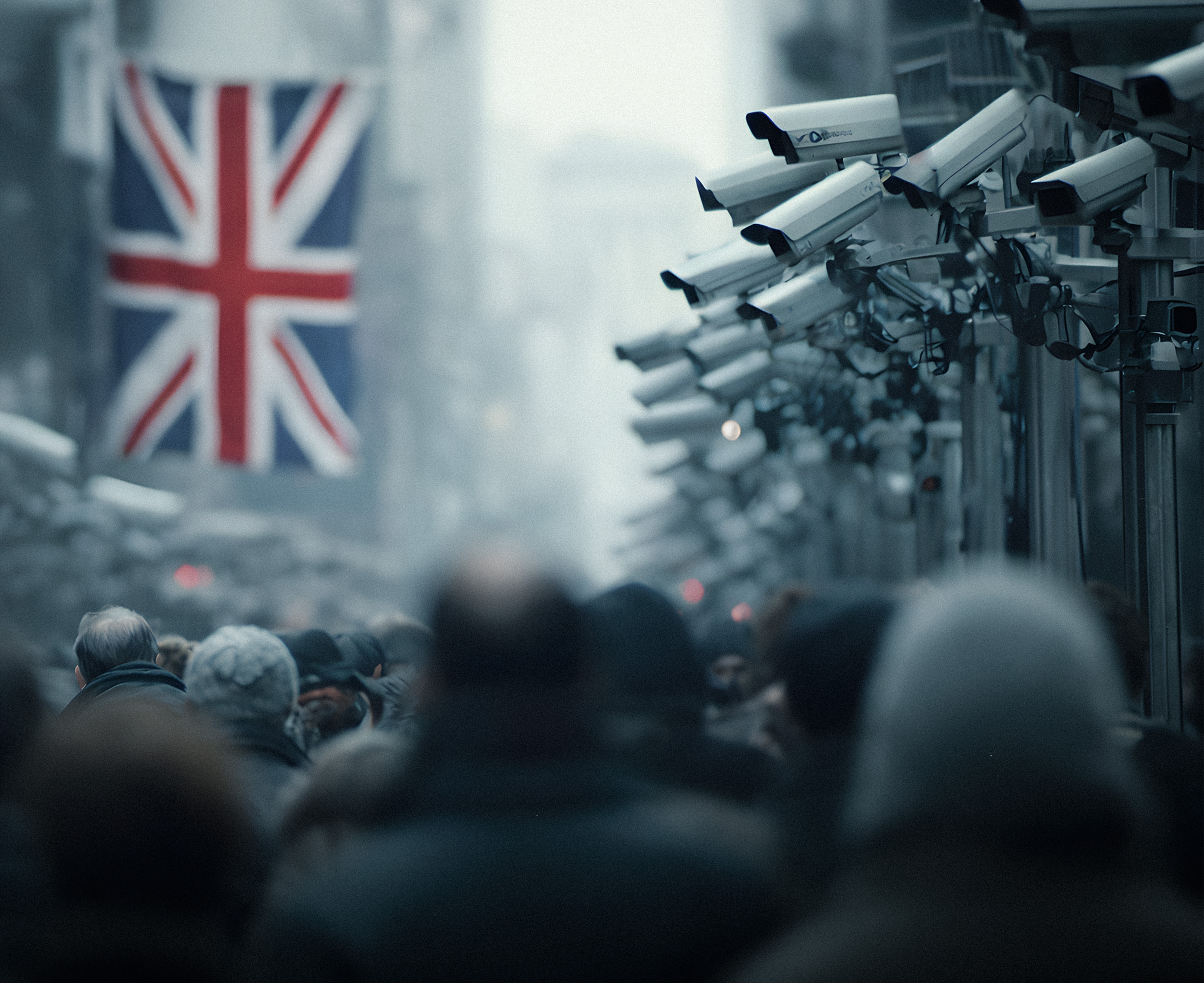
The current developments under Starmer show how strong the temptation of absolute control has become. The measures now planned mark a turning point, as they would sideline Parliament as the central democratic check. If Starmer prevails, digital regulation in Britain will become a tool of censorship and control to the detriment of freedom.