
Social media, chatbots and apps are set aside to open a channel for real conversation. The essential one. Not with a screen, but with God, so that a new beginning becomes possible. A conversation that matters.
And yet something is often lost in the silence of Lent: a subtle but crucial step that few dare to take. There is another way, more difficult, less comfortable. A path that cannot be taken lightly. Once stepped upon, there is no turning back.
It cannot be walked formally. It requires a decision that cannot be feigned: to enter the darkness. And, paradoxically, to fast from God.
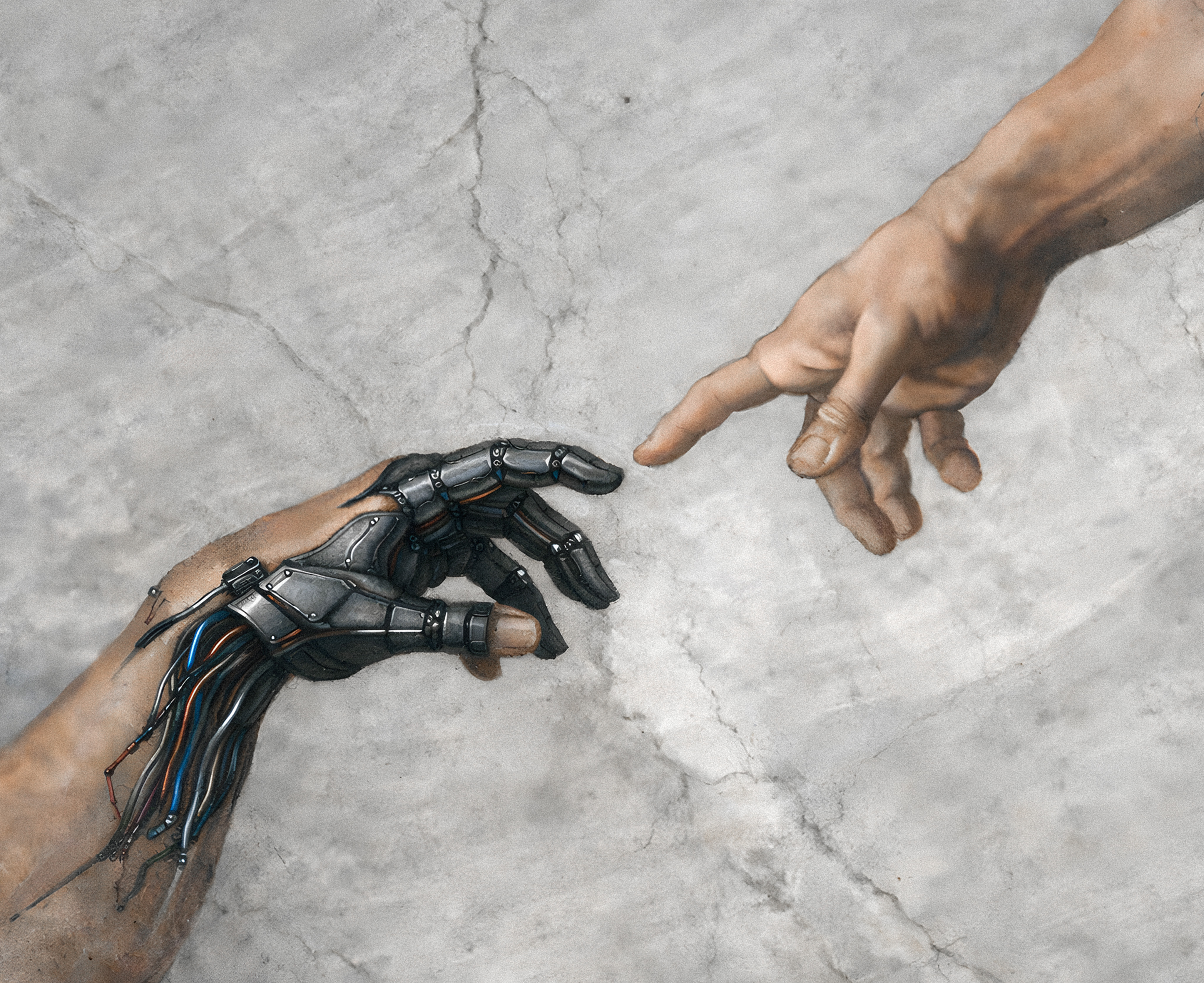
Christians often hold a very specific idea of where and how the Saviour is to be encountered. No longer is anyone looking for a judge enthroned in heaven, but for a merciful Father, an intimate friend who dries tears and eases sorrows.
During his 14-year detention, the political prisoner Silvester Krčméry carried out an experiment: ‘I wondered if I was only increasing my suffering by my constant programming from morning to night. What if I tried to resign? What if I reduced my spiritual life to mere survival? Maybe I’d have an easier time of it all.’
For a few days, he gave up the elaborate prayer regimen developed in solitude. He abandoned a spiritual discipline that would have put to shame many a Carthusian or Eastern ascetic living alone in a kellia on the slopes of Mount Athos. The experience may well have proved pivotal to his spiritual life.
Instead of several hours of daily prayer, which had helped him cope with uncertainty, fear for the future and the existential conditions of communist prisons in the 1950s, a thought took hold: was all of this merely a psychological crutch? An aid to escape from harsh reality into a world of ideals? And so he stopped praying.
‘I felt a constant tightening in my chest, as if I were all clenched in an iron hoop, a burning in my chest. I wanted to break through the walls, to scream, to roar. I was raging inside, rebelling.’
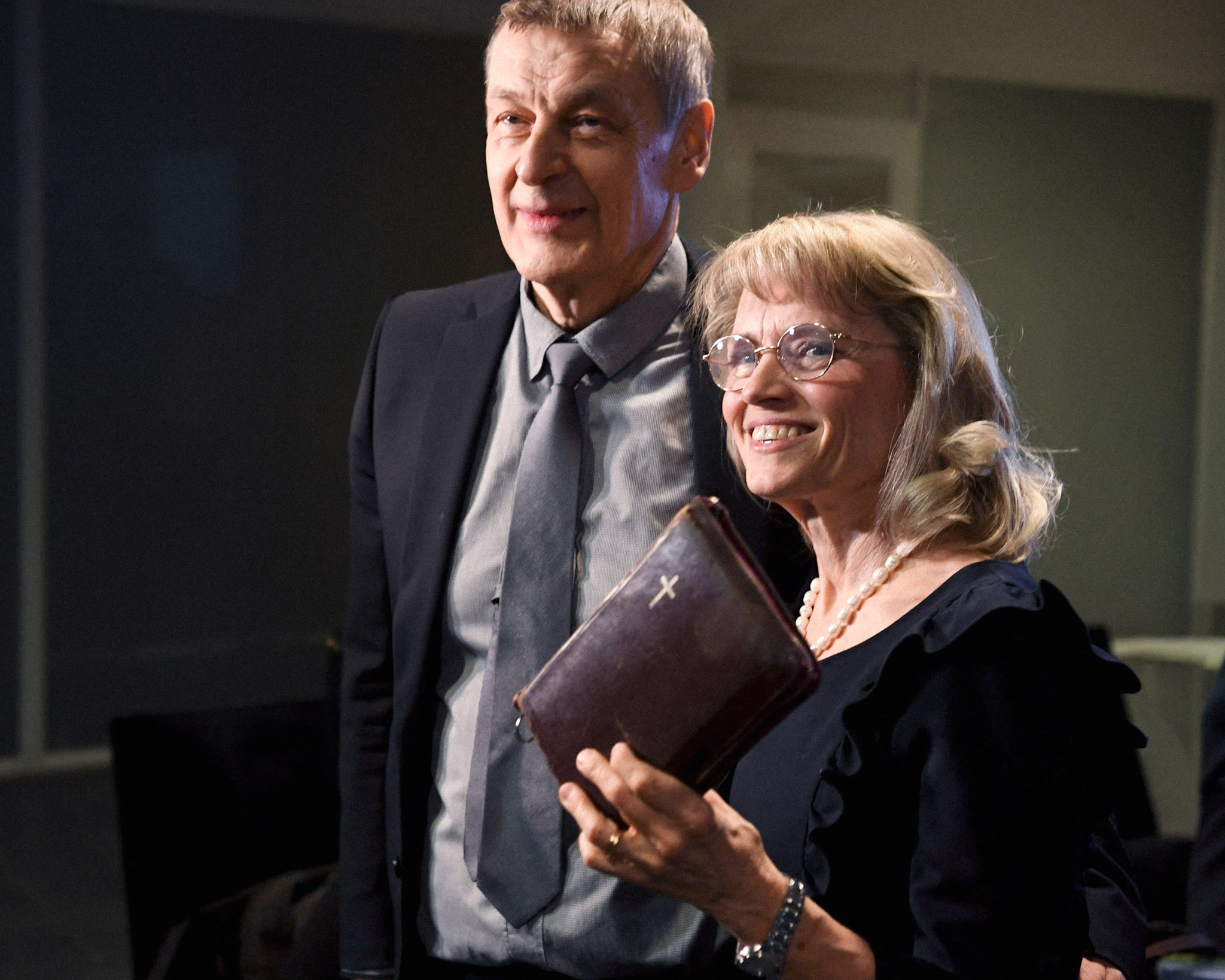
Martin Heidegger, one of the most important philosophers of the 20th century, wrote in his search for the essence of being: ‘Only in the clear night of nothingness and anxiety does the original revelation of being emerge in itself: that it is – and not that it is not.’ And he added: ‘Nothingness destroys.’
Western man appears doomed to nihilism, yet it is not a permanent state of being. It is merely a veil behind which something else may lie.
Christian faith holds that beyond nothingness, God may be encountered. It is here that one of the most demanding, yet most authentic, dimensions of Lent opens up: allowing the full weight of existence to fall upon us. Being without God. The weight of nothingness.
Christians often lack such an experience, sustained as they are by the supporting pillars of the sacraments, the structures of the rosary, the Our Father, the Hail Mary. As in the case of Silvester Krčméry, doubts may arise as to whether all this merely alleviates daily suffering. Yet few are willing to abandon God.
Lent can become an occasion for precisely that: for consciously abandoning God – at least the one that has been constructed – for stepping into darkness, for reaching the lowest point. And it is there, surrounded by nothingness, that a discovery may be made: that this path has already been walked. That Someone else has carried, with bruised feet, the piece of wood – the cross – to which he would soon be nailed. And from that height, a view opened beyond the horizon of nothingness that remains unseen.
Krčméry eventually returned to a life of prayer and endured more than a decade of further interrogation and torture. But he was no longer alone. No longer undermined by fragile doubt, he built load-bearing walls – not from the dead stone of prayer formulas, but from living faith.
As Simone Weil wrote: ‘Just as God, by virtue of the Eucharistic consecration, is present in the piece of bread, he is also present in extreme evil through the cross. In the pain that redeems.’
The article originally appeared on DoKostol.