
The discovery of two backpacks filled with explosives near the Balkan Stream pipeline in northern Serbia comes at a politically sensitive moment. Just days before Hungary’s parliamentary election, President Aleksandar Vucic announced that the devices had been found ‘a few hundred metres’ from one of the most important gas links to Hungary. In Budapest, Prime Minister Viktor Orban reacted immediately, convening the defence council and placing the pipeline under military protection. Foreign Minister Peter Szijjarto went further, arguing that the foiled attack fits into a series of Ukrainian attempts to disrupt Europe’s energy supply.
Kyiv rejected the accusation, speaking of a possible false-flag operation. Yet the counter-claim forms part of a now familiar pattern. The Serbian case does not stand alone. It is the latest link in a chain of incidents that can be read along a clear line. Wherever Russian energy reaches Europe, sabotage, disruptions or at least corresponding allegations tend to follow.
Nord Stream as a precedent
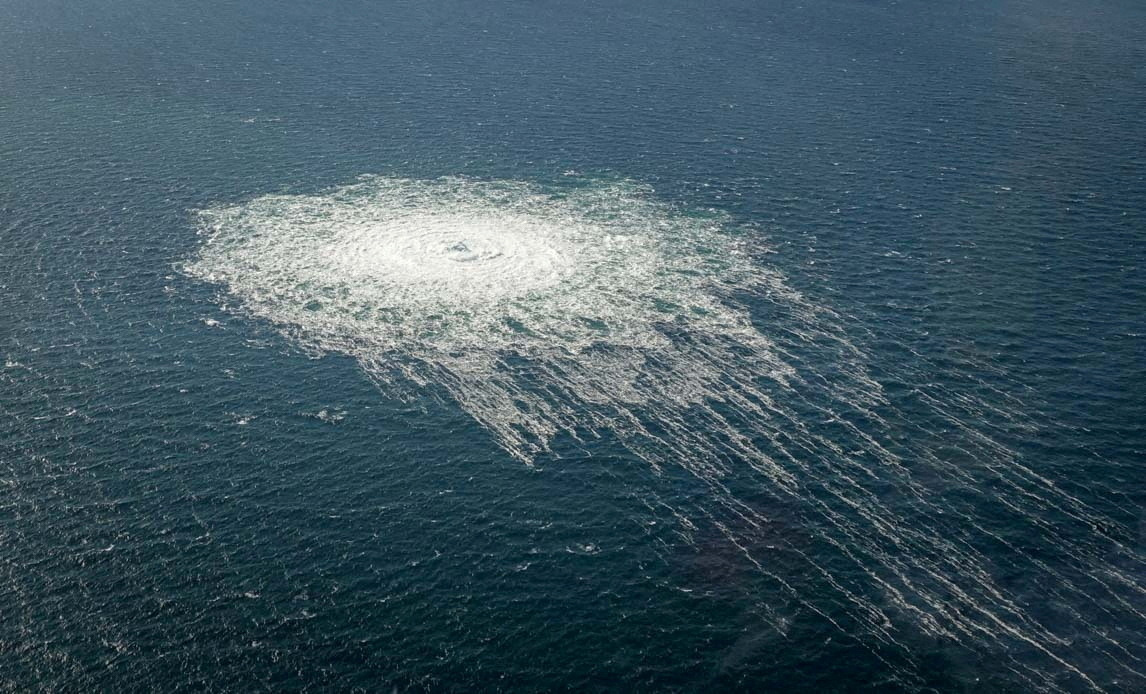
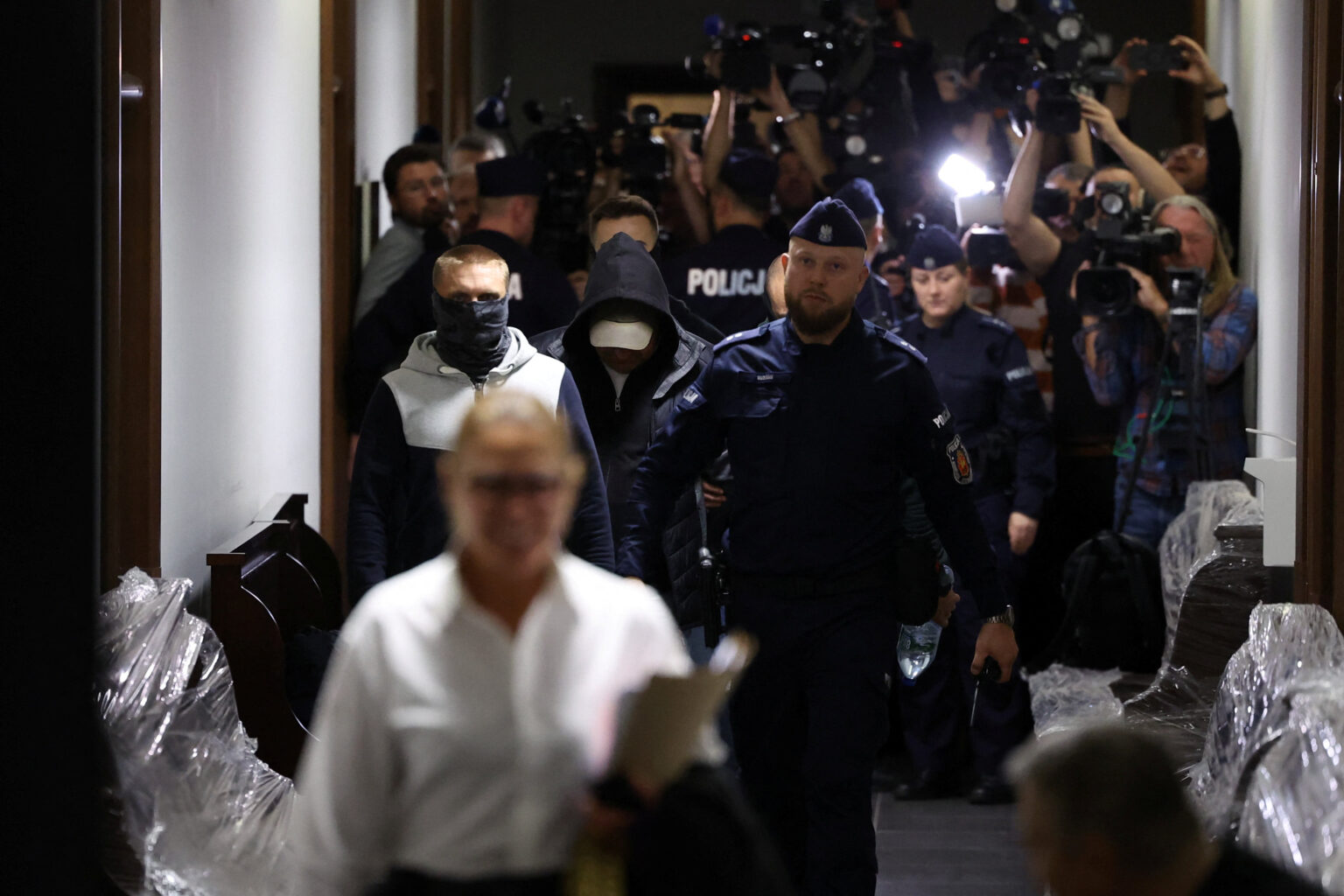
The first major turning point was the destruction of the Nord Stream pipelines in September 2022. What long appeared a geopolitical mystery has since become more concrete. German investigators have identified specific Ukrainian citizens and issued arrest warrants. They are believed to have been part of a team that placed explosives in the Baltic Sea using a chartered sailing yacht. A decisive threshold has therefore been crossed. Responsibility is no longer abstract, but personalised. The political chain of command has not been conclusively clarified, yet the operational trail leads to Kyiv.
For a strategic assessment, that is sufficient. The key question is not only who gave the order, but who benefited. With the destruction of Nord Stream, one of the central energy links between Russia and Germany was permanently severed. Europe lost an option that would have remained economically relevant even during periods of political frost with Moscow. The blast not only anticipated a political decision to boycott Russian oil, but effectively replaced it. The fact that Ukraine, which depends on support from Germany and the EU, remains the main suspect in the sabotage raises further questions that are diplomatically left unspoken.
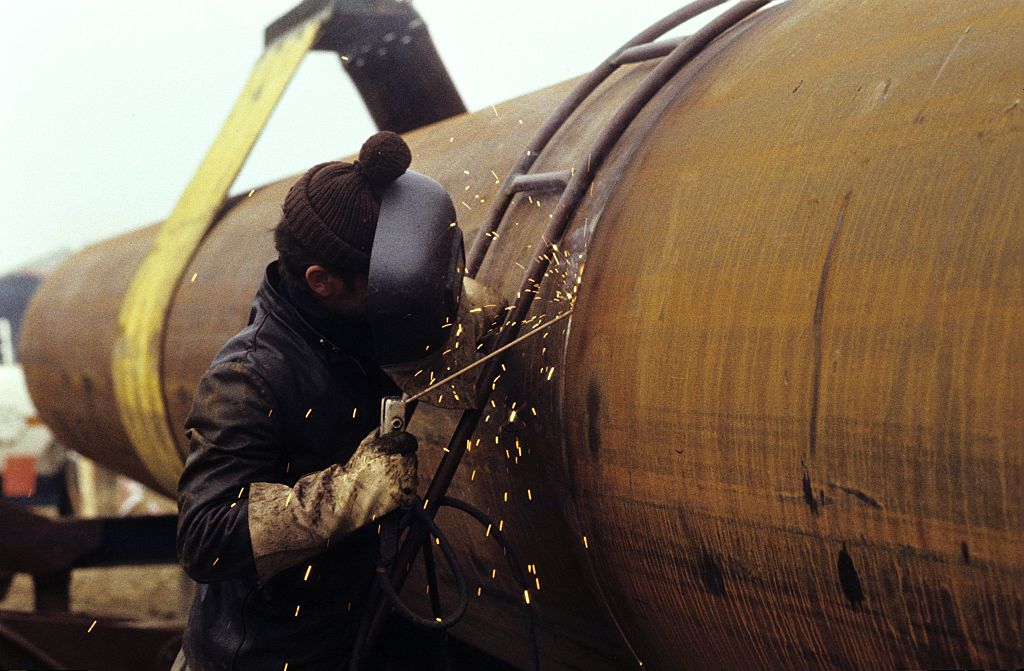
Nord Stream thus marks a turning point. For the first time, critical energy infrastructure in Europe was not damaged by military operations but deliberately destroyed. The signal was clear. Pipelines are no longer neutral supply lines, but legitimate targets.
The second case is less spectacular but politically no less charged. The Druzhba pipeline, which transports Russian oil via Ukraine to Hungary and Slovakia, was damaged in early 2026 during a Russian attack. Operations have been restricted ever since. The real sensitivity, however, lies not in the damage itself but in how it is handled. Budapest and Bratislava accuse Kyiv of delaying repairs and thereby deliberately obstructing oil flows. Ukraine, for its part, points to wartime conditions and technical difficulties. Yet for weeks it has refused independent EU experts access to the site to verify the damage or assist with repairs. That does little to build confidence.
Formally, the situation is complex. Politically, it is clearer. Regardless of the cause, the pipeline becomes an instrument. Hungary uses the incident to exert pressure on Brussels and block new aid packages for Ukraine. Kyiv, meanwhile, signals that energy flows are no longer a given, not even to allies and supporters. The logic therefore shifts. Energy is used not only by Russia as a weapon, but also along transit routes. Whoever controls the valve or delays repairs holds an effective lever of pressure. What is playing out globally in the Strait of Hormuz can be observed in miniature in Europe.
The last route and a new arena of conflict
After the expiry of the transit agreement between Russia and Ukraine in early 2025, the TurkStream pipeline remains the central route for Russian gas to south-eastern Europe. Through it and its extension, Balkan Stream, significant volumes still reach Hungary. That strategic importance makes the line vulnerable. Moscow has repeatedly reported drone attacks on infrastructure around the Blue Stream pipeline and TurkStream. These claims cannot always be independently verified, but they indicate that the pipeline has long been in focus.
The incident in Serbia fits seamlessly into this picture. The explosives were discovered close to a line of central importance to Hungary. Budapest’s immediate military security measures underline how seriously the situation is assessed. The question of responsibility remains. Orban’s government sees Ukraine as the culprit, while the opposition speaks of a possible staging shortly before the election. A former intelligence officer even reported discussions about a fabricated operation.
Such counter-arguments are politically predictable. They do not alter the broader development. Even if individual incidents were staged, it would still confirm the central point. Energy infrastructure has become the theatre of political operations. Europe finds itself in a paradoxical situation. On the one hand, the EU aims to end imports of Russian energy. On the other, parts of the continent remain dependent on them. This transitional phase creates vulnerability.
Pipelines such as TurkStream are therefore neuralgic points. They are not only difficult to protect technically, but politically charged. Every incident is immediately embedded in larger narratives: sabotage, counter-attack, propaganda. The Serbian case shows how closely security policy, energy supply and domestic politics are now intertwined. A few backpacks filled with explosives are enough to put a government on alert and dominate an election.
The series of incidents – from Nord Stream through Druzhba to TurkStream – reveals a development long underestimated. Energy is no longer merely an economic foundation, but a strategic instrument in a conflict that extends far beyond Ukraine. The number of cases is growing. And they follow a pattern.