
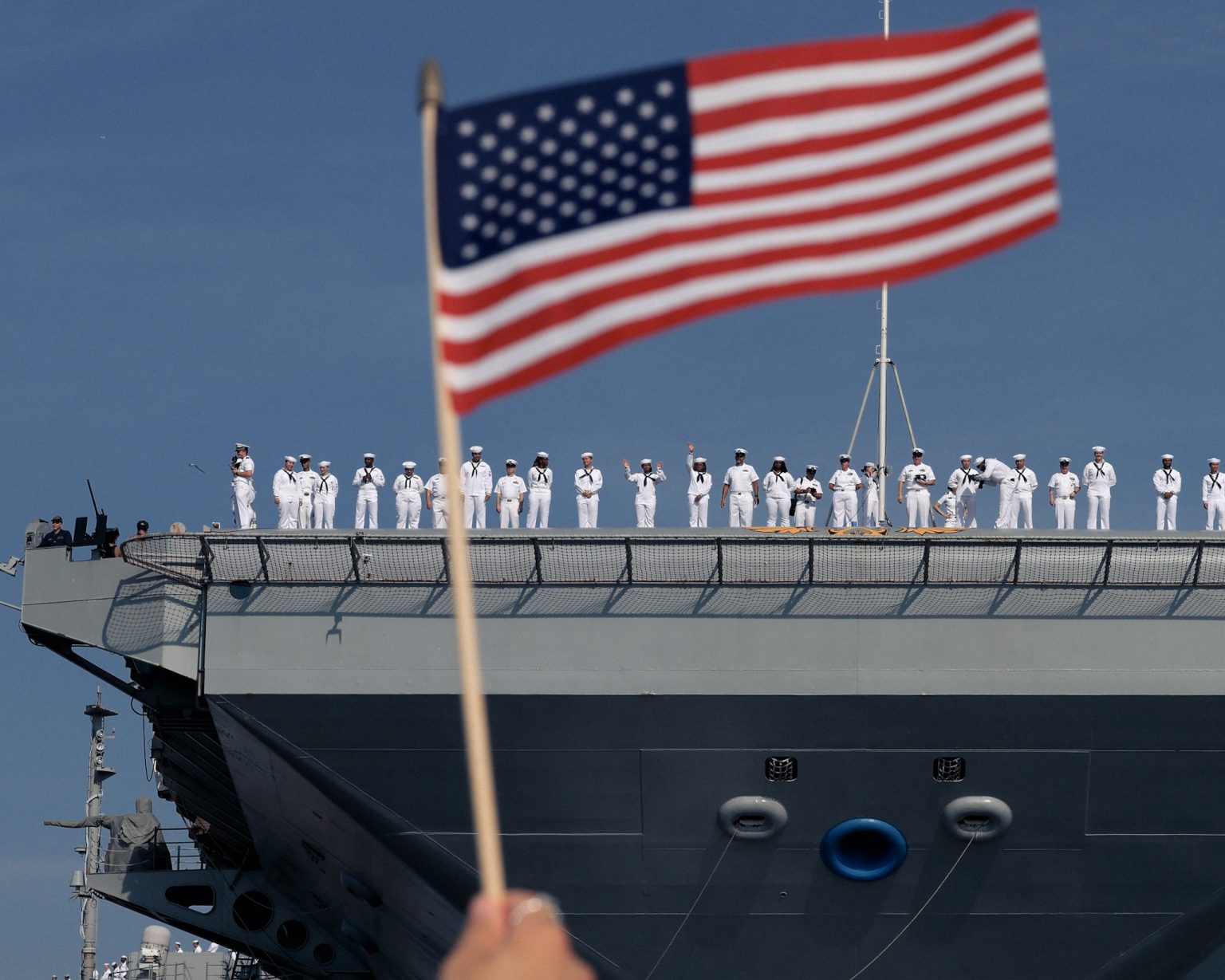
After weekend talks in Pakistan, US and Iranian delegations parted without any tangible result. The failure was rooted mainly in the contentious issue of Iran’s nuclear program.
According to US Vice-President JD Vance, Iran has decided to reject the US condition that it will not develop nuclear weapons.
However, the negotiations were not confined to the rejection of weapons of mass destruction but extended to Iran’s overall nuclear program, which Trump wants to cripple to the point where even the potential to produce them is eliminated.
According to Axios, the United States has offered Iran a 20-year deferral on uranium enrichment and the removal of all highly enriched material from the country. Iran is estimated to possess about 400 kg of enriched uranium, enough to produce roughly 10 bombs.
Tehran has reportedly responded by proposing a moratorium of a few years and the monitored dilution of these stocks into low-enriched uranium.
Iran has long denied any intention of developing nuclear weapons. The country cites a religious decree, or fatwa, prohibiting the production of weapons of mass destruction. It was issued orally by the country’s former supreme spiritual leader, Ali Khamenei, who was killed by Israel and the US in the first hours of the war.
This was reflected in remarks by Iran’s parliament speaker during the weekend talks with the US. Mohammad-Bagher Ghalibaf said that the Iranian side had entered the negotiations “with the necessary good faith and will” and had proposed “forward-looking initiatives”. However, he added that “the opposing side ultimately failed to gain the trust of the Iranian delegation in this round of negotiations”.
It is therefore hardly surprising that Iran does not want to relinquish its deterrent potential entirely.
Hormuz During the Ceasefire
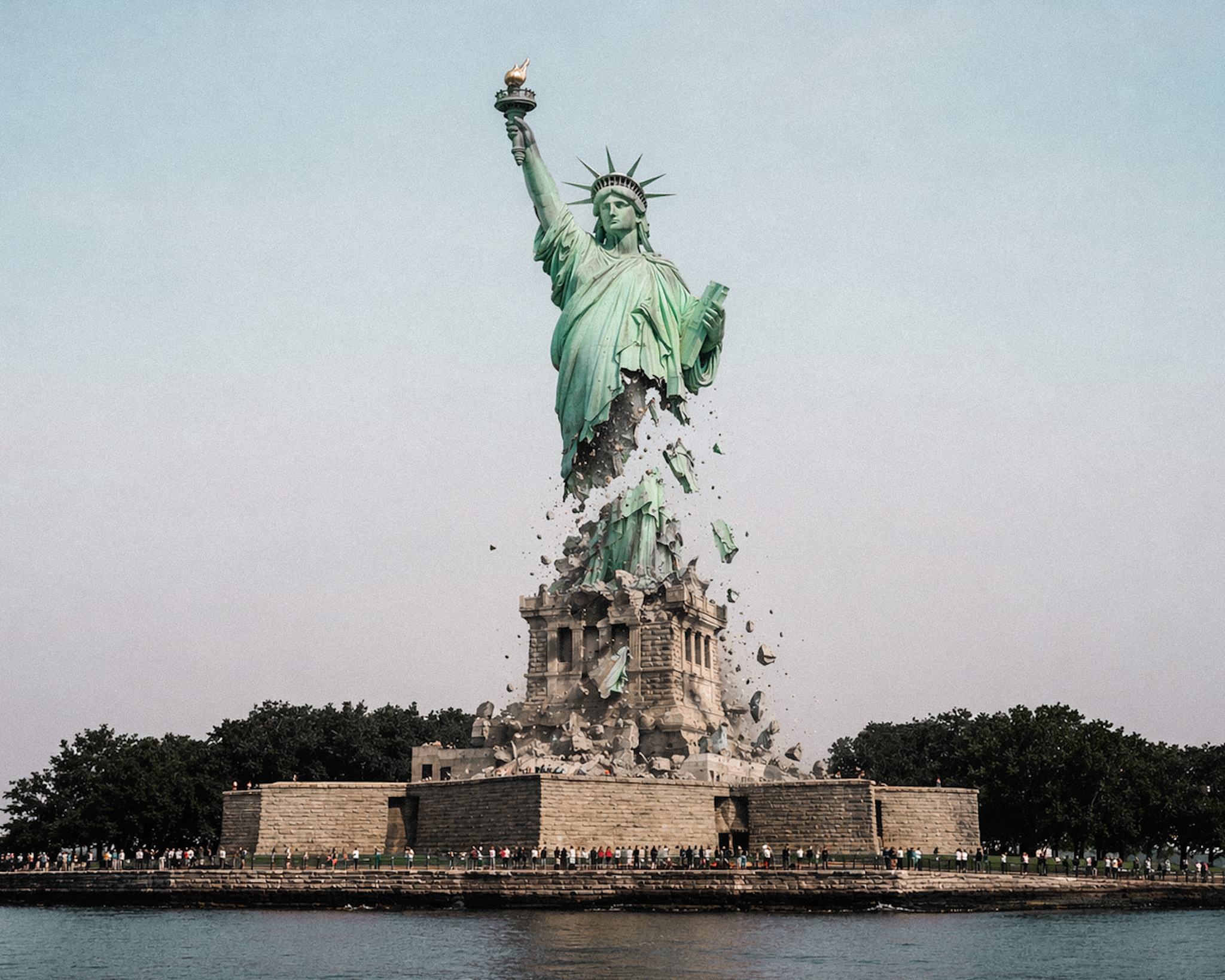
A similar logic applies to the Strait of Hormuz. Iran had promised the United States that it would allow commercial vessels safe passage during the two-week ceasefire. In practice, it has been slow to honor that commitment.
In the first days after the ceasefire, traffic through the strait remained no higher than during the war. Even after a week of calm, volumes are still far below normal peacetime levels.
Even during the ceasefire, Tehran has therefore retained its most powerful leverage over Washington, angering the US president. Tensions were further inflamed by demands that all ships pay $2m each to the Iranian treasury for safe passage during the ceasefire and any subsequent peace.
Trump has responded to what he described as Iran’s “extortion”, opting for a blockade. Over the weekend, he also said that the United States would screen all vessels that had passed through the strait after paying transit fees to Iran.
Iran’s Hormuz Windfall
Although Trump’s initial description of the blockade in a post on Truth Social was brief, the strategy is clear. He aims to dismantle Iran’s most lucrative advantage, created by restricting roughly a fifth of the world’s oil from reaching the market while continuing to export its own crude, particularly to China, at elevated prices.
Estimates suggest that Iran’s oil exports have not declined since the start of the war, remaining between 1.5m and 1.8m barrels per day, alongside shipments of refined products. Oil prices have been highly volatile, but since the outbreak of the conflict they have remained broadly at least half above pre-war levels. While benchmark prices reflect paper markets, reports indicate that physical supplies have traded for as much as $150 per barrel. Iran has therefore generated substantial revenue over the past month.
The US blockade began on Monday 13 April and, in terms of capacity, should not present a major challenge for the US Navy, which has recent experience of similar operations off Venezuela and Cuba.
There is also a clear strategic and economic rationale.
Czech economist Lukas Kovanda argues that an asymmetric situation could become more symmetric, giving the US greater leverage over Iran. He also notes that restricting Iranian oil supplies, particularly to China, could increase diplomatic pressure on Tehran to reopen Hormuz.
The Price of the Blockade
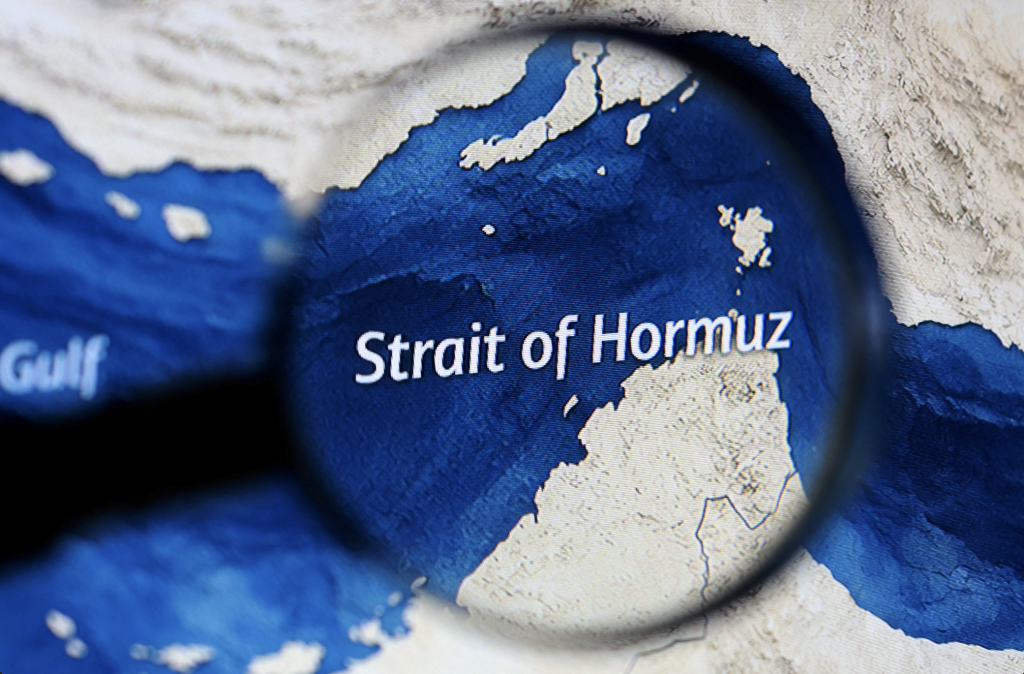
The central problem for Trump is that oil remains his greatest vulnerability. The less oil reaches the market, the worse the consequences for him.
Because of the US blockade, a further two million barrels per day could be removed from global supply, driving prices higher.
It can be argued that if Iran is already restricting close to 20% of global oil flows through Hormuz, the loss of its own roughly two per cent share would be marginal.
However, those figures are misleading.
Although about a fifth of global oil flows passed through the strait before the war, several Gulf states have alternative export routes.
Saudi Arabia, for example, operates an East-West pipeline to the Red Sea with a capacity of seven million barrels per day, roughly two-thirds of its exports. The United Arab Emirates can also bypass the strait and route a larger share of its output directly to market.
In practice, Iran is not currently blocking all Gulf oil in Hormuz. The effective disruption is likely closer to 10%–15% of global supply. That still represents a significant shortfall, but it also makes any reduction in Iranian exports far more consequential.
Gulf states also fear that Tehran could retaliate by attempting to disrupt another critical chokepoint, the Bab al-Mandab Strait, which connects the Red Sea to the Indian Ocean.
This route is essential for Saudi Arabia’s ability to redirect millions of barrels to global markets. According to the Wall Street Journal, officials in the kingdom are lobbying Trump to abandon the blockade.
Most importantly, higher oil prices feed directly into inflation across economies. Rising fuel and utility costs can influence US voters, a dynamic Trump understands well, having benefited from it during his return to the White House.
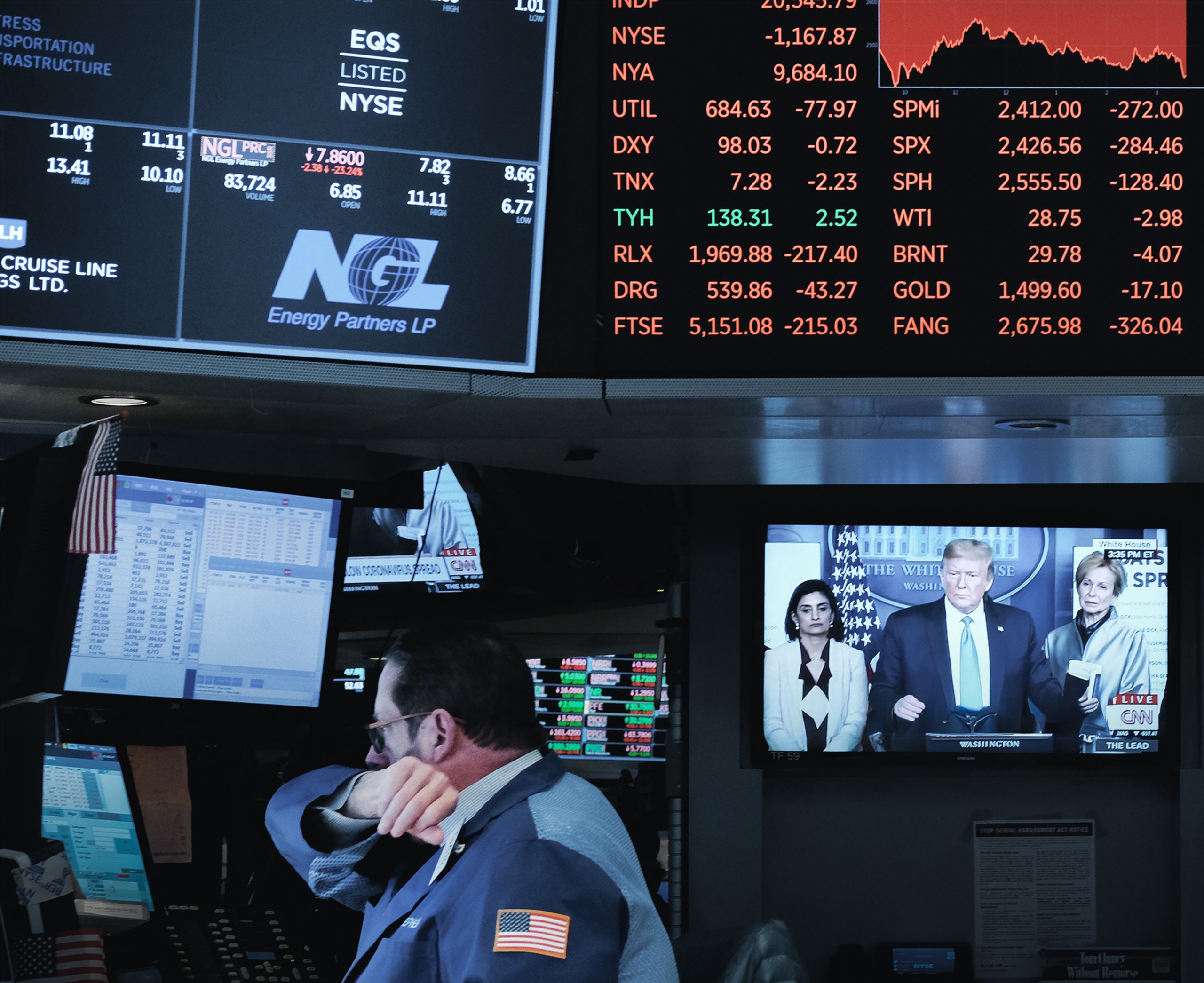
Financial markets are also reacting. The timing of the ceasefire followed a sharp rise in US bond yields. A similar retreat occurred a year earlier, when both equity and bond markets declined after the announcement of the trade war.
It remains unclear whose position will weaken first. The Economist notes that while cutting off oil revenue would damage Iran, the country has previously survived near-total export losses in 2018 and, following a strong final month, may be able to withstand up to six months of US pressure.
Whether Donald Trump has that much time is another question.