
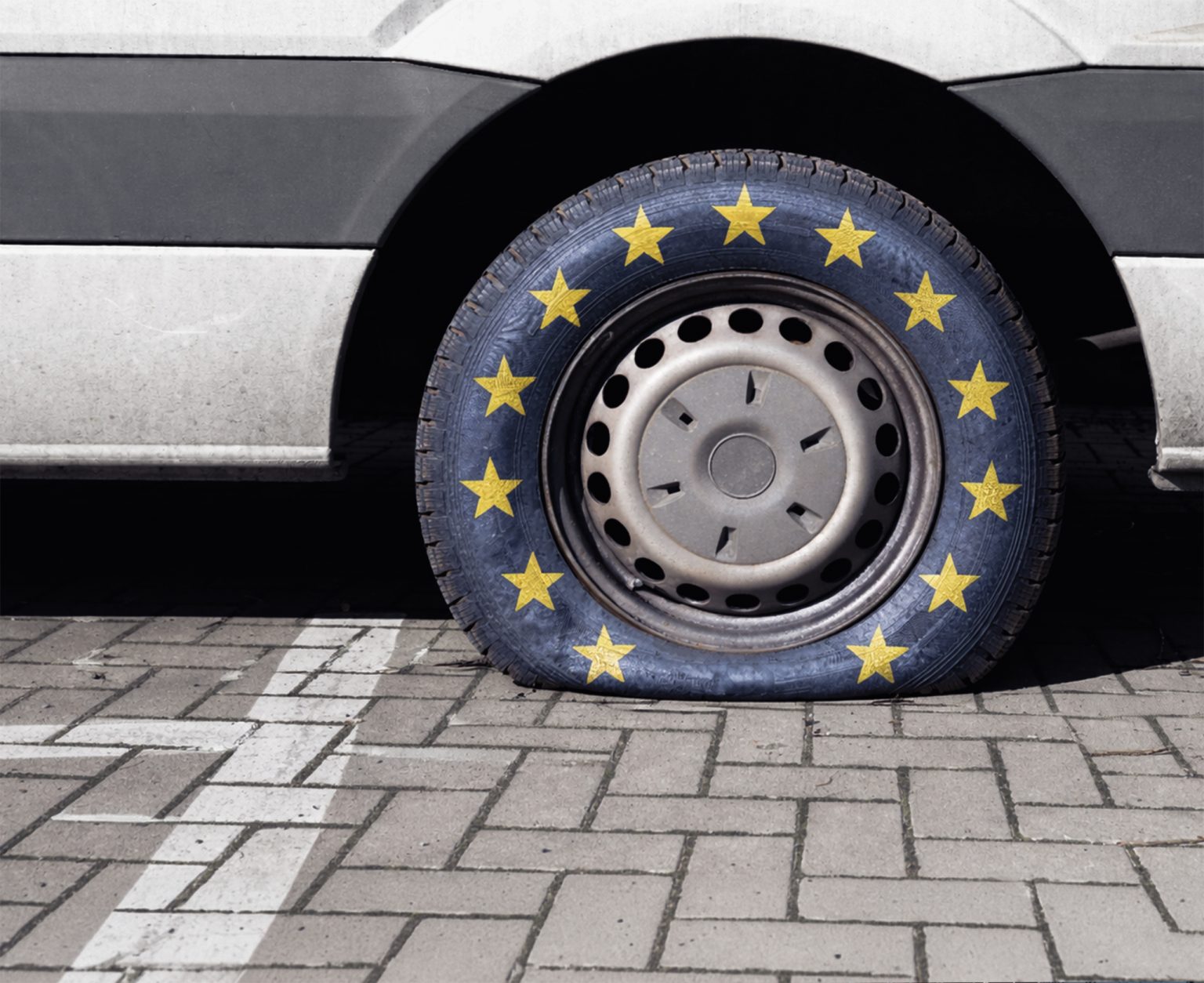
There is no sense of panic in Europe yet over the war in Iran. That may seem reassuring, but public sentiment appears strikingly out of step with the scale of the crisis now approaching the continent.
A fragile ceasefire and ongoing negotiations have offered some hope. Yet the reality remains that the Strait of Hormuz – a vital route through which around one-fifth of global oil, liquefied gas and numerous other raw materials pass – is now largely blocked to shipping.
The immediate impact goes beyond higher fuel prices and, in time, rising household energy bills. Industry is already feeling the strain, including the automotive sector, one of the key pillars of the European economy.
Petrochemicals Under Pressure
The problem extends beyond energy. A deeper disruption is emerging in the petrochemical sector. Because most plastics are derived from oil, supply constraints are now spreading across this market as well.
In 2025, a significant share of global polyethylene and polypropylene supply came from the Middle East.
"Anyone who imports from the Middle East, which is pretty much everyone in the rest of the world to a certain extent, has lost a large supplier and is having to scramble to find replacement resin at extraordinarily higher prices", Reuters quotes analyst Joel Morales of OPIS as saying.
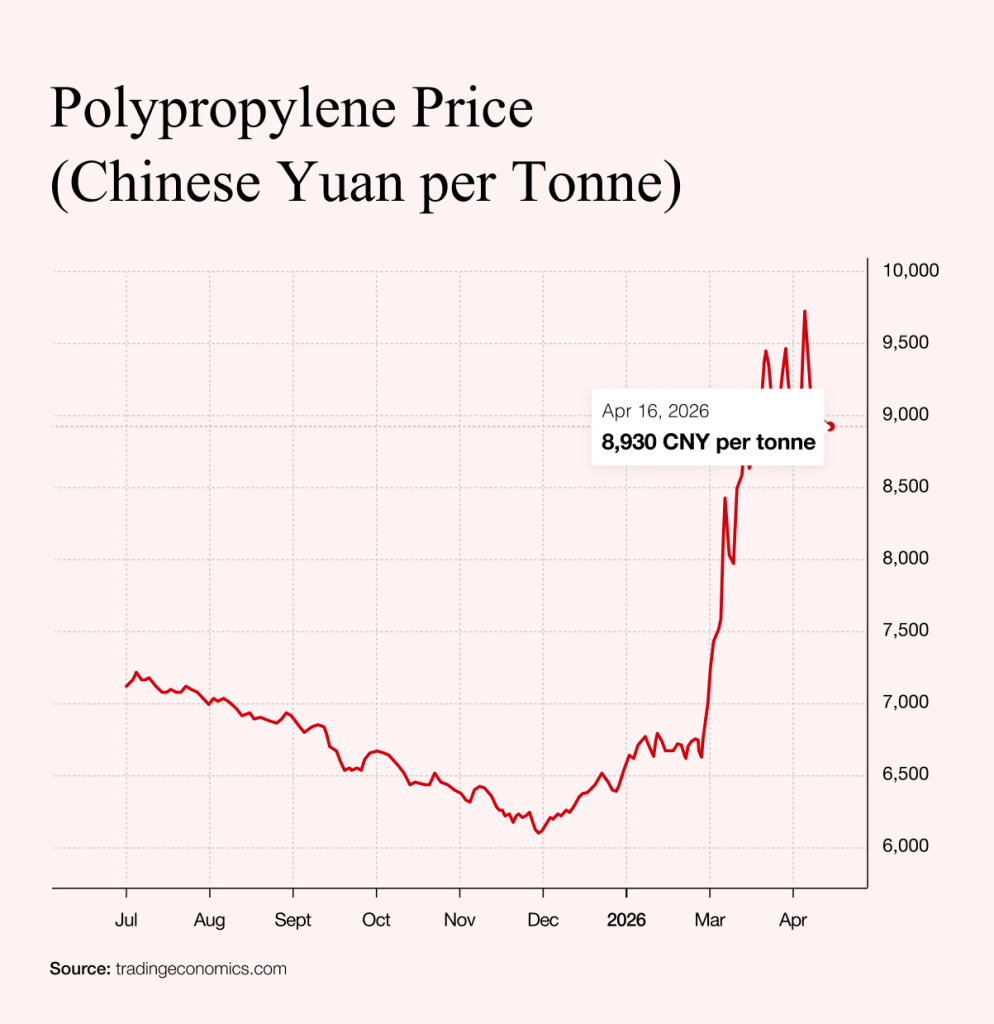
The reduced supply has quickly fed through into prices. Since the outbreak of the conflict, polypropylene, polyethylene and other plastics have risen by between 25% and 40%, depending on the type. The trend has closely tracked movements in oil prices.
According to Reuters, European plastics producers, heavily dependent on Middle Eastern feedstock, are now facing higher input costs and temporarily squeezed margins, as many sales contracts were agreed in advance.
Over time, however, those cost increases are likely to be passed on to customers, including carmakers. Modern vehicles rely heavily on plastic components, particularly in interiors.
“I see the risks as much higher than during the pandemic crisis. Many companies in the automotive industry are already on the edge of profitability, and margins are thin. We will have to pass on the price increases to our customers”, Robert Zaboj, a division head at Koh-i-noor, told e15. The company supplies firms such as Bosch and Continental, which in turn supply Volkswagen and Stellantis.
Pricing Power Under Strain
For European carmakers, raising prices is not straightforward. In recent years, an increasing number of Chinese models have entered the market, offering lower prices for consumers but intensifying pressure on domestic manufacturers. At the same time, EU policy is pushing the industry away from combustion engines, where European firms have long held an advantage, towards electric vehicles, a segment dominated by China.
Concerns over competitiveness have been building for years. Even before the conflict in Iran, European carmakers faced significantly higher energy costs than their counterparts in the United States and China. For weaker players, the next shock could prove decisive.
There is, however, one limited mitigating factor. Unlike the fallout from the war in Ukraine and the subsequent energy shift away from Russia, the current crisis in the Middle East is affecting manufacturers in both Europe and Asia. The burden is therefore more evenly shared.
For consumers, that may offer little comfort. If input costs continue to rise, car prices in Europe are likely to increase for most brands.