
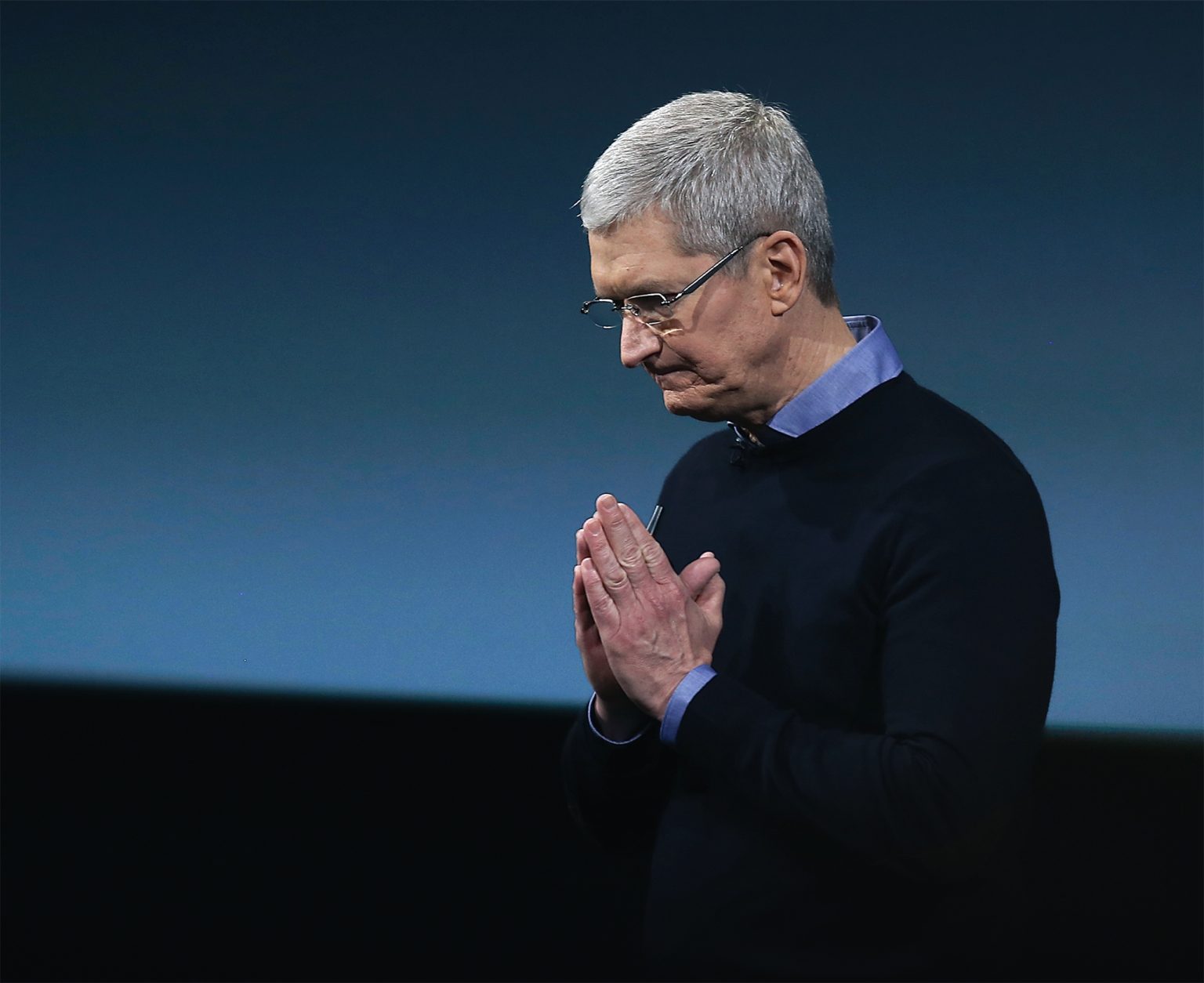
When Tim Cook leaves the chief executive’s chair at Apple, more than a long tenure comes to an end. It marks the close of a chapter that turned the company from an innovative device maker into a global value engine. Cook did not reinvent Apple, but he perfected what Steve Jobs left behind.
Cook has led the company since 2011. Over that period, its market value climbed to around $4tn. Few executives have managed to expand an existing product universe so consistently while optimizing it commercially. The iPhone remained the core, yet an ecosystem grew around it that binds billions of users and reliably generates revenue.
Cook was never the visionary in a black turtleneck. He was the operational architect, the one who stabilized supply chains, absorbed political risk and steered Apple through trade conflicts, the pandemic and geopolitical tensions. While other companies faltered, Apple kept delivering. Precise, predictable and profitable.

The Engineer Takes Over
With John Ternus, a different type now moves to the top. Not a logistics specialist, but an engineer. Someone who builds products rather than merely refining processes. He has spent a quarter of a century at the company. He understands the hardware from the ground up, having worked on the iPad, Mac and AirPods, and most recently oversaw the entire product portfolio. Internally, he had long been seen as the leading candidate for the role.
His appointment sends a signal. Apple is returning to engineering, back to substance. After years in which efficiency and scale dominated, the central question once again centres on what lies ahead.
That shift is not without risk. In the key strategic field of artificial intelligence, Apple is widely seen as a laggard. While competitors are investing billions in data centers and proprietary models, Apple has leaned more heavily on its platform. Access to more than two billion devices runs through Apple and comes at a price.
An Open Question About the Future
The real challenge begins now. Apple is vast, highly profitable and yet exposed. The last truly disruptive breakthrough lies years in the past.
AirPods and Apple Watch are successful products, but not revolutions. The Vision Pro headset fell short of expectations, and an ambitious car project was abandoned after billions in investment. The charge that Apple has lost some of its creative force is not new, but under Ternus it becomes the central benchmark.
His most significant achievement to date offers a clue to what may follow. The shift away from Intel processors to in-house chips was a major technological undertaking that not only improved device efficiency but also deepened control over the value chain.
That may well hold the key to the future. Apple is unlikely to try to replicate the major artificial intelligence providers directly. Instead, the company is likely to do what it does best: control technology, integrate it and embed it in a closed system that works seamlessly for users while maximizing returns.
Cook leaves behind a finely balanced system. Ternus must show that it can generate momentum once more. In an industry that is reshaping itself, stability is no longer enough. Direction now matters again.