
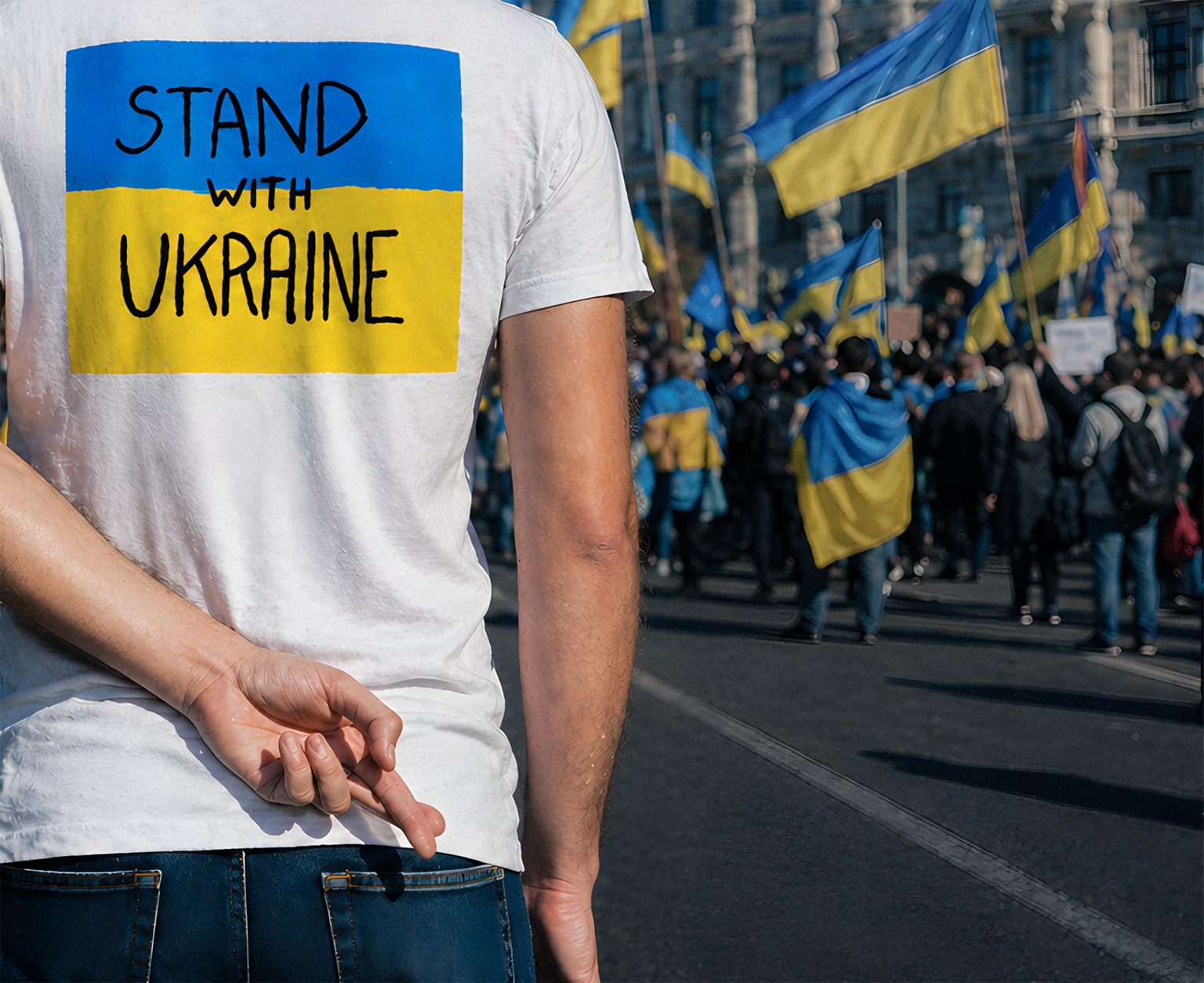
Kyiv applied for European Union membership on 28 February 2022, just days after Russia launched its full-scale invasion. More than four years later, member state leaders remain divided on how quickly Ukraine should be allowed to join.
“For there to be real peace in Europe and for Russia to be stopped, there must be dignity for Ukraine and fair conditions for the country. Across all key areas of security: sovereignty, territorial integrity, security guarantees, EU accession and the real reconstruction of our country after the war”, Ukrainian President Volodymyr Zelensky said on 27 April.
Scepticism Remains
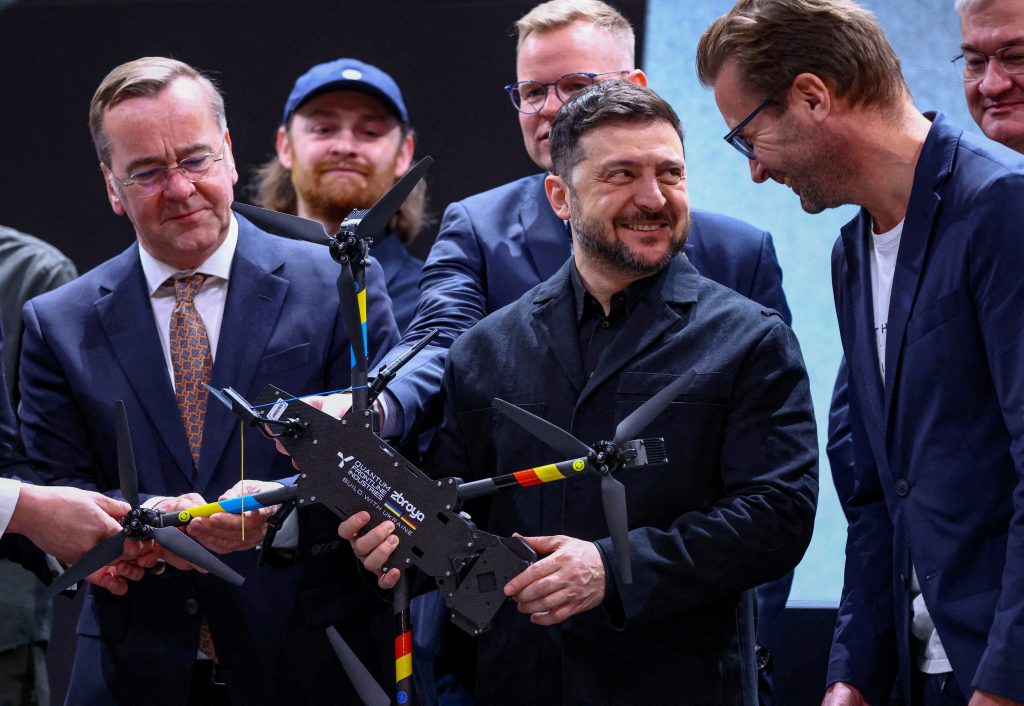
Ahead of the fourth anniversary of the invasion, Zelensky urged Brussels to set a target date for accession, suggesting 2027. Ukraine is not alone in the queue. Moldova and the Western Balkans are also waiting to join.
Austria’s Minister for Europe, Integration and Family Affairs, Claudia Bauer, told the Financial Times in late February 2026 that such a timeline is “not only ambitious but also unrealistic”. She added that the Union has “clear rules and conditions under which a country can become a member of the EU, and these apply to everyone”.
She pointed to Montenegro, which applied in 2012 and is expected to join in 2028. Croatian Prime Minister Andrej Plenkovic made a similar point, noting that his country’s accession process took six years.
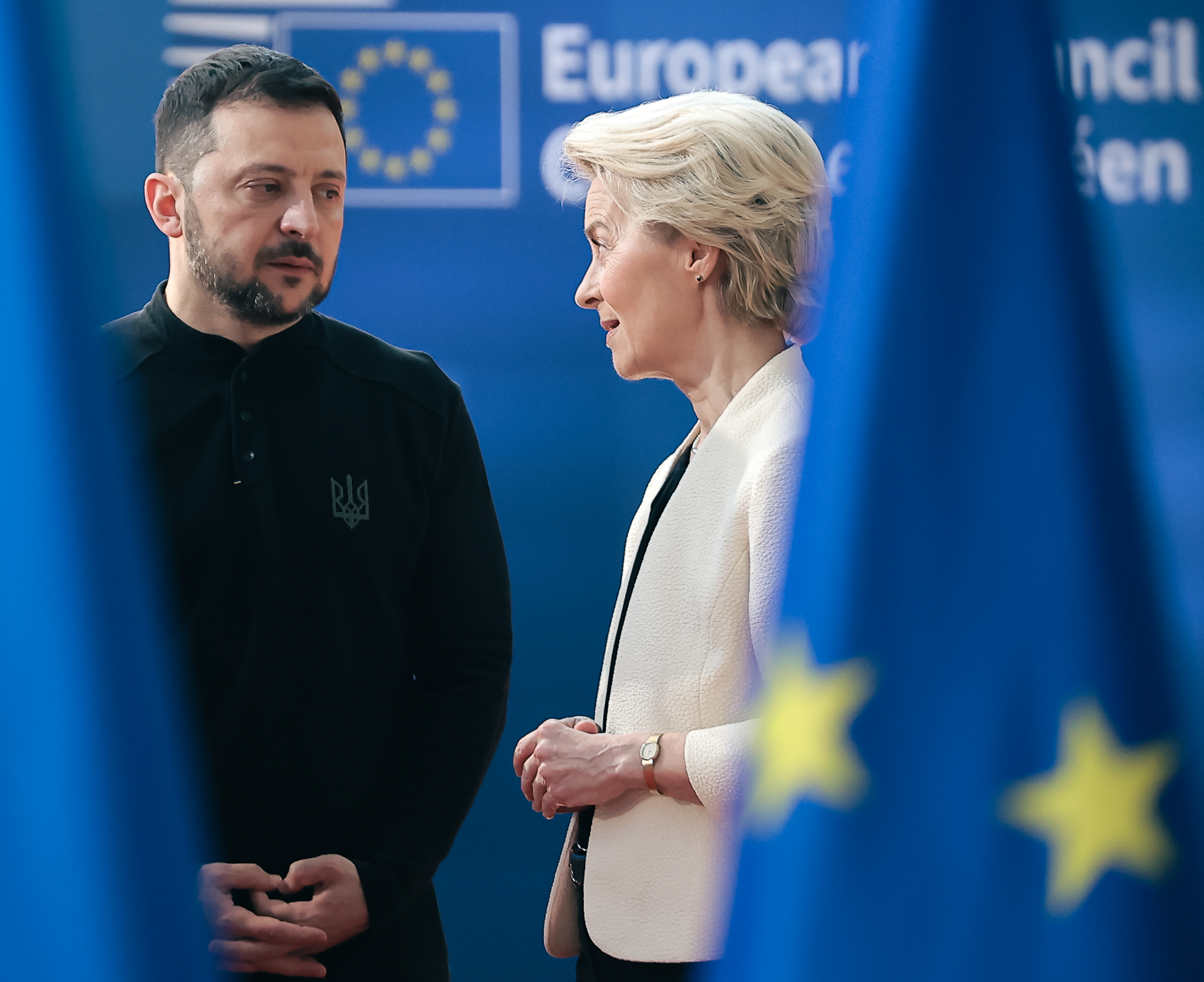
European Commission President Ursula von der Leyen said she “understands very well” Kyiv’s desire for clarity, but stressed that no date can be set for now. EU foreign policy chief Kaja Kallas noted that member states are not ready to give a concrete timetable and that the accession process applies equally to all countries.
Shortly after his election victory, Hungary’s incoming Prime Minister Peter Magyar said he does not support fast-tracking Ukraine’s entry and expects the process to take at least 10 years. The ongoing war, he noted, remains a key obstacle. He added that several European leaders share that assessment.
Slovak Prime Minister Robert Fico supports accession only if all conditions are met and has repeatedly linked Slovakia’s position to the smooth transit of Russian energy through Ukraine.
German Chancellor Friedrich Merz has likewise ruled out membership within the next two years and has not excluded the possibility that Kyiv may have to cede part of its territory to the aggressor as part of any settlement.
He also stressed the need to tackle corruption, which he said remains widespread and affects the country’s defense, alongside strengthening the rule of law and other reforms.
“Russia wants our territory so that it can seize the territories of others as well. If it succeeds with one country, with one neighbour, it will do the same with others. This is how Russia has proceeded: parts of Moldova, parts of Georgia, the annexation of Crimea, the occupation of Donetsk and the subjugation of Belarus. Then came the full-scale war against Ukraine”, Zelensky said, adding that Ukraine’s candidacy must be judged in light of its role in defending Europe.

Support for Kyiv
Among the strongest advocates of Ukraine’s accession are Poland and the Baltic states of Lithuania, Latvia and Estonia. Even they, however, do not call for immediate membership without meeting the required conditions. In the Baltic capitals, 2030 is often cited as a possible timeframe.
At a summit in Cyprus on 23 April, French President Emmanuel Macron asked the European Commission to present Kyiv with a “precise timetable” for accession in the coming weeks. Like other leaders, however, he ruled out immediate approval, while leaving open the prospect of closer cooperation or a form of symbolic membership.
Zelensky rejected both ideas. “Ukraine is defending itself and, of course, defending Europe. And it is defending Europe not symbolically, but in reality”, he said, adding that Ukrainians are dying in the war and that “we are defending shared European values”.
Rising Nationalism
“European values” carry different meanings in Brussels, in Kyiv and among Ukraine’s growing nationalist groups and frontline units.
Ukrainian and pro-Ukrainian nationalists often criticize both the European Union and the North Atlantic Treaty Organization (NATO), accusing them of ideological weakness and of promoting ideas that, in their view, undermine the armed forces. They point in particular to migration policy, diversity initiatives and restrictions on domestic nationalism within EU militaries.
“The further bureaucratisation of the Armed Forces, the introduction of hundreds of so-called ‘gender advisers’ and the creation of this position at the highest level in the General Staff with unclear powers are justified by the need for integration into the EU and NATO. In reality, however, this indicates the systematic promotion of ‘gender ideology’ across all spheres of life, including the military, in the midst of a full-scale war for the very existence of the Ukrainian nation”, Right Sector wrote in March 2025.
Major Dmytro Kucharchuk, deputy commander of the 3rd Army Corps, expressed a similar view. He described Russia as only one of three threats facing Ukraine.
Alongside Russia, which he said is engaged in a life-and-death struggle with Ukraine, he identified what he called a left-liberal threat and a threat linked to Islam. According to him, both are connected to mass immigration from Africa and Asia and to an agenda associated with the EU.
More broadly, nationalist voices in Ukraine, whose influence has grown since 2014 and especially since February 2022 despite heavy losses on the front line, have largely written off the prospect of EU membership.
The question remains what role they will play in a post-war Ukraine. One prominent figure is Brigadier General Andriy Biletsky, founder and former commander of Azov and now commander of the 3rd Army Corps, who has past links to far-right movements and is nonetheless among the more trusted military commanders in Ukraine.
Polls suggest that around 70% of Ukrainians support EU membership, making the issue likely to feature prominently in future presidential elections. At the same time, not all countries have joined the EU through a referendum, and Kyiv has yet to outline any such plan.
Brussels opened accession negotiations with Ukraine on 25 June 2024, and in September 2025 assessed the country’s readiness for membership.
The path ahead remains difficult, requiring reforms to curb corruption, build institutions and align with the Union’s framework. While the war continues, membership remains effectively out of reach.