
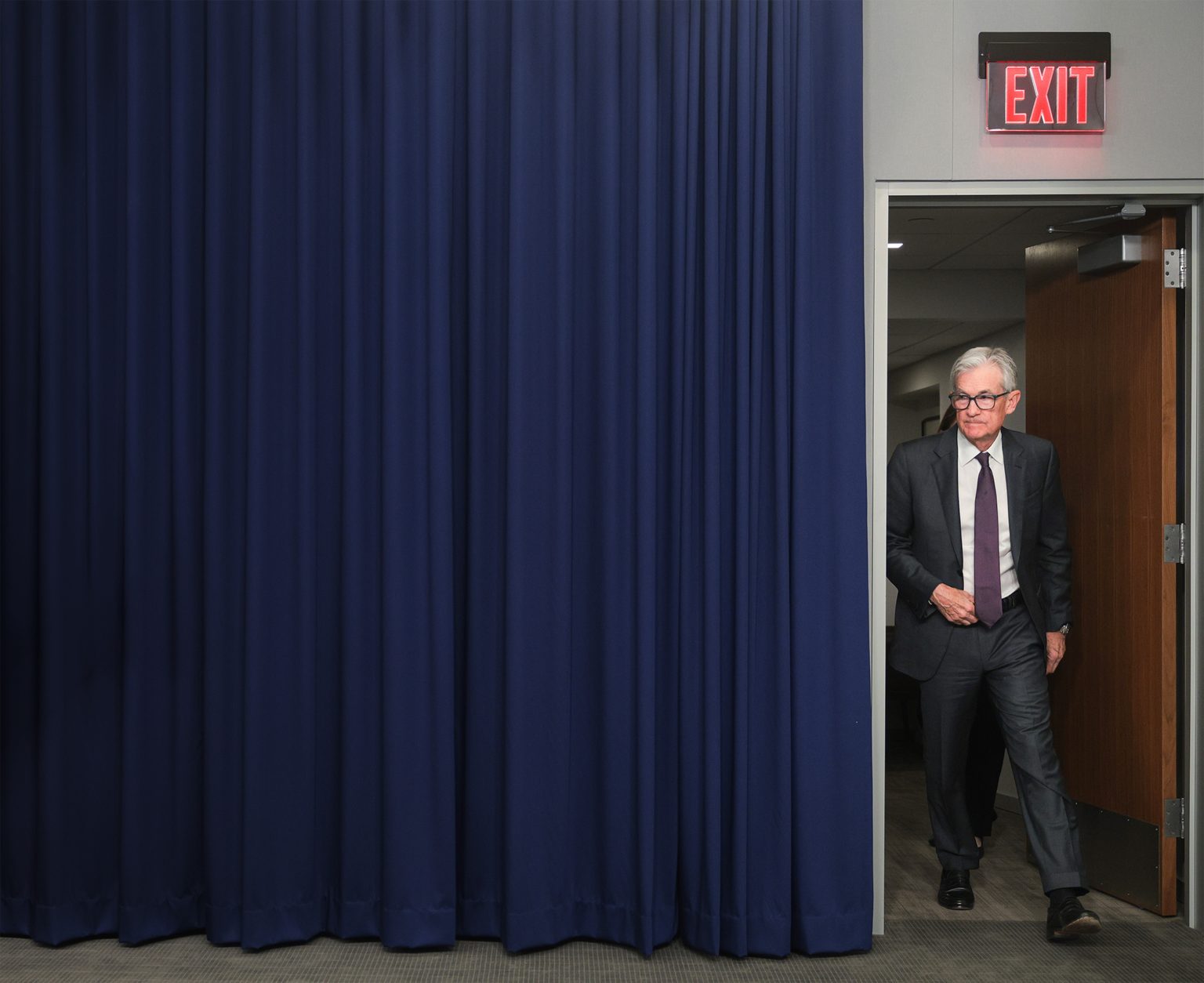
On this week’s US central bank agenda were the latest rate decision and likely the final press conference of outgoing Federal Reserve Chair Jerome Powell.
Interest rates remained unchanged, as expected. The real surprises, however, came elsewhere, from divisions within the central bank, Powell’s decision to remain at the Fed and Donald Trump’s subsequent reaction.
Rates Are Unlikely to Fall
Powell stressed that tensions in the Middle East were generating significant inflationary pressure and uncertainty. The Fed expects personal consumption expenditures (PCE) inflation to reach 3.5% in March. With the inflation target still at 2%, the implication is clear. The Fed is unlikely to cut rates anytime soon and may eventually need to acknowledge a debate about raising them.
This brings us to the first key development of Wednesday evening. Despite the inflation backdrop, the Fed’s statement and Powell’s press conference struck a dovish tone. Powell described the current stance as “appropriate”, and even rising inflation has not prompted the Fed to signal a shift toward higher rates.
The contrast with the Bank of Japan is notable. While it also left rates unchanged at its most recent meeting, a six-to-three vote represents a strongly hawkish signal by Japanese standards. This was reflected in its rhetoric. If inflation continues to rise, rates must follow. No comparable signal has yet emerged from the Fed.
At the same time, an unusual split has appeared within the US central bank. Three regional Fed presidents, Beth Hammack of Cleveland, Neel Kashkari of Minneapolis and Lorie Logan of Dallas, publicly expressed disagreement with the wording of the official statement, which was meant to reflect a unified position after the two-day meeting.
The dispute was not about the decision to hold rates, which they all supported. Rather, they objected to language that continued to suggest a rate cut was more likely than an increase.

Powell’s Unusual Move
This disagreement does not amount to a rebellion against Powell, but it does send a signal to incoming governor Kevin Warsh. While Trump’s nominee has denied he would simply execute the president’s wishes, he is also known to favor lower rates. For completeness, it is worth noting that Trump ally Stephen Miran was the only member to vote for a rate cut despite rising inflation.
The next Fed meetings are therefore likely to be tense, not only because of policy differences but also because Powell will remain at the table.
In doing so, Powell has broken a 75-year unwritten tradition whereby a Fed chair leaves the central bank upon handing over the role. This complicates matters for the US president, who will not be able to install his preferred candidate in a vacant seat.
Trump responded with derision, claiming Powell had stayed on because he could not find another job.
These tensions come at a time when US light crude oil has again reached $110 per barrel and the yield on 30-year US Treasury bonds has surpassed 5%, a level widely seen as a critical threshold for public finances. The Fed, once a source of stability and predictability, may instead become a key driver of uncertainty for the US economy in the months ahead.

Tech Giants Ride the AI Wave
Markets were not focused solely on the Fed. Shortly after the meeting, and following the close of trading, four members of the Magnificent Seven reported earnings. Their results were expected to show whether the artificial intelligence boom could outweigh a deteriorating macroeconomic backdrop.
So far, markets appear to think so. Financial markets quickly shrugged off tensions with Iran, even as the Strait of Hormuz remains effectively closed. Massive investment in artificial intelligence and the promise of future profits continue to underpin investor sentiment.
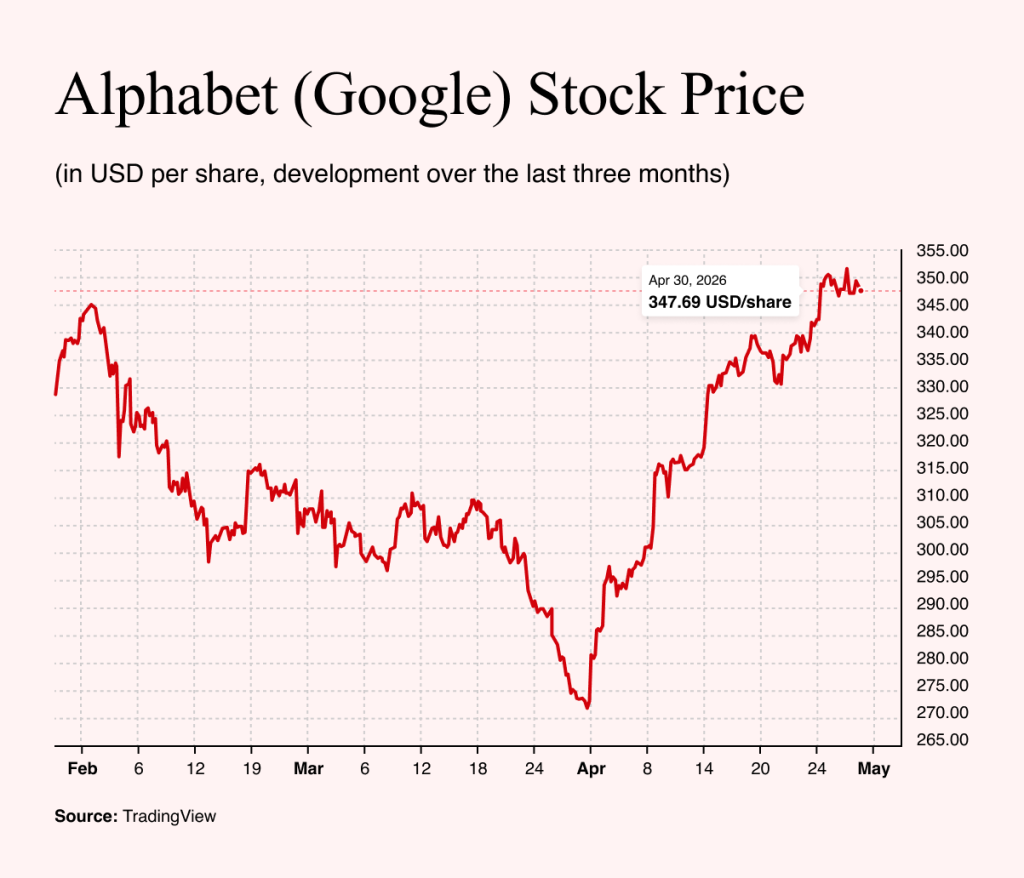
Alphabet delivered the strongest performance among the four. It comfortably beat expectations on both revenue and profit and, crucially, demonstrated that AI investments are translating into cloud growth. Google Cloud revenue rose 63%, while its backlog nearly doubled to $462bn. Investors also overlooked capital expenditure of nearly $36bn.
Amazon produced the second strongest report. It also exceeded expectations, but highlighted the cost of the AI race. Amazon Web Services accelerated growth to 28%, yet spending on property and equipment reached $44.2bn, while free cash flow fell 95% over the past 12 months. The stock initially declined, only to recover after the company announced more than $225bn in revenue commitments tied to its Trainium chip.
Microsoft also surpassed forecasts. Revenue reached $82.9bn, earnings per share came in at $4.27 and its Azure cloud platform grew 40%. Guidance remained strong, with Azure expected to expand by 39%-40% in the next quarter.
Yet the same structural challenge persists. Capital expenditure rose 49% to $31.9bn, while free cash flow declined 22% to $15.8bn. Microsoft also expects to spend around $190bn on capital expenditure this year, well above Wall Street projections. One positive signal is that its AI assistant, 365 Copilot, has surpassed 20 million paid licenses.
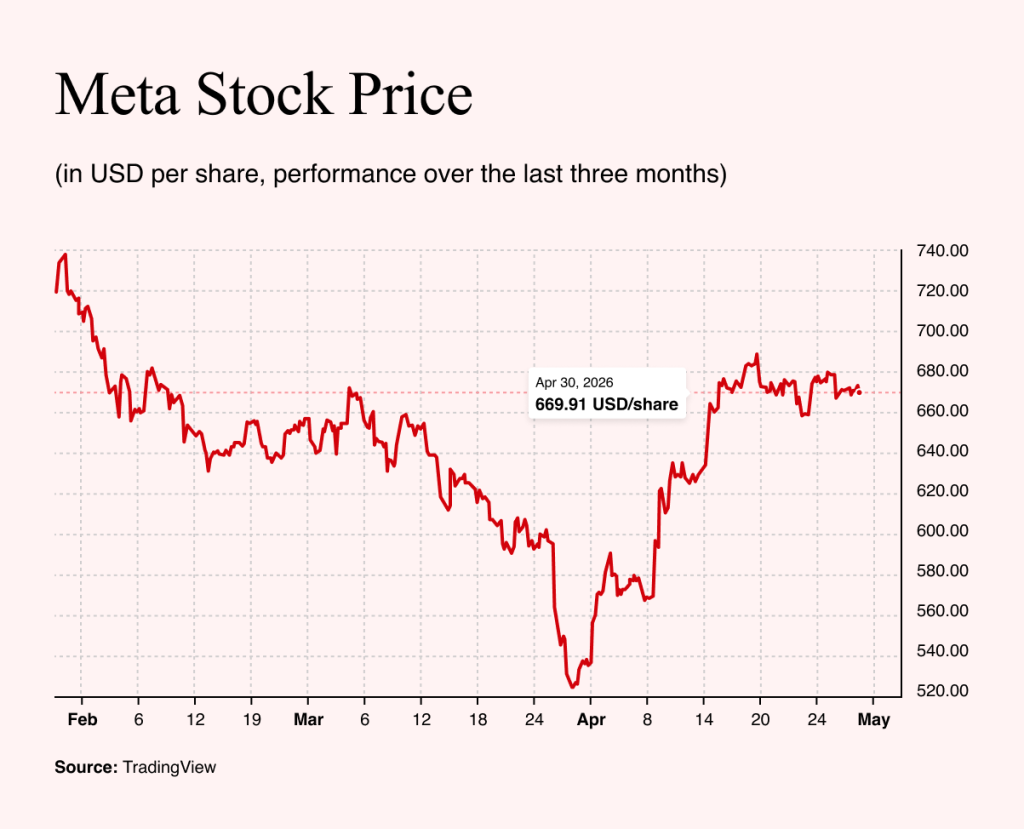
Meta faced the most negative market reaction, despite strong results. Revenue rose 33% to $56.3bn and earnings per share reached $10.44, far exceeding expectations of $6.67.
Its advertising business remains robust. User numbers grew just 4%, but Meta delivered 19% more ads while increasing prices by 12%, indicating that AI-driven targeting is already producing tangible gains.
Investors, however, focused on the cost of sustaining that growth. Meta raised planned capital expenditure by $10bn to $135bn and suspended its share buyback during the quarter. Its stock fell 6% following the results.
A Costly Bet on the Future
The broader picture is clear. The AI boom continues to support markets, but at an increasingly high cost. Alphabet offers the strongest evidence of returns so far, while Amazon and Microsoft are effectively purchasing future growth through massive investment. Meta, meanwhile, shows how quickly even a highly profitable advertising model can come under pressure from rising costs.
Investors still believe in the AI story. They are simply beginning to calculate more carefully what that belief will ultimately cost.