
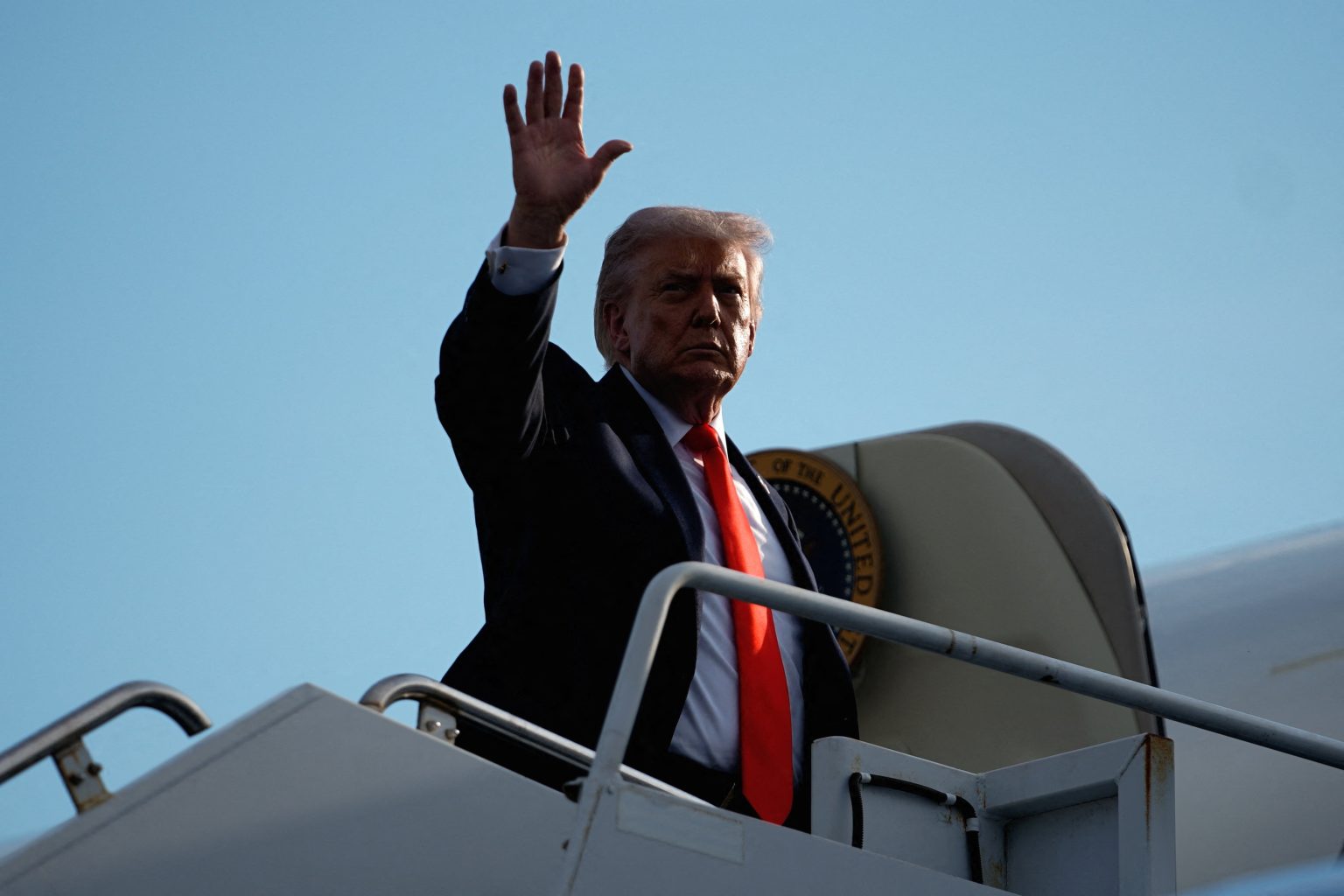
More than two months after the war with Iran began, with no decisive military or diplomatic breakthrough, Trump faces the risk of a stalemate that could drag on indefinitely. The outcome could prove a greater problem for the United States and the wider world than the pre-war crisis itself.
Both sides claim the upper hand, yet their positions remain far apart. Iran has put forward a new proposal through Pakistani intermediaries, but Trump dismissed it on Friday, saying he was “not satisfied” and pointing to deep divisions within Iran’s leadership.
For the US president and the Republican Party, the deadlock carries growing political costs. If it continues, it is likely to fuel global economic uncertainty, including elevated gasoline prices in the US, while weakening Republican prospects ahead of the November congressional elections.
Unfulfilled War Aims
The stalemate points to a deeper problem: the war has failed to deliver on many of Trump’s stated objectives.
Although US and Israeli strikes have significantly degraded Iran’s military capabilities, several key goals remain unmet, including regime change and halting Iran’s nuclear program. A ceasefire has been in place since 8 April, but there is still no clear path to a settlement.
Iran has suggested setting aside discussions on its nuclear program until after a formal end to the conflict and an agreement to reopen the Strait of Hormuz. Trump insists that the nuclear issue be addressed from the outset.
Brief Hope, Swift Setback
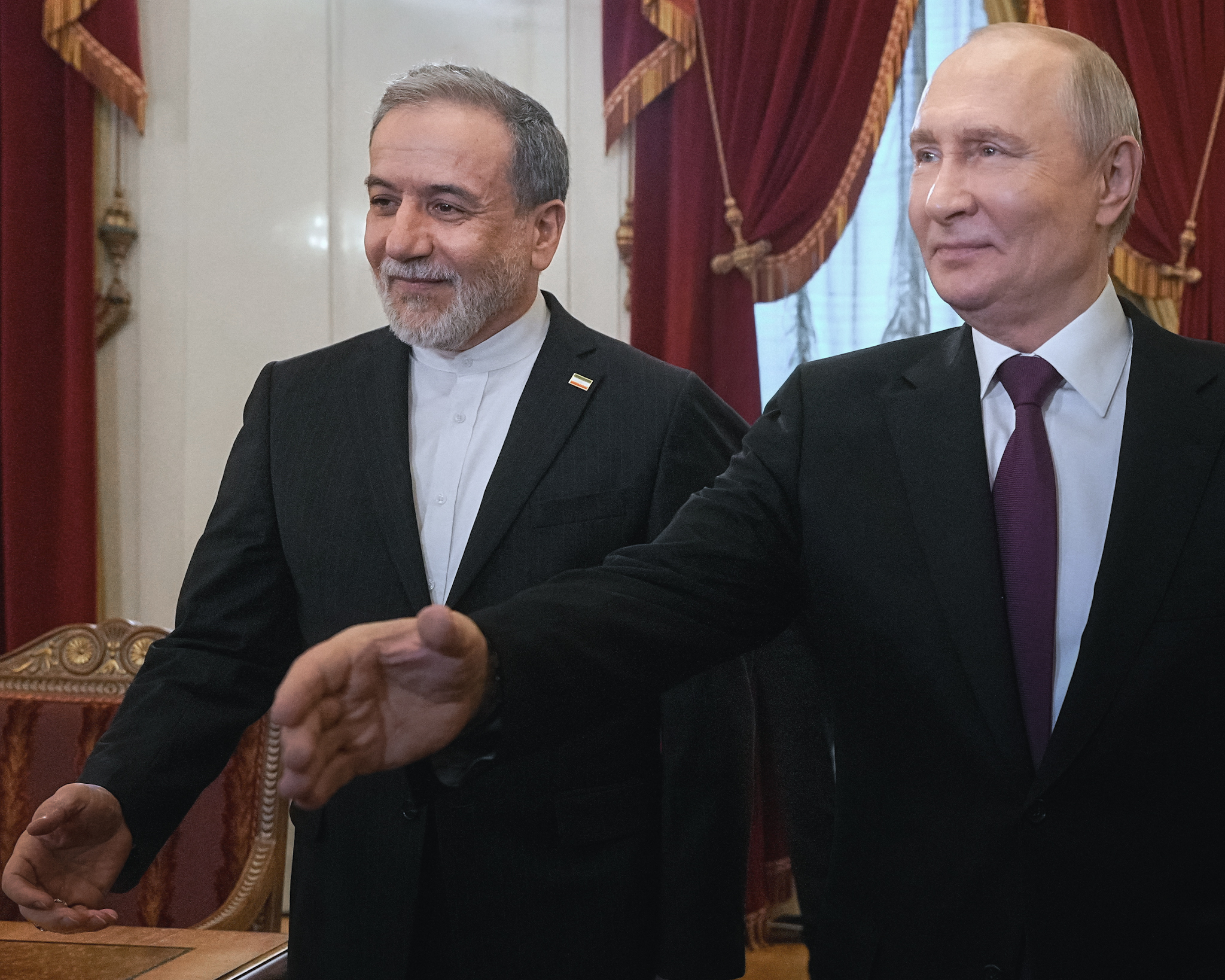
There were signs of optimism on Friday (1 May) when Iran’s state-run IRNA news agency reported the new proposal. Oil prices, which had surged after Iran’s effective closure of the Strait of Hormuz, briefly declined.
The moment proved short-lived. Trump acknowledged that telephone contacts were continuing, but the White House is also weighing tougher options. According to White House sources, the president is considering a long-term naval blockade of Iran to further curb its oil exports and force a denuclearization agreement.
He has also not ruled out renewed military action. US commanders have prepared scenarios ranging from short, intensive strikes to taking control of parts of the Strait of Hormuz. European diplomats expect the standoff to persist. “It’s hard to imagine that this will end soon”, one said.
Iran’s Leverage Grows
Iran remains defiant and continues to wield significant leverage over the US and its allies. By restricting shipping through the Strait of Hormuz, which previously carried about a fifth of global oil supplies, Tehran has triggered a major energy shock and demonstrated its ability to disrupt one of the world’s most important trade routes.
That capability could strengthen Iran’s position despite its military setbacks. At the same time, Trump has not achieved his central objective of halting Iran’s path to a nuclear weapon. Stockpiles of highly enriched uranium are believed to have survived the strikes and could be reprocessed into weapons-grade material. Iran maintains that it has the right to enrich uranium for peaceful purposes.
Another unresolved issue is Iran’s continued support for allied groups such as Hezbollah, the Houthis and Hamas.
No Clear Way Out
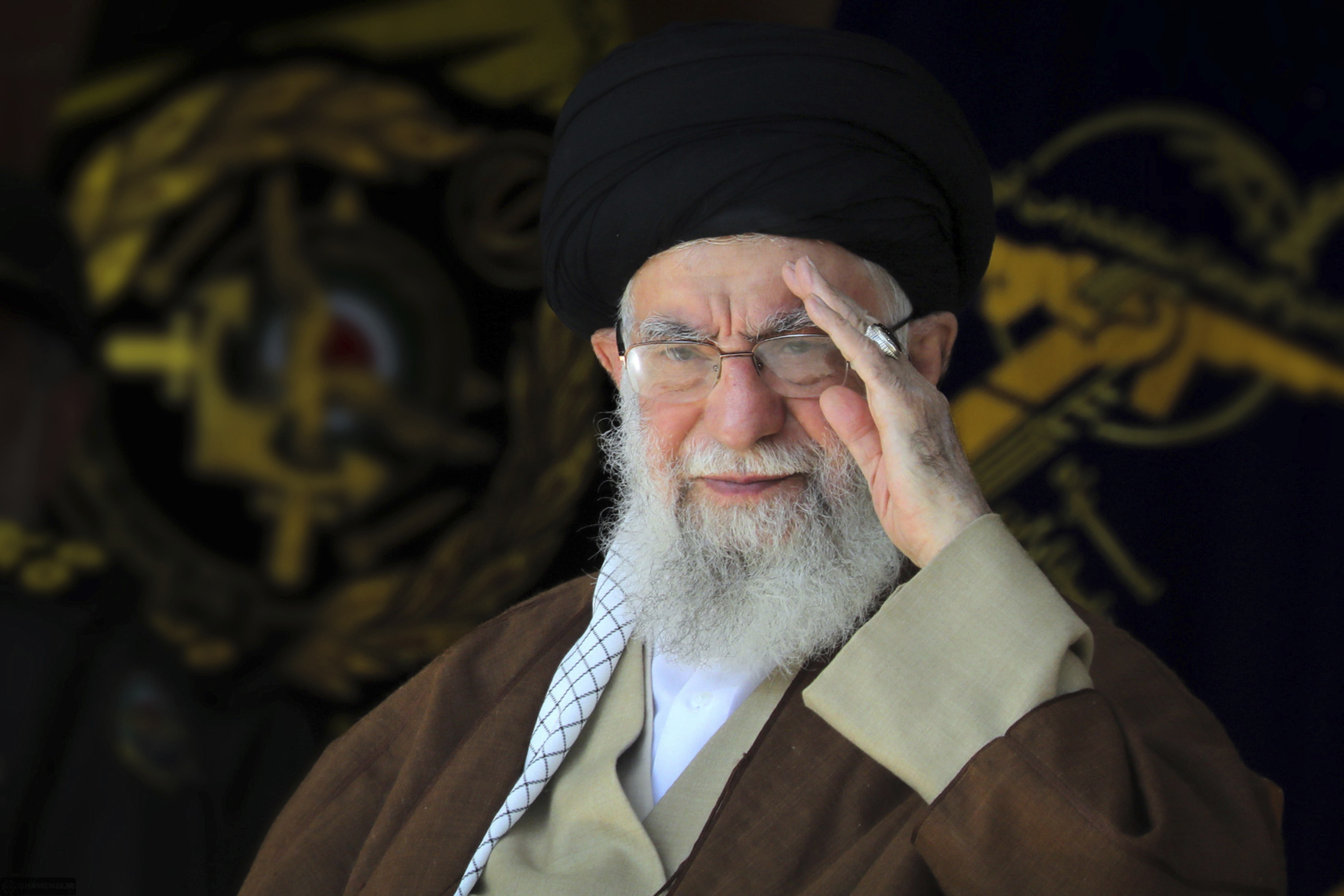
A return to negotiations is unlikely to yield a swift resolution given the wide gap between the sides. While Trump insists he is seeking a lasting solution, he has also signaled a desire to exit an increasingly unpopular conflict.
US intelligence agencies are reportedly examining how Iran might respond if Trump were to declare victory unilaterally. Earlier assessments suggested that Tehran would likely portray any subsequent US withdrawal as a victory of its own.
The war could therefore harden into a frozen conflict with no durable settlement, preventing the US from significantly reducing its military presence in the Middle East.
Tensions are also rising with European allies, who were not involved in the decision to go to war. Trump has criticized NATO and ordered the withdrawal of 5,000 US troops from Germany.
Domestically, pressure is intensifying. According to a Reuters/Ipsos poll, Trump’s approval rating has fallen to 34%, the lowest of his presidency. Gasoline prices have climbed above $4 per gallon, and Republicans risk losing control of Congress.
Observers say Iran is aware of Trump’s domestic challenges and may seek to “ride out” the conflict. As analyst Sina Toossi put it: “Iran is not crumbling or backing down – it is playing for time.”
(reuters)