
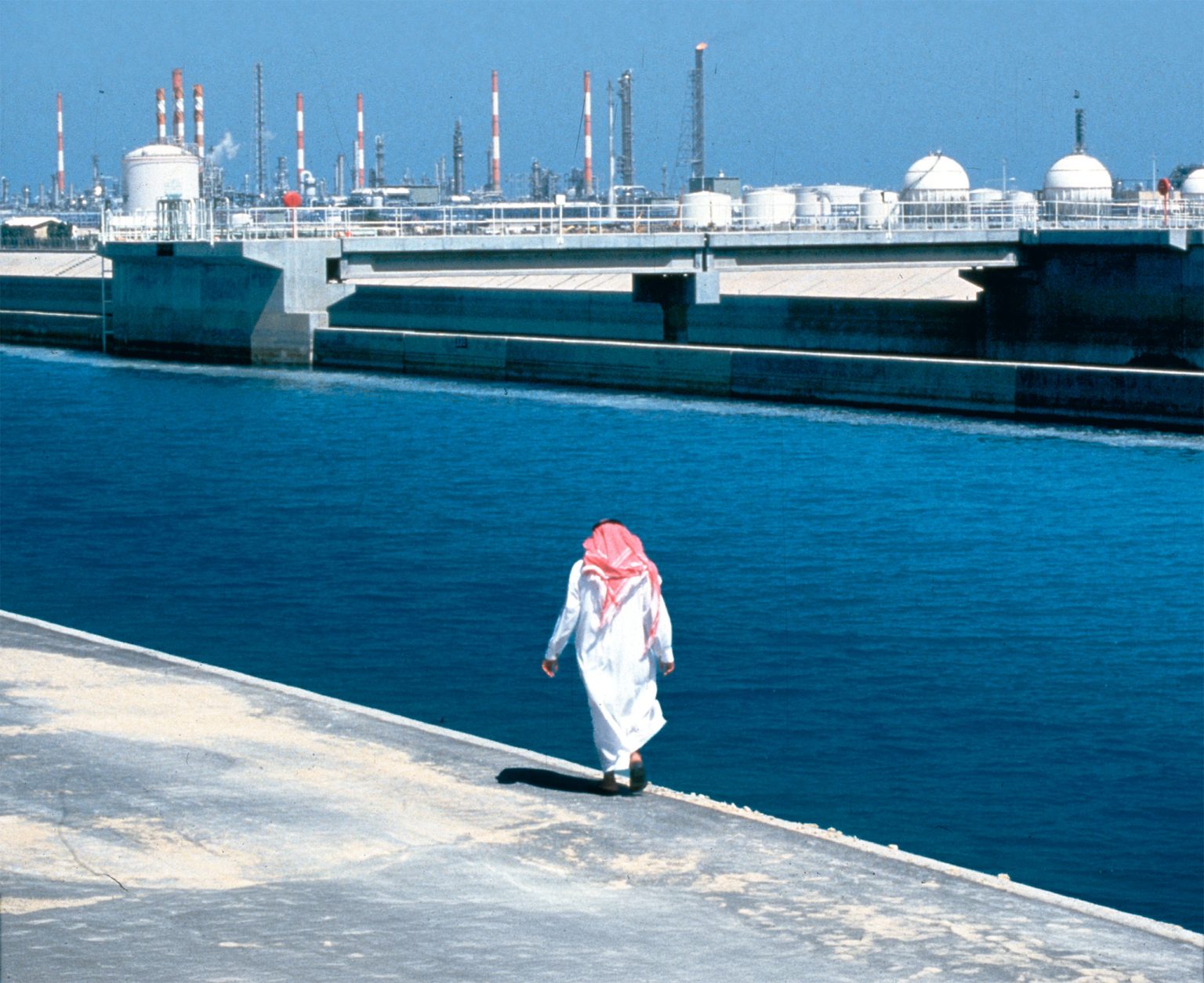
The US bank Goldman Sachs has calculated that the winner of the war in the Persian Gulf so far is Saudi Arabia. Since the start of the conflict, it has increased its average weekly oil export earnings by about a tenth.
Although the regional hegemon, like other Gulf states, is struggling with the closure of the Strait of Hormuz, it can divert about four million barrels a day through a pipeline towards the Red Sea for export. Other countries in the region do not have the same option because they lack pipeline access to the Red Sea.
Overall, Riyadh is exporting much less oil by volume despite the diversion, but the loss in exported barrels has been more than offset by the dramatic rise in world oil prices caused by the war with Iran.
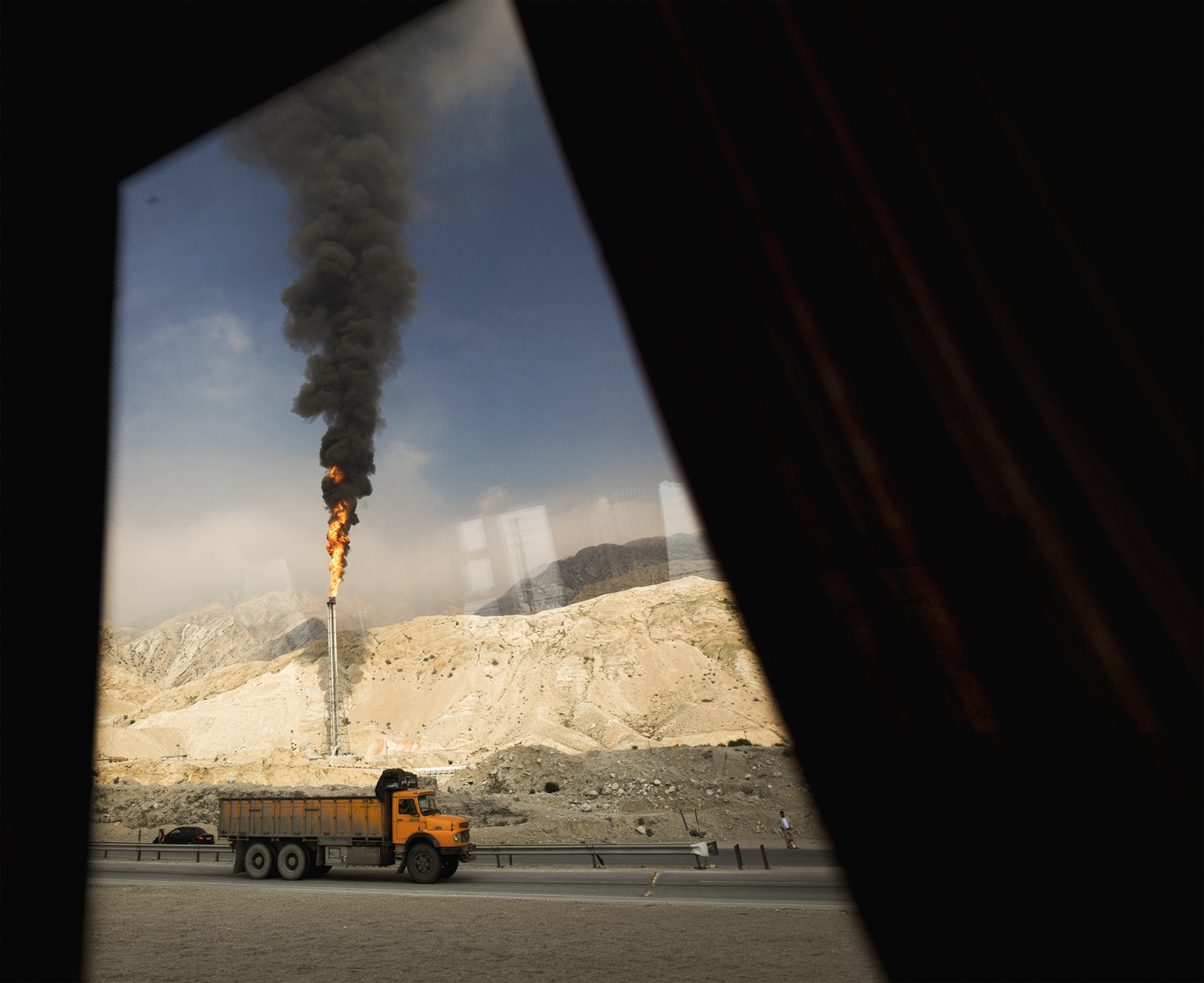
The Emirates Pay the Price
The main loser from the situation is the United Arab Emirates, whose oil revenues have fallen by a quarter because of the war with Iran, according to Goldman Sachs.
Although the Emirates are now using their Abu Dhabi-Fujairah pipeline to a port outside the Persian Gulf at full capacity each day, even much higher oil prices cannot offset the revenue losses caused by the closure of Hormuz as they have done for Saudi Arabia. One reason is that the pipeline’s available capacity is roughly half that of the route through which Saudi Arabia sends oil to the Red Sea.
That is one of the key reasons why the United Arab Emirates made the shock decision to leave the OPEC cartel after almost 60 years. Once Hormuz reopens, it wants to make up for the current losses by sharply increasing oil production and exports, without being bound by the quotas that Saudi Arabia, the cartel’s dominant power, is so keen to enforce.
Riyadh’s relatively limited losses appear to reinforce its belief that it can curb oil production again within the cartel once the strait reopens. Such restraint would prevent prices from falling too sharply as output rises. Saudi Arabia needs higher oil prices than the Emirates can fully accept because of its lavish budget spending.

Markets Show the Divide
The uneven impact of the war with Iran on Gulf economies and export opportunities is also reflected in developments on their stock markets this year. By far the best performer is Oman’s stock market.
Oman’s ports are outside the Persian Gulf, so the blockade of Hormuz does not weigh too heavily on its economy. The country is therefore benefiting from high oil prices. Iran has also said it wants to share control of Hormuz with Oman in the future.
Saudi Arabian equities have also risen this year for the reasons outlined above, although not as much as Oman’s market. By contrast, the stock exchanges of Dubai, Bahrain, Qatar and Kuwait are in the red. Oil and gas exports from Bahrain, Qatar and Kuwait have fallen significantly because those countries no longer have alternative ways of transporting energy resources out of the Persian Gulf.
This article was originally published on lukaskovanda.cz.