
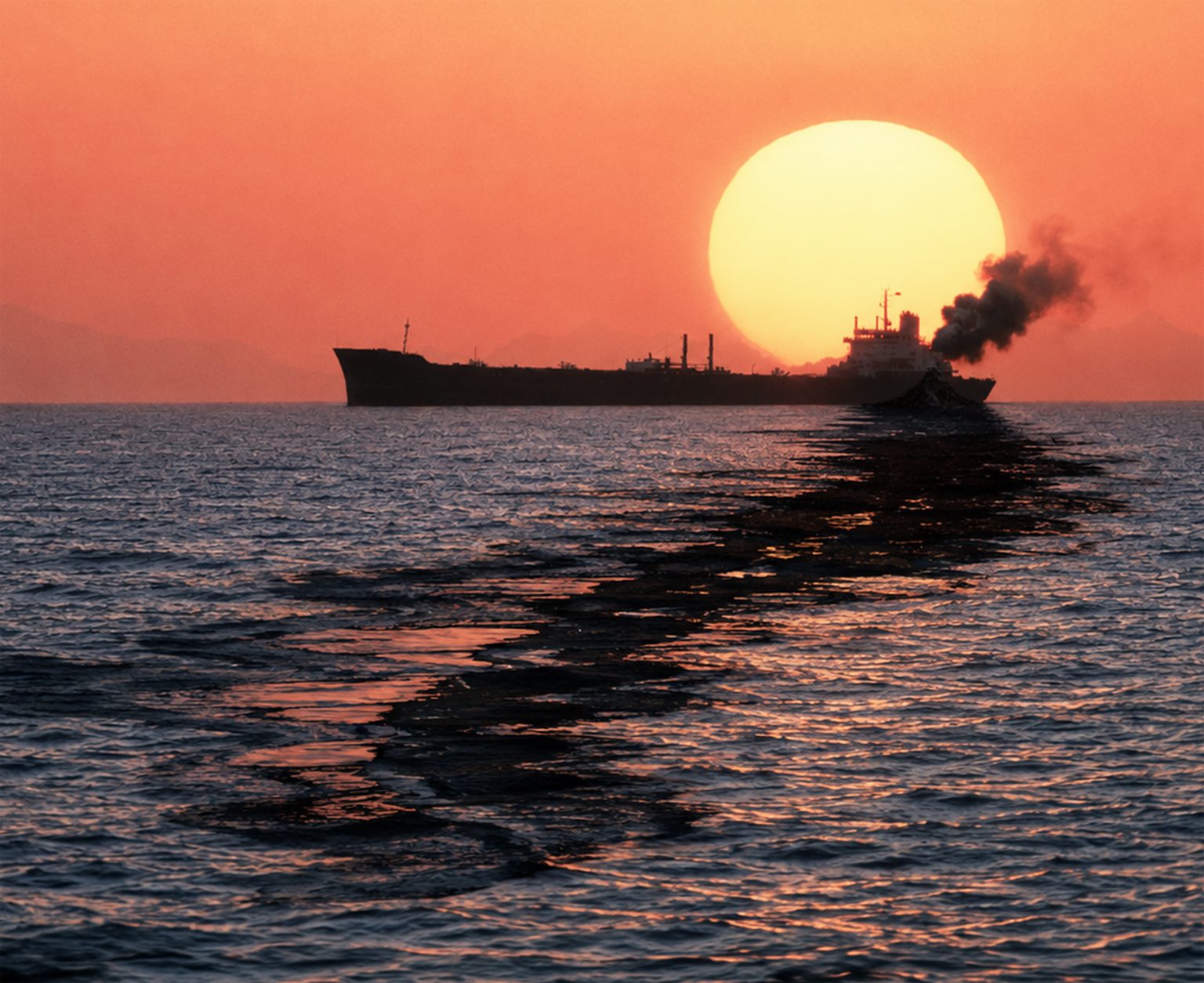
Why is the scale of the crisis triggered by the war in Iran not fully reflected in market expectations? And why are commodity traders not pricing it in more aggressively?
These questions are puzzling many analysts familiar with the technical and logistical capacities of energy producers and exporters, particularly in oil and gas.
The issue is complex, but the prevailing explanation is simple: markets remain optimistic. Many investors assume that, if conditions deteriorate, US President Donald Trump will ultimately step back.
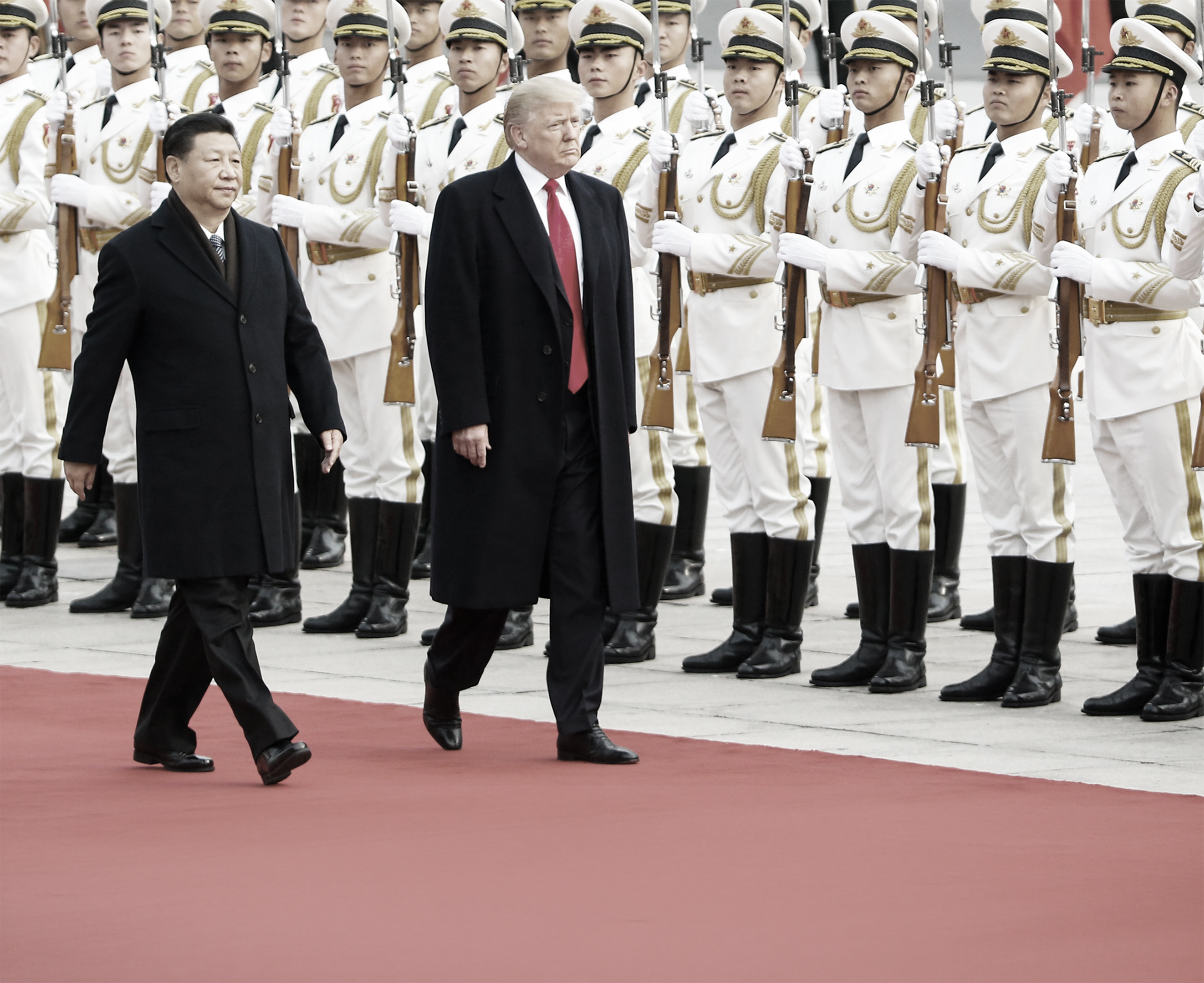
The idea that “Trump always chickens out” has become a baseline assumption in parts of the market. However, in the current conflict involving the United States and Israel, the president does not control all variables. Any agreement must also be acceptable to Iran, which complicates negotiations.
On 6 May, sources close to US officials indicated that the White House was nearing a memorandum of understanding that could precede a broader agreement with Iran.
Details remain unclear, but Iran has reportedly signaled willingness to limit uranium enrichment to 3.67% – a level suitable for civilian nuclear use – for a period of 12-15 years. The US had initially pushed for 20 years, while Iran had suggested five.
Tehran is also said to be considering the removal of its stockpile of highly enriched uranium, estimated at around 300 kg, one of Washington’s key demands. Exporting this material to the US has reportedly been discussed, in exchange for sanctions relief and the unfreezing of Iranian assets.
Both sides would also lift the blockade of the Strait of Hormuz, a critical route through which around a fifth of global oil supply and a similar share of liquefied natural gas normally pass.

Limited Room for Maneuver
The sharp drop in oil prices – falling more than 10% below $100 – and the positive reaction in equity markets following the reports on 6 May underline the prevailing optimism.
However, no agreement has yet been formalized. Skeptics note that Iran’s leadership is fragmented, raising questions about who ultimately holds decision-making authority. It is difficult to imagine the regime relinquishing enriched uranium after sustained military pressure, as it represents a key strategic asset.
At the same time, Tehran is not necessarily in a weaker position. While the economy is under strain and the country faces military pressure, the blockade of the Strait of Hormuz gives Iran leverage. Disrupting global energy flows directly affects the US economy, a key political vulnerability.
Trump’s own position is constrained. He withdrew from the 2015 nuclear deal under President Barack Obama, which had limited enrichment levels and stockpiles. That decision now complicates his ability to negotiate a new agreement without appearing to reverse course.
He faces competing pressures. Failing to secure a stronger deal risks political criticism, while prolonged conflict contributes to rising prices at home. With support already weakened, there is a growing risk that Democrats could regain control of Congress in the midterm elections.
As a result, the space for compromise remains narrow, despite market expectations to the contrary.
Why Oil Prices Have Not Yet Surged
Estimates suggest that around 13-14 million barrels of oil per day are currently disrupted by the blockade, although some supply is rerouted through alternative channels. This exceeds pre-2022 Russian exports to Europe by more than four times. Despite this, oil prices have not risen as sharply as expected.
Several factors explain this. First, earlier sanctions relief for Russian oil and continued Iranian exports in the initial phase of the crisis provided temporary supply support.
Second, Gulf states accelerated shipments ahead of the conflict, creating a buffer as oil already in transit continued to reach markets. Morgan Stanley estimates that this added around three million barrels per day since March, though the effect is now fading.
Third, governments have released strategic reserves. The International Energy Agency (IEA) agreed on 11 March to release 400 million barrels – roughly a third of emergency stocks – supplemented by private reserves.
However, this approach has limits. After nearly two months, reserves cannot be drawn down indefinitely, and the Strait remains closed.
Demand has also softened. According to the Economist, global oil demand was 3-5 million barrels per day lower than expected in April, partly due to consumption cuts in Asian economies.
If the conflict persists, further demand reductions will be necessary. Historically, this adjustment occurs through higher prices. Estimates suggest oil could reach at least $165 per barrel, with upper scenarios approaching $400.
June may prove to be a turning point, when market expectations align more closely with physical supply constraints.
A Slow Return to Normal
Even if the Strait of Hormuz were reopened immediately, normalization would take time.
According to commodities analyst Matthieu Favas, the initial impact would be a release of pent-up supply as stranded shipments resume. Governments may also be more willing to draw on reserves, expecting stabilization.
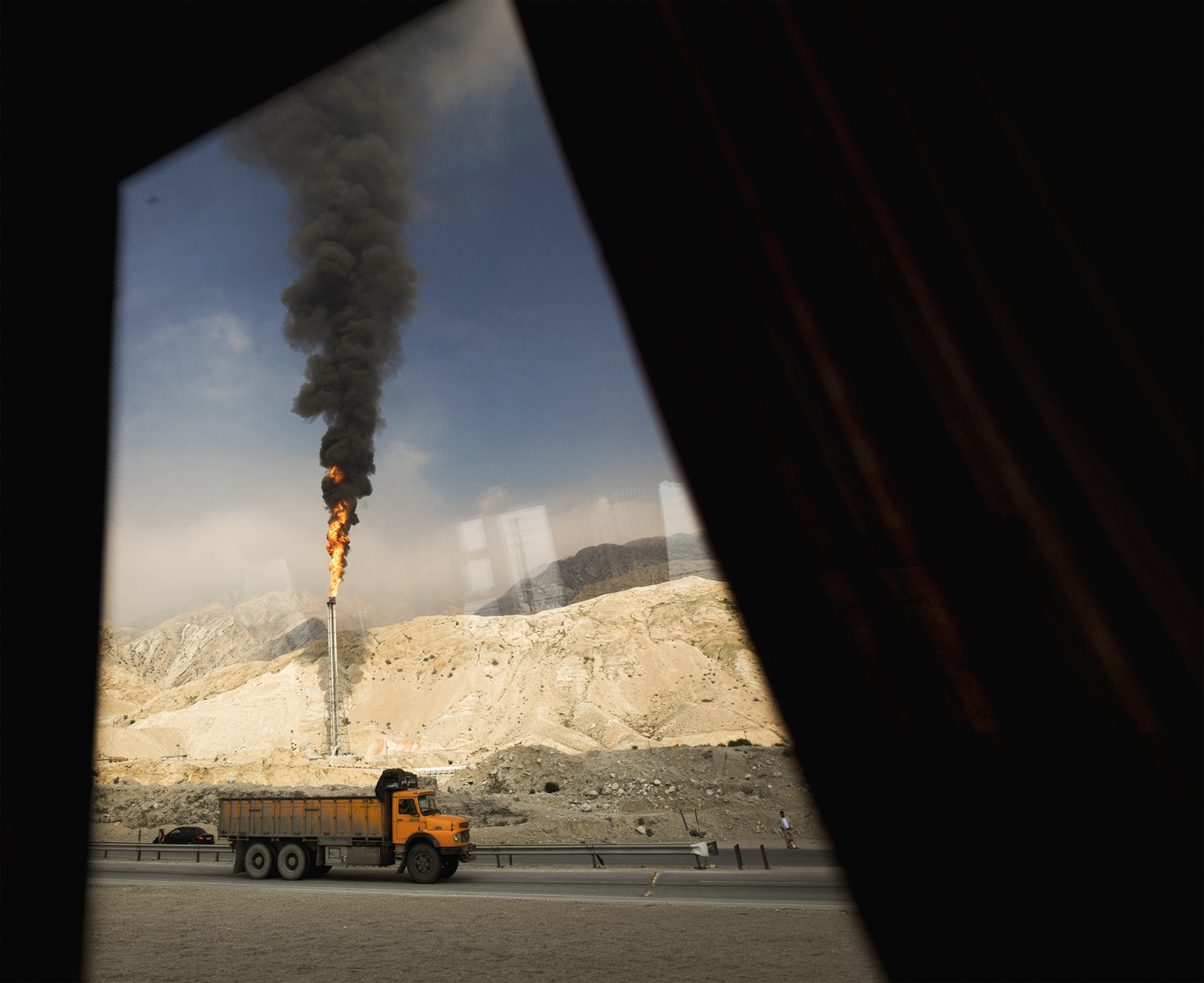
However, restoring full production capacity in Gulf states could take between four and six weeks. The longer facilities remain offline, the longer recovery will take. Shipping logistics will add further delays and tankers diverted to other routes will not immediately return to the Gulf.
Favas notes that they will want to complete their current voyages before returning, which could take 60-90 days. Only then can refineries gradually return to full capacity.
At the same time, demand is likely to rebound as countries replenish reserves once supply stabilizes. As a result, oil prices are unlikely to return quickly to pre-war levels under any scenario.