
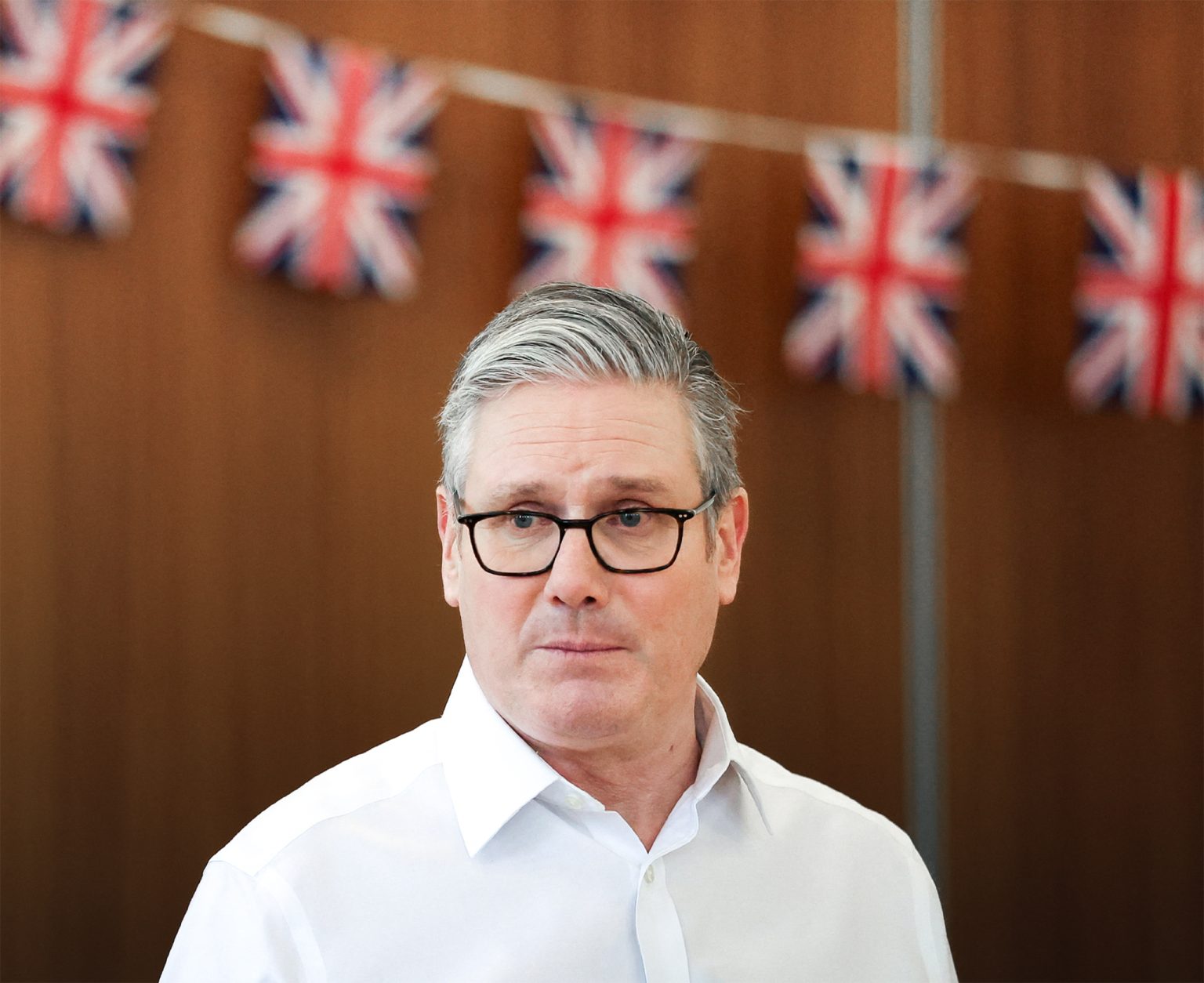
The local elections have plunged Keir Starmer into the worst crisis of his time as prime minister. The open battle over the party's leadership drawing uncomfortable comparisons to the chaos that brought down Conservative Prime Minister Liz Truss in 2022.
Discontent came to a head when dozens of Labour MPs demanded that Starmer set a date for his departure. He refused, declaring his intention to fight on — a decision that has sharpened rather than settled the tensions within the party. Behind the scenes, rival camps are already coalescing around potential successors.
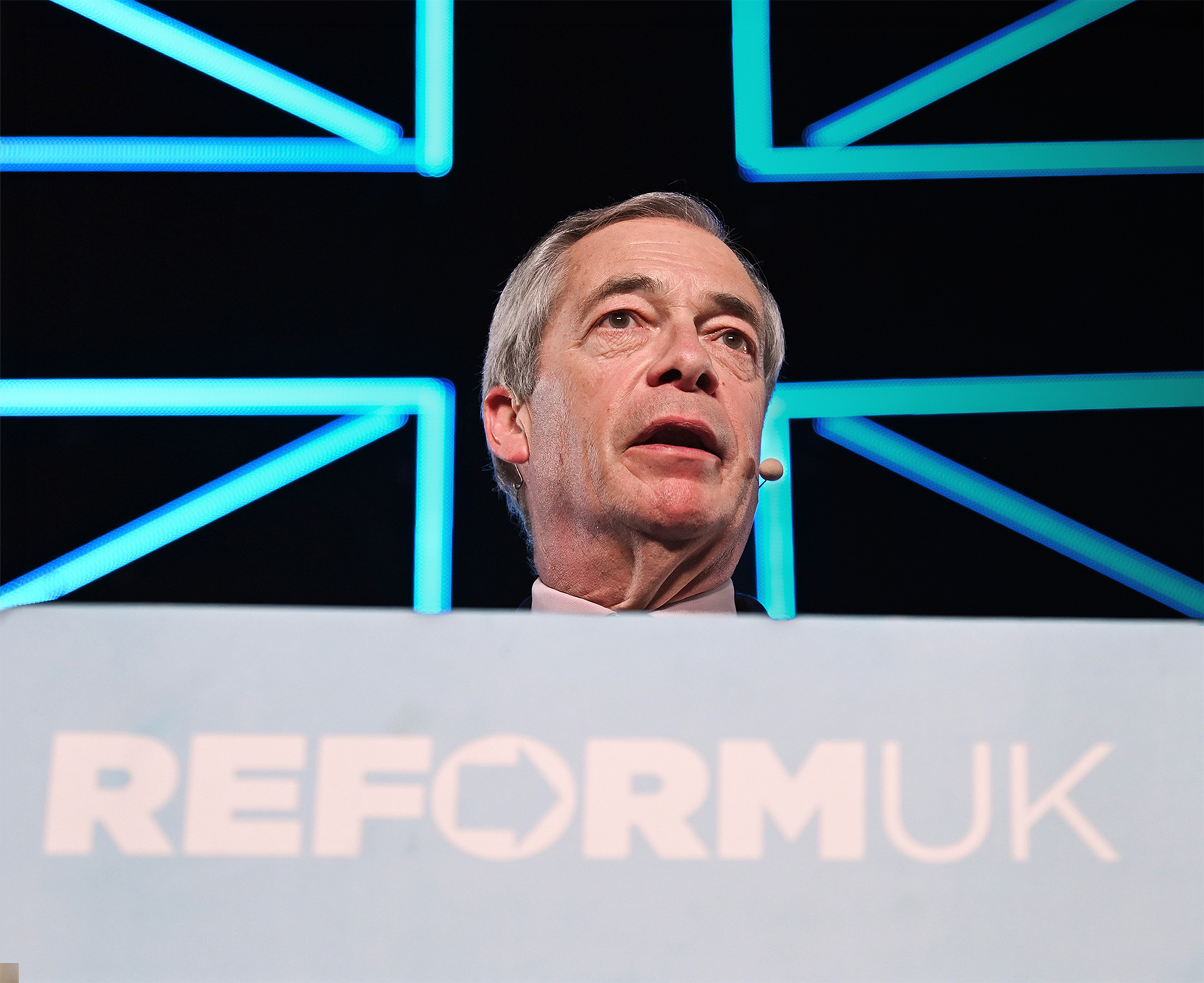
The frontrunner, at least in public perception, is Andy Burnham, the Mayor of Greater Manchester and self-styled King of the North. His route to the leadership runs through the Makerfield by-election, where he would first need to win a parliamentary seat. It will not be straightforward. Labour's support in the area has eroded significantly, and Nigel Farage's Reform UK has vowed to throw everything at the contest.
Burnham Versus Streeting
Wes Streeting, the former health minister, has also emerged as a potential challenger. He resigned on Thursday, citing what he called a "vacuum" at the heart of the party's leadership and a loss of direction. Many had expected him to declare against Starmer immediately, but he has chosen instead to hold back and watch whether Burnham's by-election bid succeeds.
Behind the scenes, the shape of possible alliances is becoming clearer. Streeting's camp has hinted at support for Burnham in Makerfield, a tactical move designed to preserve their options for a wider battle over the party's direction at a later stage. Angela Rayner, the deputy prime minister and a favourite of Labour's left wing, may yet add her name to the field.
Markets Grow Nervous
The political turmoil has wasted no time in reaching the financial markets. News of Burnham's possible candidacy was enough to push UK sovereign borrowing costs higher and weaken the pound against both the dollar and the euro. For investors, the prospect of a drawn-out leadership battle is an unwelcome complication at a time when Britain is already absorbing the economic consequences of conflicts in Ukraine and the Middle East.
Starmer has shown no sign of stepping down. He has framed his decision to stay as a matter of duty, arguing that the country's stability and the mandate won at the 2024 election require him to see out his term. His critics are unconvinced, warning that a government consumed by internal feuding is in no position to deliver the reforms it was elected to pursue.
Bond markets have added their voice to the pressure on Labour. UK yields have soared, and investors are beginning to ask openly whether a more left-wing leadership would be willing or able to keep the public finances in order. For many in the City, the episode calls to mind the bond market turmoil of 2022 that brought Liz Truss's government to an abrupt end.