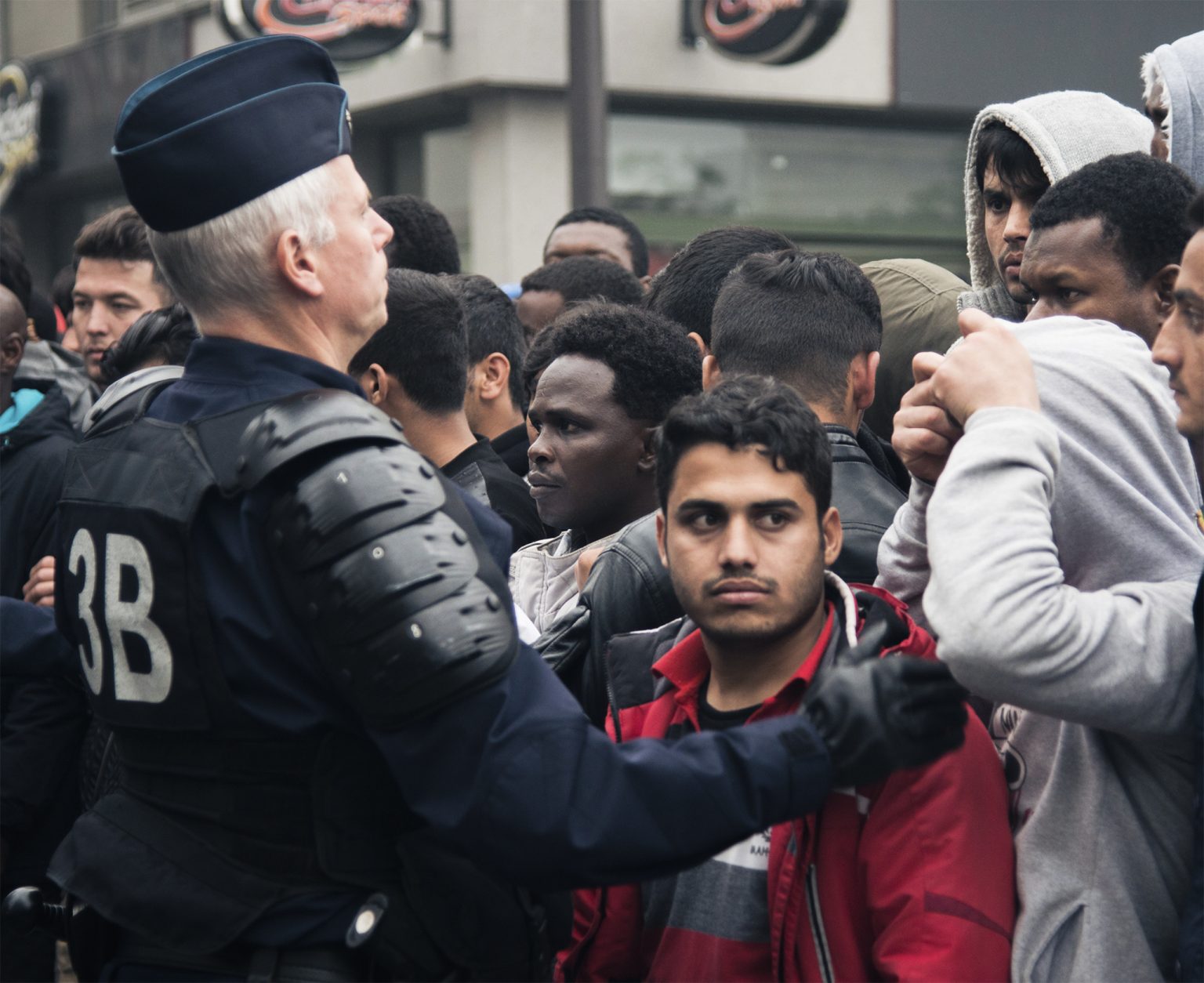
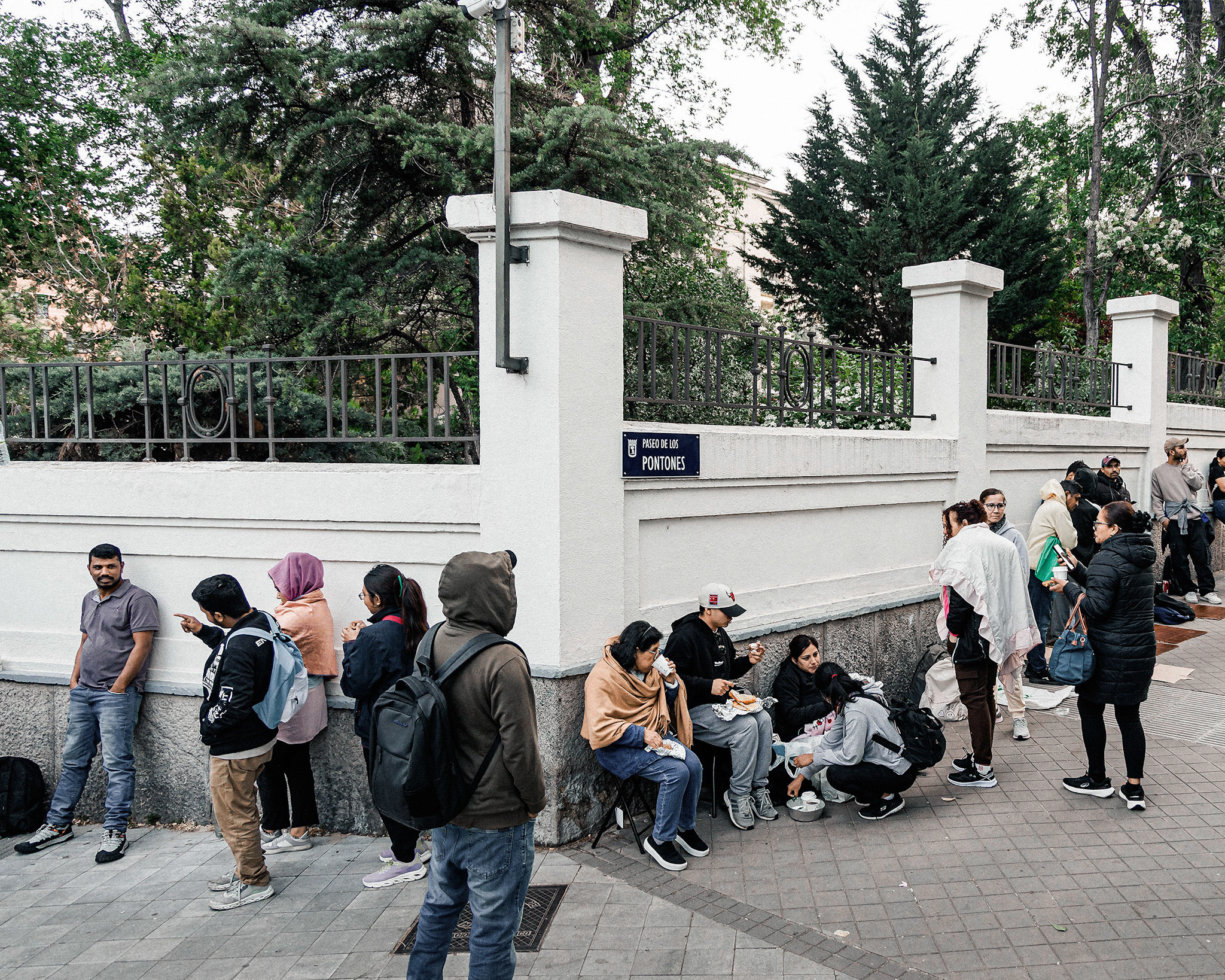
"It is important that States, including those that are exposed to mass arrivals, can pursue new approaches to address and potentially deter irregular migration", the gathered foreign ministers said.
Return Hubs Gain Official Backing
Among the new approaches highlighted, several member states are considering "processing requests for international protection in a third country, third country 'return hubs', and co-operation with countries of transit".
Countries including Italy and the UK, which is a COE member and therefore subject to its norms, have sought to establish migrant return hubs in third countries.
Both welcomed the signing of the declaration. Italian Prime Minister Giorgia Meloni said it "recognizes the legitimacy for nations to pursue innovative solutions in managing migration flows, such as repatriation hubs in third countries, following the model launched by Italy in Albania".
The European Commission also signaled its approval: "Today’s declaration by the Council of Europe Ministers is an important step to promote people’s safety and fundamental rights. It strengthens our approach to a fair and firm migration policy in Europe", said the Commissioner for Internal Affairs and Migration Magnus Brunner.
Under a section titled Mass Arrivals, the declaration raises difficulties faced by frontline nations resulting from the arrival of large numbers of migrants and irregular arrivals by sea.
"There is a need to step up operational co-operation to prevent irregular migration and promote returns", states the document signed by the foreign ministers of countries including the UK, Germany, France and Italy.
Strasbourg Marks the Limits of Its Reach
A further section examines the instrumentalization of migration by "hostile actors", noting with concern the potential for such actions to cause acute humanitarian crises and to challenge a state's security and control over its borders.
The declaration also addresses the relationship between national governments and the European Court of Human Rights (ECHR), at a time of heightened tension between the court and several member states. Some national leaders have accused the ECHR of frustrating their efforts to deport violent criminals.
One such case involved Nicolas de Brito, who was wanted on murder charges in Brazil. After fleeing to the UK, he successfully challenged extradition on the grounds that prison conditions in Brazil fell below Strasbourg's standards for inhuman treatment, due to overcrowding. He was released to live and work in the UK, and the murder case in Brazil was shelved.
The document notes that national authorities are "in principle, better placed than an international court to evaluate local needs and conditions", adding that there "may be a range of different but legitimate solutions" applicable under Convention provisions.
The ECHR can only substitute its view for that of the domestic court where it has "strong reasons" for doing so, the declaration states, adding that such decisions need to take into account the "particularities of national legal systems and traditions".
"The Court acts as a safeguard for individuals whose rights and freedoms are not secured at the national level and may deal with a case only after all domestic remedies have been exhausted", the declaration says.
Rights Groups Warn of a Dangerous Shift
A global human rights organization has argued, however, that the declaration amounts to an attack on the independence of the ECHR.
The International Federation for Human Rights (FIDH) has accused the COE of trying to "cut it [the court] down".
"For the first time since the Convention was ratified, Europe may formally move towards lowering human rights protections, contrary to its international obligations", said a spokesperson for FIDH, a global network of nearly 200 human rights organizations from over 115 countries.
"Migration cases make up only a tiny fraction of the Court’s caseload. The claim that Strasbourg is preventing governments from effectively ’managing’ migration is political fiction", the international body said.
The declaration follows a joint initiative led by Denmark and Italy in May of last year. Prime ministers Mette Frederiksen and Meloni wrote an open letter claiming that the world had "changed fundamentally" since European human rights law had been conceived "in the ashes of the great wars".
The letter, co-signed by Poland, Estonia, Latvia, Lithuania, Czechia, Austria and Belgium, stated that in a globalized world migration was now on a "completely different scale" and that while some migrants had integrated willingly, "others have come and chosen not to integrate, isolating themselves in parallel societies and distancing themselves from our fundamental values of equality, democracy and freedom".