
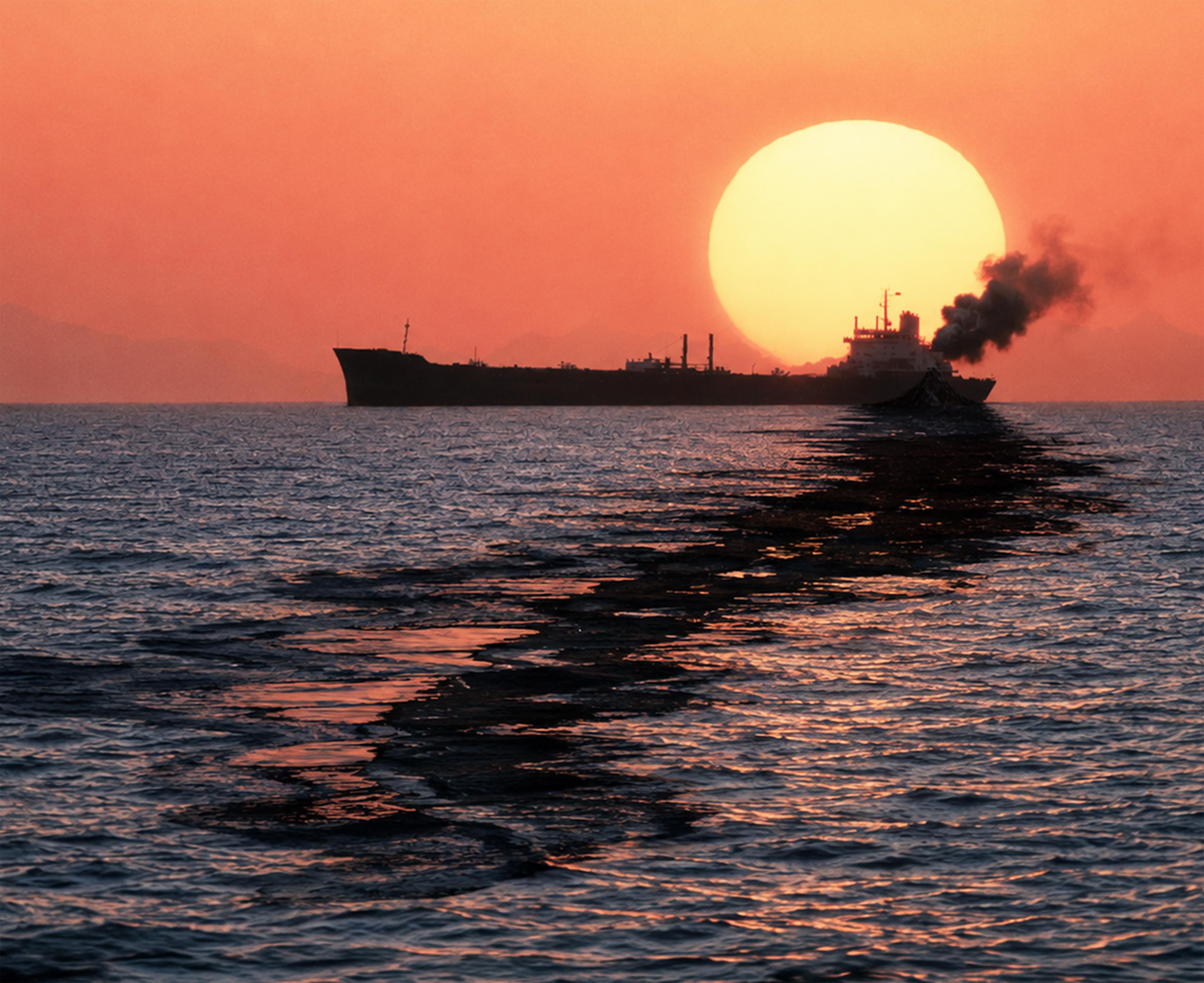
While ordinary European consumers bear the cost of the Iran war, oil companies operating in safer markets are reaping the rewards.
Supply constraints from the closure of the Gulf route and higher world prices mean that companies extracting and processing crude in unaffected regions are selling at wide margins. Europe's largest oil majors are reporting strong profit growth for the first quarter.
British-Dutch Shell reported an adjusted profit of $6.9bn, up roughly a quarter on the same period last year. French TotalEnergies posted a 29% rise in earnings to $5.4bn. The standout performer was Britain's BP, whose profits more than doubled from $1.4bn to $3.2bn. Norwegian giant Equinor also posted strong results.
While several of these companies produce oil in the Gulf and have been affected by the war, strong trading divisions have more than made up the difference, particularly at Shell and BP. At TotalEnergies, the refining and chemicals division that trades oil and petroleum products saw profits jump fivefold to $1.6bn in the first three months of the year.
"BP, Shell and Total benefited not only from higher oil prices, but also from the market turbulence itself", Stephen Innes of SPI Asset Management told Euronews. He added that they "looked less like traditional oil companies this quarter and more like sophisticated volatility traders".
Equinor, which focuses on exploration and production, owed its strong results primarily to the location of its fields, particularly in the North Sea.
Governments Eye the Windfall Before Results Are In
Not all companies have published their first-quarter results, yet European governments are already calling for additional taxation of energy companies. It is a familiar pattern: the same debate arose after Russia invaded Ukraine.
Five EU member states, Germany, Austria, Spain, Italy and Portugal, called on the European Commission in April to introduce a Europe-wide windfall tax. The measure would, they said, "send a clear message that those who profit from the consequences of the war must do their part to ease the burden on the general public".
The argument reflects a progressive-left outlook prevalent in European policy circles: higher profits are seen not as a reward for capital risk and an incentive for future investment, but as an anomaly to be redistributed. It is worth noting that when companies perform well, they already pay higher taxes in absolute terms.
With major oil companies posting strong profits throughout April and May, the windfall tax debate has returned with renewed force. With each passing week of the war and the blockade of the Strait of Hormuz, the calls are likely to grow louder.
The period of high profits has barely begun. Only one month of the Middle East conflict has so far been reflected in energy companies' results, yet the conflict continues and oil prices remain well above $100 a barrel.
The analyst community does not expect a settlement to bring prices back down to their previous levels quickly. Restoring Gulf production and exports to pre-war levels would take considerable time. Although countries might draw down strategic reserves to bridge the gap, those stocks would eventually need to be replenished at elevated prices. Oil prices are therefore likely to remain close to the $100 mark for most of the year, pointing to even stronger results in the coming quarters.
Global Giants Versus Central European Reality
In Central Europe, however, the picture looks rather different. While the largest oil majors report rising profits, Hungary's MOL group saw its figures move in the opposite direction in the first quarter.
The MOL group's gross profit (EBITDA) fell by roughly 60% year on year to $212m. The oil refining and fuel production segment bore the brunt: the group processed one-third less oil than in the same period last year and downstream gross profit dropped from $284m to $112m.
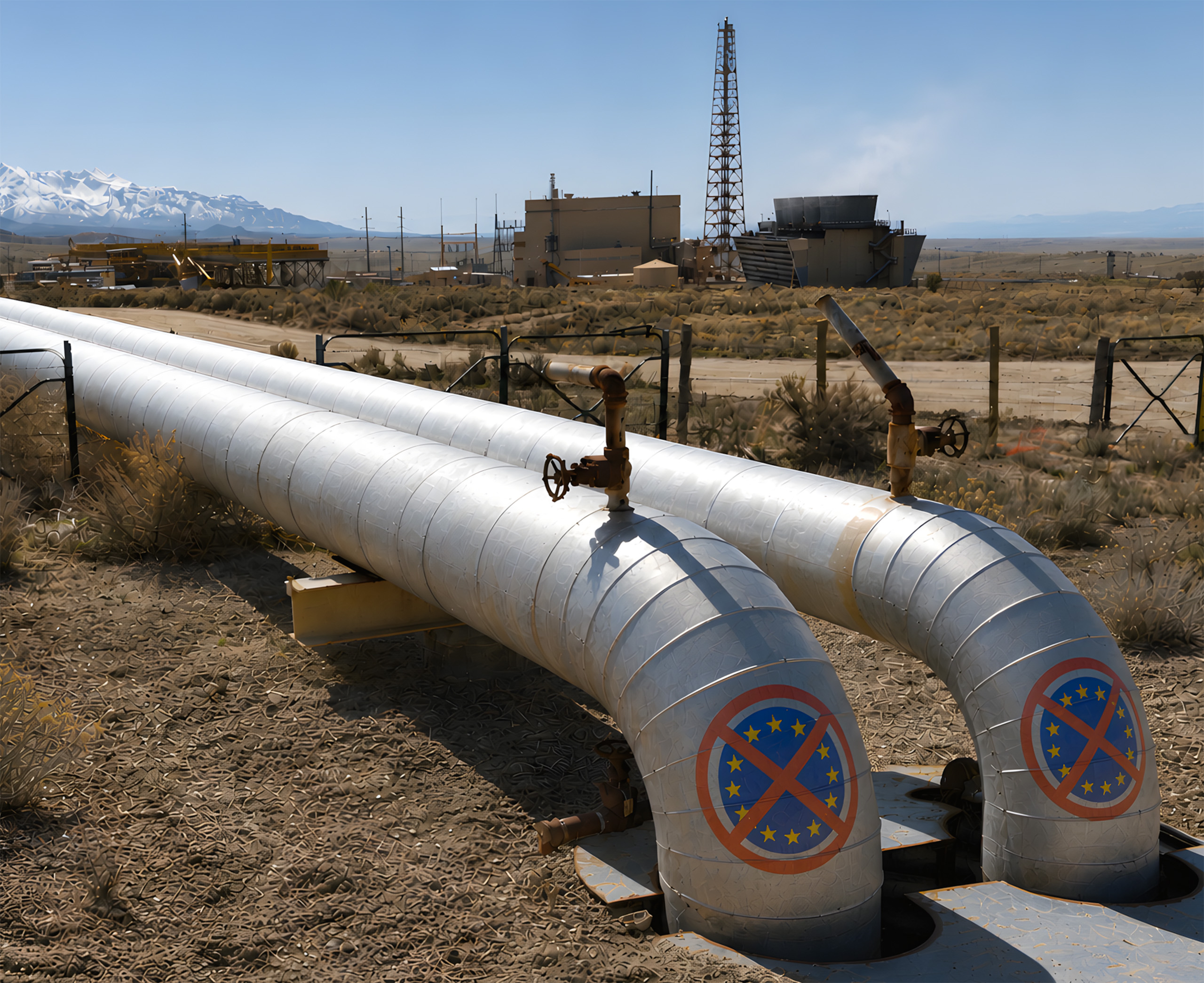
MOL was hit by a series of setbacks. Chief among them was the shutdown of the Druzhba pipeline, its primary supply route, which was out of action from 27 January to 22 April. Deprived of its main supply route, the group kept operations running by drawing on stocks and importing oil through the costlier southern Adria route.
Compounding those difficulties, a fire at MOL's key Duna refinery in Hungary at the end of October last year continued to weigh on results.
With oil flowing through Druzhba again since April, MOL will no longer face the higher logistics costs associated with Adria deliveries. The war meanwhile continues to benefit the group's upstream division, and the financial results are likely to improve significantly in the second quarter and beyond. That is the case despite the price constraints the group faces when selling finished products in Hungary.
The Iran war, paradoxically, brought the group little compensation. While rising oil prices boosted upstream profits by 9% year on year in March, the downstream sector was caught between more expensive inputs and fuel price caps in Hungary that prevented any pass-through to customers.
The Windfall Tax Dilemma
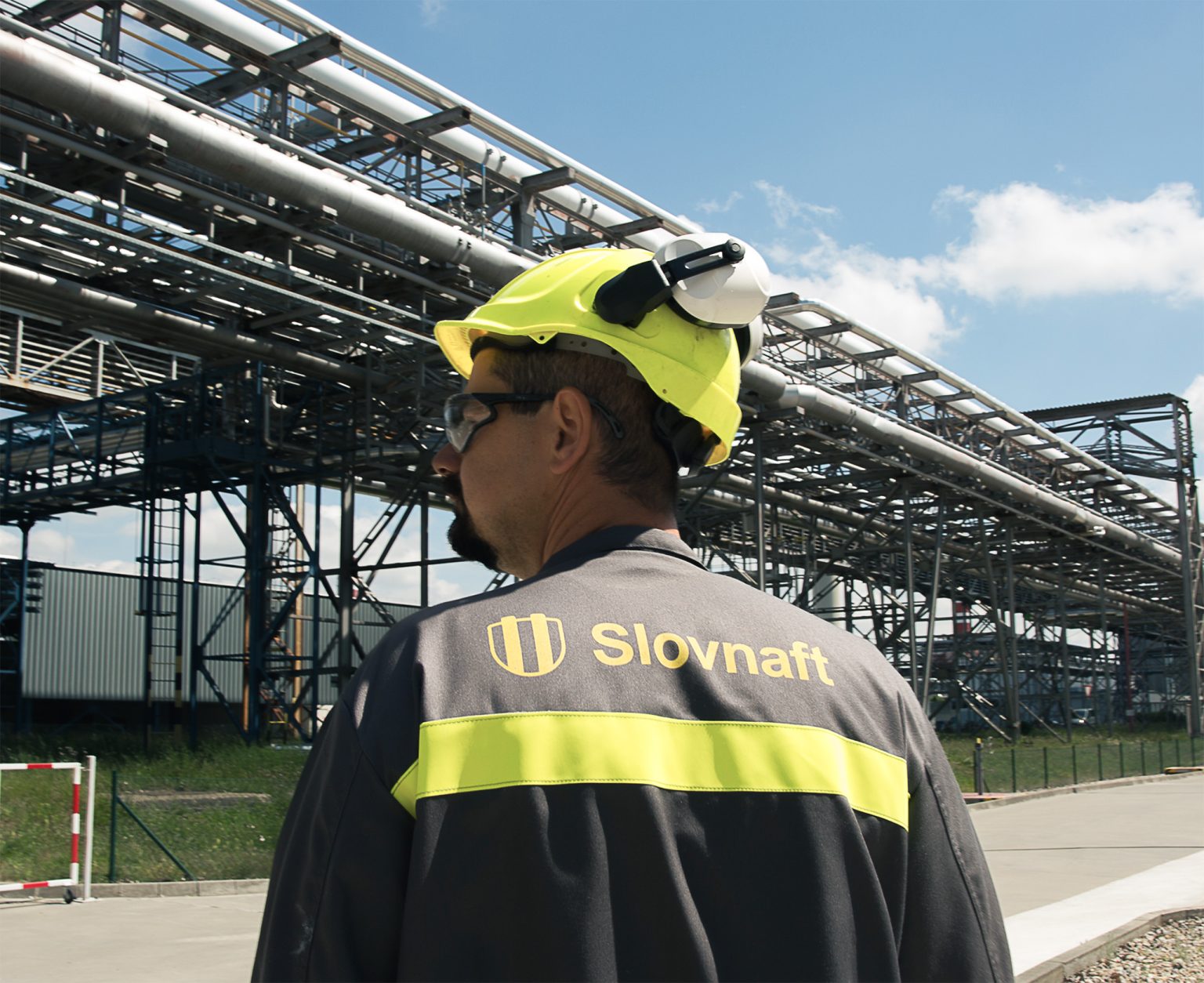
Slovakia offers a characteristic Central European illustration of the dilemma. Slovnaft, the country's largest refinery and part of MOL's downstream network, operates without formal fuel price caps but has nonetheless kept pricing in step with government expectations. A windfall tax debate could gain momentum there, particularly as the consolidation of public finances remains difficult, or the government could support an EU-wide approach.
Even so, it would be premature to sharpen the knives. Slovnaft does not produce oil; it processes it, and the prospects for a significant profit surge are uncertain. Since the Iran war began, the refinery and the government have worked in tandem to keep fuel prices among the lowest in the region. Disrupting that arrangement through a windfall tax debate would hand the opposition a ready-made argument at a time when pump prices are already a political flashpoint.
For governments relying on refineries to keep pump prices in check, a windfall tax carries an obvious risk: it would undermine the very cooperation that is holding fuel costs down. Taxing the refinery and expecting it to absorb the cost is a difficult position to sustain.