"I can't breathe": How Henry Nowak Died in Police Handcuffs
A young student dies in police handcuffs on a Southampton street. His alleged attacker had accused him of racism moments earlier, redirecting the officers' suspicion toward the victim.
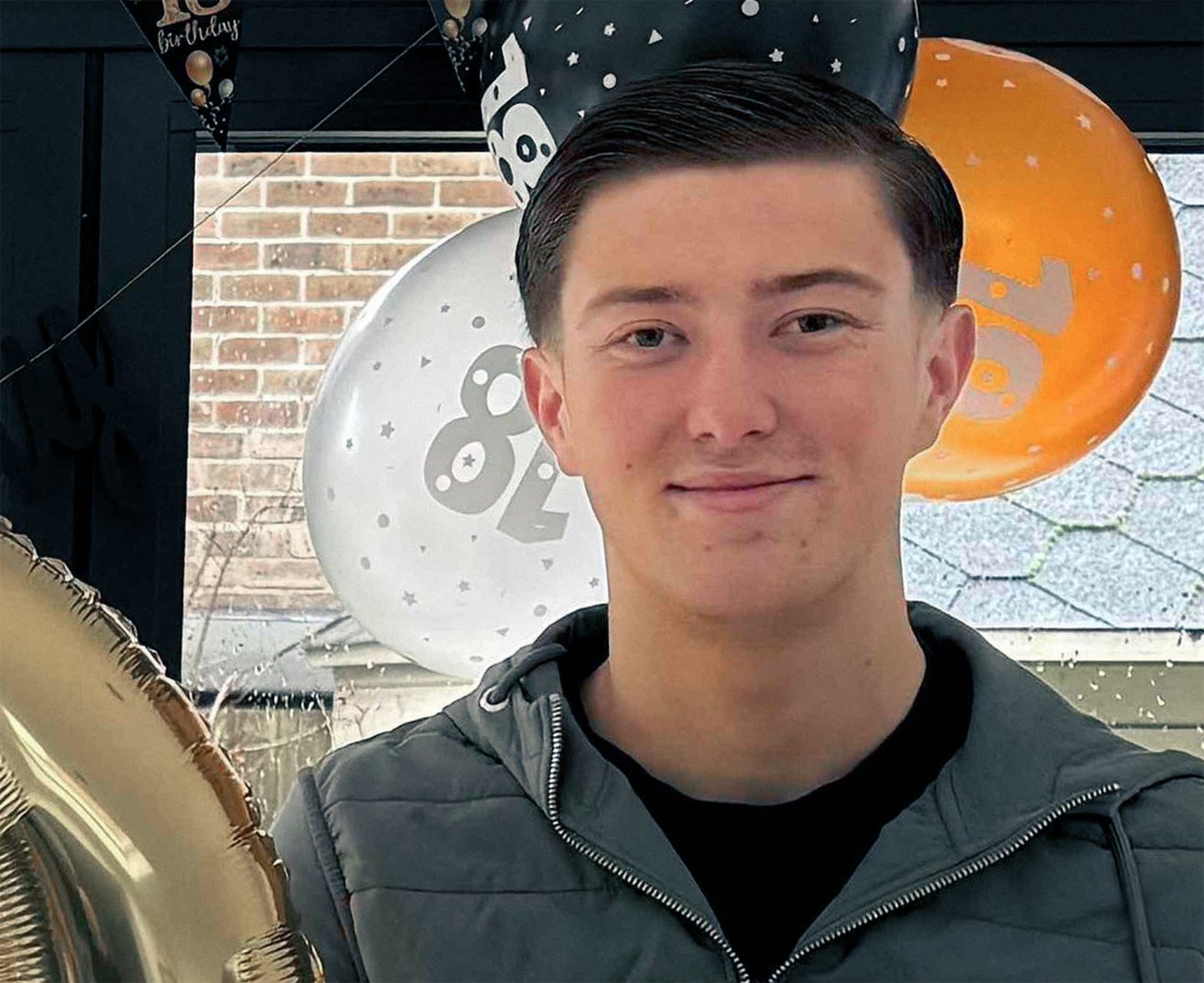
Henry Nowak, an 18-year-old student, bled to death while handcuffed after his attacker accused him of racism, raising questions about why officers failed to provide assistance. Photo: Hampshire Police/Planet/Profimedia
|
Henry Nowak was 18 and only a few months into his studies at the University of Southampton when he was stabbed in the early hours of 3 December 2025, on his way home after a night out. According to the prosecution, Vickrum Digwa, then 23, inflicted five stab wounds on the British-Polish student. One pierced his chest and proved fatal.
What followed is a scandal. When police officers arrived at the scene, Digwa claimed he had been subjected to racist abuse and attacked. Henry Nowak, for his part, tried to make clear that he himself had been stabbed. In bodycam footage released later, the gravely injured student can be heard repeatedly struggling to breathe and saying the same words that had reverberated around the world six years earlier: "I can't breathe."
When George Floyd, a Minnesota man with multiple prior convictions, died during a police operation in 2020, those same words made him a symbol of a worldwide protest movement. The political response to Henry Nowak's death has so far been remarkably muted by comparison. Yet the footage shows police handcuffing the seriously injured student and initially treating him as a possible suspect. Shortly afterwards, the 18-year-old collapsed and died at the scene despite the efforts of emergency responders.
For many Britons, the question of Digwa's guilt has become almost secondary. The focus has shifted to the behavior of state institutions in the critical minutes following the attack, and to the question of why a seriously injured young man was apparently afforded less credibility than the man who today stands trial for his murder.
The precise sequence of events that night is now before Southampton Crown Court. The prosecution alleges that Digwa was carrying a kirpan, a religious Sikh knife with a 21cm blade, and used it to inflict five wounds on Henry Nowak. Two struck the legs. A third hit the chest and proved fatal.
Digwa denies the murder charge. He told the court that Nowak had subjected him to racist abuse, struck him and torn his turban from his head, and that he had therefore acted in self-defense. While he admits to the stabbing, he denies any intention to kill and says he was unaware of the fatal chest wound.
The prosecution regards this account as implausible, and the jury may also consider a manslaughter verdict. Also charged is Digwa's mother, Kiran Kaur, accused of helping to remove the murder weapon from the scene. Legally, the central question is whether Digwa will be convicted of murder. Politically, the case has long taken on a different dimension.
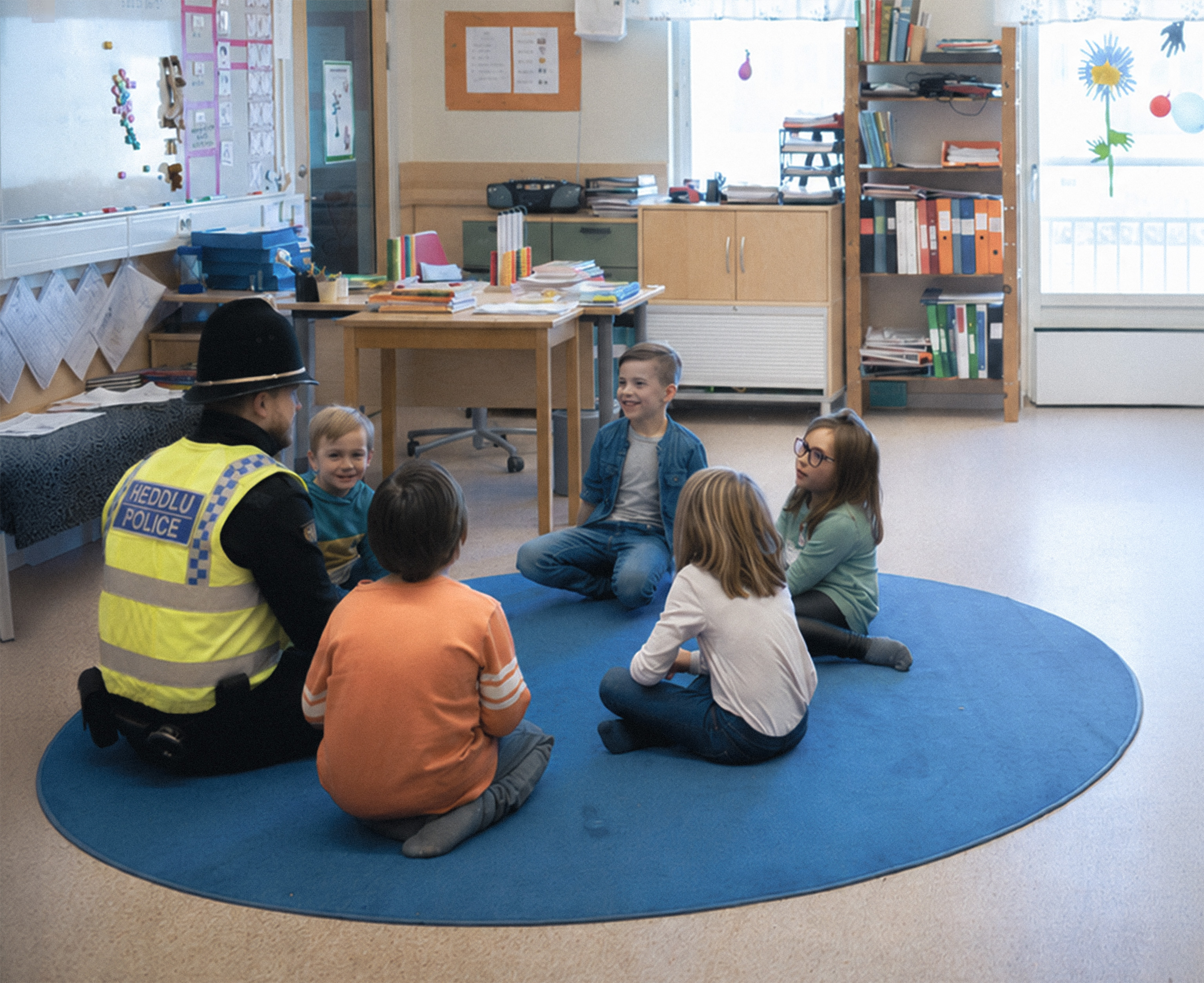
The bodycam footage shows a seriously injured young man repeatedly telling officers he has been stabbed. Alongside him, Digwa gives his version of events and accuses the stabbing victim of racism. The police move to restrain Henry Nowak and place him in handcuffs. Whether those were life-saving minutes has not yet been established by the court.
Two-tier policing is a charge that British authorities have long rejected. The term holds that police and the justice system apply different standards depending on who is involved and which political or social issues are at stake.
For many conservative politicians and commentators, the Henry Nowak case provides exactly the images that give that charge new force. In their view, an obvious violent crime was initially overshadowed by an allegation of racist abuse, and the first police response focused not on the stab wounds of a young man but on the claim that he had made racist remarks.
Whether that interpretation reflects the full picture remains contested. What is harder to dispute is that the bodycam footage raises questions that have not yet been convincingly answered. Why was a seriously injured man not believed? Why was he handcuffed despite repeatedly saying he had been stabbed? And why did the police initially treat him as a suspect rather than a victim?
It is partly because these questions are so simple that they have proved so powerful. The name Henry Nowak spread rapidly across social media, far beyond Southampton. The case is now regularly cited as evidence of a deeper problem within the British state.
When Starmer Knelt for George Floyd
The comparison with George Floyd is hard to avoid. The cases are not identical. But the images and the words are too close for comfort. Floyd died during a police operation in Minneapolis in May 2020. His death triggered worldwide protests. Millions took to the streets. Governments debated police reforms. Politicians on both sides of the Atlantic issued messages of solidarity.
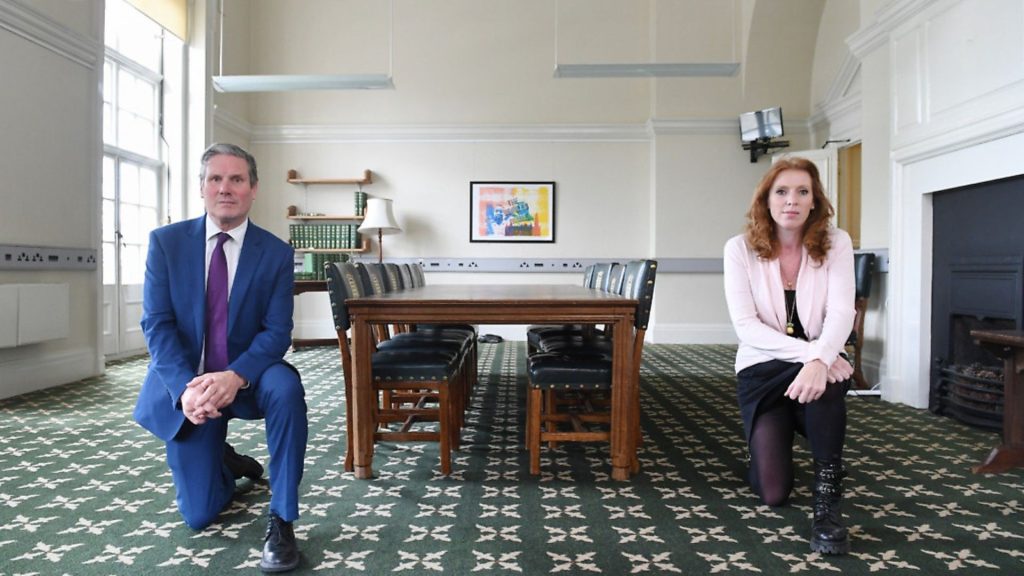
Keir Starmer was among them. Together with his current deputy Angela Rayner and other Labour politicians, the then opposition leader was photographed kneeling alongside members of the Black Lives Matter movement. "We kneel with all those opposing anti-Black racism", he stated.
Keir Starmer and Angela Rayner take the knee in support of Black Lives Matter protesters after the death of George Floyd in the United States. Photo: Twitter. Credit: Archant
The image became a symbol of its time. The then opposition leader wished to show that politics must not stand by in silence when people are harmed through state failure or state violence. Floyd's death had triggered a political and social debate that reached far beyond the United States and took hold in Britain as well.
Six years later, Starmer is once again confronted with images of a dying young man. Again, video footage exists of his final minutes. Again, the behavior of state actors is being debated. Again, the words "I can't breathe" are on record. And yet the political response has so far been conspicuously restrained.
Among the few prominent politicians to address the case directly is the Conservative Robert Jenrick, who has called Nowak's death a turning point for Britain. The Northern Irish MP Jim Shannon also spoke out, saying: "Young Henry Nowak could have been the child of any one of us."
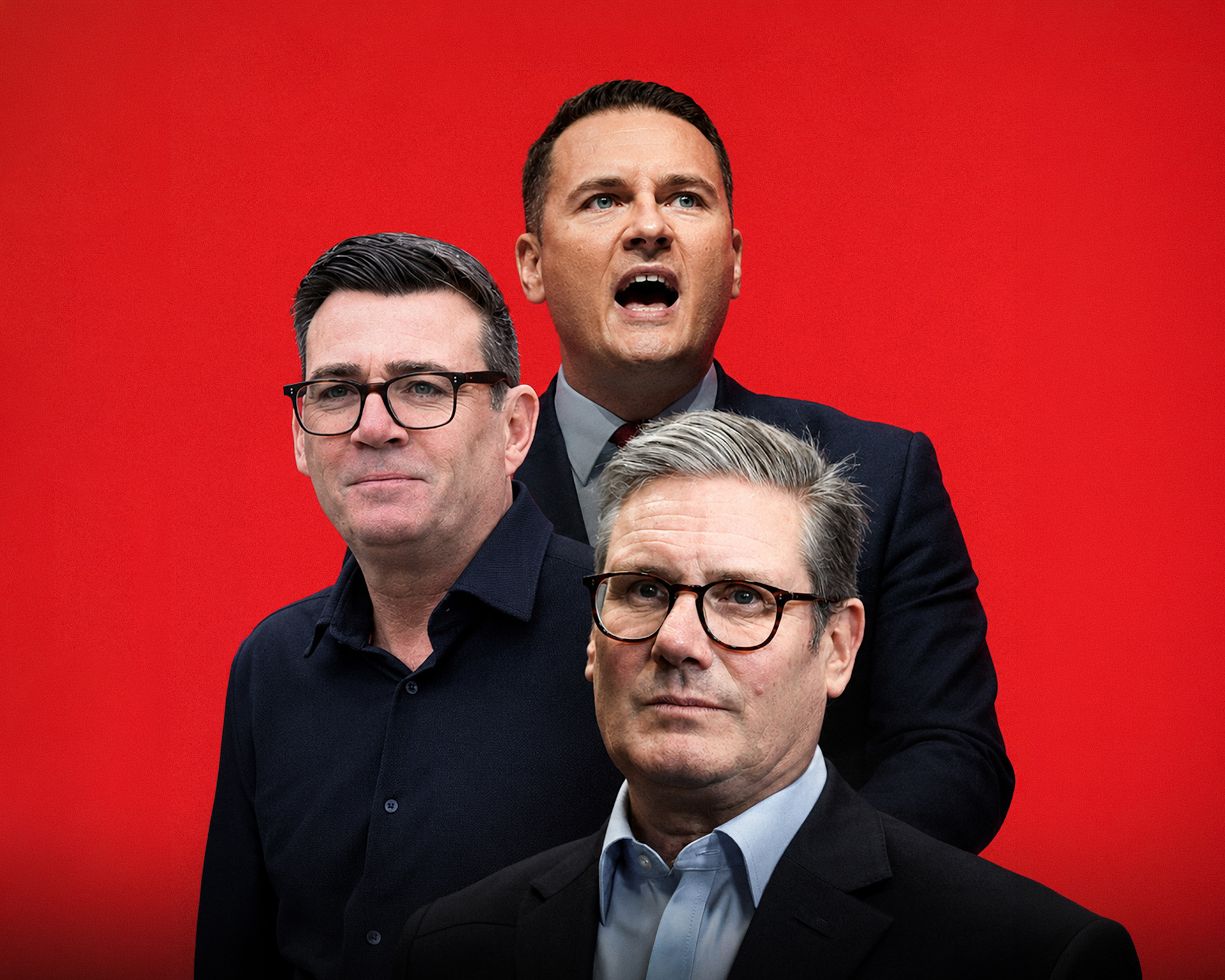
For Starmer, the case is politically uncomfortable on two counts: the questions it raises about the police, and the images from 2020. The photograph of the kneeling Labour leader exists. The expressions of solidarity from that time are on record. So far, the prime minister has not made the Henry Nowak case a political matter, and the silence from Downing Street is all the more striking for it.
The question of Digwa's guilt will be settled in court. The political debate has already moved beyond it. For many Britons, Henry Nowak has become more than the victim of a violent crime. His name has come to stand for a simpler, harder question: whether compassion, outrage and political attention are distributed according to the same standards for everyone.
The footage from Southampton will outlast the verdict. It shows the final minutes of a young student's life. It also holds up a photograph from 2020 and asks, quietly but persistently, why some deaths trigger political shockwaves while others pass in near silence.
Welcome to the comments section of the Štandard daily. Please take note of our guidelines, comments are moderated by us. You can contact the moderators at support@statement.com.
Participate in the discussion
Comments are available to subscribers only. If you'd like to join the discussion, choose a subscription starting at €6.72 per month.
All comments 0
Register
Comments are available to registered users only. If you'd like to join the discussion, register here.