
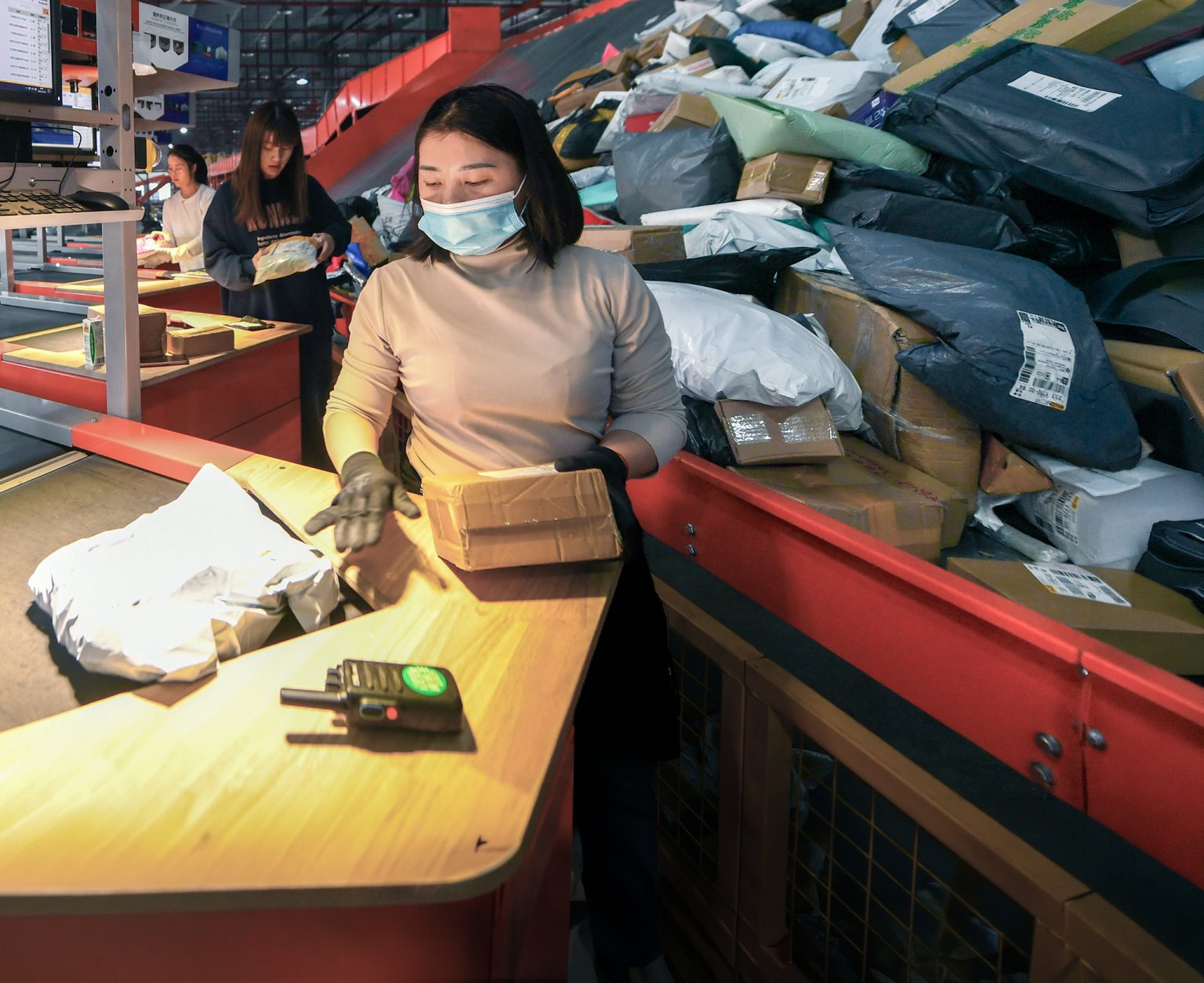
A large share of the parcels delivered to European homes and businesses every day now comes from online marketplaces such as Temu, Shein and AliExpress. Their appeal is simple: vast choice, very low prices and goods cheap enough that many customers are willing to accept lower quality.
The phenomenon has become a problem for Brussels. In an effort to protect a market that can barely compete with ultra-cheap goods, mainly from China, the European Union is abolishing the customs-duty exemption for shipments worth up to €150 from outside the bloc from 1 July 2026. It is also introducing a flat-rate duty for such consignments.
Customers of Temu, Shein and AliExpress will feel the change most clearly. Smaller e-shops and carriers will also be affected.

The End of Ultra-Cheap Parcels
In practice, the change means that almost every parcel from China, the UK or the US will become more expensive. Brussels says the measures are intended to create a fairer playing field between European retailers and foreign platforms.
Until now, small parcels have been able to enter the EU duty-free, although VAT still applied. The European Commission says the system has become unsustainable after the rapid growth of cheap online shopping.
The popularity of platforms such as Temu, Shein and AliExpress has been described in foreign media and analytical texts as “ultra-fast retail” or the “cheap parcel economy”: a model based on extremely cheap goods, mass small shipments and algorithm-driven impulse buying.
Analysts also speak of the “Temu effect”, which is changing consumer behavior in a way similar to fast fashion. Customers are becoming used to constant discounts and micro-purchases for a few euro. They are bombarded nonstop with “promotions” and supposed gifts that often serve mainly as sales triggers.
The European Commission describes the phenomenon more technically as a “mass influx of low-value parcels”. It says billions of ultra-low-value parcels from China are putting pressure on customs systems, European retailers and domestic manufacturers. Critics therefore speak of a race to the lowest possible price, regardless of the environmental, social and competitive consequences.
A Flood of Low-Cost Shipments
The figures show why the EU has decided to act. In 2024 alone, about 4.6 billion low-value parcels arrived in the EU, with 91% coming from China.
That meant millions of small parcels entering Europe every day, often with limited customs scrutiny. European retailers, meanwhile, have warned for years that foreign platforms enjoy a major price advantage.
Domestic firms have to pay tariffs, comply with EU rules and bear higher costs. Foreign sellers, by contrast, have been able to send cheap goods directly to customers with virtually no customs burden.
New Charges, Real Costs
The most important change will be a flat-rate duty of €3 for low-value goods. The duty will apply per item category, not per parcel. If a customer orders, for example, a T-shirt, cosmetics and an electronic accessory in one shipment, the duty could apply several times. Instead of €3, the customer might pay €9.
That may not be the only additional cost. A separate handling fee is also expected from 1 November 2026. It is intended to cover the cost of processing shipments. Some countries, including France and Italy, are also preparing national charges of their own.
The change will be most noticeable for people buying very cheap goods. If a customer orders a small item for €5, customs duty, a handling fee and VAT could all be added to the price. The final cost may therefore be higher than the price of the product itself.
For an order worth €5, the final amount could increase by about 121%. For a purchase of €15, the additional charges could amount to roughly another €8.
For more expensive products, the percentage increase will be lower, but still noticeable. An order worth €30 could become about a third more expensive. A shipment worth €140 could rise by about a quarter.
Brussels: Fairness and Safety
The European Union stresses that the change is not just about new revenue. Security risks and the quality of products from third countries are also important concerns.
According to Brussels, many products have been entering the European market without sufficient checks. The EU also points to the frequent undervaluation of consignments, with sellers understating the value of goods in order to avoid duties.
Customs controls are therefore expected to become much stricter. Platforms will also face greater responsibility under the broader reform. Online platforms selling into the EU, including Temu, Shein and AliExpress, are to be treated as importers and held responsible for customs duties and product-safety compliance.
If they repeatedly violate the rules, they could face fines of between 1% and 6% of their sales into the EU over the previous 12 months.

Changes for E-Shops and Carriers
The new rules will not affect only customers. Logistics companies and carriers such as DHL, UPS and FedEx are also facing major changes. They are expected to collect the new fees, which is likely to be reflected in shipping prices.
Smaller e-shops built on the direct import of cheap goods from Asia may also come under pressure. Analysts therefore expect some retailers to start moving warehouses directly to Europe.
Instead of sending thousands of small parcels from China, they may import goods in bulk to European warehouses and then ship them to customers from within the EU. Although that model is more expensive logistically, it could help limit new charges on each shipment.
The changes are part of a broader EU customs reform that Brussels unveiled in 2023. A new European customs data hub is due to become operational for e-commerce consignments in 2028. It is intended to give authorities a more centralized and digital view of incoming goods.
The new system is expected to expand to all imports by 2034. For Europe, the era of extremely cheap parcels from China is already coming to an end.