
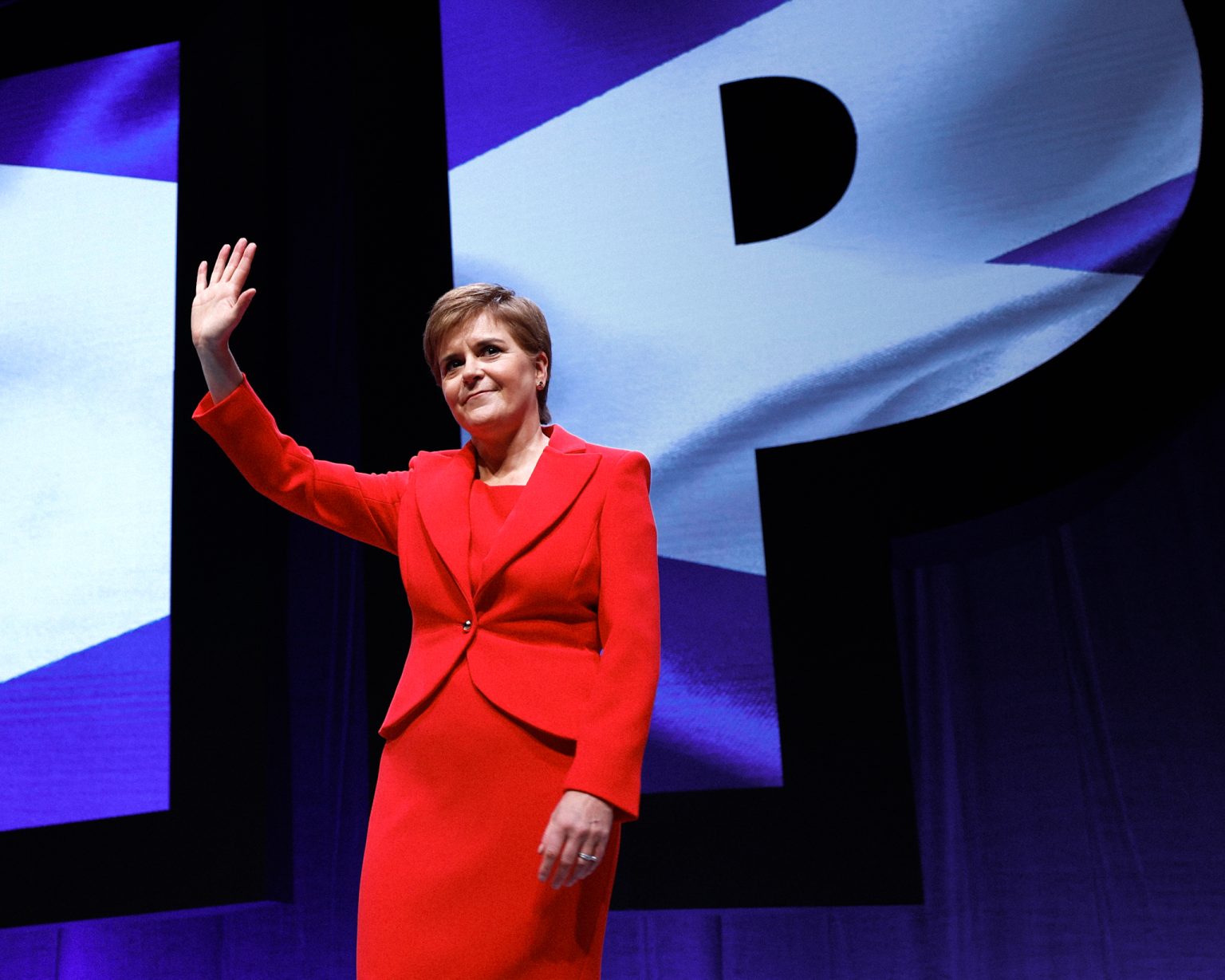
Peter Murrell, the long-serving former chief executive of the Scottish National Party (SNP) and estranged husband of former First Minister Nicola Sturgeon, has pleaded guilty to embezzling £400,310.65 (about $540,000) from the party over more than a decade.
The plea, entered at the High Court in Edinburgh, means that many questions about one of the most damaging financial scandals in modern Scottish political history will be left largely unanswered – not least who in the SNP’s leadership knew what and when.
The story broke dramatically into public view in April 2023 with a police raid on the couple's detached home in Uddingston, near Glasgow. Officers erected a large blue forensic tent in the front garden, cordoned off the property and searched the premises.
The SNP's Edinburgh headquarters were also searched.
Images of the tent dominated news broadcasts, symbolizing a once-unassailable political power couple now under suspicion. Sturgeon had been First Minister of Scotland from 2014 to 2023, winning three terms. Before her resignation, her position had often seemed to be untouchable.
Murrell was arrested as part of Operation Branchform, Police Scotland's investigation into how funds raised for a potential second Scottish independence referendum had been handled. Sturgeon was herself arrested weeks later but was cleared of wrongdoing, as was former treasurer Colin Beattie.
The Marriage, Money and Power Behind the SNP Crisis
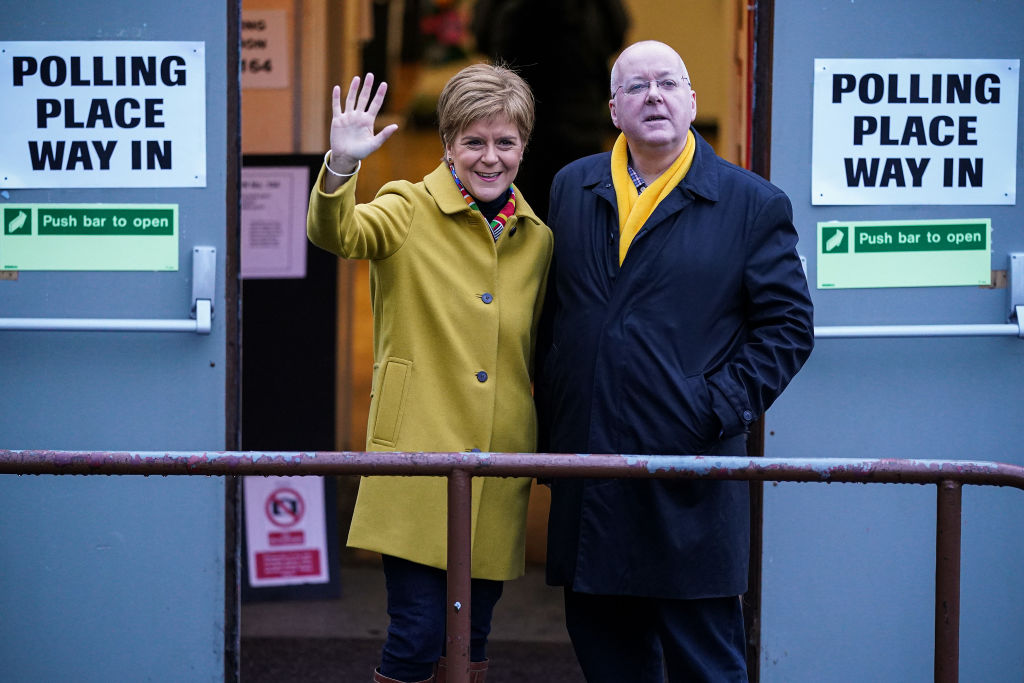
To understand the scandal, one must go back to the personal and political partnership at its heart. Murrell and Sturgeon first crossed paths in 1988 at an SNP youth event that he helped organize. She was just 18. Their romantic relationship developed later, blossoming around 2003 as they worked closely together within the party. They married in July 2010 in a low-key ceremony at Òran Mór in Glasgow.
Murrell, a party insider since the 1980s, rose to become SNP chief executive in 1999. He held that role for over two decades, wielding significant behind-the-scenes influence while Sturgeon climbed to become deputy leader and then, in 2014, First Minister and party leader following Alex Salmond's resignation. Their union brought together two of the most powerful figures in Scottish politics under one roof.
The financial troubles trace back to the fervor following the 2014 independence referendum, which the "Yes" campaign, led by the SNP, lost narrowly. Brexit in 2016 reignited hopes for a second vote ("IndyRef2"), but the SNP’s funds were low following the earlier referendum.
In March 2017, Sturgeon announced plans to seek another referendum, prompting the SNP to launch crowdfunding appeals. Donations poured in from enthusiastic supporters who believed their money was being "ring-fenced" specifically for an independence campaign. By some accounts, over £600,000 (about $805,000) was raised.
A few years later, doubts began to emerge about how the donations were being used. Bloggers such as Wings Over Scotland highlighted discrepancies in the SNP’s accounts, noting that the party had funds of under £100,000 (about $135,000) despite its fundraising.
 https://statement.com/1221919/how-a-split-on-the-right-could-open-a-path-to-downing-street]
Scandal Shadows Sturgeon’s Exit
The then-treasurer Colin Beattie claimed it was a “social media conspiracy” and that the funds were “woven through” the general accounts. Doubters were not persuaded, and three members of the SNP's Finance Committee resigned in protest after Murrell blocked their access to detailed records. Senior SNP figures, including Sturgeon herself, publicly insisted no money was missing.
The mainstream Scottish media often downplayed the story, but persistent independent scrutiny kept it alive. The police formally launched Operation Branchform in July 2021 to investigate potential fraud in the handling of referendum donations.
The 2023 police raid on Murrell and Sturgeon’s home uncovered evidence linking party funds to personal purchases, including a luxury motorhome, cars, one of them a Jaguar, high-end watches and household items. Among the more comical purchases were a musical advent calendar costing £165 (about $220) and a copy of Grand Theft Auto V.
The scandal contributed to Sturgeon's decision to resign as First Minister and SNP leader in February 2023, which she attributed to personal burnout and the need for a fresh approach on the independence strategy.
Murrell was charged with embezzlement of around £600,000 (about $805,000), but prosecutors accepted a guilty plea to a reduced figure of £400,000 (about $540,000). He admitted using the money for a “lavish lifestyle” he craved but could not otherwise afford and is due to be sentenced in June 2026.
The SNP’s Credibility Crisis
Sturgeon issued a statement expressing anger, hurt and distress, saying she had “no knowledge or suspicion whatsoever” that Murrell was using SNP funds for personal purposes. “I was misled just as others were”, she said, adding that she had been “fully cleared after a thorough investigation”.
Some observers argue that the guilty plea has effectively closed the case without a public trial. There will be no cross-examination of key figures, including Sturgeon.
Questions also linger about the full extent of missing funds and whether senior party figures exercised sufficient due diligence.
Although the SNP has since rebuilt its political power and performed well in the recent Holyrood election, the scandal still casts doubt on the party’s credibility and on the feasibility of a future Scottish independence referendum.
Not only did the SNP fail, but the wider Scottish media as well, with effective scrutiny relying on a handful of grassroots pro-independence activists worried about where their money had gone.
Whether the party can rebuild its credibility remains an open question, but the stolen dreams of donors may prove hardest to recover.