
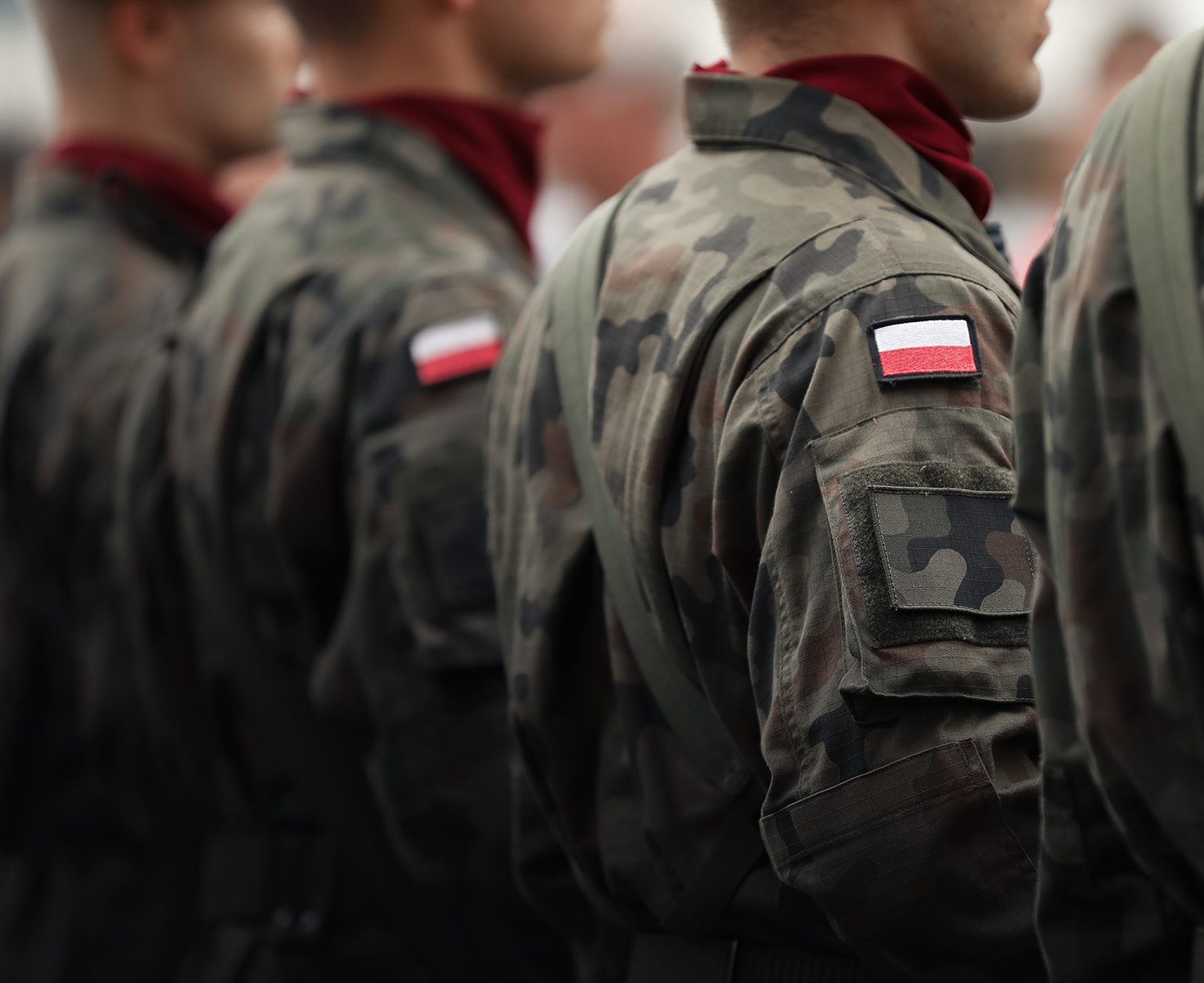
On 27 May, the high-profile trial of Polish soldier Karol S., a member of Tadeusz Kosciuszko’s 1st Armoured Brigade from Warsaw, reached its conclusion at a military court in Lublin, eastern Poland. From the start, it was clear that the verdict, whatever it was, would intensify passions in a polarized Polish society.
Karol S. was acquitted of all charges. “The soldier was sent to the border to protect its inviolability. And that is what he did. If the prosecutor thinks otherwise, in the court’s opinion he is quite mistaken”, said the judge, Lieutenant Colonel Radoslaw Hunek.
Shots at the Border
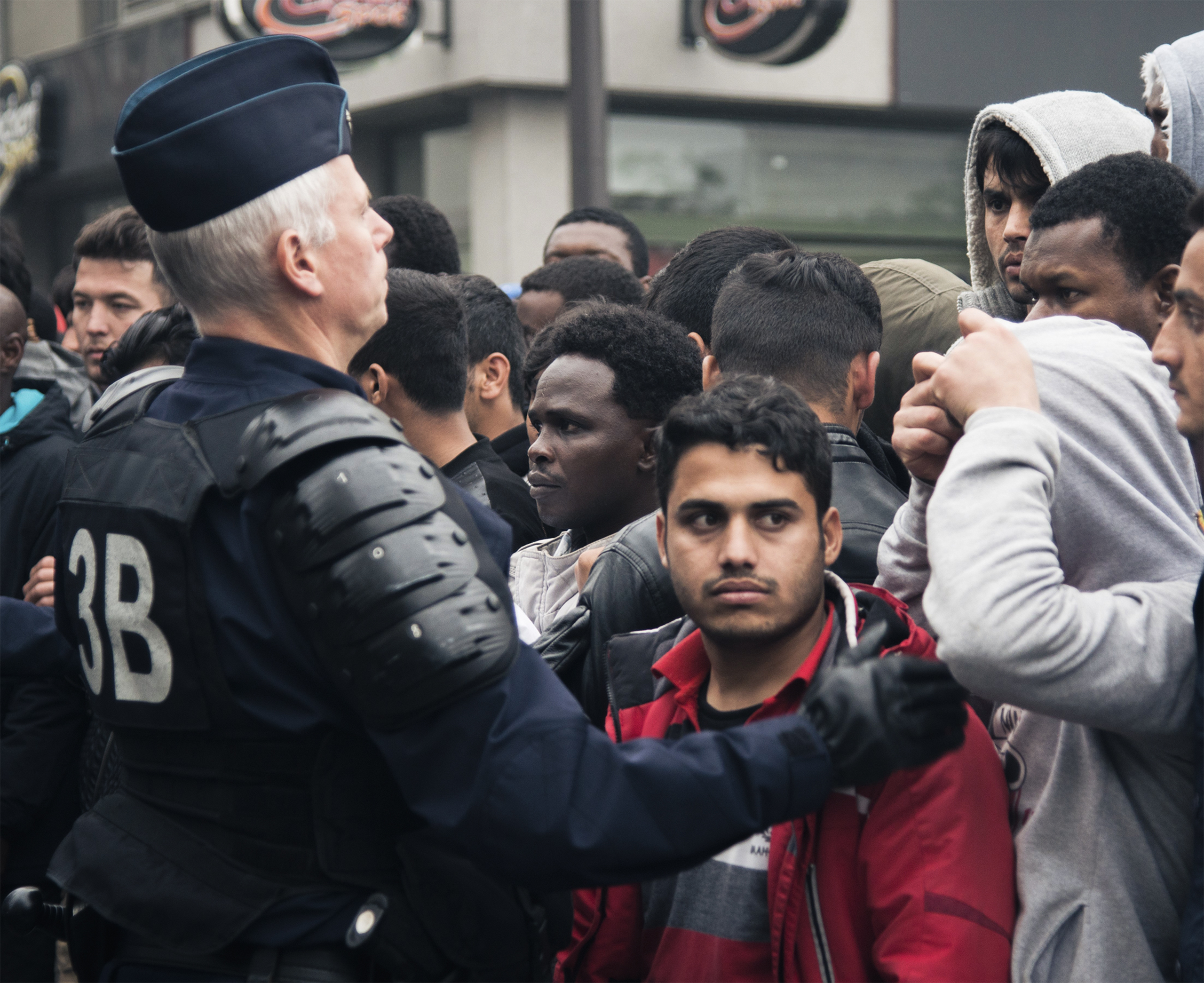
In March 2024, 10 migrants from Africa and Asia used a car jack to damage and climb over a fence built to stop illegal crossings on the Polish-Belarusian border near the village of Dubicze Cerkiewne. Polish border guards ran towards them and fired warning shots into the air.
Two soldiers from the support company, including Karol S., heard the shots and moved quickly to help the border guards. The warning shots did not stop the intruders, who continued towards the Polish interior. According to his own account, Karol S. shouted “Wojsko Polskie, stop!” (Polish Army, stop!), but the men kept advancing. At that point, the soldiers opened fire.
“The accused Karol S. fired a total of 12 shots at the group of migrants, border guards and soldiers. All the bullets missed the group, three of them bounced off the fence, the ground and the barbed wire. Meanwhile, the migrants retreated to the Belarusian side and threw stones and branches at the Polish officers and soldiers”, the prosecutor’s office told the court.
Military police arrived at the scene immediately and detained the two soldiers. The move was welcomed by left-wing activists and sparked outrage within the army itself, whose leadership said the uniforms had been dishonored. One of the two soldiers was cleared for lack of evidence. Karol S., however, still faced trial.
A Border Under Pressure
According to Polish findings and statements by migrants themselves, Belarusian border guards are equipping foreigners with ladders, wire cutters and other tools needed to cross the Polish-Belarusian border. Polish border guards also say specialists from the Middle East are building cross-border tunnels. The migrants are brought to Minsk by air with valid Belarusian tourist visas.
Warsaw therefore began building a border fence in January 2022 to deal with the continuing flow of migrants trying to enter Poland from Belarus. The basic structure was completed in early summer of that year.
Attempts to cross the border by force have not stopped. In May 2024, two months after the shooting involving Karol S., 21-year-old soldier Mateusz Sitek was fatally wounded at the Polish-Belarusian border by a migrant who stabbed him through the fence. On the day Karol S. opened fire on the intruders in March, 50 people in their 20s and 30s had already crossed the fence in the area.
No One Was Injured
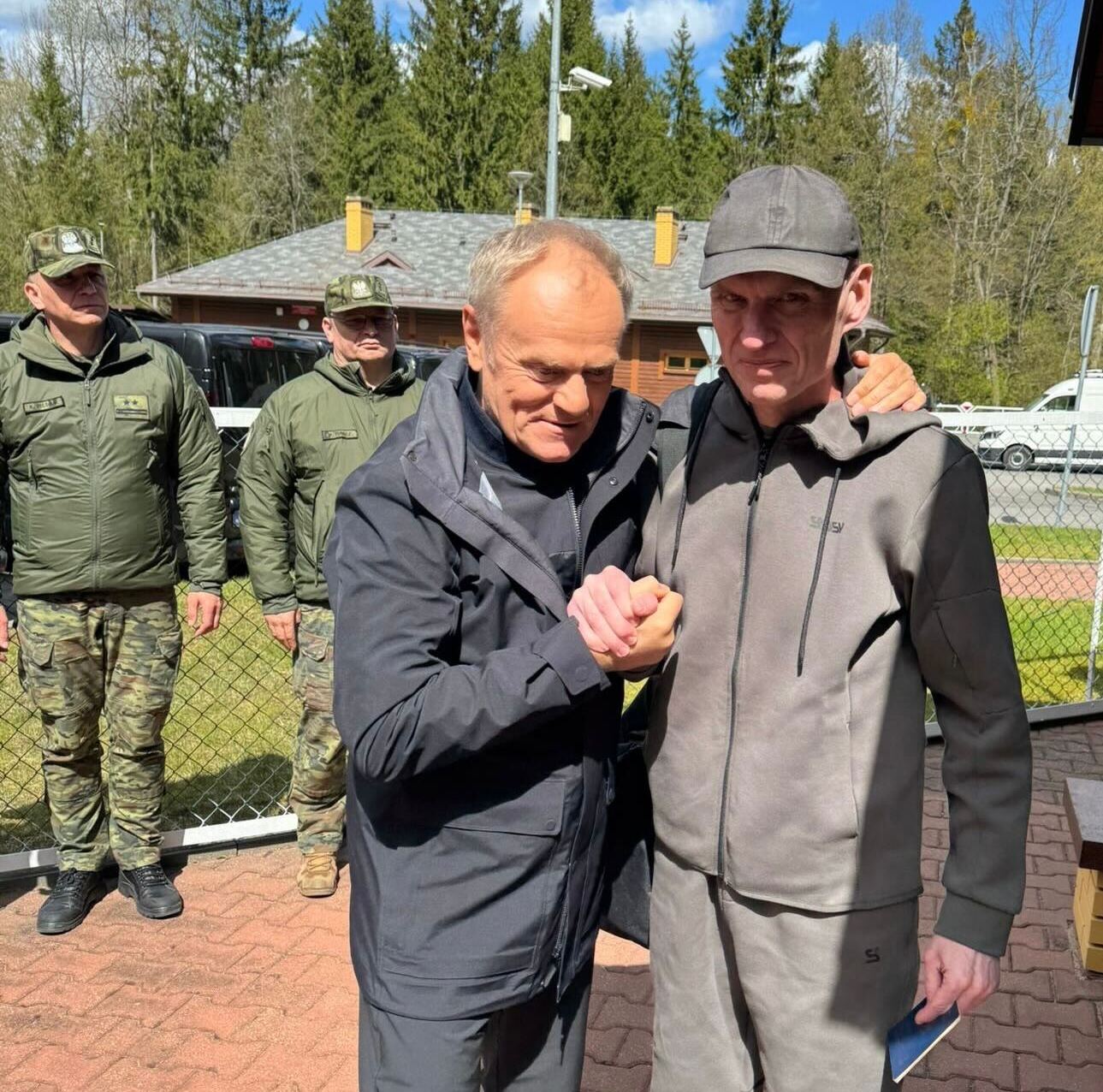
Polish Prime Minister Donald Tusk had called for a swift resolution of the case, which has stirred strong emotions. Tusk’s government had earlier backed the soldier after the shooting. After military police detained Karol S. and his colleague, the defense ministry set up a Soldiers’ Rights Protection Team and took other measures to expand the powers of soldiers defending the inviolability of Poland’s borders.
The migrants withdrew unharmed to Belarus after Karol S. opened fire. The court heard that the accused soldier was an excellent shot and would have hit them if he had wanted to. The Border Guard had argued that he also endangered its officers by firing, but the officers themselves denied that.
The court therefore ruled that, since no one was harmed, there was no reason to convict anyone. Karol S. said he had been mentally exhausted by the case and would not return to the army until next year. He called on politicians not to exploit the case against him or other soldiers facing similar accusations.
A T-Shirt Sparks Anger
Karol S. also said that he “has his own political views”. His choice of clothing at the hearing drew further attention to that remark. According to reports, he wore a white T-shirt bearing the emblem of Honor, a Polish nationalist heavy metal band, along with the words “Krew za krew” (Blood for Blood) and references to the album Urodzony Bialym (Born White).
After the trial, sociologist and activist Rafal Pankowski expressed outrage, saying that a similar display in Germany would probably have had consequences and could have led to another criminal case. He added that Poland “should be especially sensitive to manifestations of neo-fascism”.