
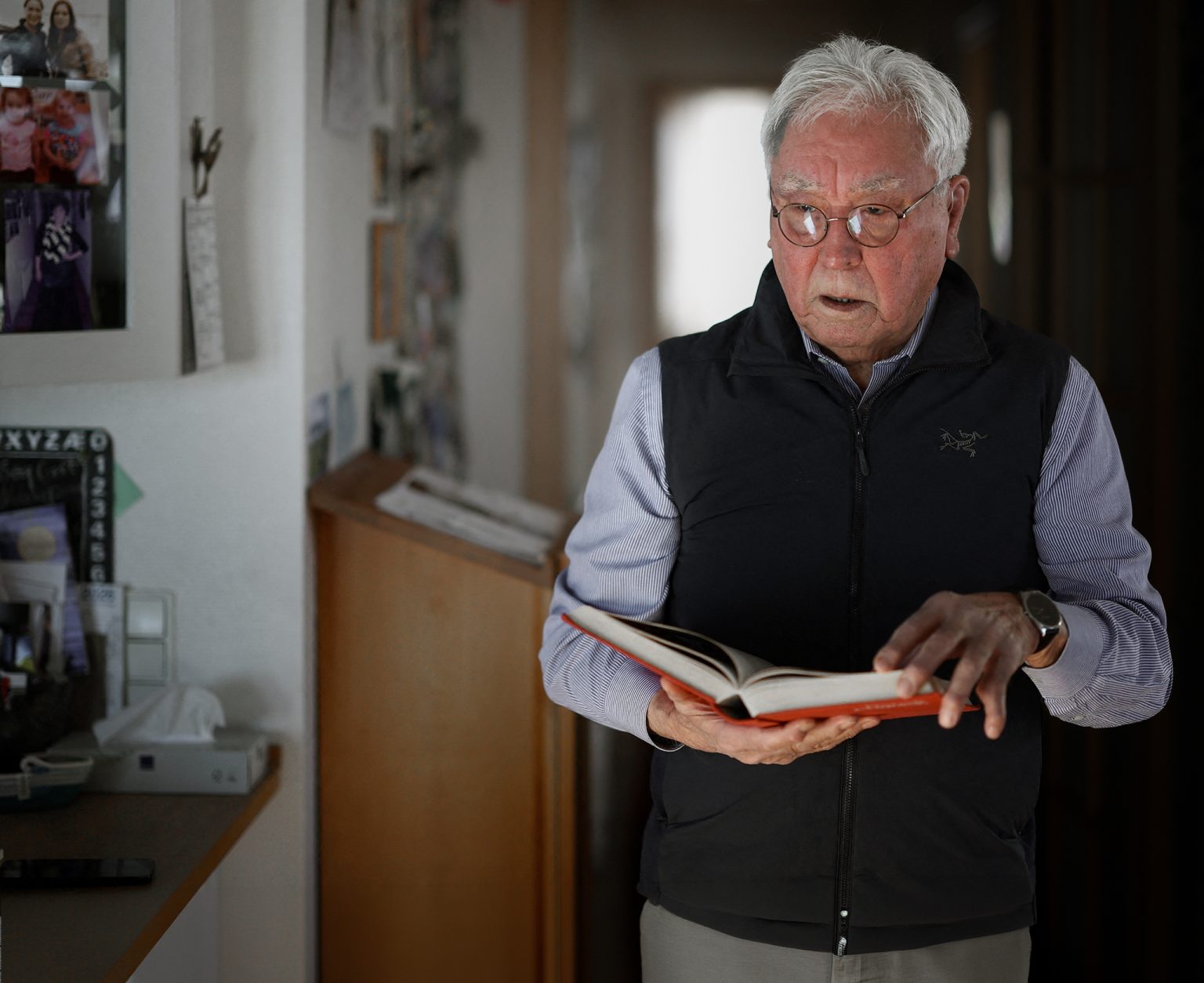
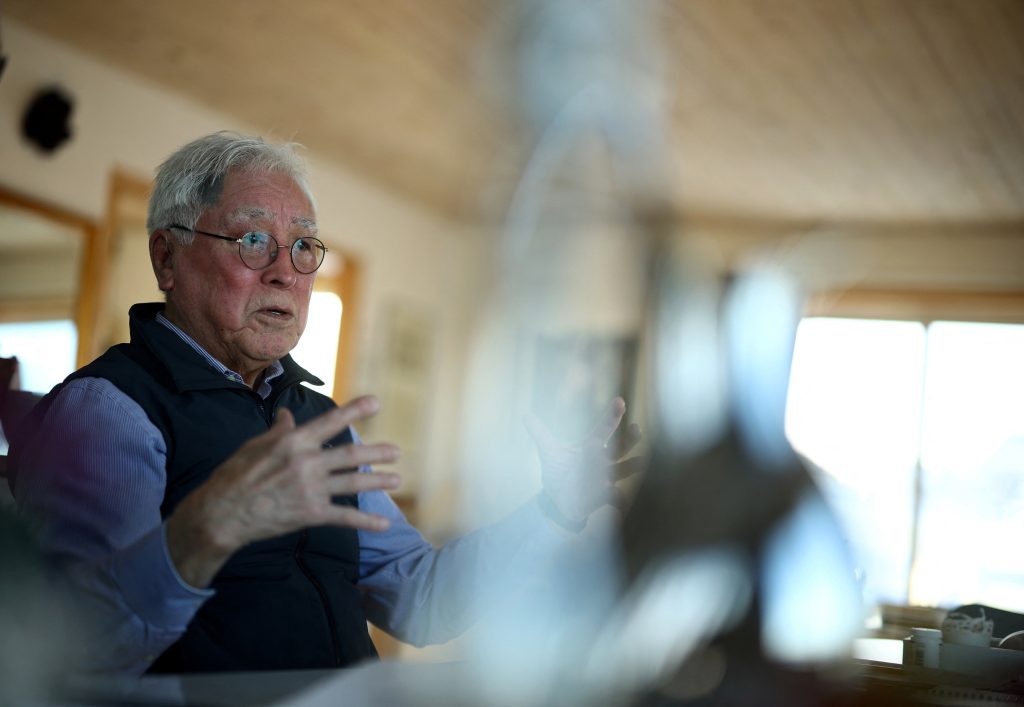
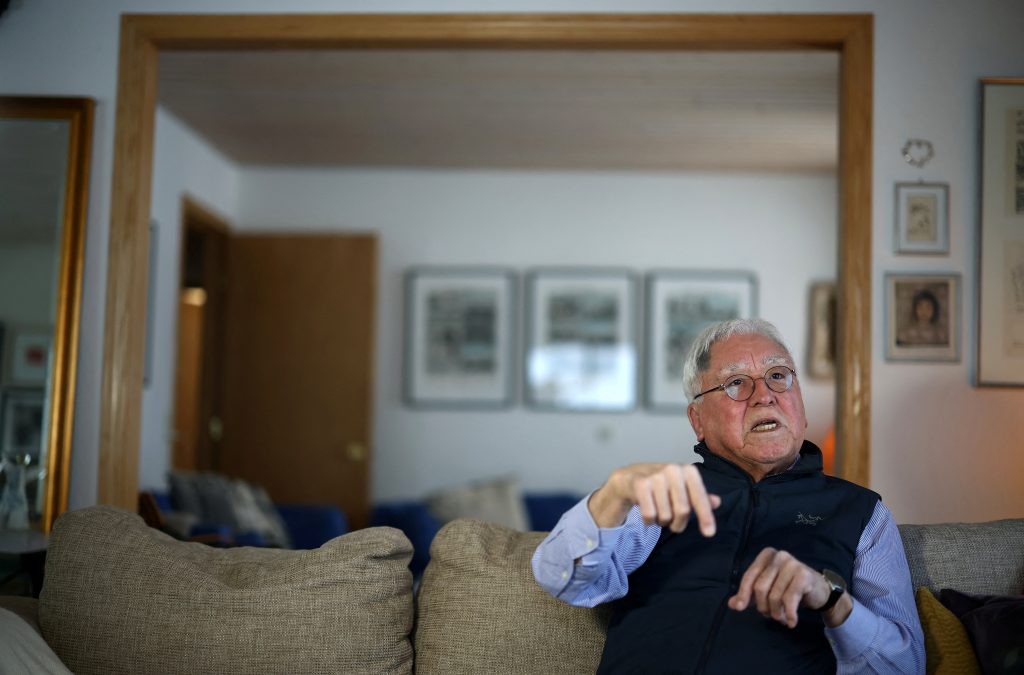
Aqqaluk Lynge has been one of the most prominent voices for Greenlandic independence for the better part of five decades.
A poet and Inuit activist, he co-founded one of the island's largest pro-independence parties, condemning Denmark as an exploitative colonial power and calling on Greenlanders to break away.
"They must be removed. We will no longer pay the price", he wrote in a 1975 poem. "Suffering cannot be relieved by consolation. Oppression is something to fight against."
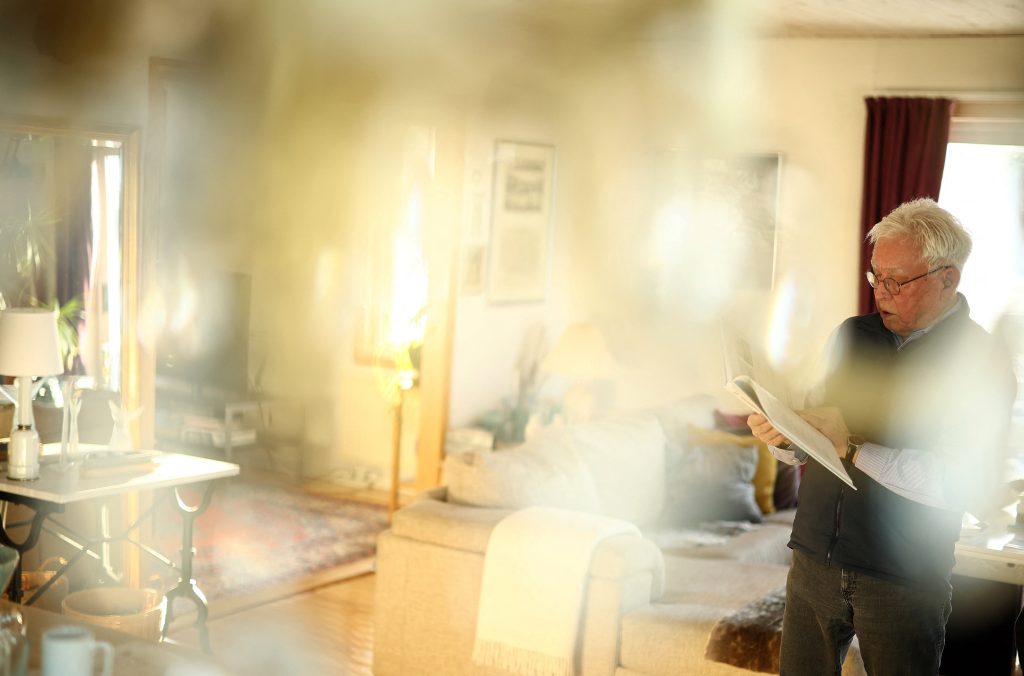
Today, Lynge believes Greenland faces a far graver threat than Danish colonialism. US President Donald Trump has repeatedly demanded control of the vast Arctic island on national security grounds, and Lynge now considers Denmark not an oppressor but a protector, one his homeland must stay bound to permanently.
"We feel betrayed by the United States", the 78-year-old said at his home near the capital Nuuk, where chunks of ice drift past his window in a nearby fjord. "We are in a very difficult situation where the only ones who can save us today are Denmark and Europe."
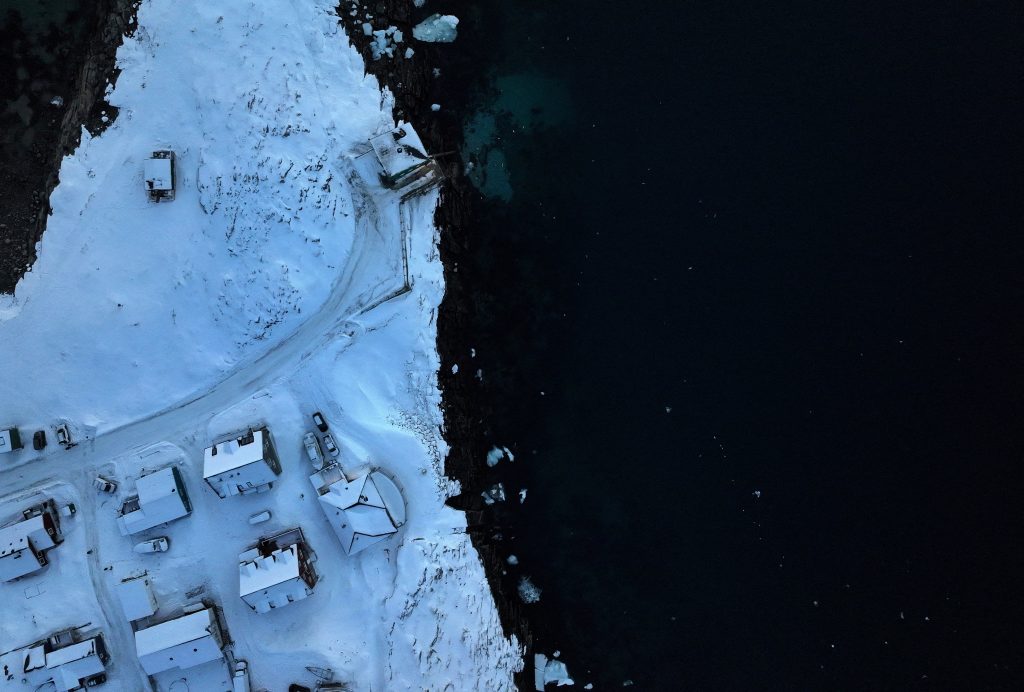
Lynge is far from alone in this. Trump's repeated demands over Greenland triggered a wave of political backlash across the island, comparable in some ways to the patriotic anger that swept Mark Carney's Liberals back to power in Canada after Trump's rhetoric about absorbing the country as America's "51st state".
Greenland Belongs to the People of Greenland
For decades, politics in Greenland, a self-governing Danish territory of around 56,000 people, was the preserve of parties committed to independence. That changed with elections held in March 2025 under the shadow of Trump's threats. The government is now led by a party that has set aside any discussion of independence for the foreseeable future, and even ministers who once championed the cause have distanced themselves from it in recent months.
"Our dream is to have self-determination, but right now we need to protect our future", Greenland's Foreign Minister Mute Egede told Reuters. "If the US takes us, the dream of self-determination will not exist anymore."
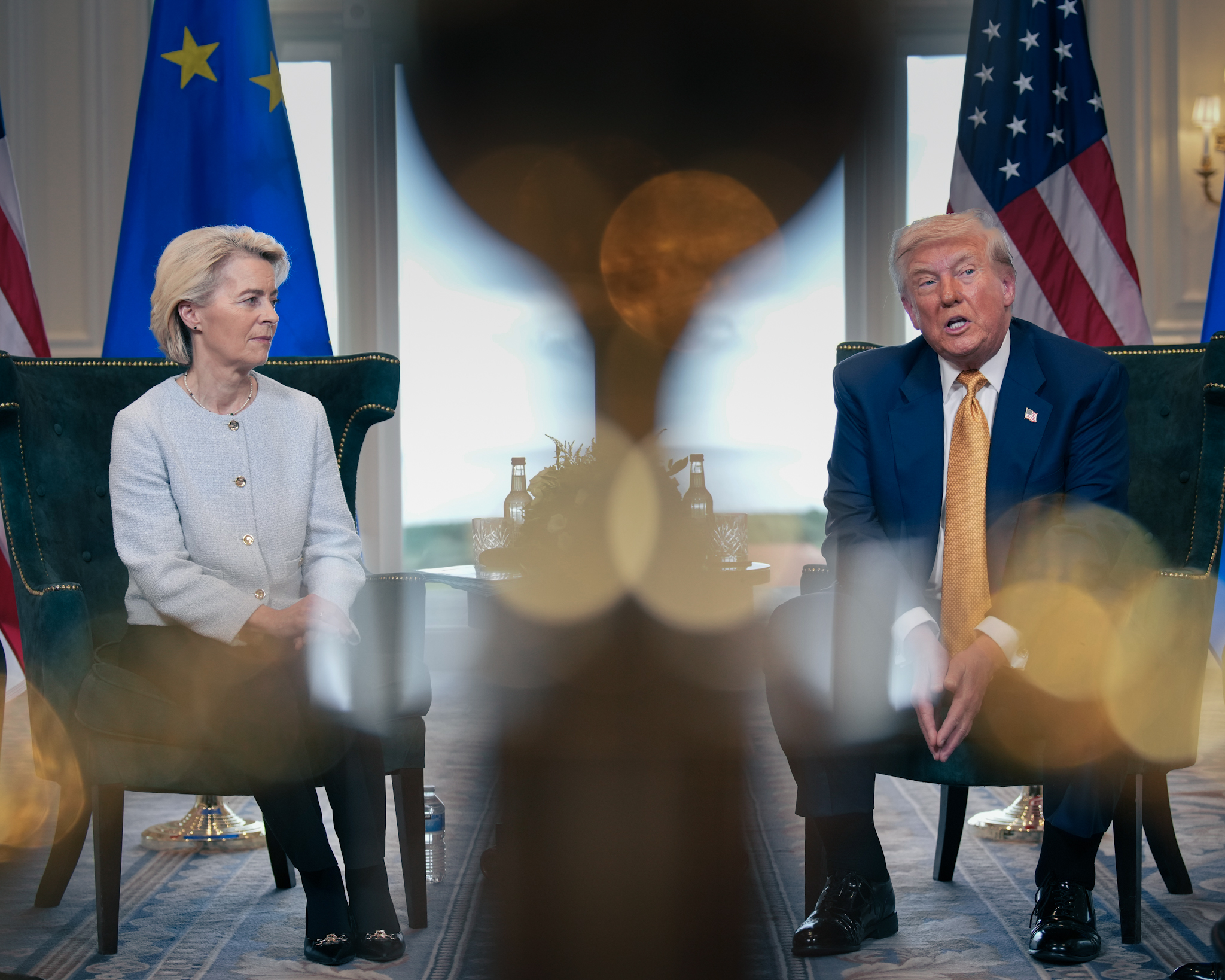
The shift is all the more striking given the depth of Greenland's grievances against Denmark. The island was colonized by Denmark centuries ago, and Copenhagen still controls its foreign policy and defense. Among the most painful episodes of that history were efforts in the 1960s and 1970s to suppress population growth by administering contraceptives to thousands of Inuit women and girls, many without their consent.
Prime Minister Mette Frederiksen said that "Greenland belongs to the people of Greenland" and that only its people should determine its future. She added that Denmark had apologized for its colonial wrongs, including the contraception program.
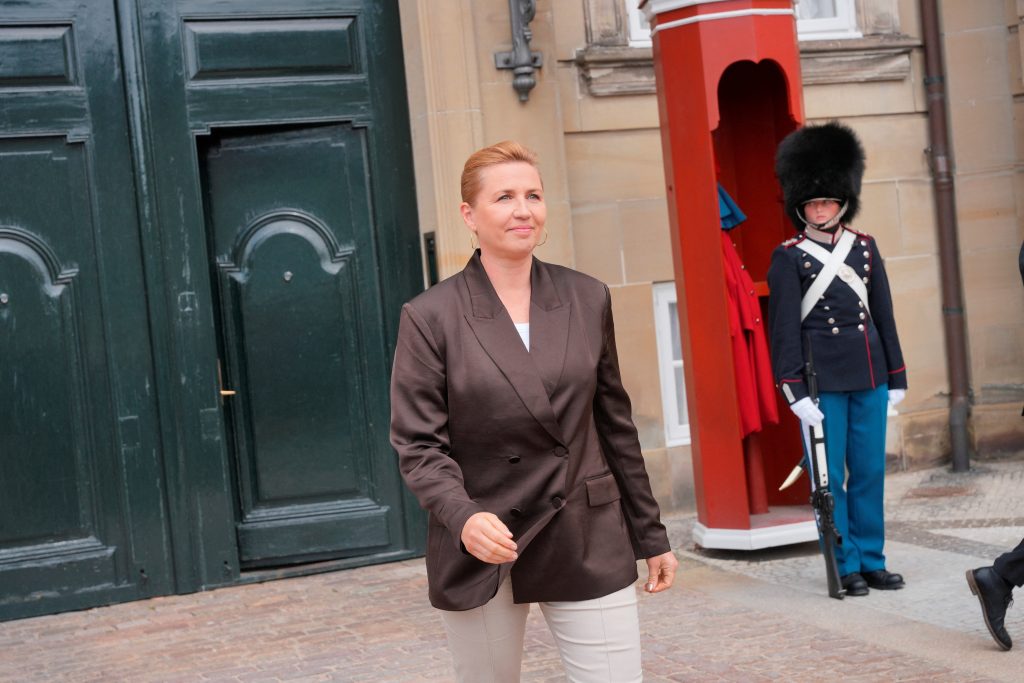
"We must have the courage to face the wrongdoings of our shared past", Frederiksen said. "That is the only way to maintain a close and respectful relationship between our two countries going forward. Greenland and Denmark are standing closely together."
A White House official said Washington is in talks with Greenland and Denmark over national security and expressed confidence that the discussions are heading in the right direction.
The State Department struck a similar note, saying it was "confident we can find a solution that protects US national security, acknowledges Denmark and Greenland's concerns, and dramatically improves future opportunities for the people of Greenland". Greenland's Prime Minister Jens-Frederik Nielsen did not respond to a request for comment.
To understand what is happening in Greenland, Reuters spoke to dozens of politicians, officials and residents across the territory. Several cited Lynge by name, describing his journey as a mirror of the broader transformation their homeland is undergoing.
That journey began in the 1950s, when Lynge's parents sent him to Denmark to study. His political convictions were forged in 1968, when an American bomber carrying nuclear weapons crashed in northern Greenland. Copenhagen denied having permitted such overflights, which would have violated Denmark's nuclear-free territory policy. Lynge did not believe the denial and condemned what he called Danish "hypocrisy", a charge that would shape his politics for decades.
A report later commissioned by the Danish government confirmed that Copenhagen had indeed authorized the overflights. The permission was bound up in the broader logic of the Cold War, under which the US maintained a continuous nuclear deterrent against the Soviet Union.
When Lynge returned to Greenland from his studies in 1976, he channeled that anger into political action, co-founding the Inuit Ataqatigiit party. Together with Siumut, another pro-independence party, Inuit Ataqatigiit went on to dominate Greenlandic politics for decades, with both parties pushing for ambitious steps toward independence while acknowledging that Greenland needed time to build its economic foundations. Since gaining self-government in 1979, Nuuk has gradually taken on greater responsibility for the island's public services.
How Trump Reshaped the Vote
The scale of the change becomes clear against the backdrop of the 2021 elections, in which Inuit Ataqatigiit and Siumut, together with Naleraq, a smaller and more radical pro-independence party, took nearly 80% of the vote between them. Demokraatit, a pro-business party that favors gradual movement toward independence and close ties with Denmark, managed around 9%.
That picture shifted dramatically after Trump returned to the White House in January 2025 and intensified his campaign to acquire Greenland, threatening Denmark with tariffs if it refused to sell the island and declining to rule out military force. Days before the March election, he left little doubt about his intentions: "I think we're going to get it, one way or the other, we're gonna get it."
Trump's rhetoric had a direct effect on Greenlandic voters. Demokraatit, buoyed by alarm over US intentions and by domestic grievances including frustration with fisheries reforms, tripled its vote share to 30% and became the largest party on the island.
The outcome astonished even Per Berthelsen, who founded the party. Turning to his wife as the results were declared, he could barely contain his reaction. "I think this is going to be a historic election", he said.
Nielsen, the Demokraatit leader, moved quickly to build a broad coalition, bringing together Siumut and Inuit Ataqatigiit, the two longtime pro-independence parties that had jointly won only 36% of the vote, alongside a smaller pro-Denmark party.
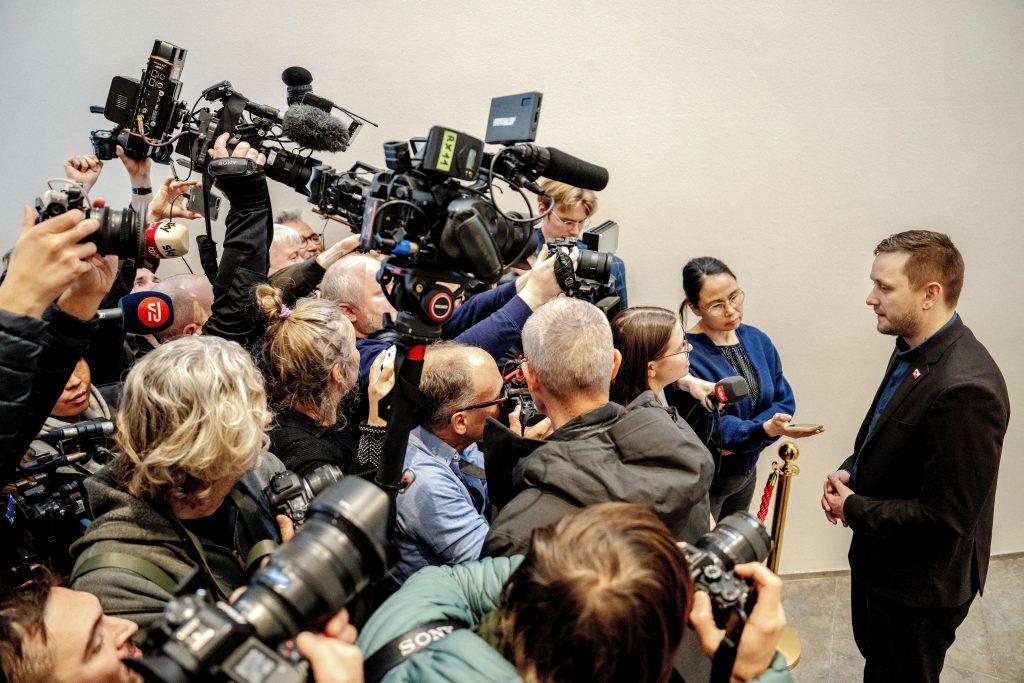
The following month he flew to Copenhagen to demonstrate solidarity with Prime Minister Frederiksen. Standing alongside her at a joint press conference, he was direct about what the moment required: "We are in a foreign policy situation which means we have to move closer together."
Preparing for the Worst
Lynge is not the only one whose views have shifted. Bent Olsvig Jensen, a businessman who had long championed greater US investment in Greenland, found himself reconsidering that position once Trump's threats began in earnest.
Jensen, who was born in Denmark but has spent decades in Greenland working in mining, said he does not fully believe a US military attack is likely. Even so, he felt compelled to raise the possibility with his 21-year-old son, and was shaken by the response: the young man said he wanted to buy ammunition in case of an invasion.
As he recounted the conversation, Jensen wept. A veteran of the Danish army's deployment in Bosnia in the 1990s, he knows what war inflicts on a country and its people: "That is the last thing you would want." Yet he said he was proud of his son for being prepared to stand up to a global superpower.
Jensen is not alone in his preparations. Two other Greenlandic businessmen, who asked not to be named, said they had also stockpiled weapons and ammunition against the possibility of a US attack and that many of their acquaintances are doing the same.
The psychological toll is measurable. The proportion of Greenlanders reporting mental health problems has risen from 7% to 31% over the past year, according to a study published last month by a public health institute in Greenland, based on responses from 308 people. Its authors found that the crisis prompted by Trump's threats to seize the island is "significantly affecting" the mental health and well-being of residents.
When the World Changes, Strategy Must Follow
Egede, Greenland's foreign minister, pushed back against the suggestion that the new government is using US pressure as a pretext to sidestep Denmark's colonial record.
"We have not forgotten it", said Egede, who has also served as prime minister. "But in the situation we are in right now, we need to keep our right to self-determination, and this means that we need to cooperate very closely with the whole of the Kingdom of Denmark."
Egede is himself a supporter of Inuit Ataqatigiit, the party co-founded by Lynge, and his own position has shifted, though less sharply than Lynge's. He still believes in independence, but regards it as a goal for a later stage.
The government's shift toward Denmark amounts to a vindication of her father's position, according to Pipaluk Lynge, an Inuit Ataqatigiit member of the governing coalition who chairs the parliamentary committee on foreign affairs and security.
Even she, she said, was taken aback by her father's reversal on independence. "He is not ashamed to admit that the visions he had as a young man are now unrealistic", she said in an interview at the Greenland Parliament.
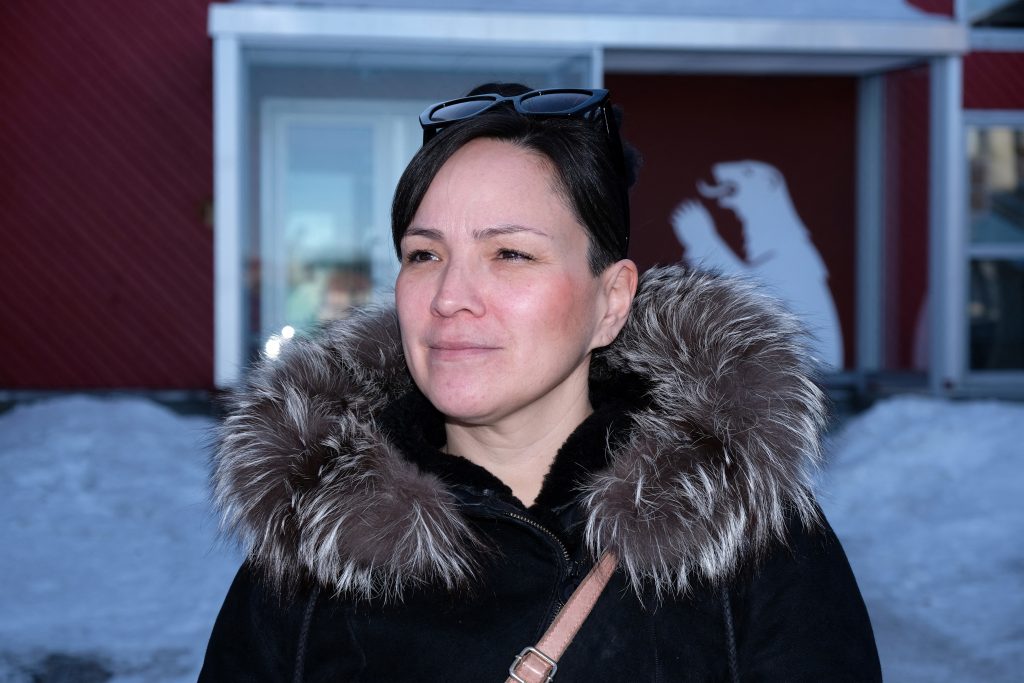
Pipaluk traces her father's change of view to Trump's first term. In 2019, the president floated the idea of buying Greenland and canceled a planned state visit to Denmark after Prime Minister Frederiksen dismissed the proposal as "absurd". At the time, Aqqaluk Lynge took the threat more seriously than most of his fellow Greenlanders, many of whom felt he was overstating the danger, his daughter said.
That changed when Trump returned to the White House and pressed his claims over Greenland with renewed force. Doubts about whether he would follow through dissolved, Pipaluk said, in January of this year, when the US military detained Venezuelan President Nicolas Maduro. She recalls waking up to the news and understanding, with sudden clarity, that Trump's words could no longer be dismissed.
Everything is different now, she said.
"I think everyone knows, whether you're a foreign minister or a local bus driver, that the world has changed", Pipaluk Lynge said. "When the world changes, your strategy and your thinking should change also."
Within days of the Maduro operation, Prime Minister Nielsen delivered his most unequivocal statement of support for Denmark yet. "We face a geopolitical crisis, and if we have to choose between the US and Denmark here and now, then we choose Denmark", he told reporters. "We stand united in the Kingdom of Denmark."
For Aqqaluk Lynge, it was the declaration he had been waiting for. "I am so happy that the government, the coalition government, finally declared: we are part of the Danish realm", he said. "Now we understand that the only freedom that we have had for the last 300 years has been together with Denmark."
Trump has since done little to assuage the islanders' concerns.
Shortly after the Maduro operation, the White House said it was considering the use of military force to take Greenland, a statement that prompted Denmark and NATO members including Britain and France to dispatch small contingents of troops to the island.
Danish national television reported that Denmark's concern about a potential invasion ran deep enough for its soldiers to bring blood supplies from home, along with explosives intended to destroy airstrips and deny the US a landing. Trump has since said he is negotiating with Denmark and NATO to secure "total access" to Greenland.
The Danish prime minister's office declined to comment on the television report.
Denmark's Colonial Reckoning
Not all Greenlanders have followed Lynge in his support for Denmark.
The March elections also brought significant gains for Naleraq, the island's most radical pro-independence party, which nearly doubled its share of the vote to around 25%, up from 12% the year before. The party campaigned on the argument that Greenland should treat the confrontation with Trump not as a threat to be weathered but as an opportunity to press Denmark for immediate independence.
"Denmark is not a partner for us. It is a hostage-taker", Naleraq party chairman Pele Broberg told Reuters. He said he was frustrated by the new government's reluctance to accelerate the independence process. "Now we got the chance to actually do something and they all run screaming to the hostage-takers to say, 'Protect us from the rest of the world'."
This frustration with Denmark draws on grievances that go back decades. Among the most painful is a campaign carried out in the 1960s and 1970s in which Danish doctors administered contraceptives to thousands of Greenlandic women and girls, in many cases without their consent, in a deliberate effort to reduce the territory's birth rate. Some islanders who lived through that period are still alive to remember it.
The full extent of this campaign has only emerged in recent years through media reports and government-commissioned investigations by Greenlandic and Danish universities. In 2024, Greenland's then prime minister described it as genocide, citing its effect on the country's population growth. The Danish government apologized the following year and offered compensation to those affected.
For Ineqi Kielsen, the colonial period is not a matter of history books. The deputy chairman of Siumut, whose grandfather co-founded the party, grew up on his parents' accounts of what Danish rule had meant in practice. Among the stories that stayed with him was that of his grandmother, whom Danish doctors forced to deliver her baby at seven months. The boy was taken to another room, where he died.
Every January, Kielsen said, his father would mark the date and address the family: "Today, my little brother will be 30 years old, or 40 years old."
The Siumut party leader did not respond to a request for comment for this article.
Other wrongs from the same era have since been acknowledged by Denmark. They include the forced closure of dozens of small settlements and a program under which Greenlandic children were taken from their families and placed in Danish foster homes, with the explicit aim of assimilating them into Danish society. Officials at the time referred to the children as "little Danes".
More recent grievances have also come to the surface. Greenlandic activists have highlighted the continued use of decades-old parenting assessment tests that, they argue, have resulted in hundreds of Greenlandic children being removed from their families and placed with Danish households.
A 2023 report by the UN Special Rapporteur on the Rights of Indigenous Peoples lent weight to those concerns, finding that the tests, which are conducted in Danish, displayed "serious cultural biases" that made it significantly more likely that Greenlandic parents would be incorrectly assessed as having cognitive disabilities.
In 2025, the Danish government discontinued the use of the tests for Greenlandic families following the controversy.
Frederiksen said Denmark and Greenland had agreed to open a new inquiry into their relationship since World War II. As prime minister, she said, she was committed to confronting "some of the darkest chapters" of their shared history.
Aka Hansen, an independence activist who grew up in Denmark, said most Danes still know next to nothing about the island. As a child in Denmark, she recalled being asked whether she rode to school on a polar bear's back, or whether Greenland had roads at all.
"Danish people are not taught anything about our culture, our society, our language, anything."
The 39-year-old dismissed Lynge's views, saying his political development had stalled. "My parents' generation were fighting for independence in the 70s, when they were young. And so, my generation inherited this fight that we are continuing today."
A Dream Suspended
For many Greenlanders, anger at Denmark has recently been overtaken by fear of American aggression. Kielsen, the deputy chairman of Siumut, said he remains personally committed to ambitious self-determination. Most Greenlanders, however, no longer share that commitment, he said, at least for now.
"People are scared", Kielsen said. "The Danish military trains on the roads here. They have their guns. It's like we are in the warzone. So I think people are – these days, these difficult days make people think: let's wait."
Lynge takes quiet satisfaction in the political shift his homeland has undergone. But he is not without concern about whether it will endure.
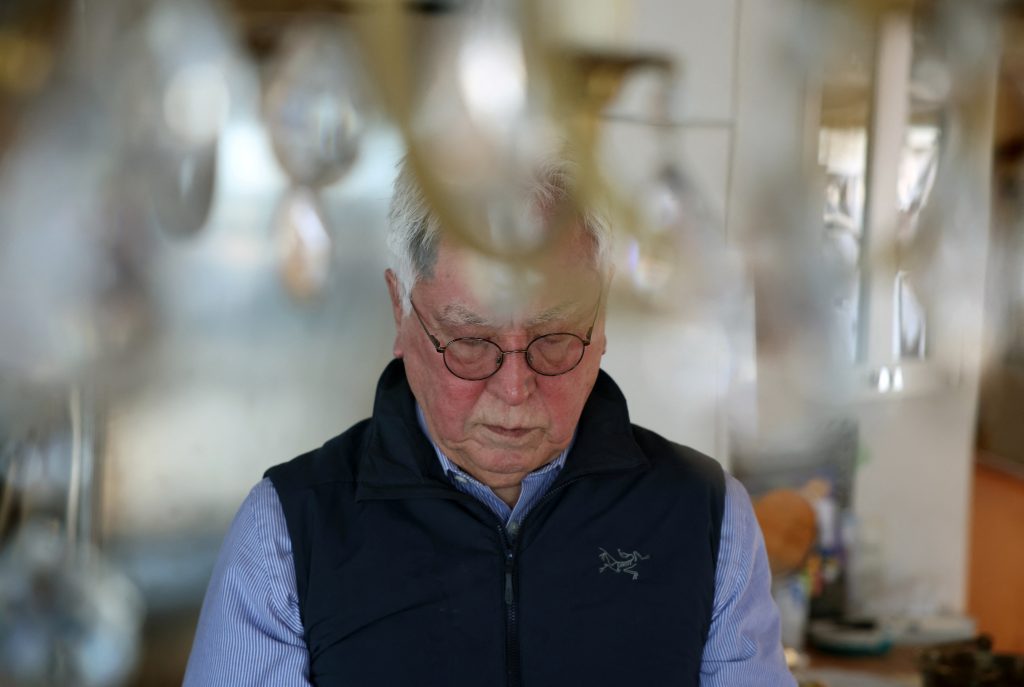
His concern is that the pull of independence has not weakened among younger Greenlanders. He worries that "young people again are talking about the colonial period" and that "victimization has been the center of all their discussions, and that's why they want to secede from Denmark", a current he sees embodied in activists like Hansen.
He was once no different. He pulled out a collection of his writings and read from a poem written around 1970, in which he had described Danes as "contemptible beasts".
Lynge furrowed his brow as he considered what he had once believed.
"I think it's too much", he said. "My feelings today are different."
"All the dreams about forming a state must stop", he said. "It's very unfortunate that we live in this period of time", he added, and "very difficult to understand that those dreams are just dreams and will never come true".
(reuters, im)