Bought, Stored, Then Burned
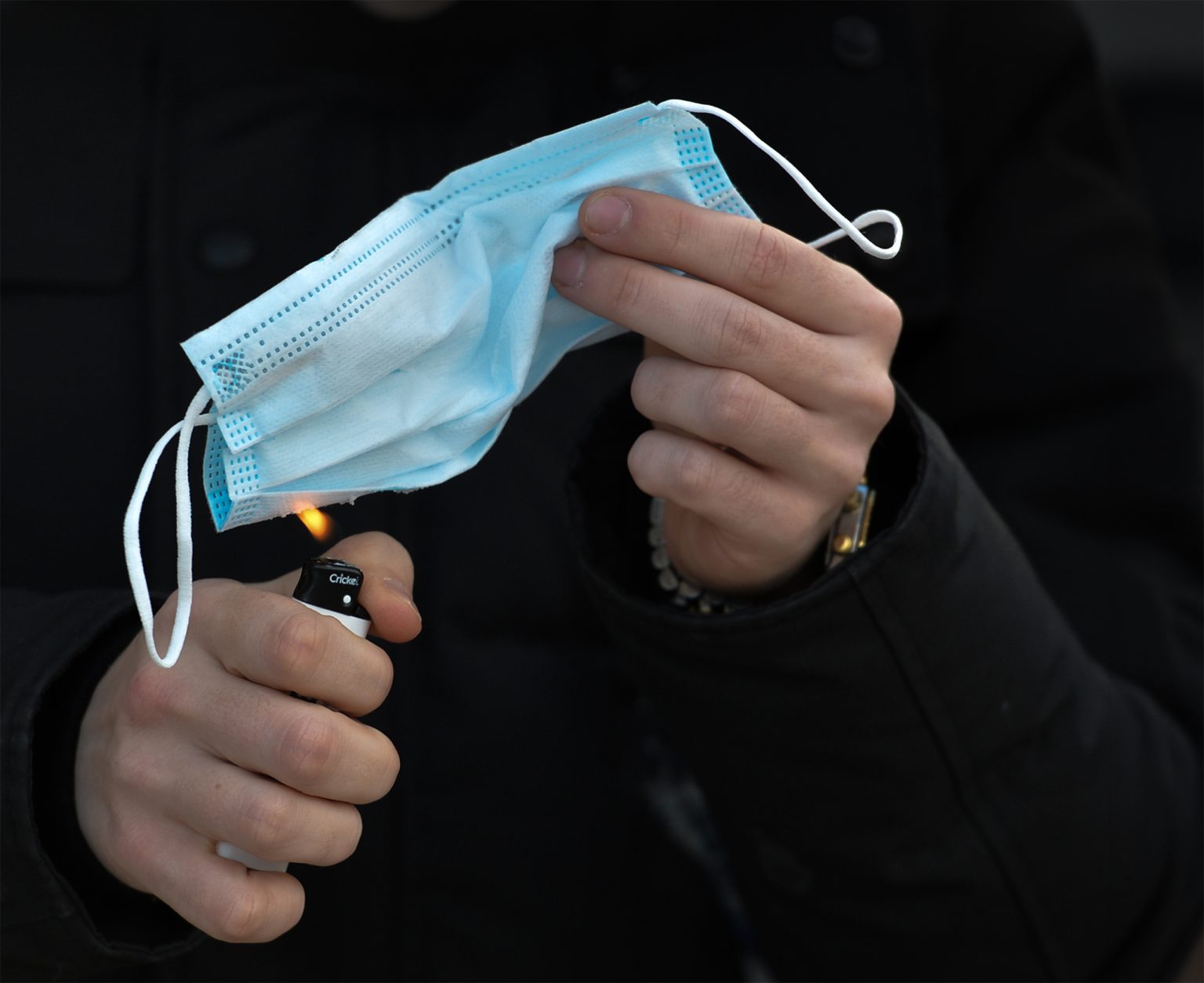
The planned disposal is part of a much larger reckoning. During the pandemic, the federal government procured 5.7bn protective masks for €5.9bn ($6.8bn) under then Health Minister Jens Spahn of the Christian Democratic Union (CDU). The Federal Court of Auditors later criticized the lack of volume control. More than two thirds of the masks were never used, and more than half had already been destroyed or earmarked for destruction. Their benefit in fighting the pandemic was therefore limited.
In some cases, the federal government paid very high prices. Under the so-called open-house procedure, masks were bought at fixed terms. According to Tagesschau, the unit price was €4.50 ($5.20). Numerous suppliers later sued over goods that were not accepted, creating further risks for the federal budget.
Only some of the billions of masks were actually distributed. Large quantities remained in storage until expiry dates passed or quality defects ruled out their use. The Federal Court of Auditors described the procurement as “far in excess of need” and said it had “barely any benefit”. Particularly explosive was its finding that 1.2bn masks were of such poor quality that they should never have been used.
The follow-up costs have continued for years. Storing the remaining stock cost about €47m ($54m) a year, and disposal costs are now being added. In 2023 and 2024, the federal government had already destroyed more than 1.5bn masks. Now another batch is to follow.
Taxpayers Pay Twice
Politically, the matter is more than a waste-management issue. Under immense time pressure during the pandemic, the state bought billions of masks, stored them for years and is now also paying to get rid of them. Taxpayers are therefore financing not only the procurement, but also storage, administration, legal disputes and transport.
The ministry is demanding absolute confidentiality from potential contractors. Employees involved in preparing the documents must commit to that in writing. In a case of this scale, that level of secrecy is politically sensitive.
The mask affair has long since become a symbol of the costs of a crisis policy in which speed, control and responsibility fell out of balance.
Responsibility extends beyond a single minister. Spahn procured the masks during the acute phase of the pandemic. His successors had to manage stockpiles, legal disputes and quality problems. The current health minister, Nina Warken of the CDU, is now having material destroyed that the federal government can no longer use.
For citizens, however, the reckoning remains the same: billions were spent, billions of masks went unused, and part of them is now going up in smoke.