
Rafal Leskiewicz, a spokesman for Polish President Karol Nawrocki, said the governing body of the Order of the White Eagle had submitted a non-public opinion to the President’s Office on 9 June on whether Poland’s highest state decoration could be withdrawn from Ukrainian President Volodymyr Zelensky. Nawrocki had requested its opinion in late May.
The request came after Zelensky awarded the Ukrainian military’s Separate Special Operations Center “North” the honorific name “Heroes of the UPA”, referring to the Ukrainian Insurgent Army, which is viewed very differently in Poland and Ukraine.
Quiet Talks
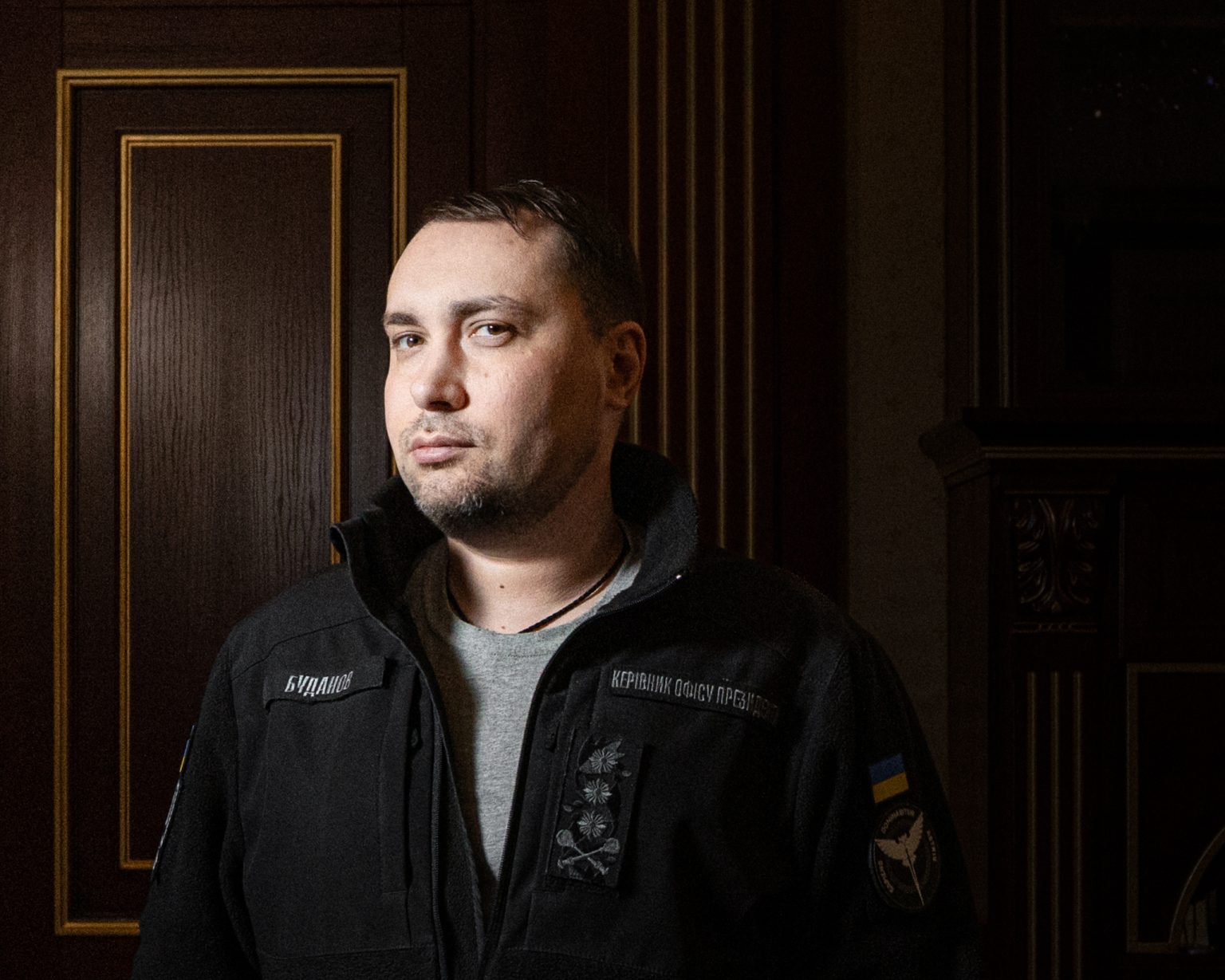
In the first week of June, Kyrylo Budanov, head of Ukraine’s Presidential Office and former chief of the Main Intelligence Directorate of Ukraine’s Ministry of Defense (HUR MoD), traveled to Poland. The visit, initiated by Kyiv, had not been announced in advance.
The substance of his talks with Polish government officials, the defense minister, representatives of the Polish President’s Office and diplomats was not disclosed.
RBC-Ukraine, a Ukrainian news portal, cited a person in the Presidential Office team as saying that the talks had also covered strategic cooperation and difficult questions of historical memory.
Budanov’s visit to Poland became public only after a Polish Foreign Ministry statement on 5 June, when he met Minister of State Marcin Bosacki.
Bosacki set out Poland’s position on the naming of a Ukrainian unit in honor of the Ukrainian Insurgent Army and stressed that Polish-Ukrainian relations require dialogue and respect for the victims. The Polish Defense Ministry expressed a similar view.
“Another important point on the agenda was a summary of the current military operations and the situation on the front line in the context of further diplomatic scenarios and conditions for peace talks”, the Polish Foreign Ministry said.
Why the UPA Still Divides Poland and Ukraine
Between February 1943 and February 1944, UPA fighters murdered tens of thousands of Poles in western Ukraine’s Volhynia region. The ethnic cleansing also affected Volhynian Czechs, though to a lesser extent.
Stepan Bandera, who declared Ukrainian independence in 1941 without German consent, was imprisoned in Sachsenhausen from 1941 until autumn 1944. Yet the movement associated with his faction of Ukrainian nationalism remains central to Polish memory of the Volhynia massacres.
The Polish Press Agency notes that Ukrainians today generally do not associate the commemoration of World War II-era Ukrainian nationalists with anti-Polish sentiment. They tend instead to see the Organization of Ukrainian Nationalists (OUN) and the UPA primarily through the lens of national liberation and anti-Soviet resistance.
For Poles, by contrast, the UPA is primarily an organization whose members participated in the murder of Polish civilians.
The dispute also reflects a broader Central European pattern: figures honored as national heroes in one country can be remembered very differently across the border.
Jozef Pilsudski is regarded in Poland as the leading national hero of the interwar period, while many Ukrainians associate him with the defeat of Ukrainian statehood after World War I and with harsh Polish policies in Galicia and Volhynia.
Jozef Kuras, the World War II-era Polish resistance fighter nicknamed “Fire”, is another contested figure. In Poland, he is remembered by many as an anti-communist fighter. Among Slovaks, his unit is associated with violence, murder, rape, pillage and the expulsion of Slovaks from their homes in the years after the war.
Despite the sensitivity of the matter, Kyiv has not issued an official statement on the talks.
It remains unclear whether Zelensky will lose the Polish honor, or whether Kyiv will change the title given to the Ukrainian unit. For now, the dispute has shown how quickly unresolved history can intrude on a wartime alliance that remains vital to both sides.