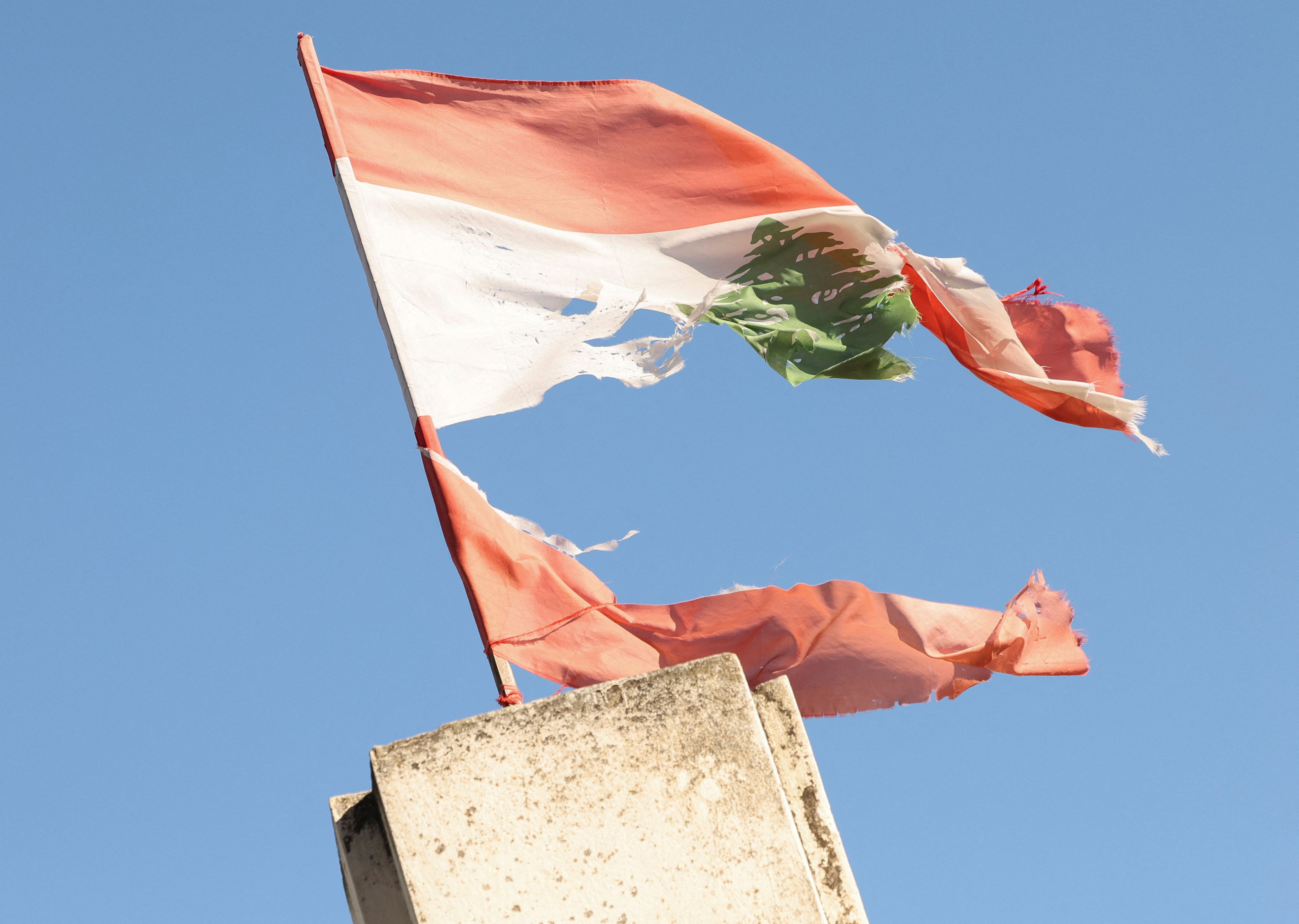
The Israel Defense Forces (IDF) launched a new ground invasion into southern Lebanon early Friday, and by midday its defense minister was already saying the bombing campaign had destroyed every house in several border villages. Hezbollah retaliated within hours with rockets and drones, and a Hezbollah strike near the Ali al-Tahir mountains killed four Israeli soldiers and wounded five later in the day, prompting National Security Minister Itamar Ben-Gvir to declare that "all of Lebanon must burn". By Friday evening, the IDF had also expanded its strikes into the Bekaa Valley.
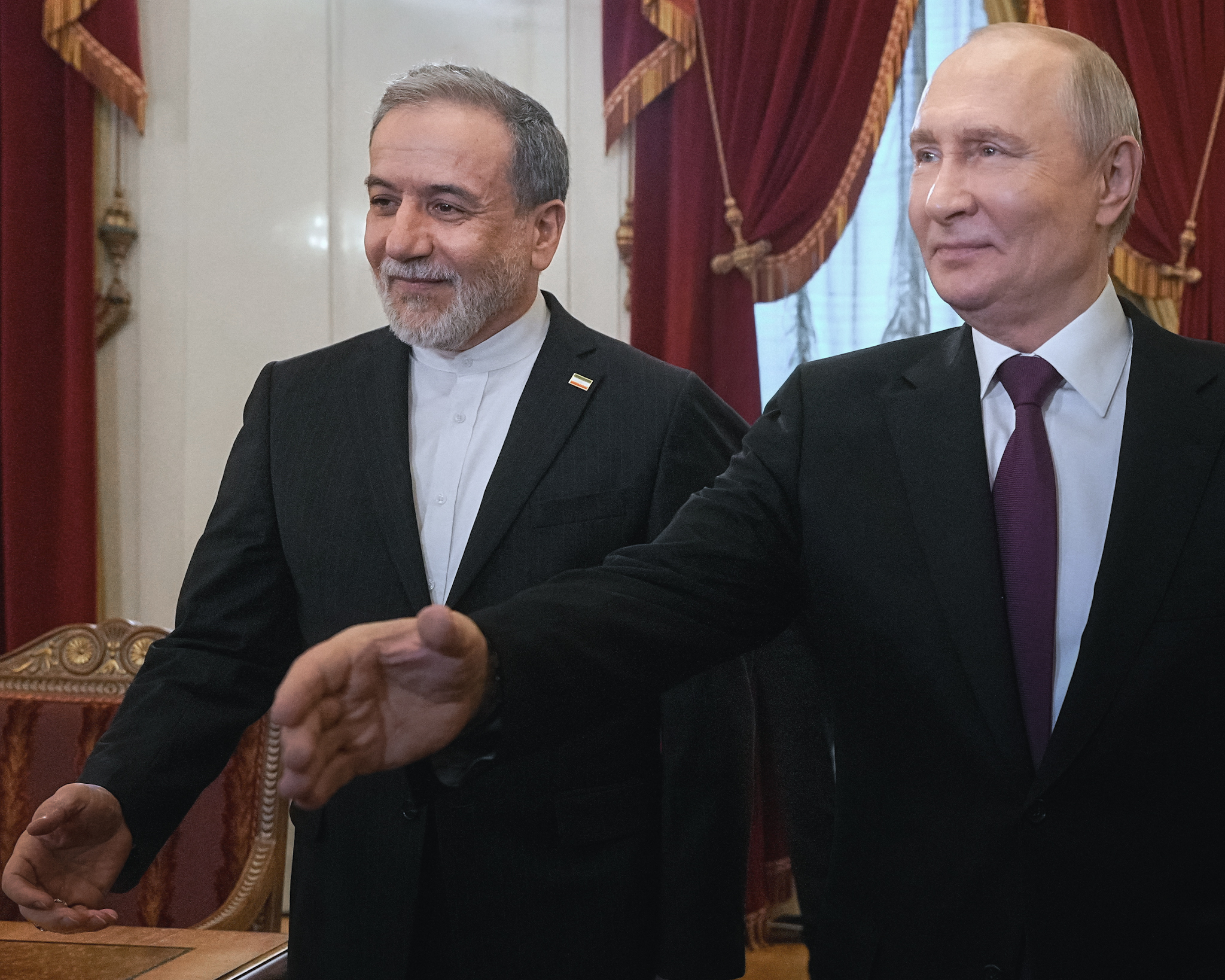
Defense Minister Israel Katz declared that Israel will not withdraw from southern Lebanon, despite a US-Iran memorandum of understanding from which Israeli officials had sought an exemption days earlier. Iran has told Hezbollah it will not resume talks with Washington without a full ceasefire, parliamentarian Hassan Fadlallah told Reuters, calling on Lebanon's government to reject direct negotiations with Israel until the attacks end.
"No one can tell us what to do", Katz said, confirming that every home in the IDF's mid-March security zone had been destroyed. "We razed the entire first line of villages in southern Lebanon to the ground", he said, adding that the 200,000 residents of the security zone "will never return".
"We Do Not Need al-Julani" – Katz Rejects Trump's Syria Plan
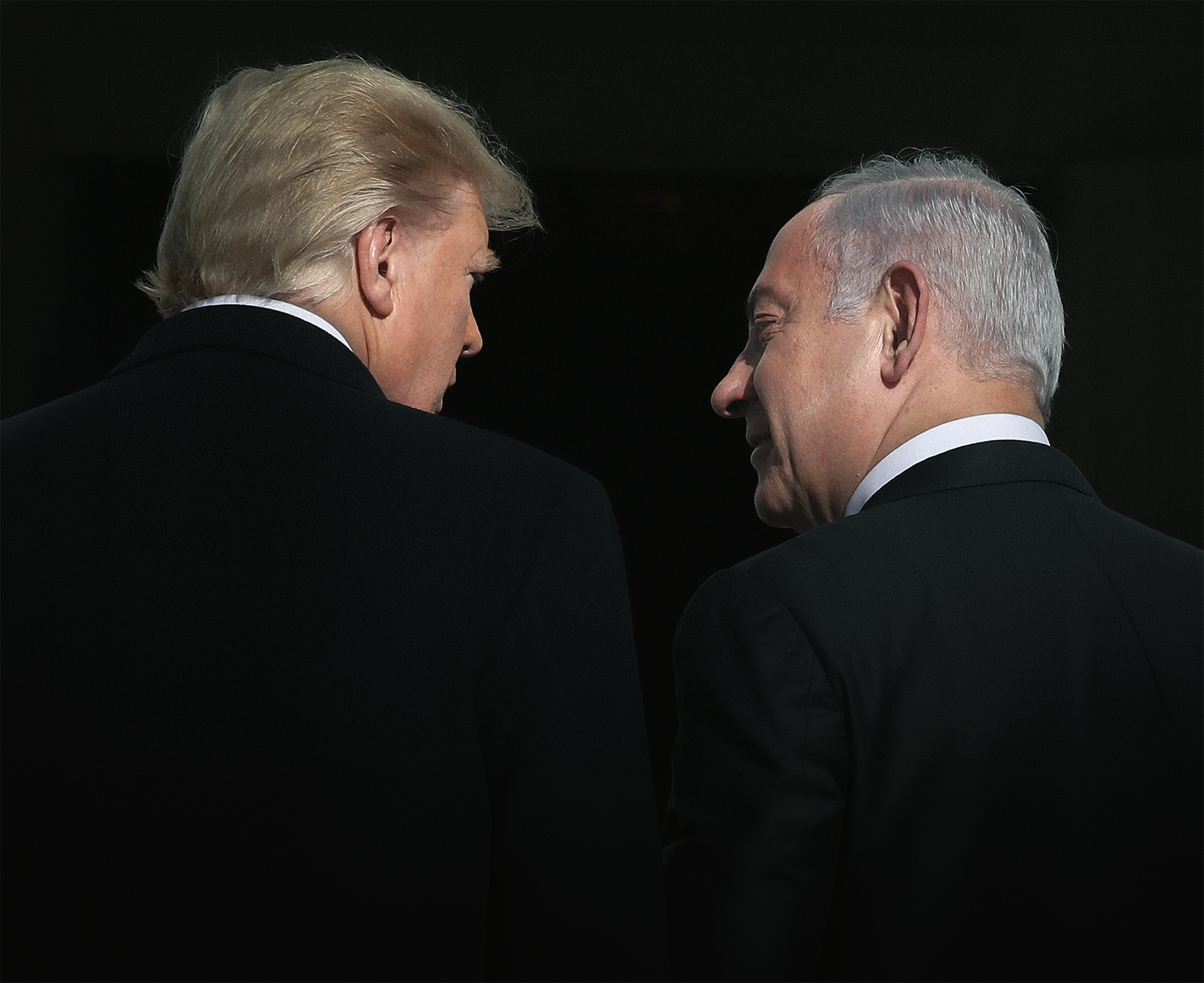
Defense Minister Yisrael Katz also addressed a plan floated by US President Donald Trump at the G7 summit, where Trump said on Tuesday he had suggested to Netanyahu that Syria's de facto leader, Ahmad al-Sharaa, take over the fight against Hezbollah. Al-Sharaa, a jihadist veteran, led the Sunni extremists of the al-Nusra Front in the early days of the Syrian civil war, an organization that had pledged allegiance to al-Qaeda.
After Bashar al-Assad's overthrow, al-Sharaa dropped his old pseudonym, Abu Mohammed al-Julani. Katz, however, has now resumed using it.
"We are fighting there. We do not need al-Julani. Al-Julani, the terrorist in a suit, does not need to come and help us. We know Syria well. He is not going to help us in Lebanon. He should stay in Syria, not interfere with us, and not make us interfere with him", Katz stated resolutely.
As Nusra's leader, al-Sharaa stood with the anti-government Sunni jihadists the CIA armed under Operation Timber Sycamore, while as a religious radical he also fought fiercely against the Shiite Hezbollah, which Iran in turn used to prop up the Alawite Assad.
After Assad's overthrow in December 2024, al-Sharaa worked to rehabilitate Syria's international standing, succeeding first with the European Union, which lifted most sanctions shortly after the coup. Washington followed only in September 2025, just before al-Sharaa's visit to the White House.
Trump, casting al-Sharaa as a technocrat committed to protecting minorities, praised him for doing "an amazing job" at the Évian-les-Bains summit, adding: "If Israel can't do the job without killing everyone else, Syria should do the job."
Katz concluded that Israel will not abandon any of its security zones, whether in Gaza, Syria or Lebanon, insisting that the IDF must remain beyond the borders of the State of Israel. He added that the army will stay in the security zone near the Golan Heights because Israel must protect itself from what is happening in Syria.
Israel Wary of Erdogan's Reach Into Syria
The IDF did not celebrate Assad's overthrow. Instead, it launched airstrikes across Syria that destroyed nearly three-quarters of the country's military arsenal, sank its entire navy except for Russian ships docked at Tartus, and occupied a strip of territory between the occupied Golan Heights and the rest of the Quneitra Governorate.
Turkey, too, has carved out a role in Syria, providing cover for Sunni rebels in the northern province of Idlib. Ankara is increasingly emerging as a key power broker in the Middle East, having recently extended similar backing to the Gaza-based Hamas movement as Iran's regional influence has waned.
This is one reason Tel Aviv views al-Sharaa's government with suspicion: a Turkish-backed spread of the war closer to Israel's borders is a scenario it would rather avoid. It is also why Israel backs the Kurds in northern Syria and Iraq, whose separatist groups Turkey regards as terrorist organizations.
Israel therefore sees the Syrian leader as something of an extension of President Recep Tayyip Erdogan, who has repeatedly condemned Israel's actions in Gaza as genocide since the war began. With Ankara having effectively absorbed part of Iran's "axis of resistance", it remains to be seen whether, and when, it will extend support to Hezbollah as well.
Such a move, however, would put Turkey in indirect conflict with its NATO ally, the United States. Washington officially condemned the bombing of Beirut, particularly the strikes on its southern Dahiya neighborhood, but according to Israel Hayom, the strikes were in fact "fully coordinated" with Tel Aviv.
The newspaper, linked to billionaire and Trump supporter Miriam Adelson, openly acknowledged that Secretary of State Marco Rubio had pressured the president to back Israel's retaliation against Iran's missile attacks in early June.
Courtney Bonneau, a correspondent for the American Conservative (AmCon), lent further weight to this connection, revealing that ammunition and equipment remnants found in destroyed villages in southern Lebanon point to American origins.
Despite this link, AmCon urged the US government to pressure Israel into de-escalating with its northern neighbor, arguing that without a ceasefire in Lebanon, the recently signed memorandum, for all its resemblance to a framework peace agreement, remains nothing more than a piece of paper.