
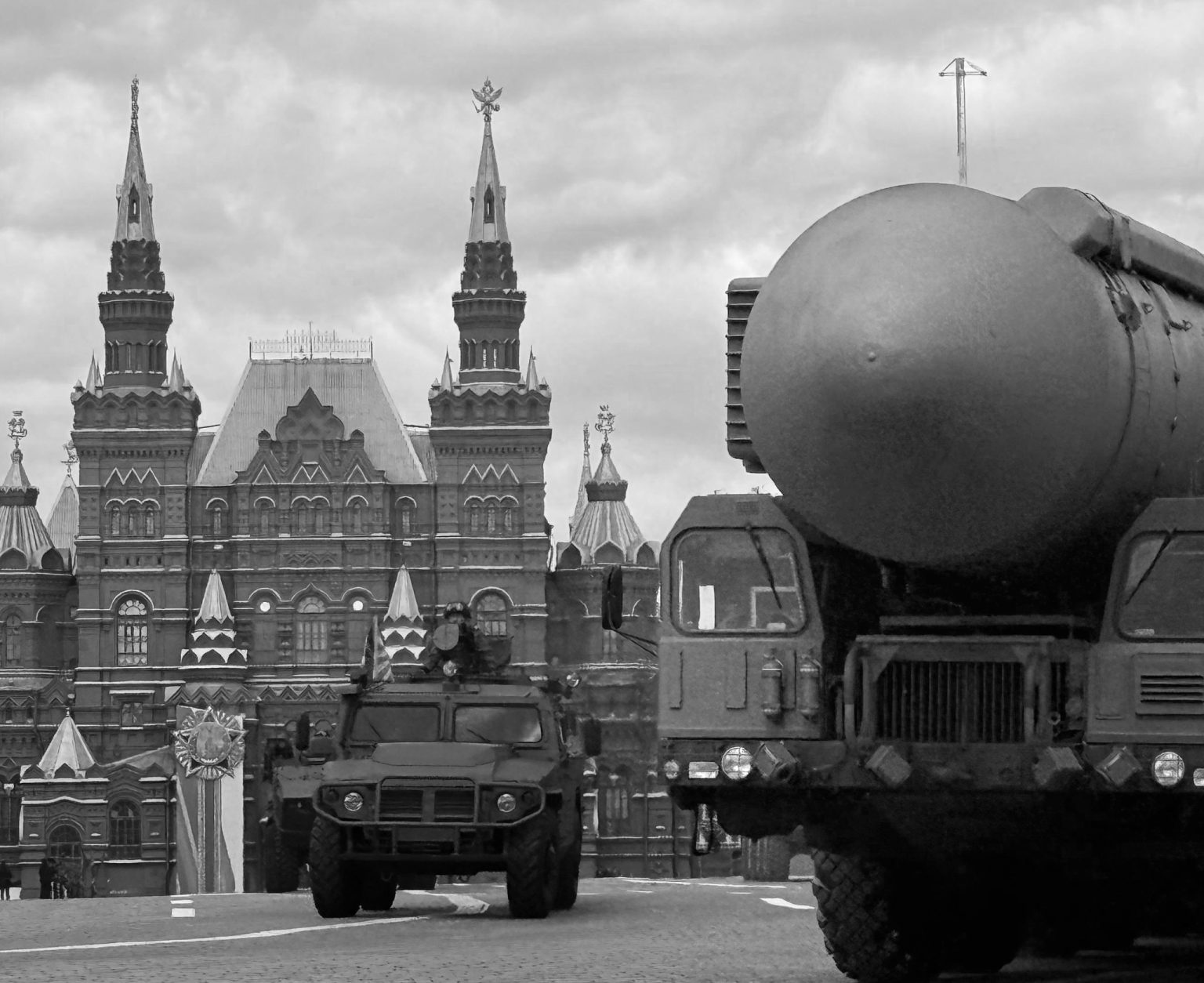
Russian forces in Ukraine have already used chemical weapons and cluster munitions against both Ukrainian troops and civilian targets, and have also been accused of deploying white phosphorus munitions. Ukraine has likewise used cluster munitions against the invading army.
What worries international observers most, though, is the threat of nuclear weapons. Russia transferred a large number of tactical nuclear weapons to Belarus in the summer of 2023, and Lukashenko has said he would not hesitate to use them in the event of an attack. If the so-called nuclear taboo were ultimately broken, no one can say with confidence what would follow.
Russia's Nuclear Threats Sharpen
Sergei Karaganov, an advisor to the deputy chief of staff for foreign policy at the Presidential Administration of the Russian Federation, named Germany, Great Britain and Poznan, Poland as possible targets for a Russian nuclear warhead, in an interview with American journalist Tucker Carlson on 15 January.
It was not the first time he had said so. Back in 2023, Karaganov had already suggested that what he calls "the gift of the Almighty" could strike Poznan. The warning has since taken on a harder edge: by the end of 2025, the Kremlin had reinforced its nuclear arsenal in Belarus with several Oreshnik medium-range ballistic missiles.
These missiles are capable of carrying a nuclear warhead and would, without doubt, reach Poznan if air defenses failed. In February, Dmitry Medvedev, the former Russian president and current deputy chairman of the Security Council of the Russian Federation, also threatened to use tactical nuclear weapons against Ukraine, France or the United Kingdom. In May, a Belarusian-Russian military exercise focused on tactical nuclear weapons took place.
No Such Thing as a Minor Nuclear Weapon
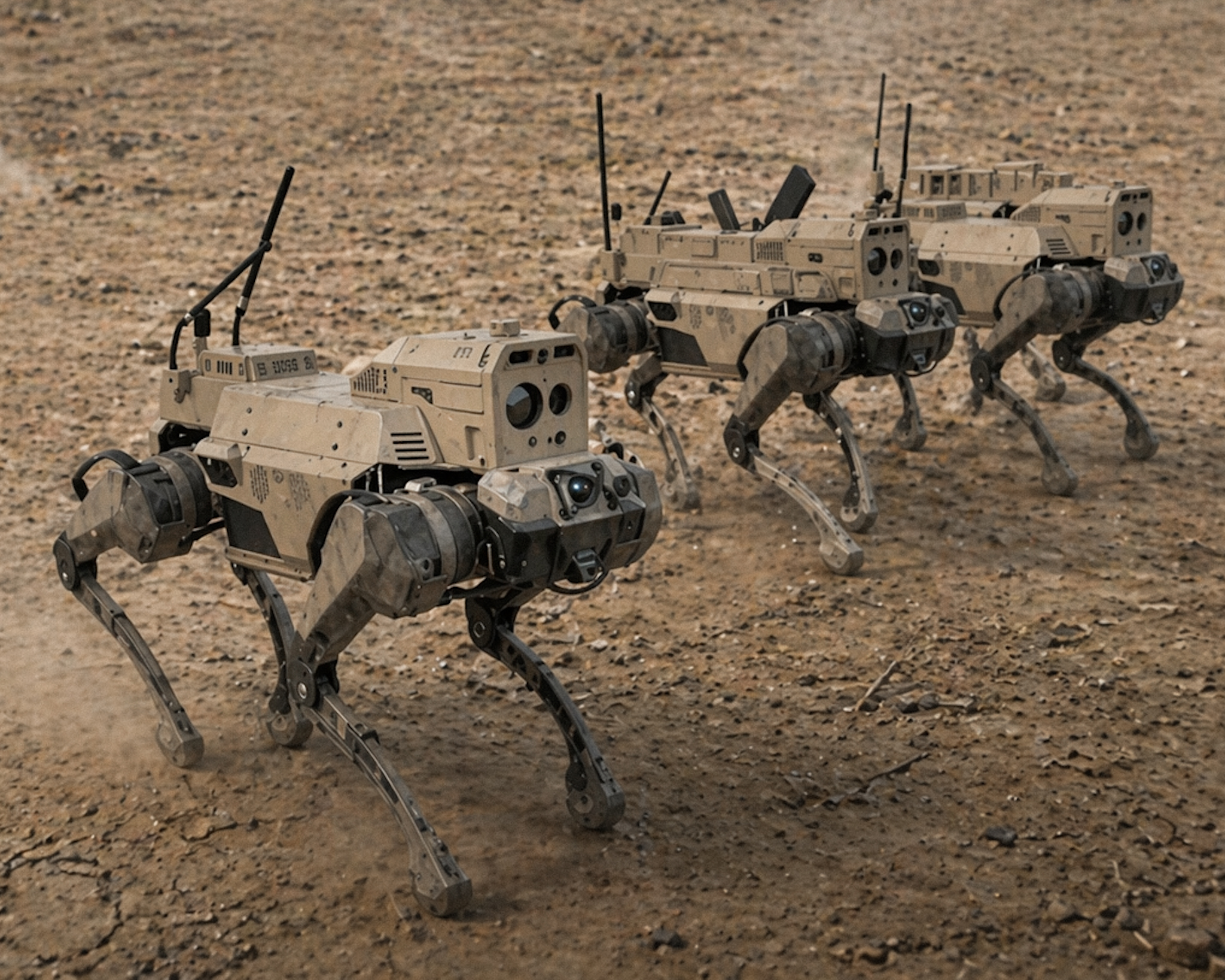
Just as modern unmanned aerial drones are classified by range into tactical, operational and strategic categories, regardless of whether they are reconnaissance, suicide or any other type, nuclear weapons are similarly divided into tactical and strategic classes. In their case, however, the dividing line is not range but yield at the point of detonation.
Strategic nuclear weapons raise legitimate fears of triggering a nuclear war with catastrophic consequences for the entire globe, including its people, animals and plants. Tactical nuclear weapons, by contrast, are often dismissed as the lesser threat, yet their impact is far from negligible.
Tactical nuclear weapons were developed during the Cold War as an intermediate step between conventional weapons and the strategic nuclear arsenal. Proponents of their development have argued, and continue to argue, that possessing a strategic nuclear bomb may not deter an attacker from launching an assault, since the defender would risk triggering an apocalyptic nuclear war by using such a devastating weapon.
Yet even the weakest tactical nuclear weapon, with a yield of 0.3 kilotons, would raze a village of 1,000 inhabitants to the ground and contaminate the surrounding area with radiation. A tactical bomb can have a yield of up to 50 kilotons, compared with the 13 and 21 kilotons released in the Hiroshima and Nagasaki explosions, respectively.
The far-reaching consequences of using a tactical nuclear weapon are nonetheless often overlooked next to the far more terrifying effects of a strategic strike. The Nukemap website, created by nuclear historian Alexander Wellerstein, offers a visual demonstration of the consequences of any nuclear bomb explosion anywhere on the planet.
Could Battlefield Setbacks Trigger a Nuclear Decision?
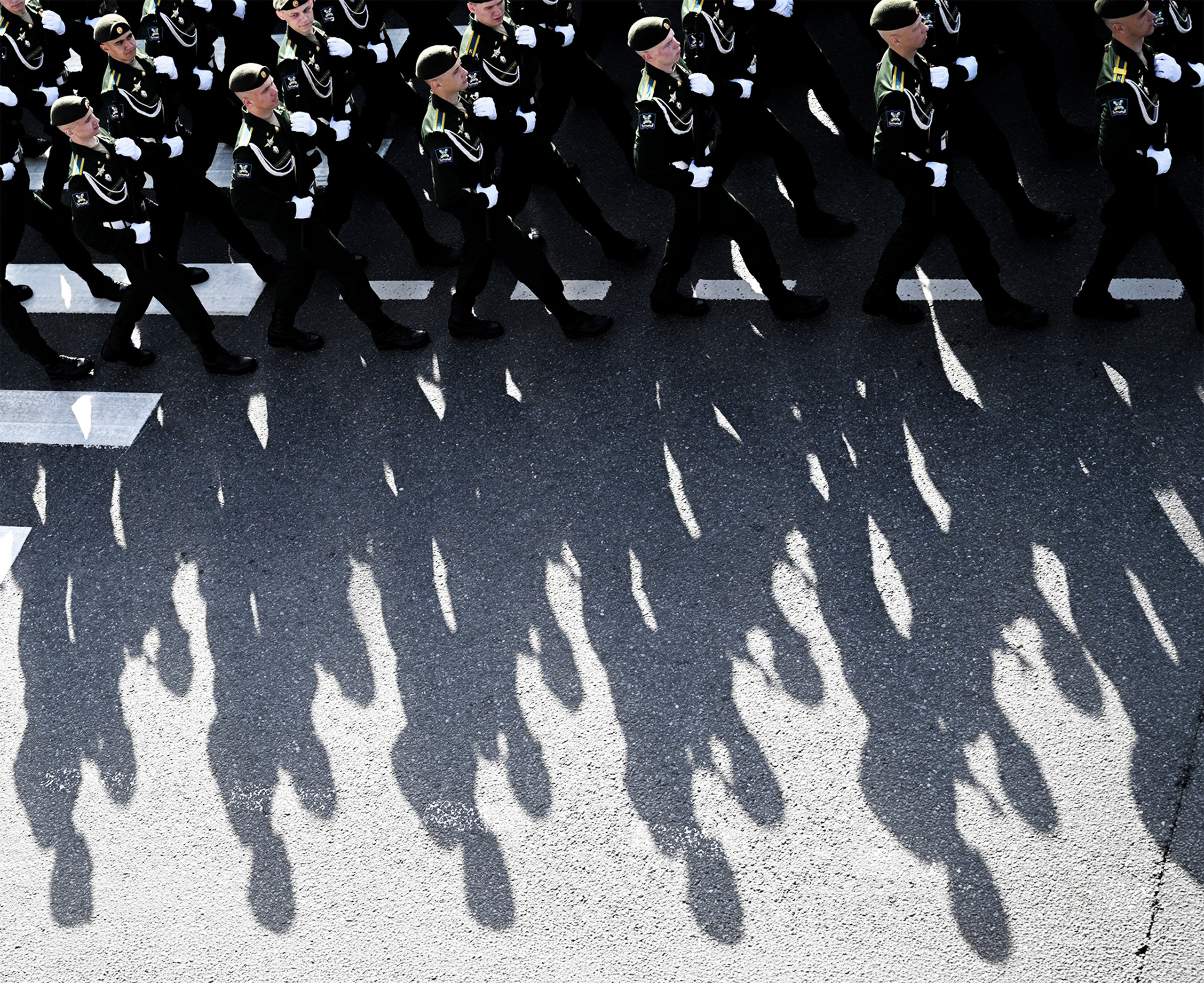
Russia's nuclear doctrine was revised at the end of May, expanding the conditions under which nuclear weapons may be used to cover a conventional attack by a state without nuclear arms of its own, so long as that state enjoys the support of a nuclear power.
The change comes as Moscow's offensive has stalled this year. Heavy strikes on Ukrainian cities and ongoing ground attacks along the front lines have failed to deliver a breakthrough, and the Russian army has retreated in some areas in recent months. Ukraine has responded by escalating attacks deep into Russian territory, stoking frustration among Russian citizens over the war, a trend that poses a particular danger for the Kremlin.
Some experts believe that the threat of a collapse of the front lines, or of the regime, could push Moscow toward a decision to use tactical nuclear weapons against Ukraine. An explosion on Ukrainian territory would force the country to divert significant resources toward dealing with the aftermath: medical care and supplies would be needed for thousands, possibly hundreds of thousands, of people, and military logistics would be significantly weakened.
Ukraine has little recourse of its own to fall back on. In December 1994, the country acceded to the Budapest Memorandum, under which Russia, the US and the United Kingdom committed to respecting Ukraine's independence and sovereignty, along with its borders at the time, in exchange for Kyiv's renunciation of nuclear weapons.
As a result, Ukraine would have no means to launch a retaliatory strike in the event of a Russian nuclear attack. Ukrainian civilians might instead pressure the government and the president to lay down their arms, with public sentiment likely to deteriorate further with every subsequent tactical nuclear explosion, of which Russia has about 2,000 at its disposal.

How Far Would the World Go to Stop Moscow?
China, a superpower with a close interest in Russia's conduct, condemns the possibility of nuclear weapons being used. According to former US Secretary of State Antony Blinken, Beijing went further in February 2025, directly warning Moscow against deploying nuclear weapons against Ukraine after reports surfaced that Putin was considering doing so.
Washington has also signaled where it stands. In the autumn of 2022, retired US General and former CIA Director David Petraeus stated that, in the event of a Russian nuclear attack, the United States would destroy all invading forces in Ukraine and sink the Black Sea Fleet, while noting that Article 5 of the North Atlantic Treaty would not be invoked.
Washington's response to Medvedev's renewed threats in the summer of 2025 was swift: two nuclear submarines were redeployed "to the relevant areas". No such clarity has come from Berlin or Paris, which have not explicitly stated how they would respond to a Russian nuclear attack on Ukraine, even as they jointly build a nuclear umbrella that will almost certainly not extend to Ukraine anytime soon.
The European Union has struggled to find common ground of its own, remaining divided over whether to pursue direct communication with Russia regarding the war. Were the Kremlin to resort to nuclear weapons regardless, it is almost certain that relations between Russia and the West, already strained, would deteriorate sharply.
For the sake of public health, the environment and international security, the hope must be that countries possessing nuclear weapons will recognize, when the moment comes to decide, that the negative consequences of a nuclear explosion far outweigh any short-term benefit.