African and Caribbean Nations Push for Slavery Reparations Fund
An apology for transatlantic slavery, debt relief and a Global Reparations Fund are among the aims of a 19-point plan endorsed by African and Caribbean governments at a recent conference.
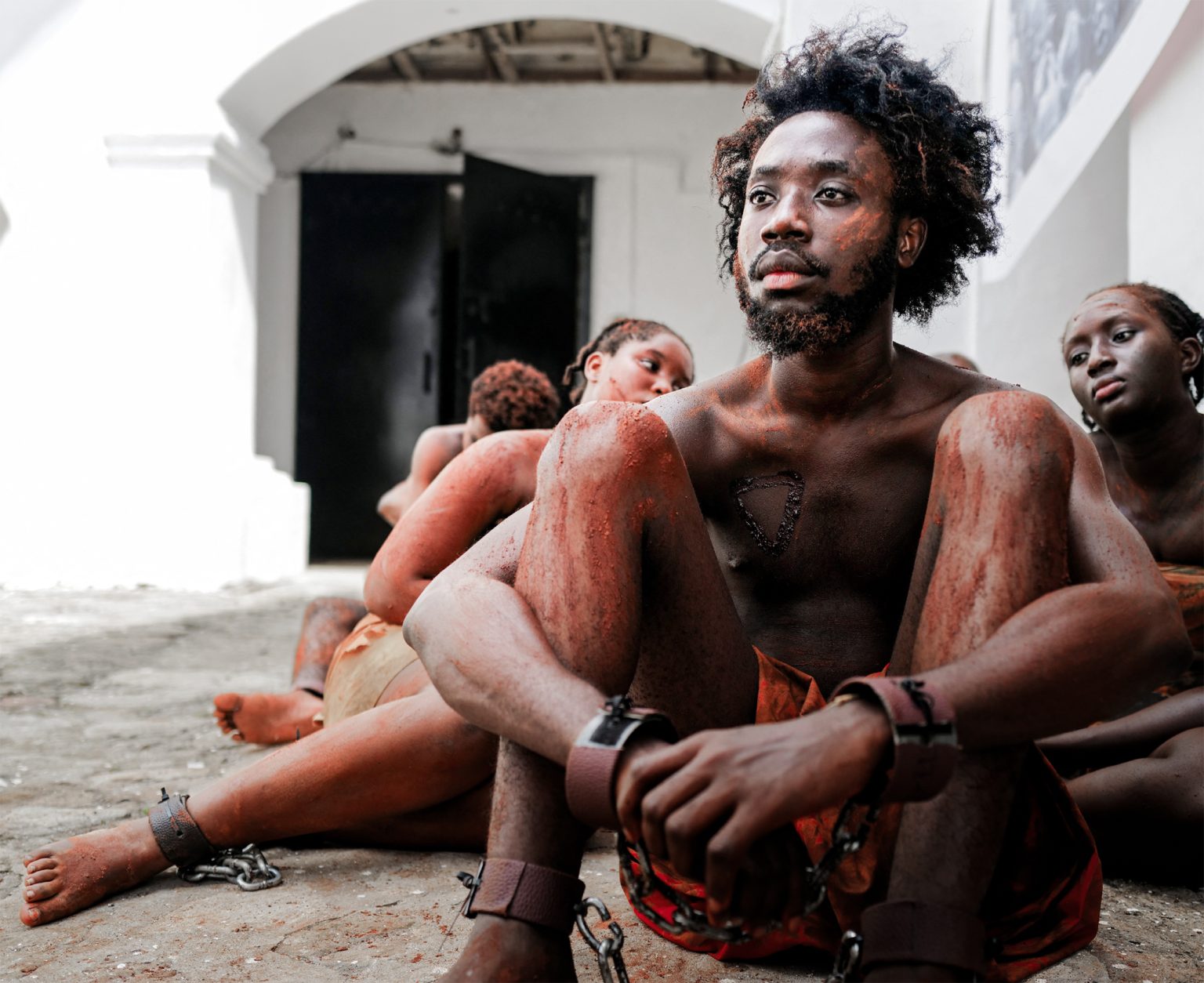
Performers reenact the trans-Atlantic slave trade at Christiansborg Castle in Accra, Ghana, during a conference on reparations and the trafficking of enslaved Africans, 19 June 2026. Photo: Francis Kokoroko/Reuters
|
Leaders from Africa and the Caribbean have united to push for a comprehensive reparatory plan aimed at countries that benefited from transatlantic slavery, including debt cancellation, reforms to international financial institutions and a Global Reparations Fund.
The move is likely to meet resistance from leaders in the developed world, where reparations debates are hotly contested, with critics of the present drive saying it is “cynically” leveraging historical wrongs for contemporary financial gain.
The 19-point reparations plan was adopted jointly by the African Union (AU) and the Caribbean Community (CARICOM) reparations commission at the “Next Steps” conference in Accra, the capital of Ghana.
As well as seeking a reparations fund and fairer representation of the Global South in international financial institutions, it also demands the restitution of looted cultural property and ancestral remains, climate justice financing and specific measures to address brutalities inflicted on African women and girls during slavery.
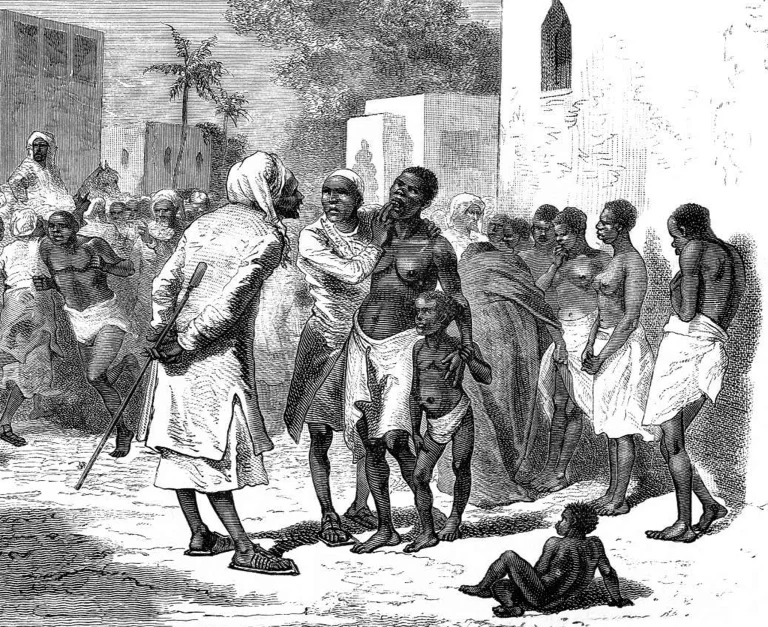
The plan comes after a Ghana-sponsored UN resolution adopted in March recognized the transatlantic slave trade as the “gravest crime against humanity” and urged UN member states to contribute to reparatory measures, including financial compensation. The resolution passed with 123 votes in favor, but met with resistance from the United States, Israel and Argentina – which voted against it – and 52 countries, including the UK and all EU member states, which abstained.
Despite this opposition, AU and CARICOM say they will bring their reparations plan before the UN’s next General Assembly.
As the composition of the recent Accra gathering demonstrated, the issue has garnered significant support across the Global South, highlighting its growing confidence on the international scene.
In attendance were heads of state from across Africa and the Caribbean, alongside representatives from more than 80 countries, including some Latin American nations, and US-based organizations like the Congressional Black Caucus and the NAACP.
Ghana has been one of the leading advocates of the present reparations drive.
While the present plan does not suggest a figure or name any countries directly, Ghana’s President John Dramani Mahama highlighted the atrocities of the transatlantic slave trade and told delegates at the conference that “History does not ask us to inherit guilt, but it asks us to inherit responsibility”.
Advocates of reparations continue to push for financial compensation for countries affected by the transatlantic slave trade, which they say saw at least 12.5 million Africans kidnapped and forcibly transported by European ships between the 15th and 19th centuries.
Some have tried to put a figure on the bill, with a 2023 study co-authored by a UN judge suggesting that nations that benefited from the transatlantic slave trade – such as the US, France, Spain and the UK – should pay reparations of over $100tn.
Resistance from Developed Countries
However, while nations like the US and the UK acknowledge and condemn the historic wrongs of the slave trade, they are among a significant number of countries that are resistant to the present reparations drive, including the majority of European states. But in the face of the Global South’s growing confidence, it appears Western leaders are not sure how best to respond.
Their objections revolve around legal, practical and moral difficulties any reparations plan presents and reflect divisions within the states themselves about the viability and justice of such plans.
The US’s response to the March resolution on transatlantic slavery highlights some of the key issues, with America’s delegate Dan Negrea criticizing the “cynical” use of historical wrongs to reallocate resources to people and nations who are “distantly related to the historical victims”.
He also hit back at the “arbitrary” historical focus on the period between the 15th and 19th centuries, arguing the dates were chosen for “political reasons”. Earlier in his statement, Negrea noted the US condemns historic wrongs from “all historic forms of slavery”, not only the transatlantic slave trade. He highlighted the trans-Saharan slave trade that saw an estimated 6–10 million African people enslaved by Arab, African and Berber Muslim forces.
All trafficking of enslaved Africans and racialized chattel enslavement of Africans deserve "to be condemned”, not merely those kinds considered “politically expedient”, Negrea argued.
His comments were echoed by his UK counterpart, James Kariuki, who warned against moves that create a “hierarchy of historical atrocities”.
Kariuki noted that concerns about the March resolution raised by the UK during its drafting had not been taken on board. As the US also voiced this issue, it appears that some Western nations fear the debate is becoming one-sided, with their voices locked out or ignored.
This is despite the fact that the reparations push has largely grown out of debates within Western nations about their own responsibility to the victims of slavery, with their citizens divided on the issue.
Black Intellectuals Oppose Reparations
Although the reparations debate has a decades-long history, it came to the fore most prominently after a 2019 hearing in the US Congress that considered views on both sides of the issue.
It was notable that a significant number of black American intellectuals opposed reparations, such as Coleman Hughes, who testified as part of the hearing, and economist Thomas Sowell. Their opposition was not an isolated phenomenon, building on the work of linguist John McWhorter and 20th-century intellectual and author Albert Murray.
https://www.youtube.com/watch?v=m0Z1fbLbEN8
Thomas Sowell outlines why he opposes reparations.
Their reasons for opposing reparations include practical and moral issues. For instance, Hughes highlighted the impracticality of identifying who should receive the payments and the likelihood that it would fail to heal racial divides.
Meanwhile, Sowell has consistently criticized the historical ignorance of proponents, who he says ignore the wider context of slavery prior to the 19th century move for its eradication. The American economist cited the involvement of African tribes in the enslavement of other Africans, as well as the reality of slavery as an institution in a significant number of societies across the globe.
Obsession with Victimhood
Going further back to the Civil Rights era, black intellectual Albert Murray pushed back at what he called the contemporary obsession with “victimhood”, arguing that the type of freedom and equality sought by slaves was a Western, American ideal, alien to many of the societies from which the slaves themselves emerged.
These criticisms, and the involvement of US organizations in the Accra conference itself, highlight the degree to which debates around the legacy of slavery are dependent on the West for the foundational concepts they appeal to, notably human rights and dignity.
So while discussions tend to focus on the evils perpetrated by colonial powers against the colonized, Western governments could use the debate as an opportunity to foster honest conversations about the legacy of colonialism.
However, while the present plan highlights the growing confidence of the Global South, the actions of leaders in the developed world suggest they are not certain about how to respond. Most have avoided outright rejection of reparations, favoring abstention and continued discussion of, as the UK’s representative at the UN put it, “the most painful elements of the history that we share with other nations”.
Welcome to the comments section of the Štandard daily. Please take note of our guidelines, comments are moderated by us. You can contact the moderators at support@statement.com.
Participate in the discussion
Comments are available to subscribers only. If you'd like to join the discussion, choose a subscription starting at €6.72 per month.
All comments 0
Register
Comments are available to registered users only. If you'd like to join the discussion, register here.