
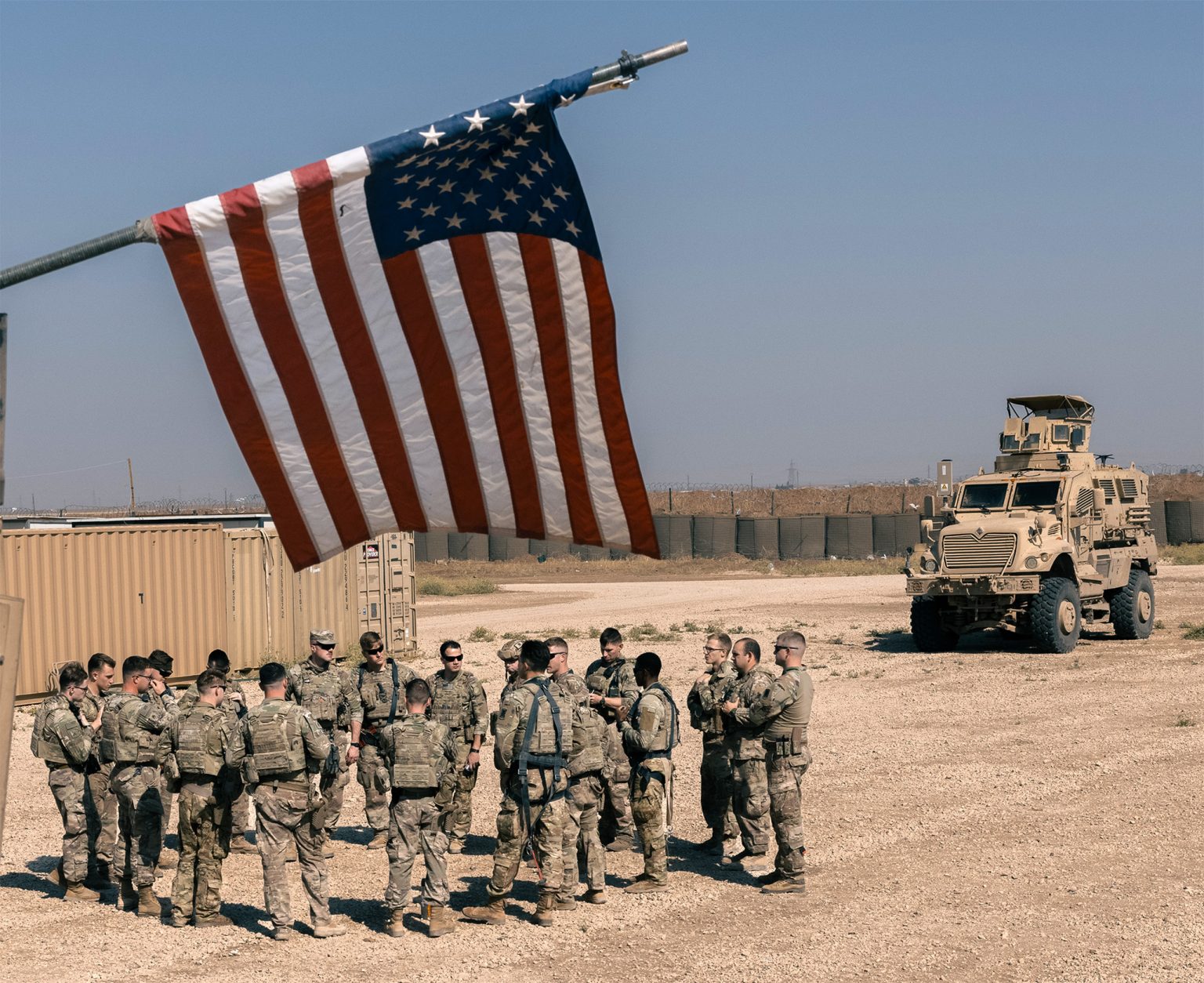
The US military has killed a senior Islamic State figure in northwestern Syria, reopening questions about how much freedom of movement the terrorist organization now has in a country still struggling to impose order after the fall of Bashar al-Assad.
US Central Command (CENTCOM) said its forces conducted a precision airstrike on 19 June that killed Ali Husayn al-Ulaywi. The operation was part of continued US efforts to disrupt terrorist networks that could threaten Americans abroad or at home.
The strike does not prove that al-Ulaywi had escaped from one of the detention camps in northeastern Syria. But it comes after reports that thousands of people, including Islamic State members and supporters, fled facilities formerly guarded by the Kurdish-led Syrian Democratic Forces (SDF). The collapse of security around the camps has raised fears that the group may again find space to reorganize.
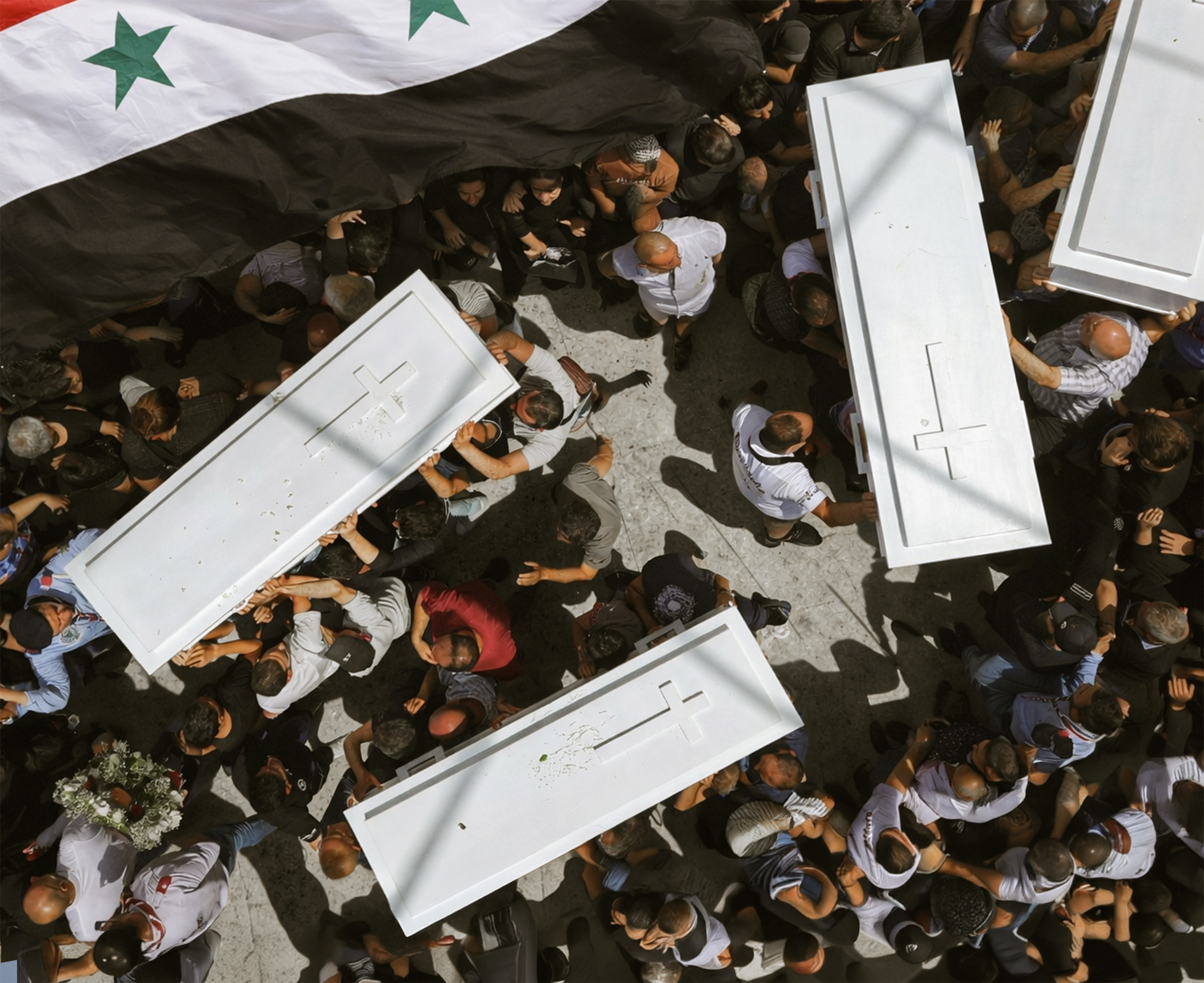
How Camp Security Fell Apart
The largest of the camps, al-Hol, had long been one of the most difficult unresolved legacies of the war against Islamic State. After the self-proclaimed caliphate lost its last territorial stronghold in Syria in 2019, tens of thousands of people linked to the group, including fighters’ relatives and supporters, were held in camps and prisons in the northeast of the country.
According to a Wall Street Journal report, US intelligence agencies estimated that 15,000 to 20,000 people were no longer accounted for after the escape from al-Hol, including Islamic State members. The camp had held more than 23,000 people at the end of 2025, down from more than 70,000 after the fall of the caliphate.
The escapes followed a dramatic shift in control on the ground. Areas once guarded by the SDF passed to forces loyal to Syria’s new leadership, whose military core emerged from Hayat Tahrir al-Sham (HTS). By the time government troops and allied Arab tribal forces arrived at some of the facilities, Kurdish units were no longer in place.
The result, according to the same reporting, was a dangerous gap in security. In such a vacuum, even a short one, detention camps holding Islamic State members can quickly become recruitment grounds, propaganda platforms or escape routes.
Islamic State has not returned to the territorial power it once held. But it has never ceased to exist as an underground force. The US National Counterterrorism Center says it still operates clandestinely in Iraq and Syria, while remaining a global network with branches and supporters across the Middle East, Africa and Asia.
That makes the situation in Syria particularly sensitive. The country’s new authorities are trying to absorb rival armed groups, build security structures and contain jihadist remnants at the same time. The Islamist origins of parts of the new security order further complicate the picture.
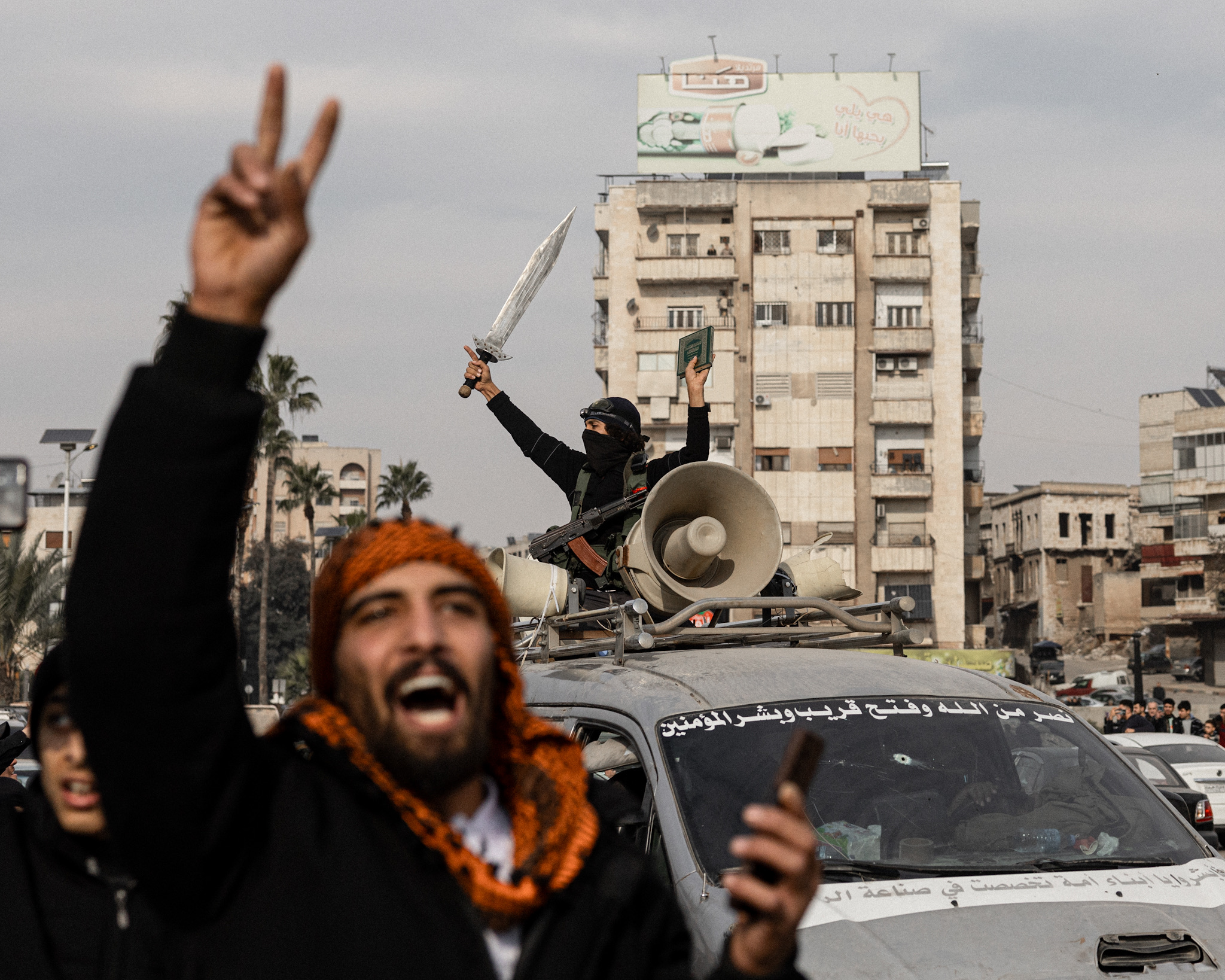
Turkey and the New Regional Vacuum
The Syrian question is also inseparable from Turkey. President Recep Tayyip Erdogan has sought to present himself as a protector of Sunni interests in a region that, until recently, was dominated by Iran and its Shiite allies. Ankara has backed Syrian factions for years, opposed Kurdish autonomy on its southern border and maintained close ties with Qatar and Hamas.
For Israel, the shift is becoming a strategic concern. Iran’s regional network, including Hezbollah and parts of the so-called Axis of Resistance, has been weakened. Yet some Israeli politicians now argue that a different axis is emerging, one built around Turkey, Syria and Qatar rather than Tehran.
Israeli Diaspora Affairs Minister Amichai Chikli, a member of Prime Minister Benjamin Netanyahu’s Likud party, said at a Jewish News Syndicate summit that Turkey and Syria were now “far more concerning than Iran”. He described the emerging threat as a “Muslim Brotherhood axis” and named Turkey, Syria and Qatar as its central components.
“The era of the Shiite empire of Iran, Assad’s Syria and Hezbollah is over”, Chikli said. “The new axis is the Muslim Brotherhood axis, consisting of Erdogan’s Turkey, Syria and Qatar.”
Other Likud politicians have used similar language. Knesset member Ariel Kellner described Turkey as a “hostile state” in early June, while Culture and Sports Minister Miki Zohar said in May that Israel “must begin treating Turkey as an enemy state”. Former Prime Minister Naftali Bennett went further still, declaring that “Turkey is the new Iran”.
A New Islamist Axis
Islamic State and the Muslim Brotherhood should not be conflated. Islamic State is a Salafi-jihadist terrorist organization that declared a caliphate, seized territory and carried out mass killings in Syria, Iraq and far beyond. The Muslim Brotherhood is older, more diffuse and more politically adaptable. It has operated through parties, charities, schools, mosques and social organizations, as well as through movements linked to armed groups in some contexts.
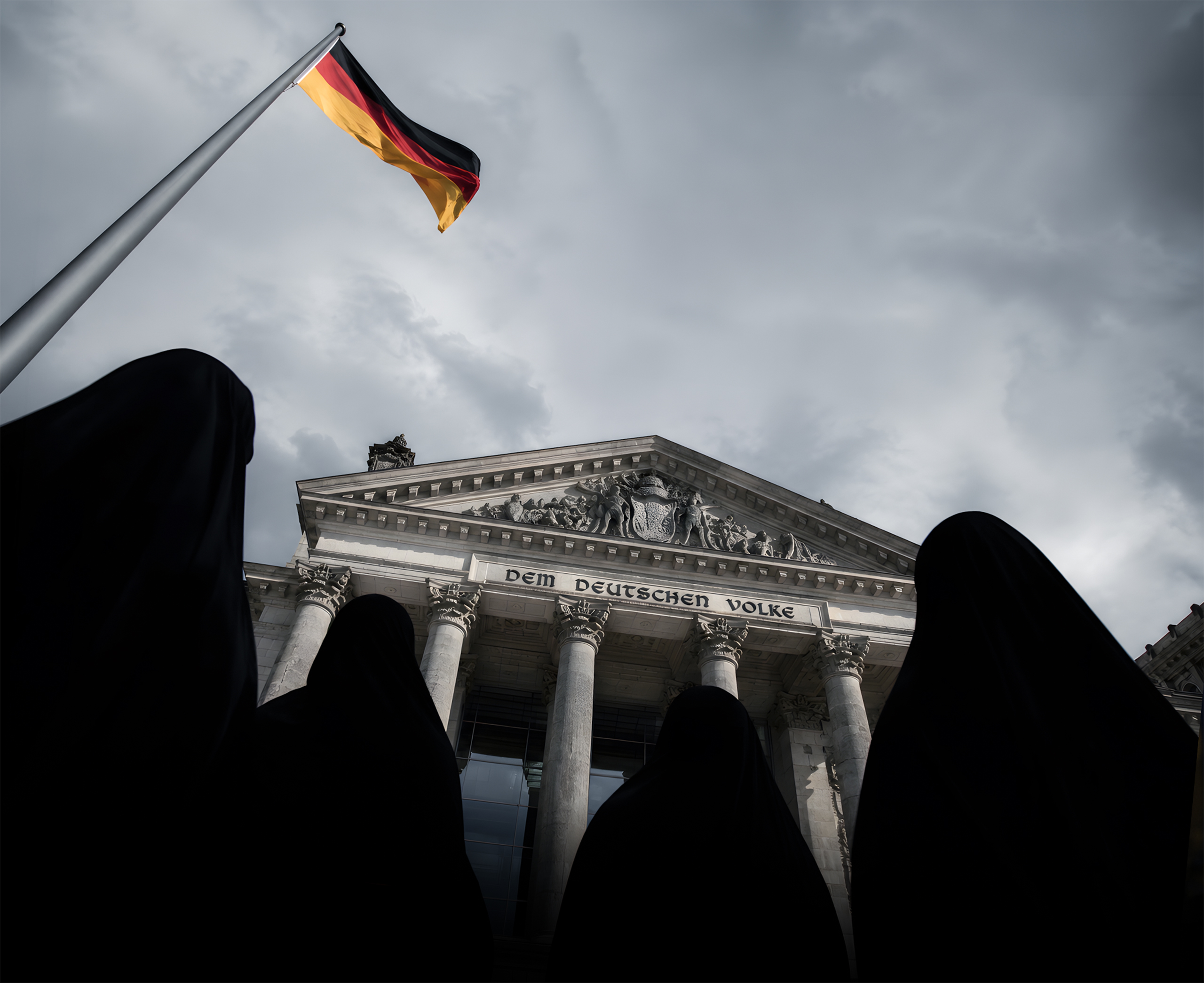
The Brotherhood was founded in Egypt in 1928 by Hassan al-Banna and became one of the most influential Islamist movements in the Arab world. During the Arab Spring, its Egyptian political arm briefly reached power when Mohammed Morsi won the 2012 presidential election. He was removed by the military the following year, and Abdel Fattah al-Sisi has ruled Egypt since 2014.
Turkey and Qatar have long been among the Brotherhood’s most important patrons. That has put both countries at odds with Egypt, Saudi Arabia and the United Arab Emirates, which see the movement as a threat to state stability and monarchical rule. It has also contributed to Israel’s growing suspicion of Ankara and Doha, especially because of their relations with Hamas.
The danger, from Israel’s perspective, is not that Islamic State and the Muslim Brotherhood are the same organization. They are not. The concern is broader: Sunni Islamist forces, some violent and some political, may be gaining new room for maneuver while Iran’s influence recedes and Syria is rebuilt under a new leadership.
That is why the killing of al-Ulaywi matters beyond the death of one Islamic State commander. It points to a fragile Syrian security environment in which jihadist networks may exploit disorder. At the same time, it comes during a wider regional shift in which Israel increasingly sees Turkey, Syria and Qatar as a possible Sunni Islamist counterweight to the weakened Iranian axis.
The immediate question is whether Syria’s new rulers can prevent Islamic State from exploiting the collapse of old detention arrangements. The larger question is whether Iran’s weakening is giving way not to stability, but to a different Islamist contest for power.