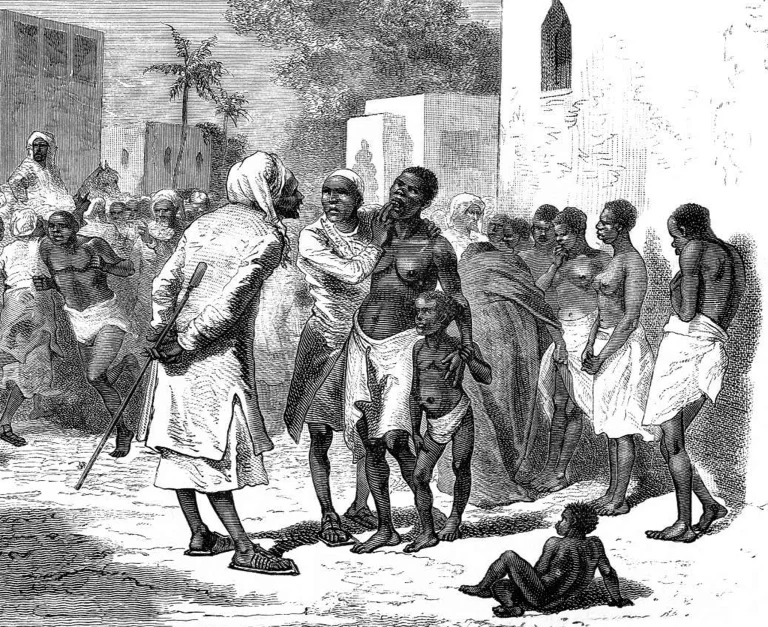
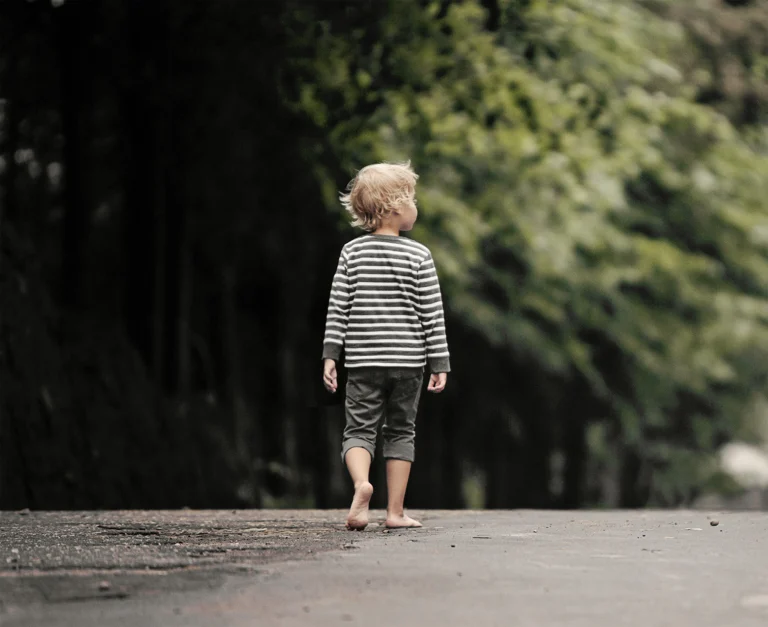
For quite some time now, it has been customary to apply the concept of discrimination only to certain authorized groups. Let us imagine for a moment a restaurant with a sign at its entrance reading: “No women allowed.” Or a hotel proudly announcing that it is reserved for white people. Or even a train offering a car – dare we say it – without Jews, on the grounds that they might inconvenience certain passengers, which is precisely the rationale put forward for excluding children from certain places.
Such a sign would immediately spark a national scandal. No one would dare suggest it is just the establishment’s commercial freedom. Anti-discrimination laws would clearly be invoked. Why should the reasoning change when it comes to children?
Age is also a protected characteristic against discrimination. Admittedly, certain differences in treatment can be objectively justified: no one disputes that a horror movie should be off-limits to minors or that a nightclub should be reserved for adults. But when exclusion is based solely on the idea that children are, by nature, a nuisance to other customers, the parallel with other forms of discrimination becomes hard to ignore.
This is precisely what the High Commissioner for Children, Sarah El Haïry, emphasizes when she states that a child “is neither a nuisance nor a problem to be kept at a distance” and that excluding children cannot become a marketing ploy or a marker of modernity.
A Country That Wants Children but Rejects Them
The paradox is striking. Never before have public authorities expressed such concern over the collapse of France’s birth rate. At the same time, children have never seemed so unwelcome in everyday life. As the CNCDH notes, their presence in public spaces has declined significantly over the past several decades, while intolerance toward them is on the rise.
A society cannot, on the one hand, lament the decline in births and, on the other, send ever more signals to families that children are a nuisance. The way the youngest members of society are treated inevitably shapes the desire to have children. When a culture portrays parenthood as a constant source of constraints, noise, disorder and ecological guilt, it ultimately makes childbirth itself socially suspect.
The no-kid movement, moreover, is not based solely on the organization of certain spaces. It is part of a broader intellectual climate in which the choice not to have children is frequently presented as the most complete expression of individual freedom. The arguments are well known: preserving one’s career, purchasing power, leisure time, autonomy and even one’s carbon footprint. Taken in isolation, each of these choices naturally falls within the realm of personal freedom. But a society cannot simply add up individual preferences without ever questioning their collective consequences.
What becomes of a civilization when everyone considers that passing on the legacy is no longer their concern? This question is largely absent from contemporary debates. Yet it is precisely this question that is decisive. A nation is not merely a juxtaposition of individuals, each pursuing their own immediate interests. It presupposes a constant renewal of generations, cultural transmission and continuity between those who inherit and those who pass on.
The World a Childless Society Creates
A childless society would not merely be a society with fewer people. It would be a depressed society, populated by lonely people (it takes two, at least in principle, to have a child) and the elderly.
Demographic aging already offers a glimpse of this. Schools are closing while facilities for the elderly are multiplying. Children’s stores and their colorful window displays are disappearing from downtown areas, replaced by pharmacies catering to an aging population. Diapers are giving way to incontinence pads, and strollers to wheelchairs. Collective concerns are shifting from education to dependency, from the future to managing decline.
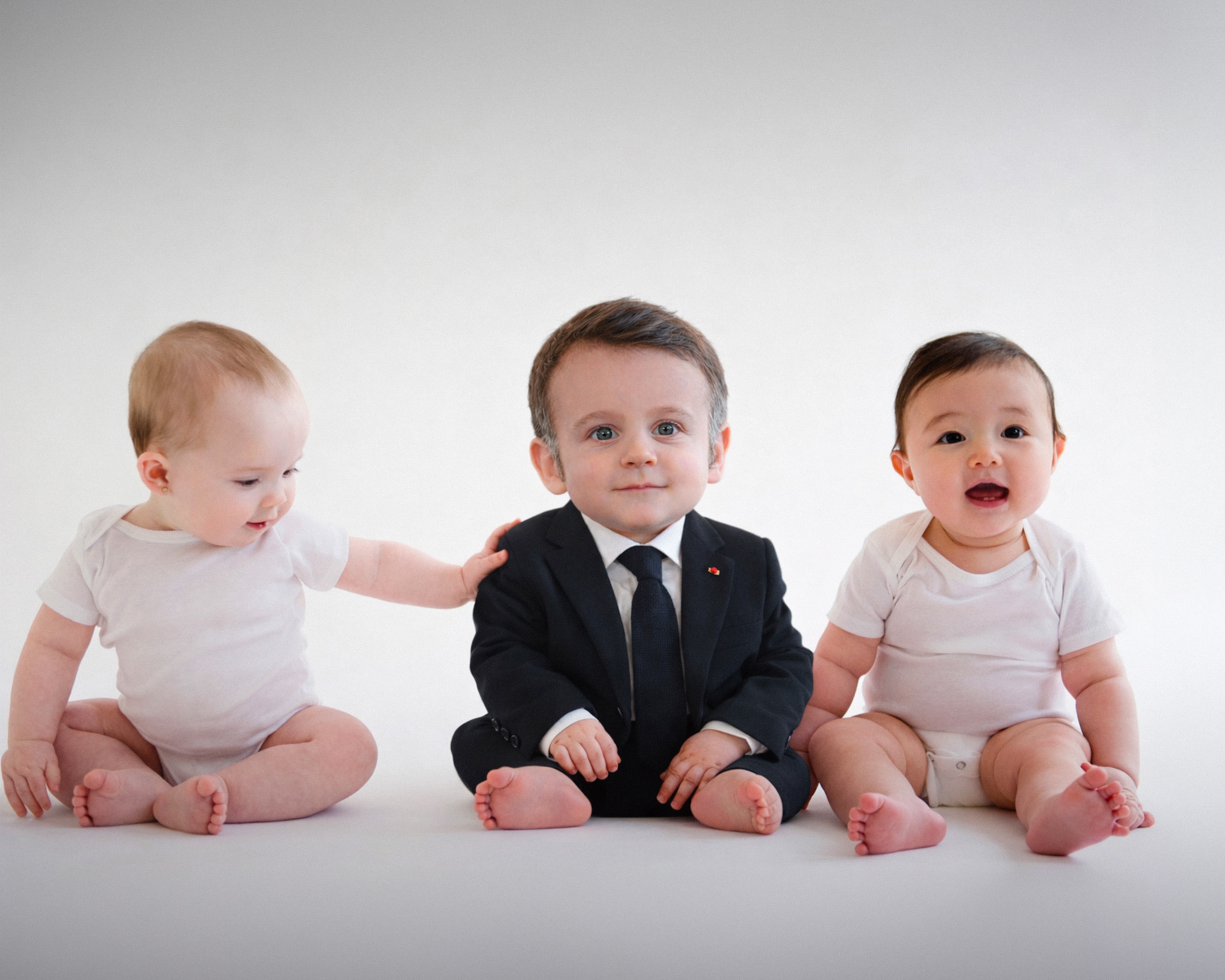
Beyond the statistics, a certain atmosphere is also changing. Children bring a touch of the unexpected, noise, spontaneity and sometimes annoyance to the city – but above all, they bring life. They constantly remind us that a society does not live only for the present but also for those who will come after it. Conversely, a society that seeks above all perfect silence, absolute comfort and the absence of any constraints ends up creating a space that is remarkably peaceful, but also perfectly sterile.
Quiet Without Exclusion
Of course, recognizing children’s rightful place does not preclude the pursuit of quiet. Nothing prevents us from providing quiet workspaces on trains, specific hours in certain establishments or solutions tailored to different uses. The problem is not the organization itself, but the creeping stigmatization of a segment of the population, justified by seemingly unassailable virtues such as freedom or environmental protection.
Furthermore, to restore calm, no one seems to be proposing – as an alternative to banning children – a return to a few good old rules of etiquette and educational discipline, which were cast aside in the name of children’s self-fulfillment – a concept that is now backfiring on those progressive people who promoted it.
Children are not just another group of users. They are visible proof that a society still accepts the need to look beyond itself. The fact that we may need to turn to public authorities to reaffirm this common-sense principle speaks volumes about our decline in moral standards.