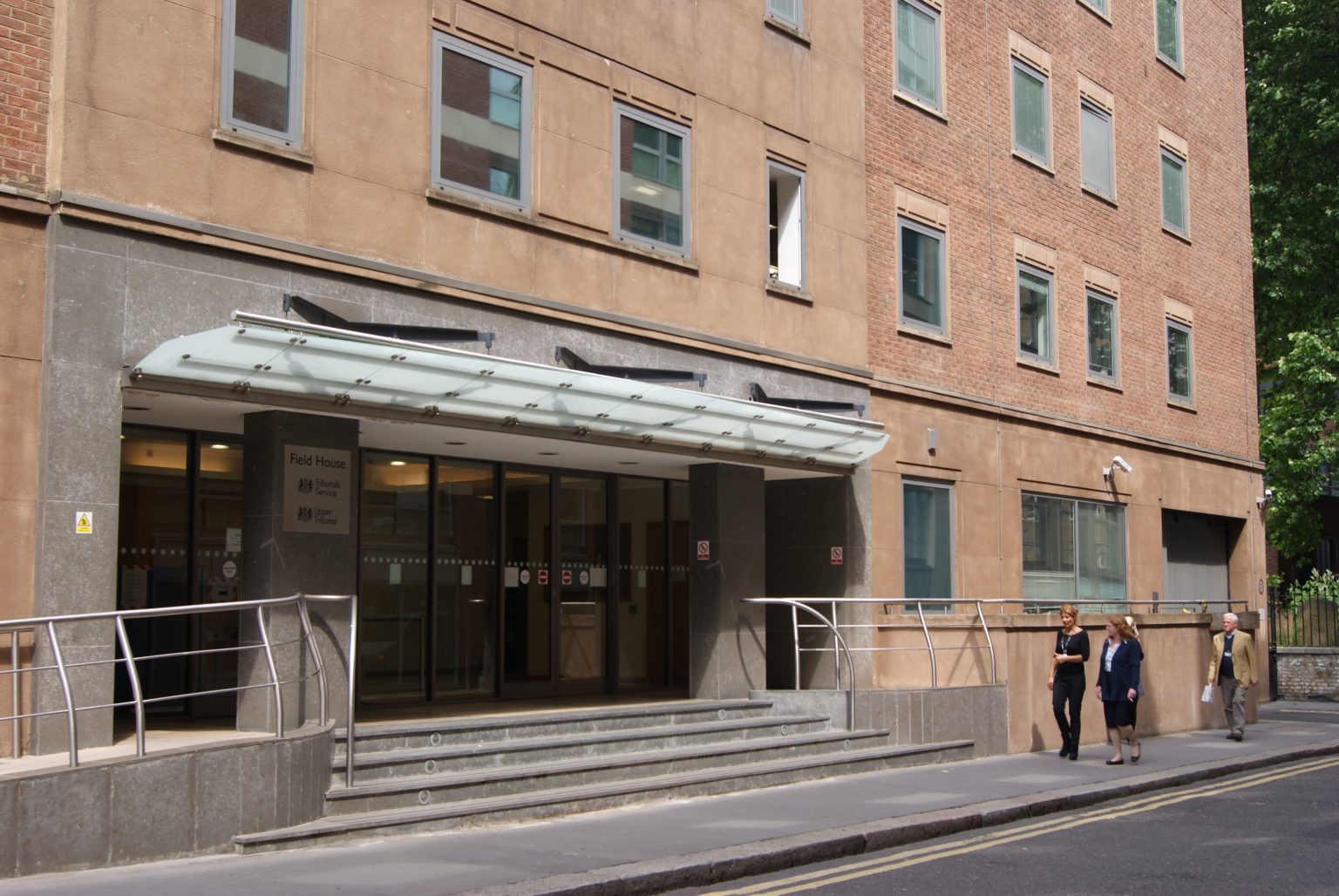
After the Home Office refused the application, the family appealed to the First-tier Tribunal on human rights grounds. The Home Secretary challenged that ruling, but the Upper Tribunal dismissed her appeal, allowing the original decision to stand.
Upper Tribunal Judge Gemma Loughran upheld the lower tribunal’s finding that refusing entry would have disproportionately severe consequences for the UK-based sponsor and her three children because of the impact on their mental health.
Therefore, the court concluded that the refusal was unlawful under Section 6 of the Human Rights Act 1998 because it was incompatible with the family's rights under the European Convention on Human Rights (ECHR), including the right to respect for family life.
The judgment noted that most of the adult applicants do not speak English and that the UK-based sponsor could accommodate only her parents. It also recorded that the family would likely require access to public funds if they came to the UK.
The family was granted anonymity throughout the proceedings.
Old Assumptions No Longer Apply
The main question in such cases as the above is: How did it come to this? And the answer is the ECHR. The Convention was signed by the United Kingdom in 1950 and ratified the following year. Originally it was intended as a bulwark against prior Nazi and current Soviet totalitarianism. Even at the time, some civil servants were worried that it could compromise Britain’s sovereignty, but they were overruled.
Initially, individuals could not bring complaints against the United Kingdom before the Convention institutions. The British supported this, as it reduced the scope for the Convention to be used as a political tool. It seemed reasonable that international law should be focused on the actions of states, rather than interfering in domestic law.
Nonetheless, in 1966 the British government accepted the individual right of petition, allowing individuals to bring complaints against the United Kingdom under the Convention. In 1978, the court that adjudicated issues relating to the Convention developed the “living instrument” doctrine. It argued that the text of the Convention could be reinterpreted in line with “present-day conditions”.
The result was that the text and original meaning of the Convention were increasingly departed from by the court. This development was reinforced when Protocol 11 came into force in 1998. It replaced the previous system with a single permanent court and made both the right of individual petition and the court’s jurisdiction compulsory for all contracting states.
Within a few decades, the scope of the Convention had expanded, the way the Convention was interpreted had changed and the judgments of the court had become compulsory, leading to the reshaping of domestic law in contracting states.
This is made particularly onerous in Britain because the Human Rights Act 1998, which largely came into force in 2000, placed the Convention rights in British law. That meant that instead of having to take a case to the court in Strasbourg, people could take the much easier step of going to British courts.
As a result, the number of human rights cases, like that of the family from Gaza, has exploded. Often these cases are brought with the assistance of charities and human rights chambers, who are able to use the Convention to reshape domestic law.
Britain Leading the Way on Migration and Refugee Policy?
Many of these human rights cases have become deeply controversial, as they seem to put the rights of foreign nationals above those of British people. As these rights have often been cited by those seeking to avoid deportation, they have become seen as a way for criminals to abuse the system.
Repeated British governments have sought to reform the Convention, hoping to retain it while curbing any excesses. The Interlaken Process, named after the conference where these reform efforts were launched, lasted almost a decade but failed to tackle the main problems.
Since then, judgments made in the court, especially on the illegality of pushbacks, have been a major contributor to the small boats crisis. Since 2018, more than 200,000 illegal immigrants have crossed the English Channel, costing billions in accommodation and leading to a series of high-profile crimes. Just this week, three asylum seekers were jailed for raping a woman on Brighton beach.
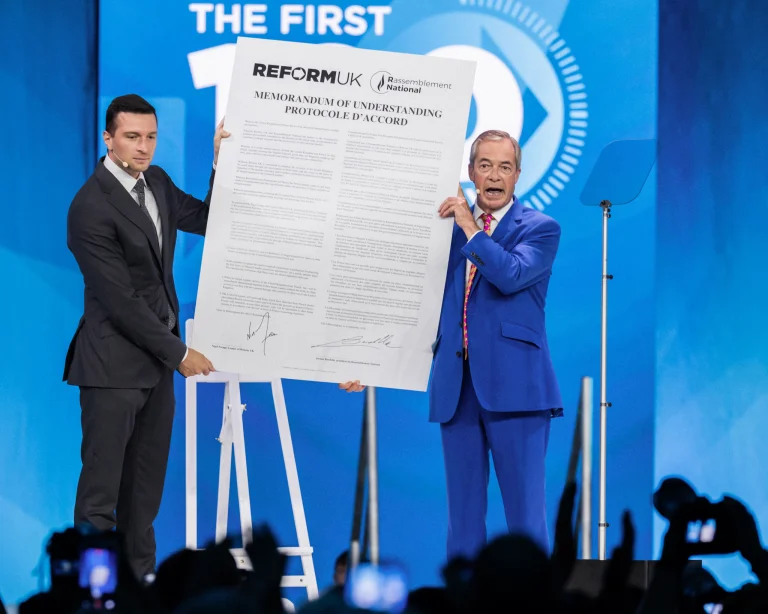
As a result, British politicians are increasingly calling for Britain to exit the Convention entirely. Both the Conservatives and Reform UK have now committed to leaving, as well as to tackling domestic human rights law. Some members of the Labour Party have also done so, although they are a small minority.
If Britain does leave the Convention, then cases like that of the Gaza refugees will be under the control of the politicians who make the law. Although it will be controversial, it may also turn out to be highly influential on European politics. Although the last Conservative government’s plan to send asylum seekers to Rwanda ultimately failed, the European Union has now allowed the offshore processing of asylum seekers. Several member states have also advocated for such plans. It may be that they also seek to copy Britain if it leaves the Convention.