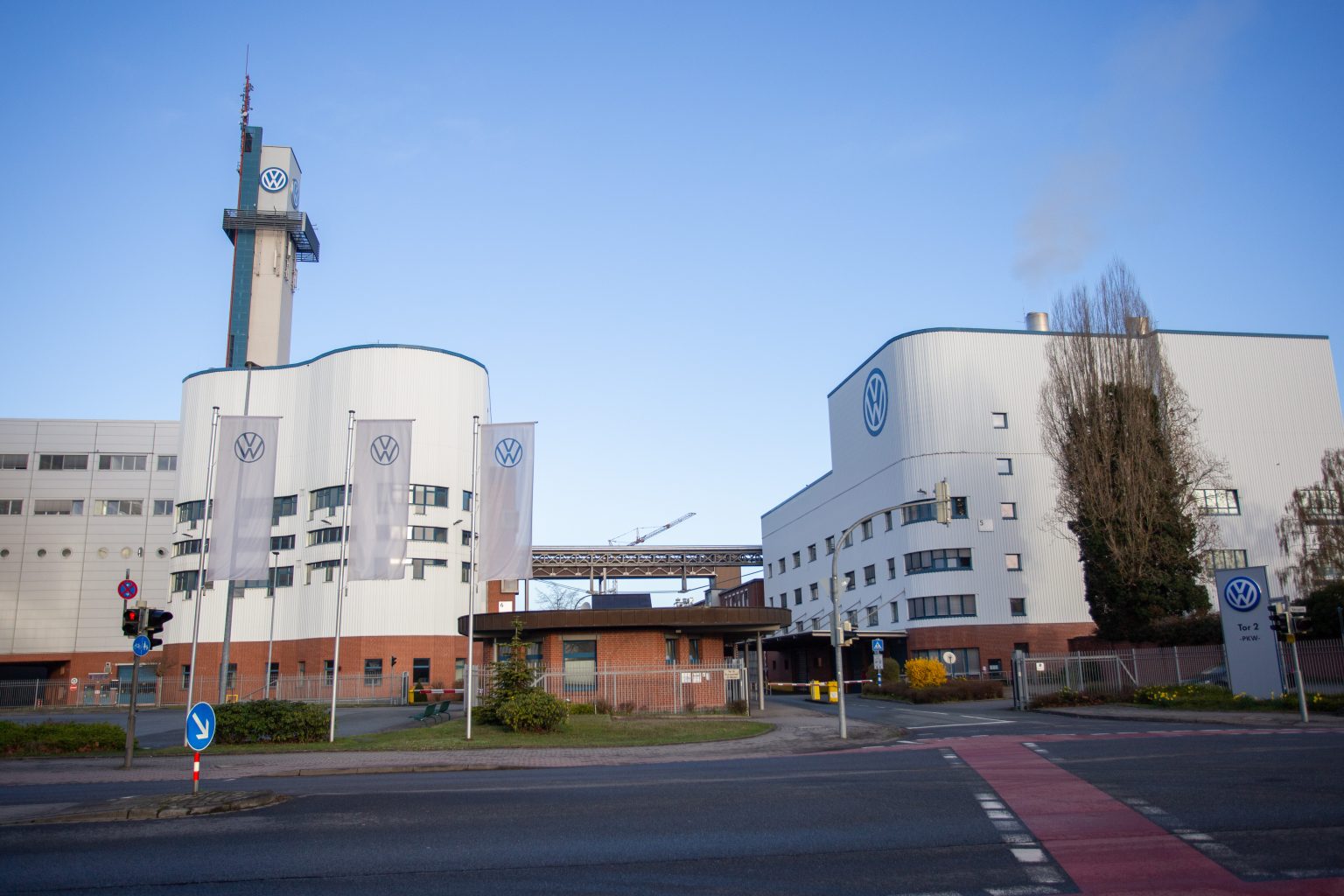
Osnabrück, which currently employs around 2,300 people, is one of the plants the Volkswagen (VW) Group plans to close or sell, and its fate now hinges on a defense deal. Since this spring, the automaker has been negotiating with the Israeli state-owned defense company Rafael Advanced Defense Systems over using the site for arms production, with Rafael's German subsidiary, Dynamit Nobel Defence, expected to take the lead role should a cooperation come about. Rafael is reported to have signed a letter of intent in April on the acquisition or use of the site.
Porsche production in Osnabrück is winding down in 2026, and the T-Roc Cabrio is due to end in mid-2027, after which no vehicle contract is guaranteed. Volkswagen intends to decide the site's future by the end of 2026. Complicating matters is the Qatar Investment Authority, one of VW's owners, which holds around 17% of the voting rights and two seats on the supervisory board, making it the third-largest voting shareholder after Porsche SE and Lower Saxony. Multiple media reports indicate that Qatar has raised significant objections to the Rafael deal.
Caught Between Qatar and Israel
The reasons cited include Qatar's difficult relationship with Israel, its role as a mediator with Hamas and strong domestic political support for the Palestinians, though none of this has been publicly confirmed by VW, Rafael or the Qatar Investment Authority. The VW Group is unlikely to push through a strategically and politically contentious arms deal against the resistance of a major shareholder and two supervisory board members, and it is this standoff that has produced a precarious situation. It soon prompted reports that Rafael had decided definitively in favor of production in India instead.
No official statement from Rafael or signed contract has borne this out, however. India had been named as an alternative site from the outset, since Rafael already has industrial partnerships there, so the deal is indeed at risk of moving abroad, though it is not yet lost. Reuters reported on 17 July, citing two people familiar with the talks, that Lower Saxony would "definitely get involved", and there is reportedly optimism that Rafael's entry can still be made possible. The precise form of that support remains unclear, but observers currently consider the two-company model the most promising option.