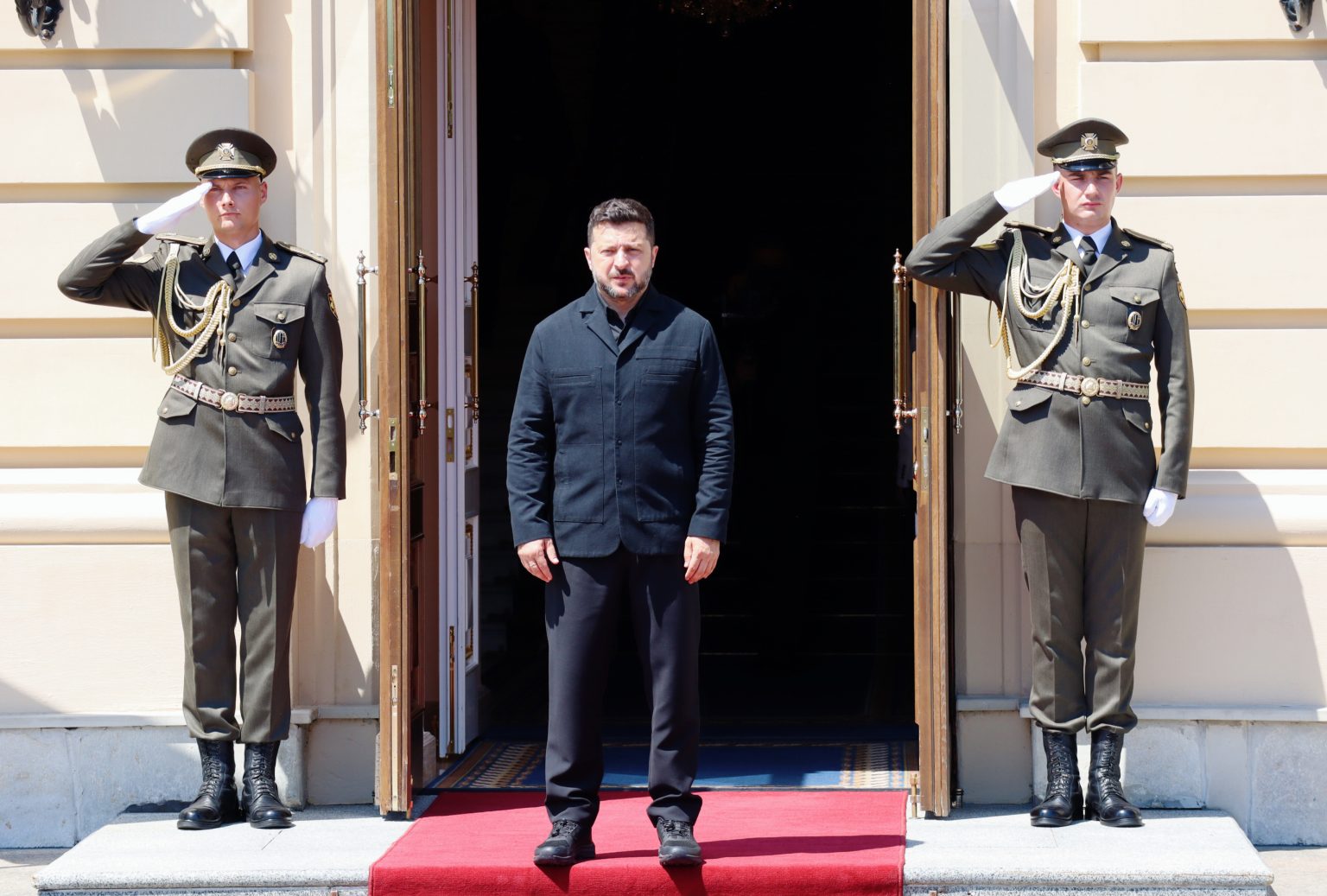
By almost universal consensus, the past six months of war have been Ukraine’s most militarily profitable since the relatively early days of the Russian invasion. The country has managed to launch sustained and serious assaults on Russian strategic and economic infrastructure, has placed significant logistical hurdles in the Kremlin’s path as it relates to supplying occupied Crimea and has pushed the relentless Russian war machine into a slow retreat on the front line. According to its own estimates – naturally disputed in Moscow – Ukraine presently controls some 700 square kilometers more of its territory than it did in January.
One of many ironies in the conflict – which has now endured longer than the First World War – is that this measurable improvement in Ukraine’s military position is at least partially attributable to the decision of the Trump administration to scale back supplies of high-end military equipment. Facing strategic shortages, Ukraine invested heavily instead in drone warfare and in its own technologies. If necessity is the mother of invention, it may also be proving, in Eastern Europe, the midwife of victory.
Success on the Front, Sudden Chaos in Kyiv
Yet another irony now dominates the Ukrainian conversation: that at the precise moment Ukraine is enjoying strategic and tactical success at a rate not seen in years, the country’s military leadership is being dismantled by the president.
If that proposition sounds instinctively unwise to a foreign reader, then it has gone down just as you might expect domestically. When Volodymyr Zelensky last week sacked his defense minister, the 35-year-old Mykhailo Fedorov, he surely cannot have expected the scale of the political backlash he received. Then he followed it up this week by removing the man who had apparently emerged as Fedorov’s arch-nemesis, the 60-year-old General Oleksandr Syrskyi.
You might be interested
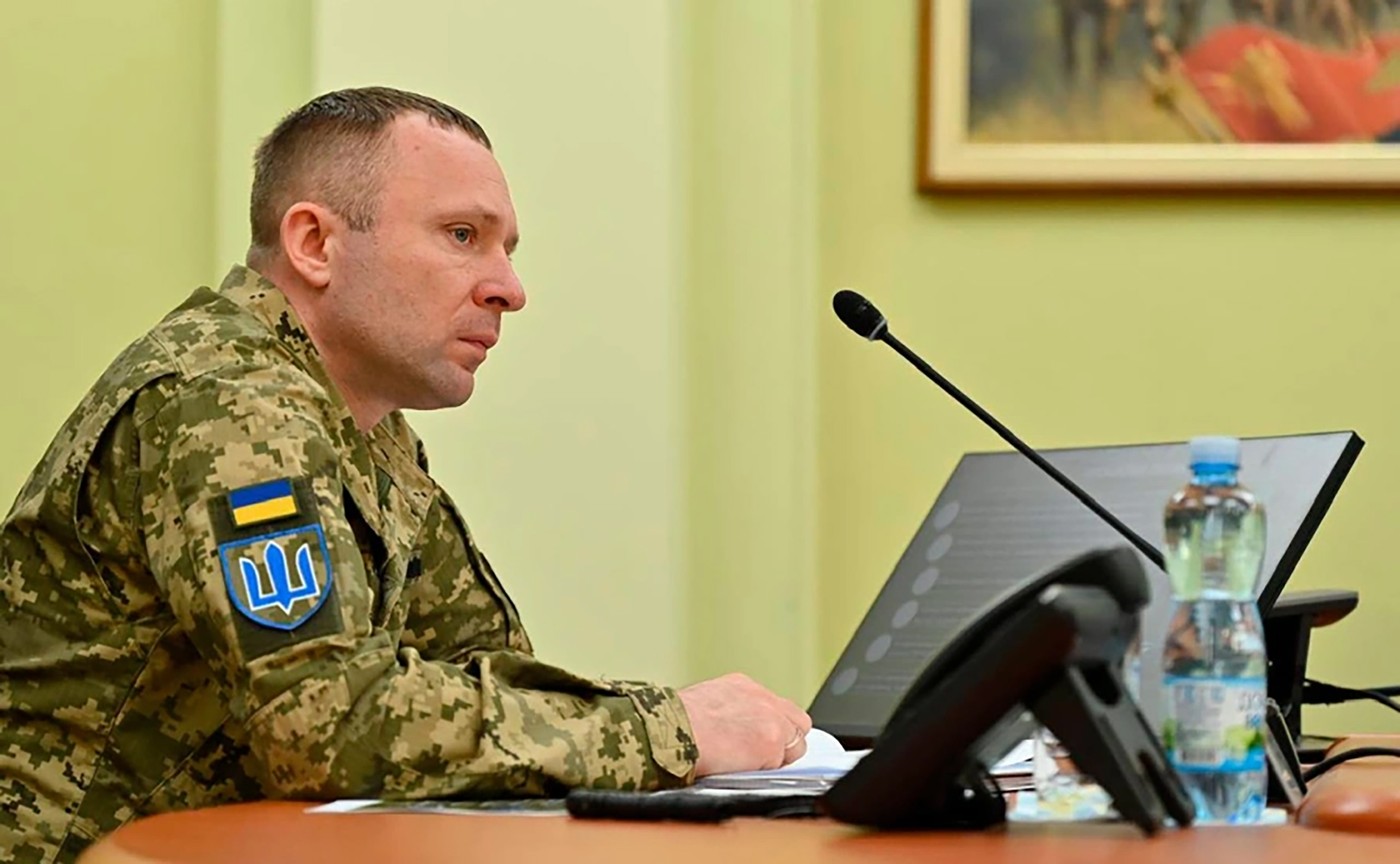
Zelensky Replaces General Syrskyi After Days of Protests
To understand the political unrest, and indeed the apparent deep dislike between the two men, their ages become relevant.
A Generational – and Emotional – Dispute
In simplistic – but accurate – terms, Fedorov was the young reformer. Syrskyi, who had earned himself the unflattering nickname “the Butcher”, was the old but ruthless dinosaur. The younger man exemplified in the public mind Ukraine’s new form of strategic and economic warfare; the older general hewed stubbornly to the view that, in the end, Ukraine will only win by driving Russian soldiers out at the point of a bayonet.
For whatever reason, Zelensky initially sided with the older man against the younger – provoking howls of discontent from the generation actually fighting the war, many of whom have seen friends and family return home from the front lines in coffins on foot of the army’s “meat grinder” strategy against the Russians. For younger Ukrainians, the idea of a nimbler, more technological war was incredibly appealing, because it offered the hope that more of them might live.
It is this, more than anything, that has destabilized Zelensky’s government. It may be simplistic and unfair, but by dismissing his defense minister, the signal he unwittingly sent to many of his own people was that more of them would be conscripted and more of them would die. That he was siding with a representative of the older generation – few of whom are on the front lines – did not help.
A Political Mistake Recognized – but Too Late?
Perhaps recognizing his mistake, Zelensky has now also removed Syrskyi from his post in an attempt to calm matters. Whether that ultimately works for him politically or not remains to be seen, but what can be observed is that, in a matter of a fortnight, Ukraine has lost its two top military leaders because neither could work with the other.
Yet, even without the two men, Ukraine still faces the same problem, one which is largely intractable.
On the one hand, the country clearly desires – and sees the advantages of – a move toward the more modern, drone-heavy, strategic and technological warfare favored and advanced by Fedorov. Yet on the other hand, it still needs a large conventional army to cover the front lines and repel relentless Russian assaults. Worse than that, the new form of warfare is making the old yet more treacherous: with tanks and armored vehicles now vulnerable to drones and with the Russians pushing ever more to “break” Ukraine by essentially fighting a war of attrition, life on the front lines is harder than ever.

You might be interested
War-Weary Ukrainian Children Recover in the Carpathians
Perhaps this explains the conflict: Fedorov’s “new warfare” provided hope of victory, but also – and inevitably – hope of fewer deaths, coffins and military funerals. The public, tired after long years of war, undoubtedly experienced a hope that was probably not justified. Strategic success against the Russians is not the same as fewer body bags on the front line. In that, the old guard of generals has a point.
Is Hope More Dangerous than Fear?
And so this is the problem Zelensky and Ukraine now grapple with. There is a growing confidence that Russia can be beaten with technology, but an accompanying false confidence that doing so will reduce the blood cost of the war on the front lines. Ukrainians see military successes, but also know that their sons and brothers and boyfriends continue to die to Russian artillery.
While the struggle was a grim and existential fight for survival, casualties were more accepted than they are during a push for victory. Nobody, after all, wants to be the last man to die in a war that is already won.
In short, the political instability in Kyiv is the price of success, rather than a symptom of failure.
The problem, however, is the cost: Ukraine has just lost two of its most effective military leaders. While nobody is irreplaceable, that is not something that can continue indefinitely. And for Zelensky – who remains much more popular abroad than he does at home – there are only so many people a leader can fire before the population decides that the ultimate problem can only be solved with change at the very top.