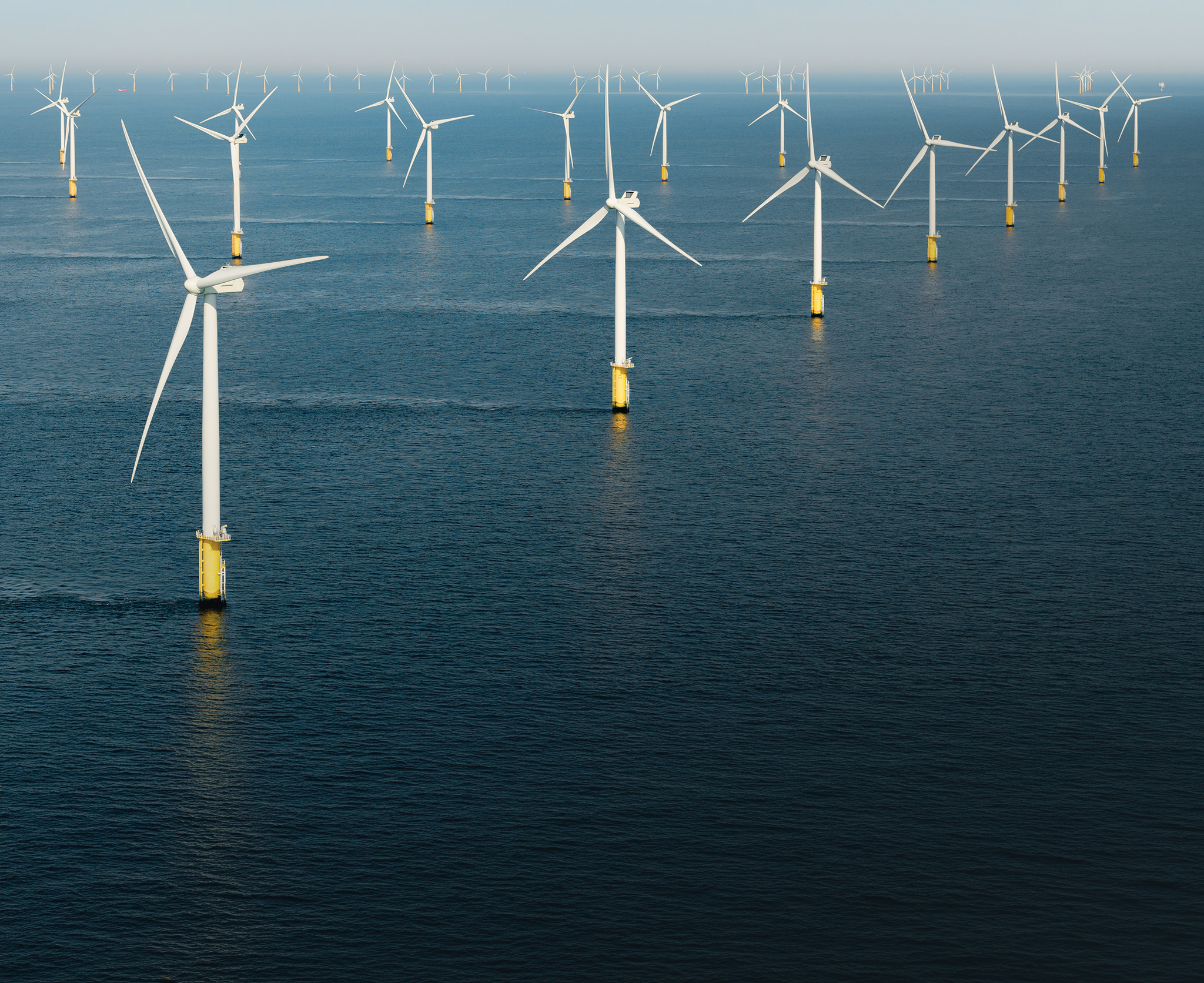
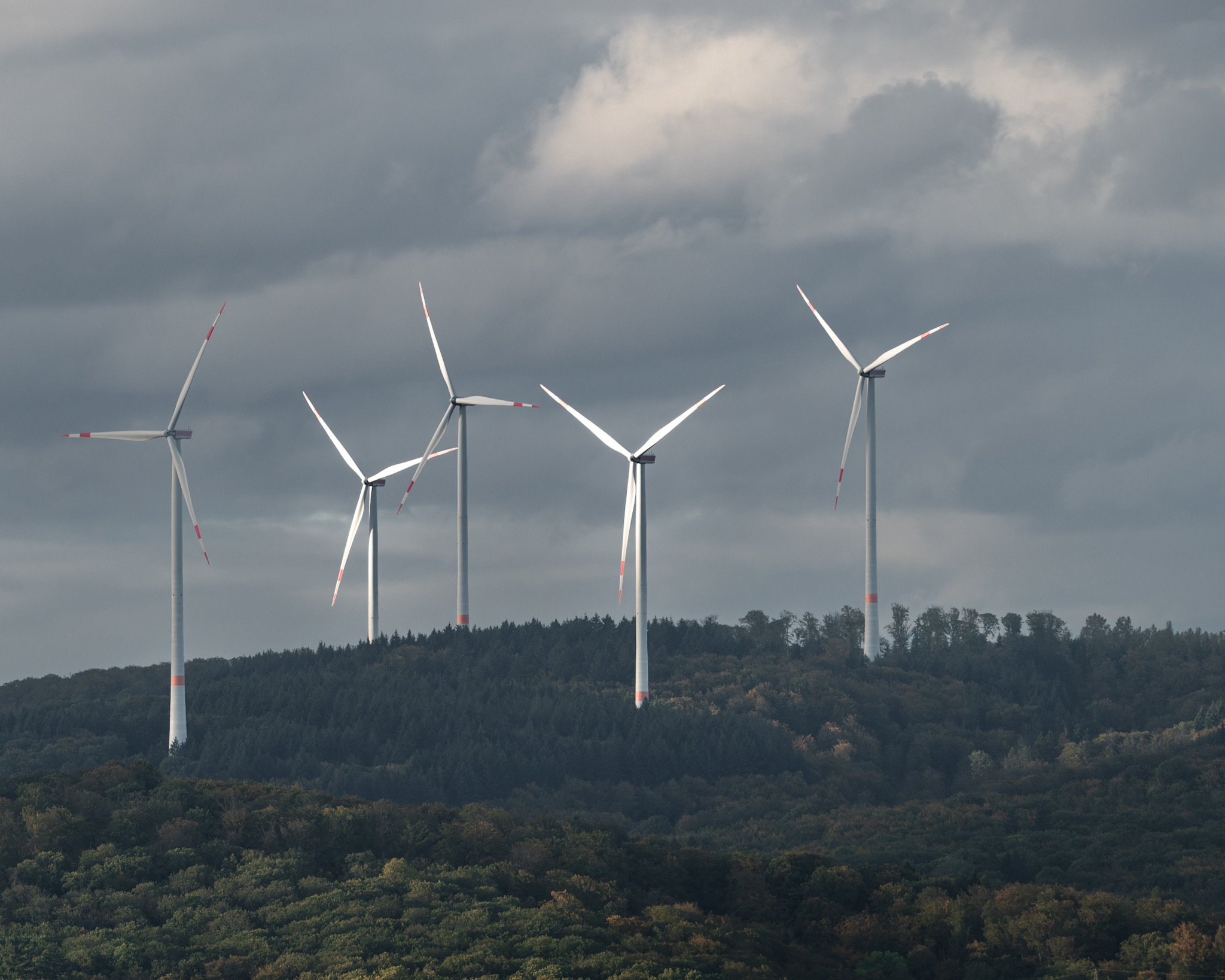
The debate surrounding wind turbines has become so heated that the Czech Television program Reporteri CT has suggested that opposition to wind power may serve Russian interests. It has cited experts who argue that Russia stands to benefit from slowing the development of renewables because greater domestic generation would reduce Europe’s reliance on imported energy.
However, arguments of this kind undermine the quality of the entire debate. The argument can just as easily be turned on its head. Russia might also benefit from the widespread adoption of wind power if a system with more intermittent generation required additional dispatchable backup. In practice, that could mean more gas-fired power plants.
The more gas-fired power plants the Czech Republic built, the greater its dependence on natural gas would become – and Russia has a national interest in higher gas prices and stronger global demand.
It would therefore be a major mistake to replace a debate over the economic viability and technical characteristics of wind farms with speculation about which energy choices may or may not serve Russia’s interests.
The political landscape shifted after last year’s Czech parliamentary elections. The previous government, led by Petr Fiala, was strongly pro-EU, a position that was reflected in its approach to wind power. It had begun work on a much larger set of potential renewable energy acceleration zones – pre-selected areas where the permitting process for renewable energy projects, primarily wind and solar power plants, was intended to be simpler and faster.
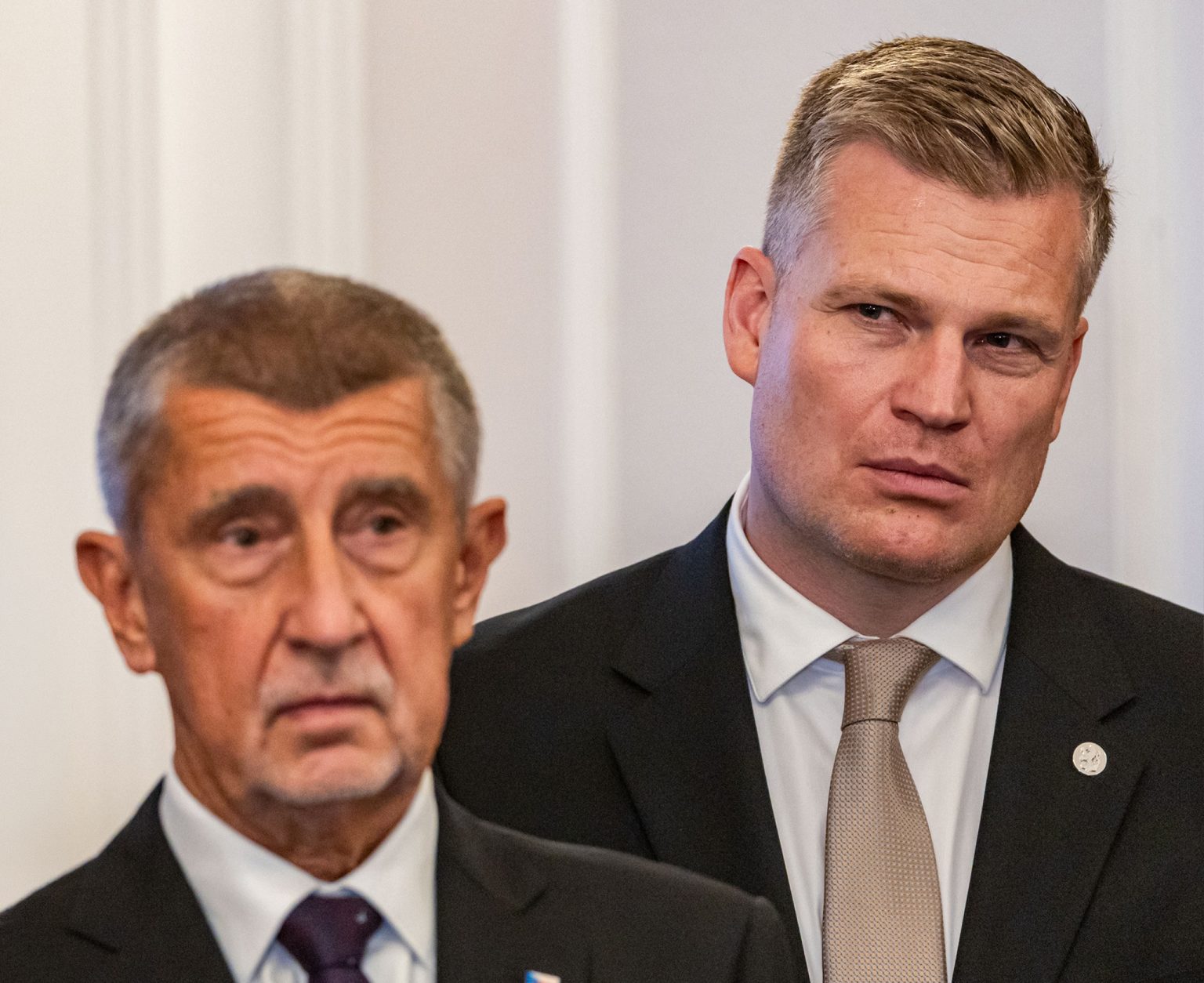
Neither Babis nor the Motorists advocate leaving the European Union, but both are critics of the Green Deal agenda. The proposed wind farms and acceleration zones have given them an opportunity to turn this opposition into concrete policy.
Wind Power vs the Green Deal
Filip Turek, government commissioner for climate policy and the Green Deal, summarized the government’s reasons for revising the program. Among the main arguments are the intermittency of wind power and the resulting need for backup generation. This is broadly correct, as is the government’s observation that wind conditions in the Czech Republic are less favorable than those in Denmark.
Alongside familiar arguments about the impact on the landscape and nature, the Czech cabinet has put forward others. These include the amount of land taken up by concrete and the limited contribution wind farms make to the Czech electricity mix, which is dominated by nuclear and coal-fired generation. Even if wind generation doubled from its 2025 level, it would still account for less than 2% of the Czech Republic’s electricity generation.
The commissioner saved the most interesting argument for last: the role of subsidies when wholesale electricity prices turn negative. The economics of renewable energy are shaped not only by market forces but also by public support. Without it, far fewer alternative energy projects would be built.
Finally, the push to establish acceleration zones is the result of EU requirements rather than the Czech Republic’s own energy priorities. Far more important for the Czech Republic’s energy supply will be the construction of two new reactors at the Dukovany nuclear power plant. This is the project the EU should be helping with if it is truly concerned about securing affordable energy for future generations.
The change in policy is evident in the numbers. The previous Fiala government had reviewed 2,685 sq km for potential inclusion in the acceleration zones. The new government’s first proposal, unveiled in April this year, covered 474 sq km across 94 areas. Its final proposal in July covered just 297 sq km across 61 areas.
Babis’s government boasted about standing up to Brussels officials. It was a typically Czech, Svejk-style gesture. The consistent position for an opponent of wind farms would, of course, be to reject acceleration zones altogether. Yet the current government did not do so.
The reason for this compromise is, unsurprisingly, money. According to an official statement from the Ministry of Regional Development, if the Czech Republic fails to meet its obligation to designate acceleration zones, it could lose more than €1bn ($1.17bn) in funding from the National Recovery Plan.
Where Resistance Ends
Wind farms are a good example of a Central European compromise. Andrej Babis’s cabinet has taken a stand against Brussels, but its willingness to resist ends where EU funding begins. The Czech Republic is not alone in taking this approach. Slovakia has followed a similar path.
Supporters of the European Union will see the behavior of the Czech and Slovak governments as opportunism. But that is a rather short-sighted view. To some extent, the dispute over wind farms shows the limits of Brussels’ dictates and suggests that there is room for a third way.
Ultimately, the debate over wind farms should not be about the European Union, but about what the Czech energy sector should look like. This is precisely where the principle of subsidiarity should apply.
Conditions differ from country to country, and the European treaties ultimately preserve member states’ right to choose between different energy sources and determine the general structure of their energy supply. A single energy mix for all of Europe makes no sense. The question for the Czech Republic is much more practical: what combination of sources can ensure that the country has enough electricity at a price households and industry can still afford?