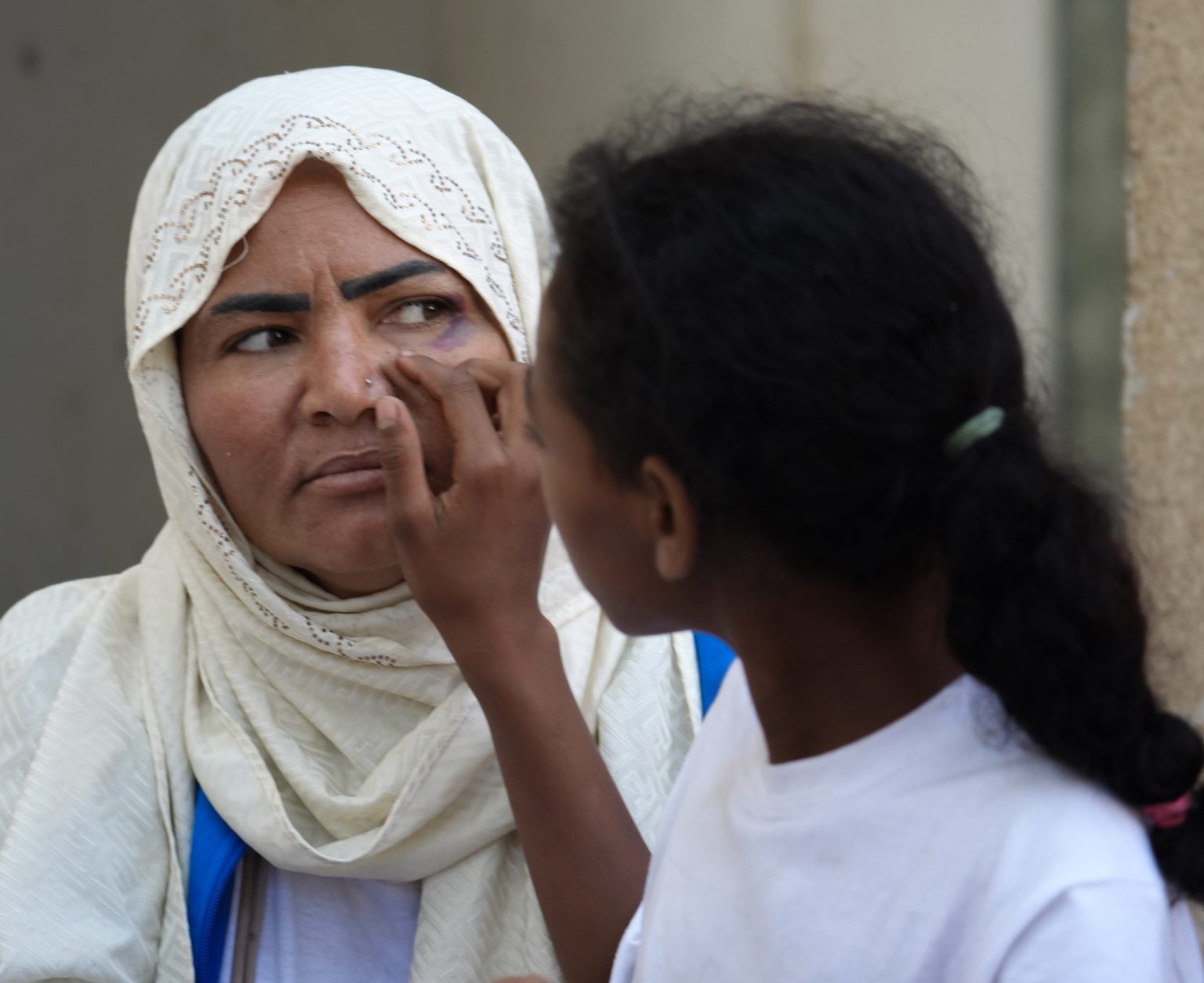
Since the mass influx of migrants on 30 July in the Spanish enclave of Ceuta in North Africa, sexual assaults and rapes have been on the rise in the territory. Police have noted a particularly sharp increase in these incidents, which adds to the grim picture of a city in the grip of chaos.
According to an investigation published on 18 August, the Ceuta Prosecutor’s Office confirmed that 13 complaints of sexual assault had been formally filed between the mass influx on 30 July and 17 August. The Prosecutor’s Office also stated that the majority of the alleged perpetrators were undocumented foreigners – with the exception of two Spanish nationals – and that nearly all of the victims were themselves foreigners.
A Sharp Rise in Sexual Assaults
The figure of 13 may understate the true total, as not all incidents necessarily result in a formal complaint. The police union SUP reports 15 cases. Among the victims is a 10-year-old girl who was sexually assaulted by three men – apparently three brothers – who were caught in the act of attacking her.

You might be interested
Ceuta Crisis Exposes Cracks in Europe's Open-Border System
Accounts from hospital staff corroborate the broader picture. The Ceuta University Hospital treated at least five girls under the age of 14 for alleged rapes during the week following the mass arrival. One of them was the victim of a sexual assault involving penetration and was subsequently forced by the assailant to sell drugs. All had arrived irregularly from Morocco.
The same sources indicate that the actual number of victims could be higher and that hospital staff had dealt with more than a dozen cases consistent with sexual assault. Several police and health sources state that a medical examination of one victim found signs of particularly brutal violence.
According to the correspondent on the ground for the French network CNews, the situation is causing local residents to fear for their children. Some who have family or friends in mainland Spain are considering sending their children there. Beyond concerns for children, fear is widespread in Ceuta, especially among women. According to El Español, many now travel to work accompanied by others and are escorted home.
The small enclave of Ceuta is not accustomed to such a wave of violence. For the entire year of 2025, 52 sexual assaults – including nine rapes involving penetration – were reported, making the 13 complaints filed between 30 July and 17 August 2026 a strikingly high figure by comparison.
From Border Crisis to Security Crisis
Cases of rape and sexual assault are not the only acts of violence that have been plaguing the Spanish enclave for nearly three weeks now. The local press also reports communal clashes between Moroccans and sub-Saharan Africans, which are contributing to a climate of fear among residents.
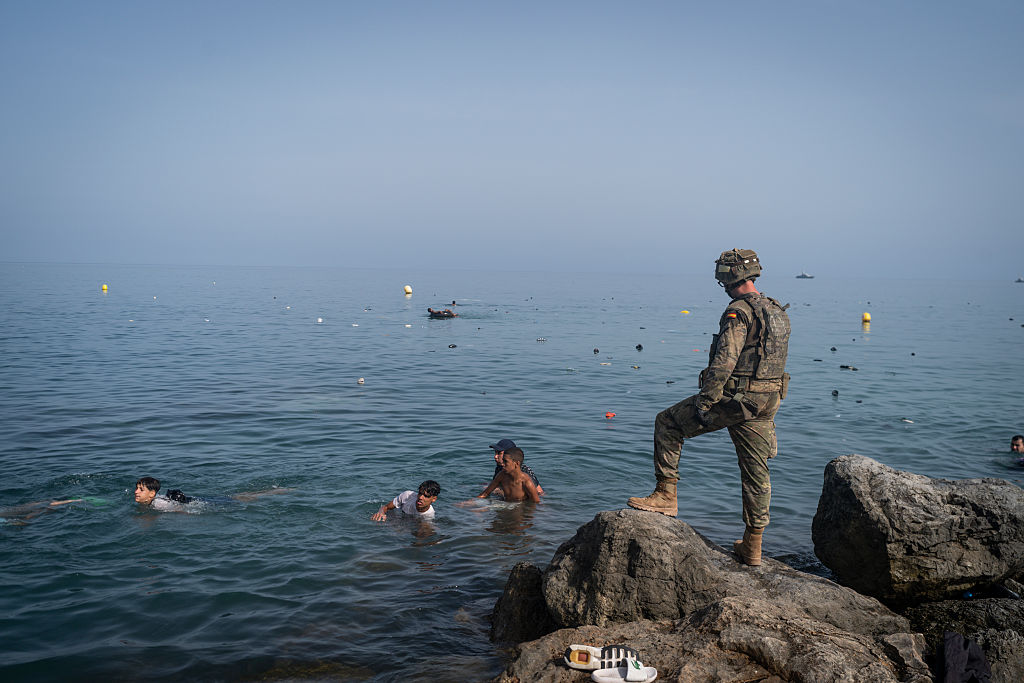
As of 21 August, the enclave finds itself in a paradoxical situation: the acute crisis of 30 July has ended, but Ceuta is far from having returned to normal. The streets remain deserted, and the few establishments that are open – mainly supermarkets – are guarded by police. The available figures are still uncertain, but several thousand people remain scattered throughout the city, while the authorities are simultaneously attempting to identify them, provide them with shelter and organize their return or transfer to mainland Spain.
According to the Spanish Ministry of the Interior, approximately 72,000 people crossed the border on 30 and 31 July. Today, estimates of the number remaining in Ceuta vary. The enclave’s president, Juan Jesús Vivas, recently cited a figure of 5,000 to 8,000 people. On 20 August, Vivas also estimated that, at the current rate of processing applications – 25 to 30 per day – it would take nearly a year to resolve the situation.
You might be interested
Ceuta Crisis in Numbers: Claims of Restored Control Do Not Add Up
The situation is particularly critical for minors. The Spanish government estimates that approximately 1,400 children and teenagers are sleeping in the city’s shelters, while acknowledging that many others are still on the streets, unidentified. Madrid is preparing to transfer approximately 500 unaccompanied minor girls to the mainland.
Trampolín Beach remains the symbol of this situation. After the evacuation of some 1,800 people on Thursday 20 August, several hundred migrants returned there the very next day. The police had to maintain a significant presence while the authorities cleaned up the beach. Migrants were also taken to the new temporary centers at Loma Colmenar and Loma Margarita, but a lack of space and the reluctance of some to move to these facilities are complicating the operation.
Thousands Still Stranded in the Enclave
The dispersal of migrants across outlying neighborhoods is fueling tension. Residents in several areas have reported intrusions onto private property. At the Residencia Nazaret, people living there say they have organized nightly watch shifts following several attempted break-ins.
The increase in security pressure is not merely a matter of perception. According to El Faro de Ceuta, local courts are facing a caseload several times higher than usual: while a judicial police station in August would normally receive two or three people taken into custody per day, some recent days have seen 15 to 20 cases filed, 95% of which involved people who entered during the July influx. Some cases involve violence or clashes among migrants; others concern individuals already wanted by Spanish authorities.
Security measures therefore remain exceptional: the Government Delegation has kept 1,042 National Police officers and Civil Guards deployed in the enclave, particularly in the outlying neighborhoods.
The picture as of 21 August is therefore of a crisis that has changed form rather than ended: the border is once again under control, but several thousand people remain in the enclave; illegal encampments are reappearing; reception facilities are overwhelmed; police remain deployed in large numbers; and both the courts and social services are facing a workload far greater than normal.
Three weeks after the mass influx, Ceuta is no longer facing the same acute emergency but is likely to continue suffering for many months to come.