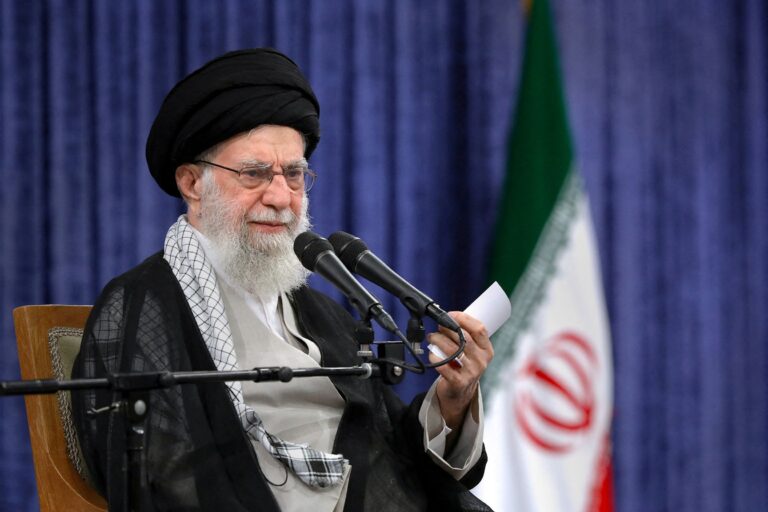
Iranian state media confirmed on Sunday that Ayatollah Ali Khamenei, 86, had been killed in an air strike, just hours after the United States and Israel had announced his death.
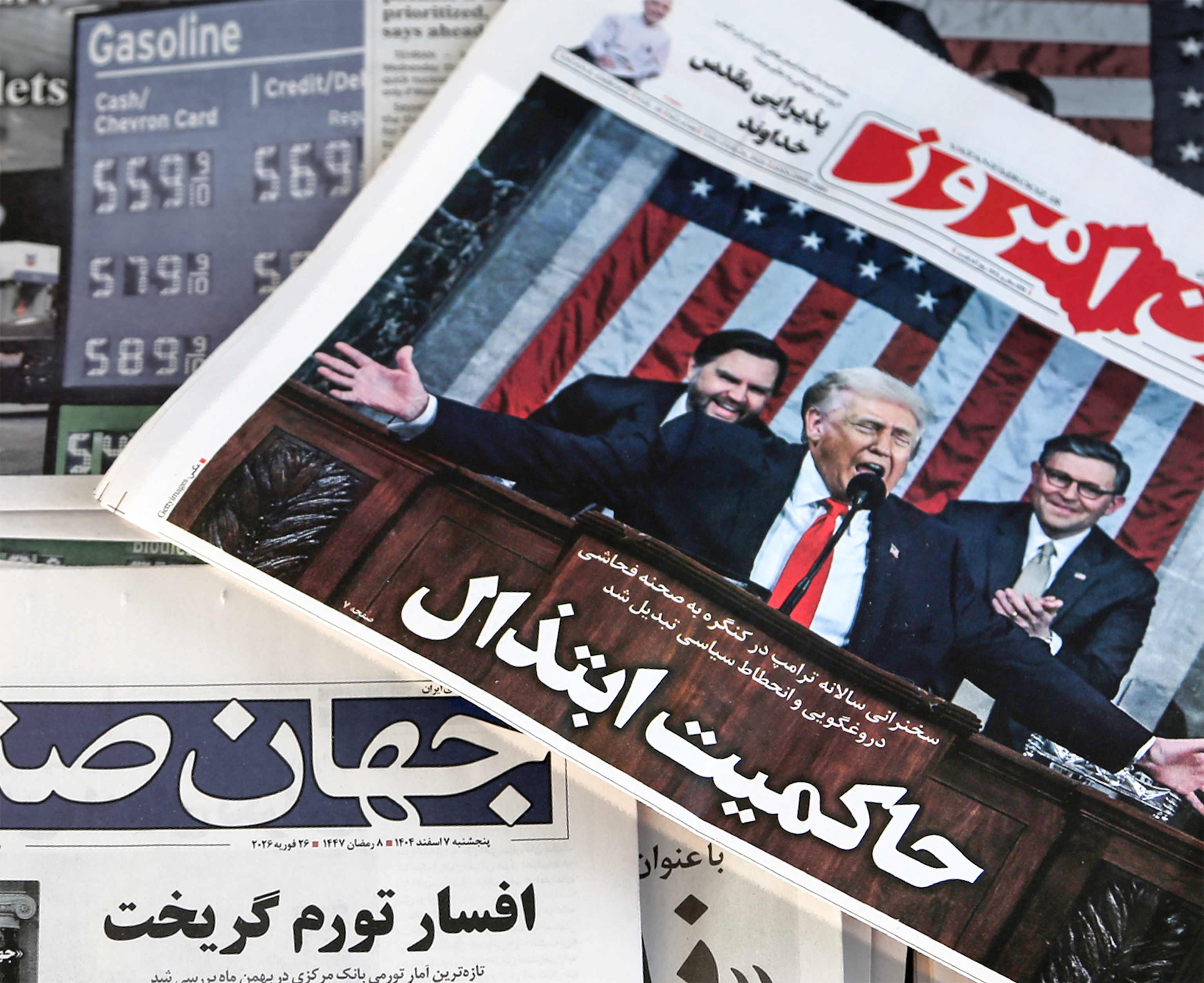
US President Donald Trump said the operation was intended to end decades of threats from Iran and to ensure the country could not develop nuclear weapons, seeking to justify a risky move that appeared to contradict his stated rejection of American involvement in complex foreign conflicts.
‘This is not only justice for the Iranian people, but also for all the great Americans and people from many countries around the world who have been killed or maimed by Khamenei and his gang of bloodthirsty bandits,’ Trump wrote on Truth Social after Khamenei’s body was found.
Experts said that while the deaths of Khamenei and other senior Iranian figures would deal a major blow to the country, they would not necessarily spell the end of Iran’s entrenched clerical rule or the Revolutionary Guard’s influence.
A series of further attacks from both sides
The Israeli army said it had struck Iranian ballistic missiles and air defence systems on Sunday morning.
The strikes were expected to continue for several days, a US official told Reuters. Trump wrote on social media that the intense bombing ‘will continue uninterrupted for a week or as long as necessary’ to achieve ‘PEACE THROUGHOUT THE MIDDLE EAST AND, IN FACT, THROUGHOUT THE WORLD!’
Iran’s armed forces would soon launch their biggest offensive against US bases and Israel, the Islamic Revolutionary Guard Corps said in a statement on Sunday.
Shortly after 6am, sirens sounded repeatedly across Israel, warning residents of an impending attack. A series of explosions was heard in Tel Aviv as Israel’s sophisticated air defence system attempted to intercept the latest Iranian barrage. No damage or injuries were immediately reported.
Witnesses in the Persian Gulf cities of Dubai and Doha reported hearing several loud explosions.
Iran responded to Saturday’s strikes by firing hundreds of missiles and drones at US troops and at cities in Israel and Arab countries allied with Washington, leading to widespread flight disruptions across the Middle East.
The Pentagon said there were no American deaths or injuries, but the attacks raised concerns about fresh risks to US personnel.
A senior US intelligence official told Reuters that while the primary threat from the operation was to American military personnel in the region, cyber attacks could also target critical US infrastructure.
Damaged airports
Major airports in the Middle East, including Dubai – the world’s busiest international air transport hub – were closed on Saturday after Iranian missile retaliation caused one of the most serious disruptions to global air traffic in recent years.
Dubai’s Burj Al Arab hotel and the city’s main airport, which handles more than 1,000 flights a day, were damaged in a night-time attack on sites in the Gulf states. Airports in Abu Dhabi and Kuwait were also hit.
On Saturday, Tehran warned that it had closed the Strait of Hormuz, the narrow channel through which about one fifth of the world’s oil consumption passes, raising expectations of a sharp rise in oil prices.
Hundreds of civilians were killed or wounded in the American and Israeli attacks, Iran’s ambassador to the UN, Amir Saeid Iravani, said on Saturday at an emergency meeting of the UN Security Council.
Iravani described Iran’s retaliatory strikes as a matter of self-defence and called the enemy forces’ bases legitimate military targets.
UN Secretary-General António Guterres, urging an immediate end to hostilities, expressed deep regret that the opportunity for diplomacy had been ‘wasted’.
Spiritual leader killed
Israel and the United States timed the attacks to coincide with a meeting between Khamenei and his top aides, according to two US sources and a US official familiar with the matter.
Khamenei was working in his office at the time of Saturday’s strike, state media said, adding that his daughter, granddaughter, daughter-in-law and son-in-law also lost their lives.
Israeli officials said he had been killed along with his closest advisers, including Ali Shamkhani, a former secretary of the Supreme National Security Council, and Mohammad Pakpour, commander of the Islamic Revolutionary Guard Corps.
In a statement, the Revolutionary Guards paid tribute to their ‘great leader’.
Iran declared 40 days of national mourning after announcing the death of its supreme authority.
Trump and Israeli Prime Minister Benjamin Netanyahu called on Iranians to rise up and overthrow their government after attacks that left at least seven senior military commanders dead, the Israeli army said.
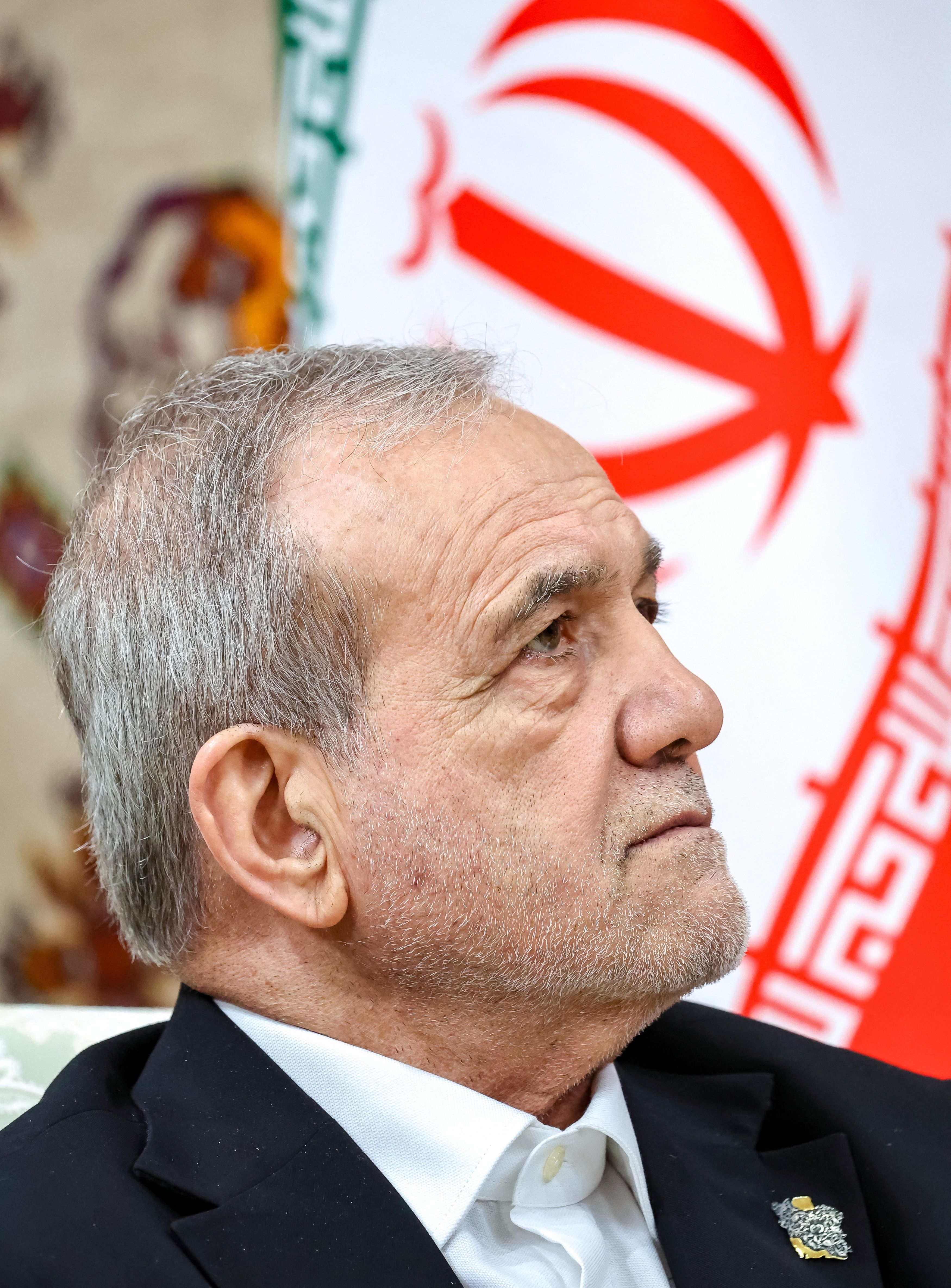
Following Khamenei's death, Iranian President Masoud Pezeshkian will temporarily lead the country alongside two other officials, Iranian state television reported on Sunday, according to AFP.
Among those named was the head of the Iranian judiciary, Gholam Hossein Mohseni Ejei.
(reuters, im)