Israel attacks targets in central Tehran
The Israeli army announced on Sunday that it had carried out a large-scale wave of attacks in the "heart of Tehran" with the aim of gaining air superiority over the Iranian capital. According to its statement, the Israeli Air Force has been systematically weakening Iran's air defenses in the western and central parts of the country in recent days.
World agencies reported a massive explosion in the city center that sent thick smoke into the sky. It was not immediately clear what the target of the attack was, but some sources say the explosion hit an area where the police headquarters and state television are located.
An Israeli military spokesman said the operation would continue as long as necessary. According to him, the deployment of ground forces is not currently being considered.
The strikes were expected to continue for several days, a US official told Reuters. Trump wrote on social media that the intense bombing ‘will continue uninterrupted for a week or as long as necessary’ to achieve ‘PEACE THROUGHOUT THE MIDDLE EAST AND, IN FACT, THROUGHOUT THE WORLD!’
Iran’s armed forces would soon launch their biggest offensive against US bases and Israel, the Islamic Revolutionary Guard Corps said in a statement on Sunday.
Shortly after 6am, sirens sounded repeatedly across Israel, warning residents of an impending attack. A series of explosions was heard in Tel Aviv as Israel’s sophisticated air defence system attempted to intercept the latest Iranian barrage. No damage or injuries were immediately reported.
Iran responded to Saturday’s strikes by firing hundreds of missiles and drones at US troops and at cities in Israel and Arab countries allied with Washington, leading to widespread flight disruptions across the Middle East.
The Pentagon said there were no American deaths or injuries, but the attacks raised concerns about fresh risks to US personnel.
A senior US intelligence official told Reuters that while the primary threat from the operation was to American military personnel in the region, cyber attacks could also target critical US infrastructure.
Retaliatory attacks hit Dubai and Doha
Loud explosions were heard in Dubai and Doha, Qatar, for the second day in a row after Iran expanded its retaliatory attacks on Persian Gulf states. Although Tehran initially declared that it would focus primarily on US bases in the region, missiles and drones also hit other targets.
In Dubai, the international airport, the iconic Burj al-Arab hotel, and the luxury Palm Jumeirah island suffered damage. Thick plumes of smoke rose from the Jebel Ali port area after debris from an intercepted missile caused a fire at one of the berths. Two people were injured after shrapnel from drones hit residential buildings, according to the Dubai Media Office.
The Qatari Interior Ministry reported a limited fire in an industrial zone near Doha, which was caused by debris from the intercepted missile. The incidents further heightened tensions in the region and significantly disrupted air traffic.
Trump warns Iran of "force like they've never seen before"
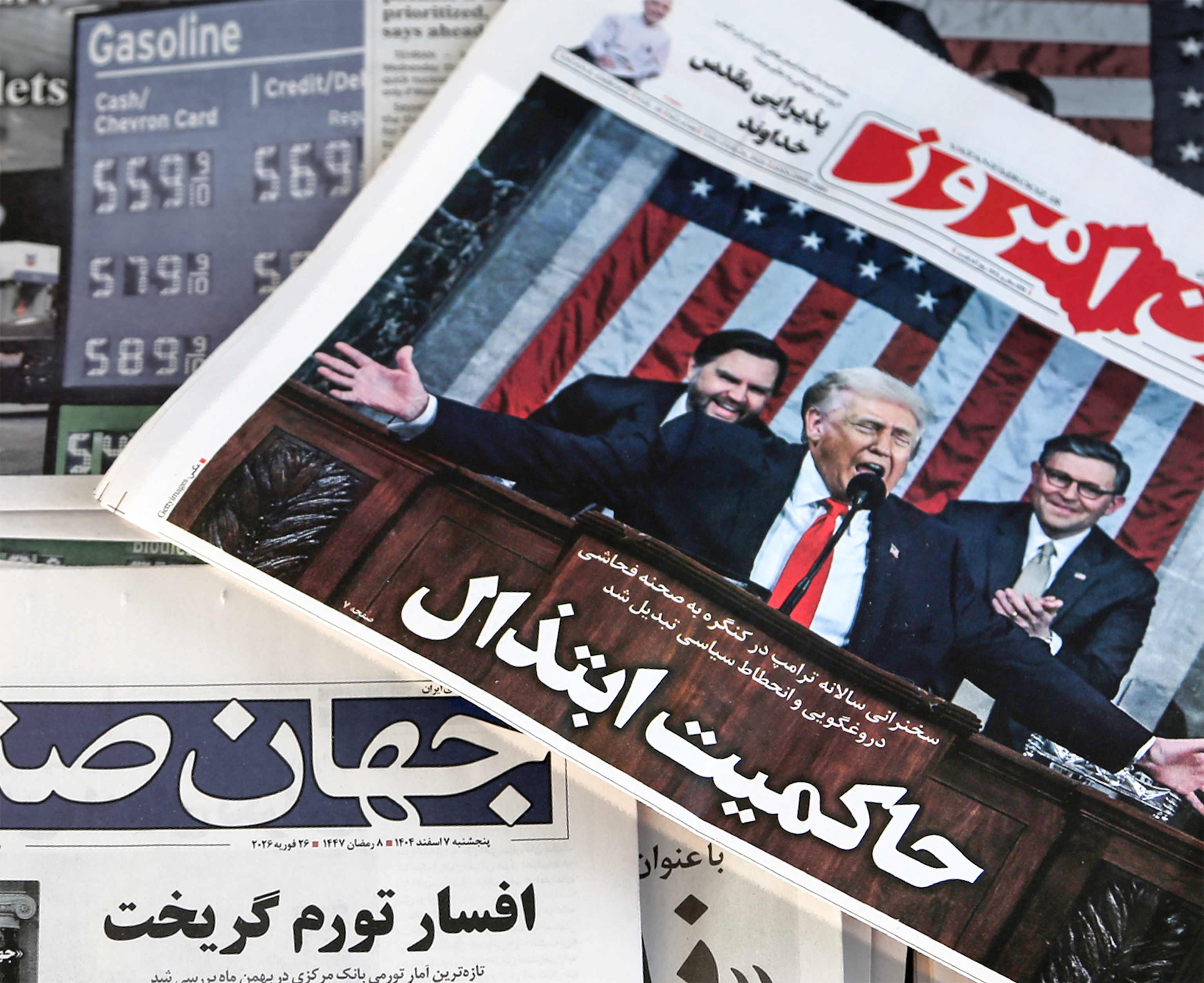
US President Donald Trump warned Tehran on Sunday of a harsh response if it continues its retaliatory strikes. He wrote on the social network Truth Social that the United States would respond with "force like they've never seen before" if Iran escalates further.
Iranian officials have meanwhile threatened "terrifying strikes" against the US and Israel. Parliament Speaker Mohammad Bagher Qalibaf said Iran would not let the crossing of the "red line" go unanswered. According to him, missiles have already been fired at Israeli targets and US bases, and another operation is being prepared.
Tensions continue to escalate not only between Tehran and Tel Aviv, but also in the wider Middle East region, where fears of further conflict are reflected in both security and economic areas.
At least 150 tankers are waiting off the Strait of Hormuz
Tensions in the Persian Gulf have also affected shipping. According to an analysis by Reuters, at least 150 tankers are currently anchored off the Strait of Hormuz, with dozens more waiting on the other side of this strategic strait.
Approximately one-fifth of the world's oil and natural gas supplies pass through the strait, so any restriction on shipping could have an immediate impact on global energy prices.
Following the US and Israeli attacks on Iran, the Islamic Revolutionary Guard Corps warned that shipping through the strait is dangerous and effectively closed. Iranian state television also reported that a tanker attempting to pass through the strait had sunk after being hit.
The situation is thus heightening fears of a possible blockade of this key transport artery, which Tehran has long threatened to do in the event of an attack on its territory.
Hundreds of civilians were killed or wounded in the American and Israeli attacks, Iran’s ambassador to the UN, Amir Saeid Iravani, said on Saturday at an emergency meeting of the UN Security Council.
Iravani described Iran’s retaliatory strikes as a matter of self-defence and called the enemy forces’ bases legitimate military targets.
UN Secretary-General António Guterres, urging an immediate end to hostilities, expressed deep regret that the opportunity for diplomacy had been ‘wasted’.
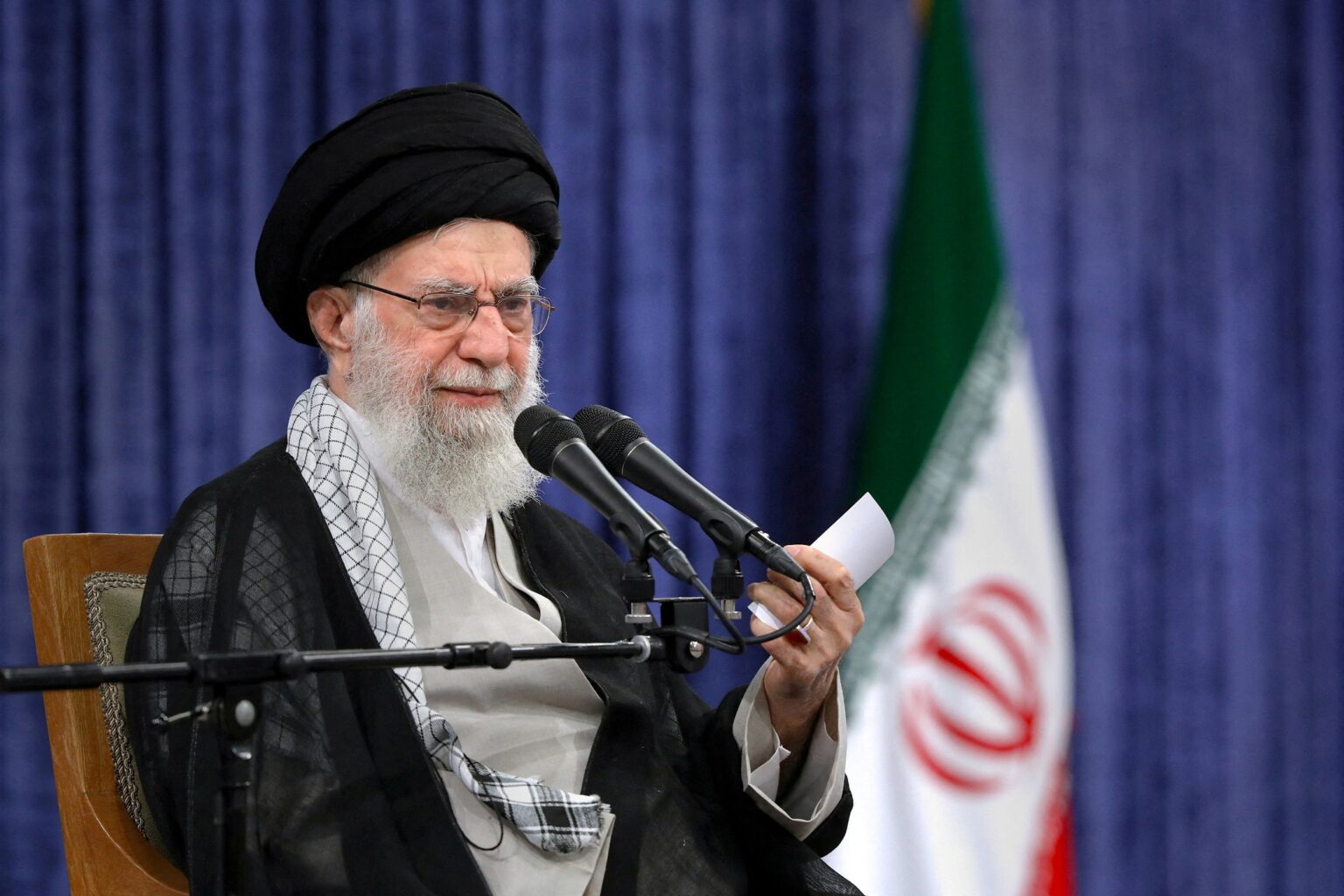
Spiritual leader killed
Israel and the United States timed the attacks to coincide with a meeting between Khamenei and his top aides, according to two US sources and a US official familiar with the matter.
Khamenei was working in his office at the time of Saturday’s strike, state media said, adding that his daughter, granddaughter, daughter-in-law and son-in-law also lost their lives.
Israeli officials said he had been killed along with his closest advisers, including Ali Shamkhani, a former secretary of the Supreme National Security Council, and Mohammad Pakpour, commander of the Islamic Revolutionary Guard Corps.
In a statement, the Revolutionary Guards paid tribute to their ‘great leader’.
Iran declared 40 days of national mourning after announcing the death of its supreme authority.
Trump and Israeli Prime Minister Benjamin Netanyahu called on Iranians to rise up and overthrow their government after attacks that left at least seven senior military commanders dead, the Israeli army said.
Iran will be led by a triumvirate
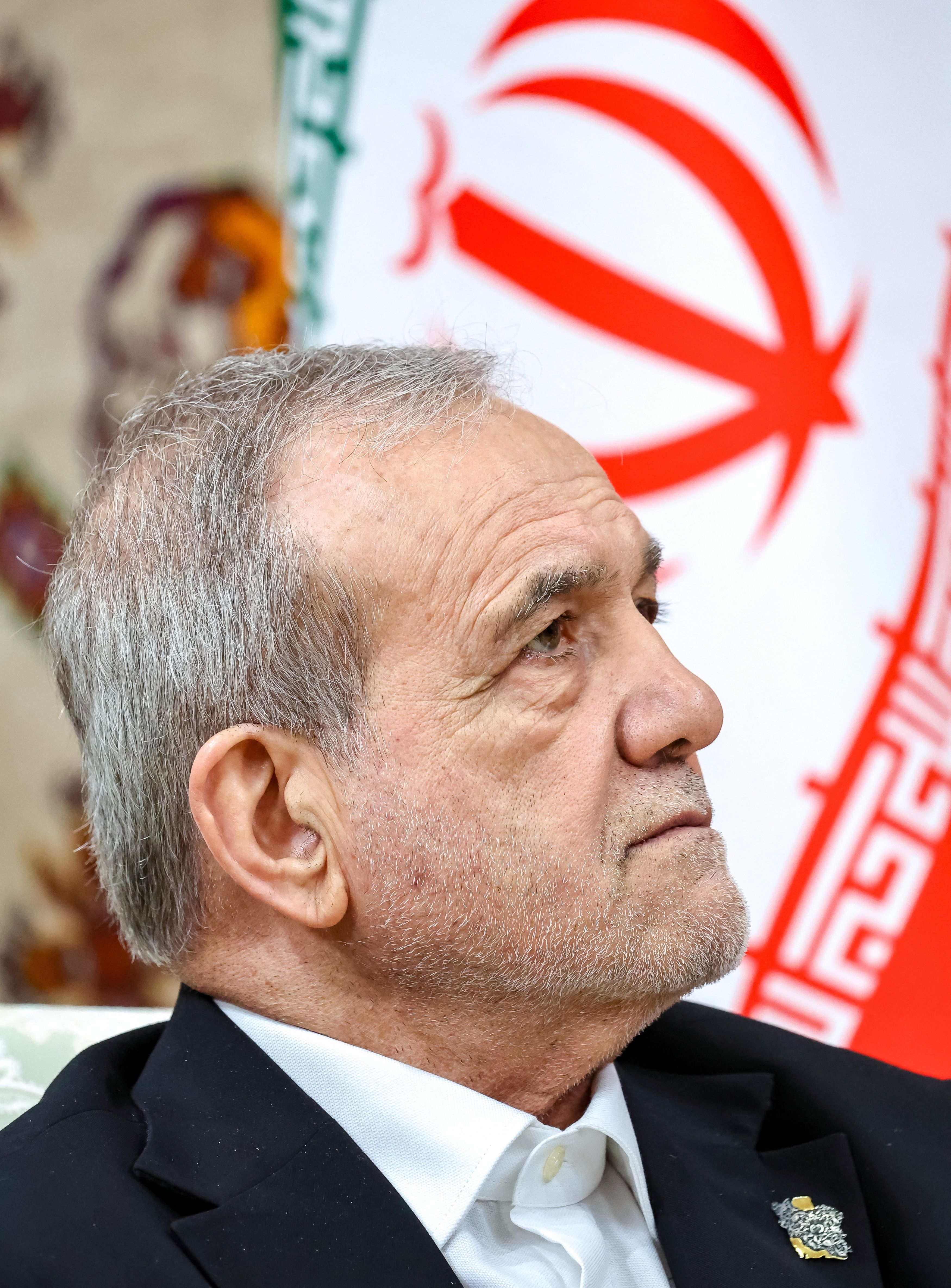
Following the death of its supreme spiritual leader, Iran will be temporarily led by a triumvirate consisting of President Masoud Pezeshkian, Chief Justice Gholamhossein Mohseni Ejei, and a legal expert from the Guardian Council selected by the Council for Determining the Interests of the Regime.
The formation of such a transitional council is enshrined in law in the Islamic Republic of Iran, according to the Times of Israel. It consists of the acting Iranian president, the head of the country's judiciary, and a member of the Guardian Council. The latter is selected by the Iranian Expediency Council, which advises the Supreme Leader and resolves any disputes with parliament.
Under Iranian law, the influential Council of Experts must elect a new Supreme Leader "as soon as possible."
(reuters, im, mja)