
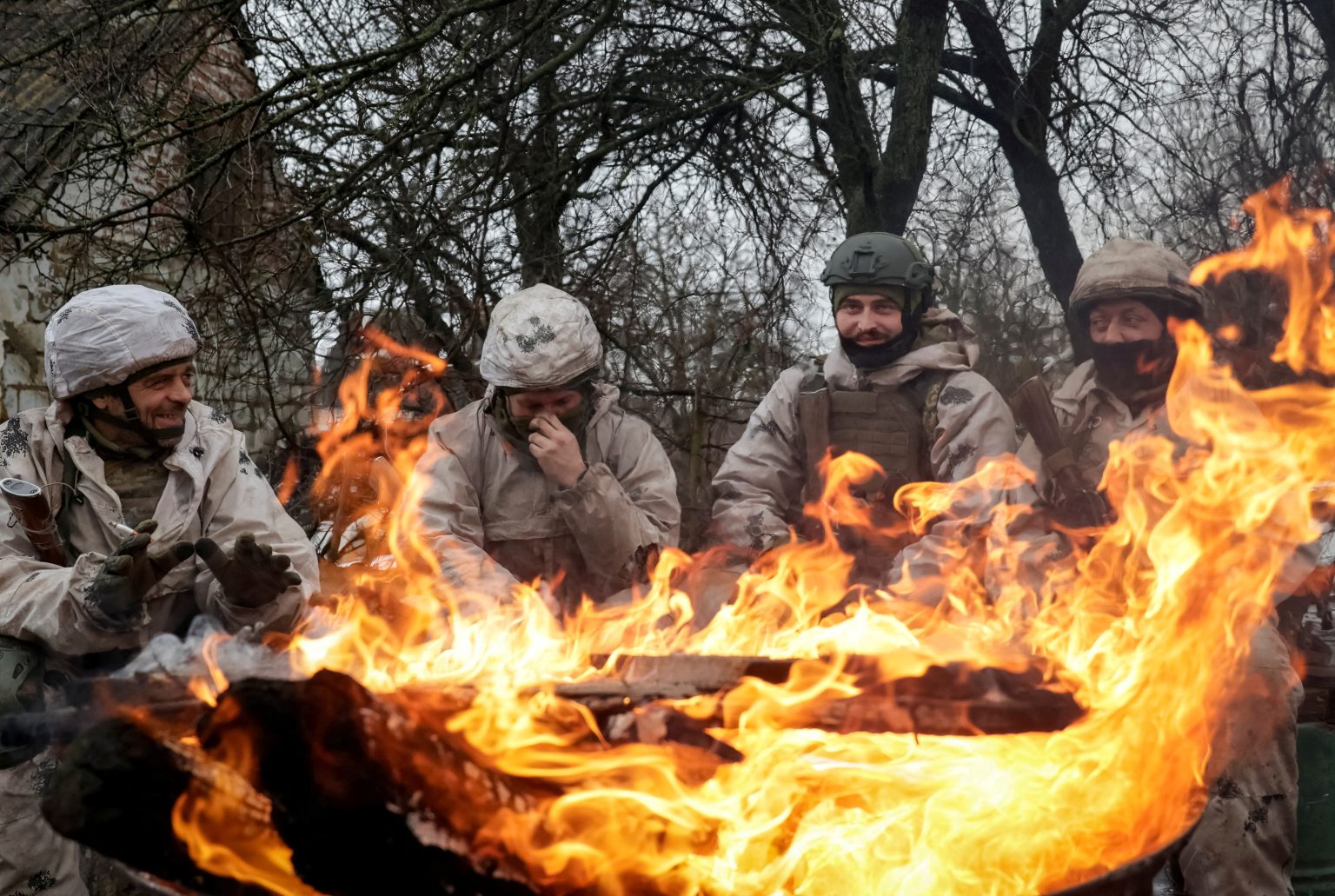
On March 3, the day after Israel expanded its air strikes to Lebanon and began a military incursion into the country, Politico published a joint article by four journalists on how the armed conflict in the Middle East will affect the Russian-Ukrainian war. According to Politico, the attack on Iran plays into the Kremlin's hands.
The Ukrainian army will likely soon begin to feel a shortage of weapons, ammunition and missiles from the West. The longer the Israeli-American attack on Iran lasts, the worse it will be for Kyiv. A significant portion of American intelligence resources that have so far been available to Kyiv will also shift their attention to Iran.
Not all wars are the same
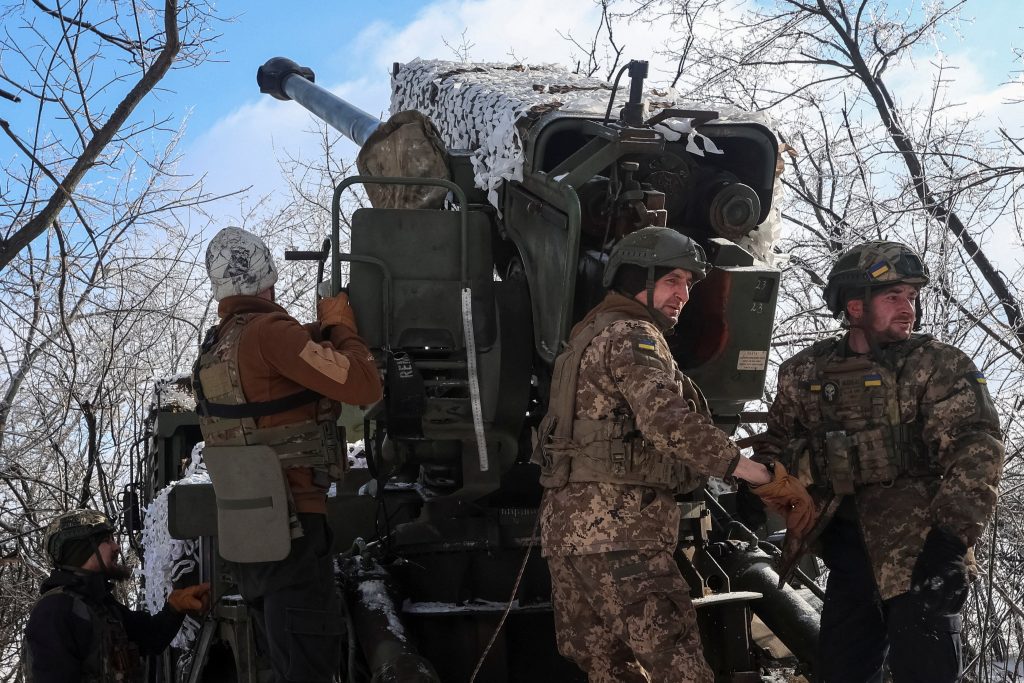
Ukrainians feared a reduction in Western aid as early as 2023 and 2024, when the conflict in the Middle East between Israel and some of its enemies escalated again. Kyiv therefore repeatedly called for dialogue and a diplomatic solution to disputes between the warring parties in the Middle East, while Tel Aviv advocated a similar approach to the war in Eastern Europe.
Both Israel and Ukraine were and remain aware that the United States cannot fully support both countries at the same time. However, Kyiv has long been at a disadvantage in this dispute, as the Israeli-American alliance has a very different dimension and background from the Ukrainian-American partnership.
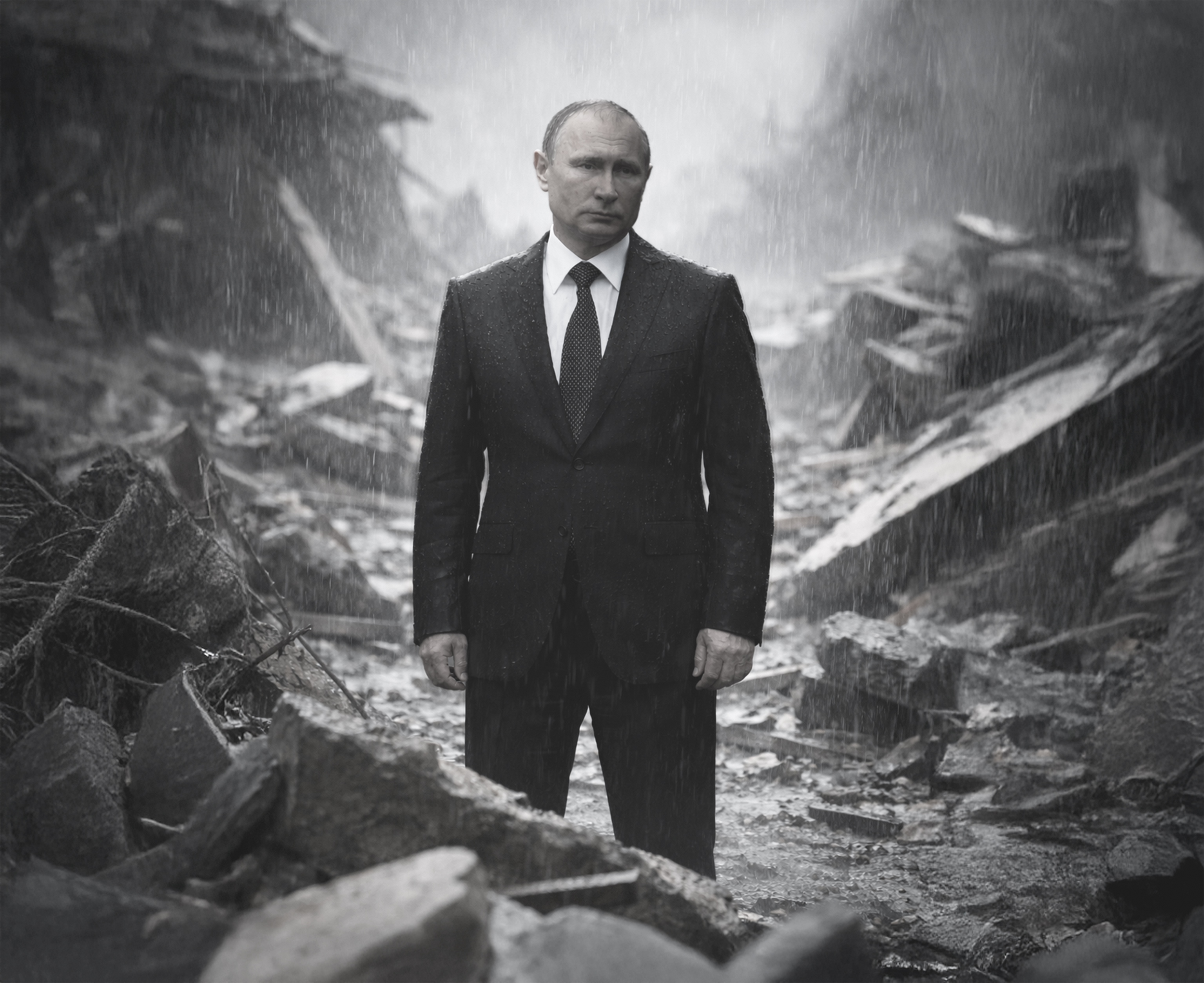
Ukrainian President Volodymyr Zelenskyy has in the past criticised Tel Aviv for fearing Russian leader Vladimir Putin and therefore not providing Kyiv with sufficient military aid. The Israeli Ministry of Defence has refused to grant domestic company NSO a license to sell its sophisticated Pegasus spyware to Ukraine, despite having allowed NSO to sell it to Slovakia.
Supplies are running out
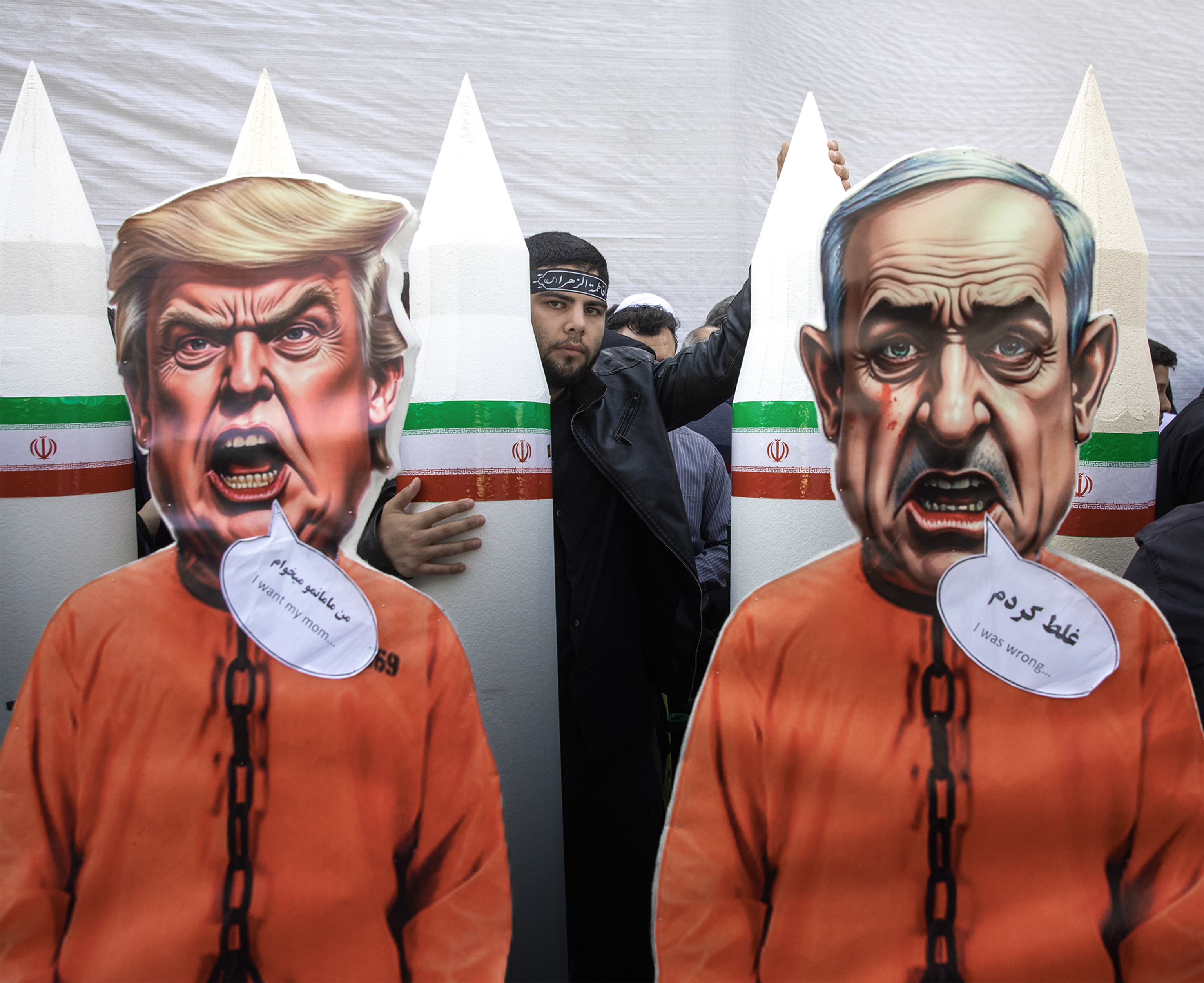
In February 2025, Israel’s representative also voted alongside Russia and the United States against a UN resolution on the territorial integrity of Ukraine. On March 3, US President Donald Trump wrote on his social network that the United States now has such reserves of modern missiles that it could wage war indefinitely. He was clearly referring to a war in support of Israel, not Ukraine.
‘Sleepy Joe Biden spent all his time and our country’s money GIVING everything to P. T. Barnum (Zelenskyy!) from Ukraine worth hundreds of billions of dollars. And even though he gave away so much of the most advanced technology FOR FREE, he did not take care of replenishing it,’ Trump wrote.
The number of air defence missiles (PVO) in Ukrainian army warehouses is severely limited by Western supplies, as the domestic industry is not yet able to provide them to the armed forces. According to the Financial Times, the large number of drones in the hands of the Iranian regime has also created a shortage of air defence missiles for the United States and its allies in the Middle East, similar to a year ago.
It is therefore increasingly clear that supplies of air defence weapons to Ukraine may be sidelined and that Kyiv’s air defence will gradually begin to show greater weaknesses. On March 3, Zelenskyy offered US allies in the Middle East an arms swap. Ukraine would provide anti-drone systems in exchange for American Patriot PAC-3 missiles.
Iran and the armed groups it directly or indirectly supports use a tactic that overwhelms expensive modern air defence systems with large numbers of cheap missiles and drones. Sooner or later, US defence systems will run out of missiles regardless of continued aid to Ukraine.
According to the AFP, Kyiv has effective and relatively inexpensive means of destroying Iranian Shahed drones, which Russia also uses extensively against Ukraine. By contrast, Ukraine has long struggled with a shortage of modern Patriot air defence systems needed to intercept Russian missiles.
Zelenskyy therefore argues that this would be a ‘fair exchange’, as PAC-3 missiles are not designed to destroy large numbers of drones but are crucial against ballistic threats.
The price of a single PAC-3 missile ranges from €2.8 million to €6 million depending on the level of modernisation and the United States can produce only about 650 units a year. Ukrainian electronic warfare assets such as stationary or mobile drone jammers, by contrast, can be used repeatedly.
The price of the interceptor drones used by the Ukrainians (four-propeller FPV Sting drones of domestic production designed to shoot down Shaheds) is approximately €1,800, while the Iranian Shahed costs more than €29,000.
On March 2, former Azov commander and current lieutenant colonel of the elite 3rd Army Corps, Maxym Zorin, criticised the West for its ‘self-confidence, unwillingness to react quickly and adapt to the current reality’, which he said stemmed from ignorance of the realities of the Russian-Ukrainian war.
‘Leaky air defences, a lack of understanding of how to respond to modern drone attacks and so on. All of this could have been predicted and prepared for if much more attention had been paid to the war in Ukraine,’ Zorin wrote.
Ukraine’s wartime experience will still be applicable in the Middle East, even if the United States and its allies do not accept Zelenskyy’s offer. British Prime Minister Keir Starmer has announced that the country will deploy Ukrainian and British experts to assist allied forces in the Persian Gulf in shooting down Iranian drones.
Two wars risk splitting public attention
In addition to the tangible shortage of air defence missiles, the Russian-Ukrainian war may also lose some of its media attention. Coverage is likely to focus on the war in the Middle East for some time and later on its long-term consequences both in the region and around the world.
The strategic problem that the Israeli-Iranian conflict poses for Ukrainian defenders is captured by the proverb ‘out of sight, out of mind’. Media attention shapes the focus of both the public and politicians. If Ukraine disappears from television screens, the social and political will to support it will inevitably weaken.
The Kremlin may be criticised for underestimating Ukrainian resistance and for the failure of its initial lightning invasion, as well as for occasional intelligence failures. Nevertheless, it would be naive to assume that Moscow does not recognise how the Israeli-American military campaign in the Middle East is giving it greater freedom on the Ukrainian battlefield.
A separate issue is the risk of a severe oil shortage, rising prices and the resulting surge in demand for Russian oil, which may affect not only the Russian treasury but also the improving relations between certain Western countries and Russia and could, in turn, disrupt supplies to the Ukrainian army.