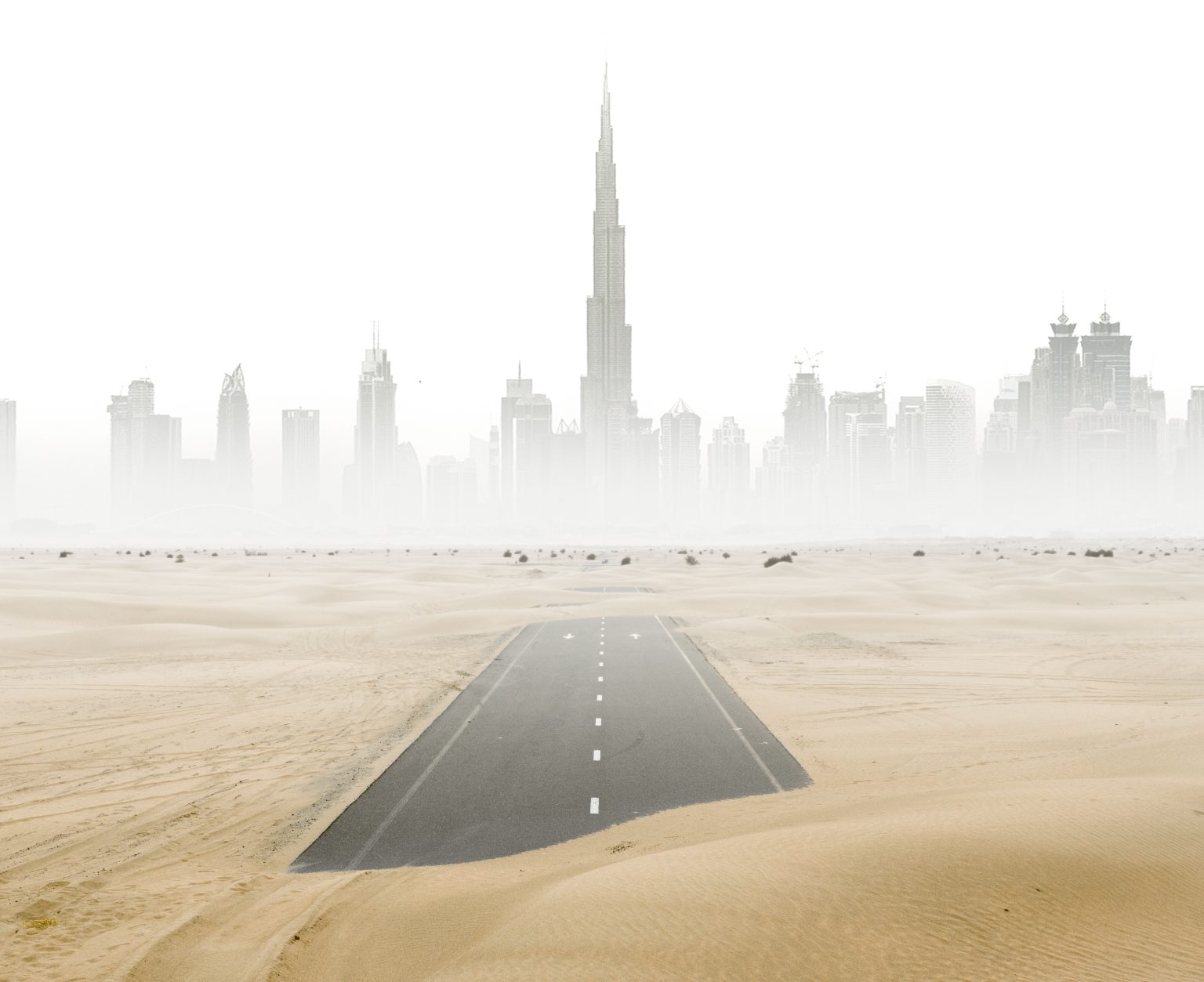
Currently around 80 advertisements for apartments in the United Arab Emirates are listed for sale on the Nehnuteľnosti.sk portal. Dubai in particular has long been a popular destination not only for tourists. Increasing numbers of people are moving there to live and work and therefore need housing.
‘So far, we have not observed any fluctuations in the number of advertisements or sudden changes in the behaviour of sellers or buyers,’ Gabriela Zajacová, marketing manager of the portal, told Statement.
Real estate agencies have gradually broadened their offers, and investment apartments are increasingly part of the mix. A 31-square-metre studio in the Azizi Milan project in Dubai – which buyers will have to wait to be completed – is currently priced at €120,000, or €3,870 per square metre.
That price is rather the exception. Most listings offer larger apartments or flats, naturally at significantly higher prices – starting at just under €200,000 and often reaching twice that amount or even half a million. At present the most expensive property on offer is a luxury penthouse with an area of 250 square metres, priced at almost €3.9 million.
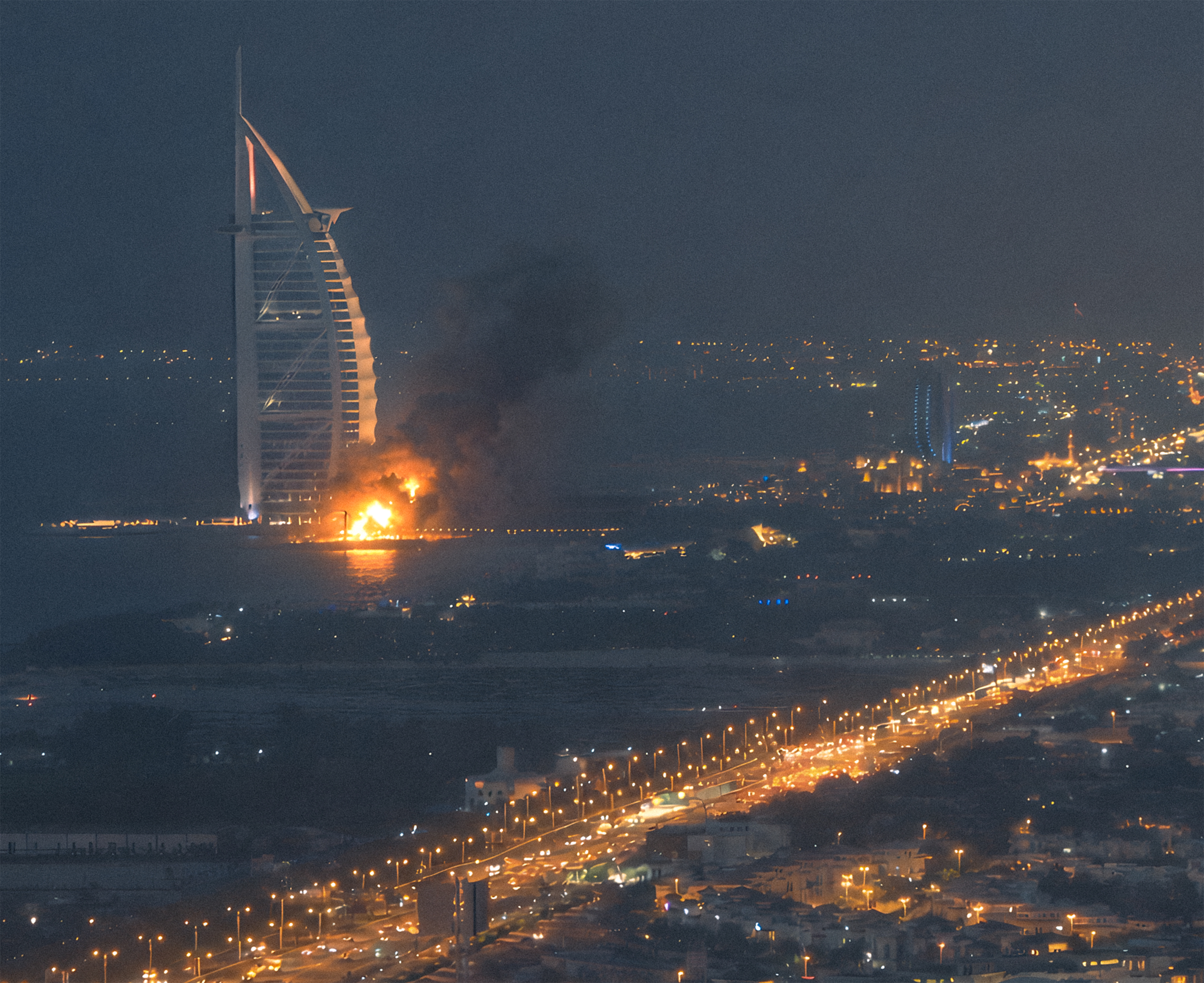
Statement asked analysts about the possible impact of the conflict in the Middle East. ‘Dubai’s reputation as a safe place to invest has suffered, regardless of how the war develops,’ said Vladimír Kubrický, an analyst at the Real Estate Union of Slovakia.
According to him, the local property market may be affected above all by a decline in income from short-term rentals.
Dubai real estate performed exceptionally well last year
According to Viktor Obtulovič, managing director of the real estate company Wilusa, Dubai has seen strong growth in investor interest in recent years. ‘In 2023 alone, the volume of transactions increased by approximately 30 to 35 per cent year-on-year, while residential property prices rose by 15 to 20 per cent depending on the location,’ he says.
Growth continued in 2024, although at a slower pace, in single-digit to low double-digit percentages. ‘The market was strong, liquid and supported by capital inflows from Europe, Russia, India and China,’ Obtulovič adds.
Last year also set new records for the Dubai real estate market, driven by strong growth in both transaction volume and total sales value. The latter rose sharply to 544.2 billion Emirati dirhams (€125.5 billion), representing a year-on-year increase of roughly a quarter.
At the same time, the number of transactions reached a historic high of 205,400 deals, almost a fifth more than in 2024. The fact that value growth outpaced transaction growth suggests a market driven by capital appreciation and a shift towards more expensive assets.
The trend is also reflected in a new record in the ultra-luxury segment for properties priced above $10 million (€8.5 million), which recorded around 500 transactions last year. According to an analysis by Knight Frank, the premium segment in particular showed considerable resilience at the end of last year, reinforcing Dubai’s status as a leading destination for the world’s wealthiest investors.

A report titled UAE Real Estate Market Review Q4 2025 by CBRE likewise indicates that the property market in the United Arab Emirates maintained its upward trajectory last year despite a slight cooling of the macroeconomic environment. Statement therefore asked what impact the current events might have.
The Nehnuteľnosti.sk portal says it has been monitoring developments daily since the outbreak of the war. ‘Dubai has long built its reputation as a “safe haven”, so it is crucial to see whether it will maintain this position or whether the escalation of tensions will lead to a correction,’ Zajacová says. For now, she believes it is too early to speak of a change in price trends.
Although registered development plans suggest a massive influx of up to 160,000 residential units in 2026, the reality of project completion often looks different. Developers struggled to meet deadlines during the previous cycle, although the rate of timely completion improved last year.
Events in the Middle East have naturally caused a degree of cooling, which may slow the pace of project completion, at least temporarily. Zajacová points out that the conflict in the region has been under way for too short a time to produce statistically significant changes in supply, demand or prices.
‘The real estate market is a robust mechanism that responds to geopolitical fluctuations with a certain delay. Any conclusions about the “trend” today would be rather speculative at this stage,’ she says.
The future will depend on the duration of the conflict
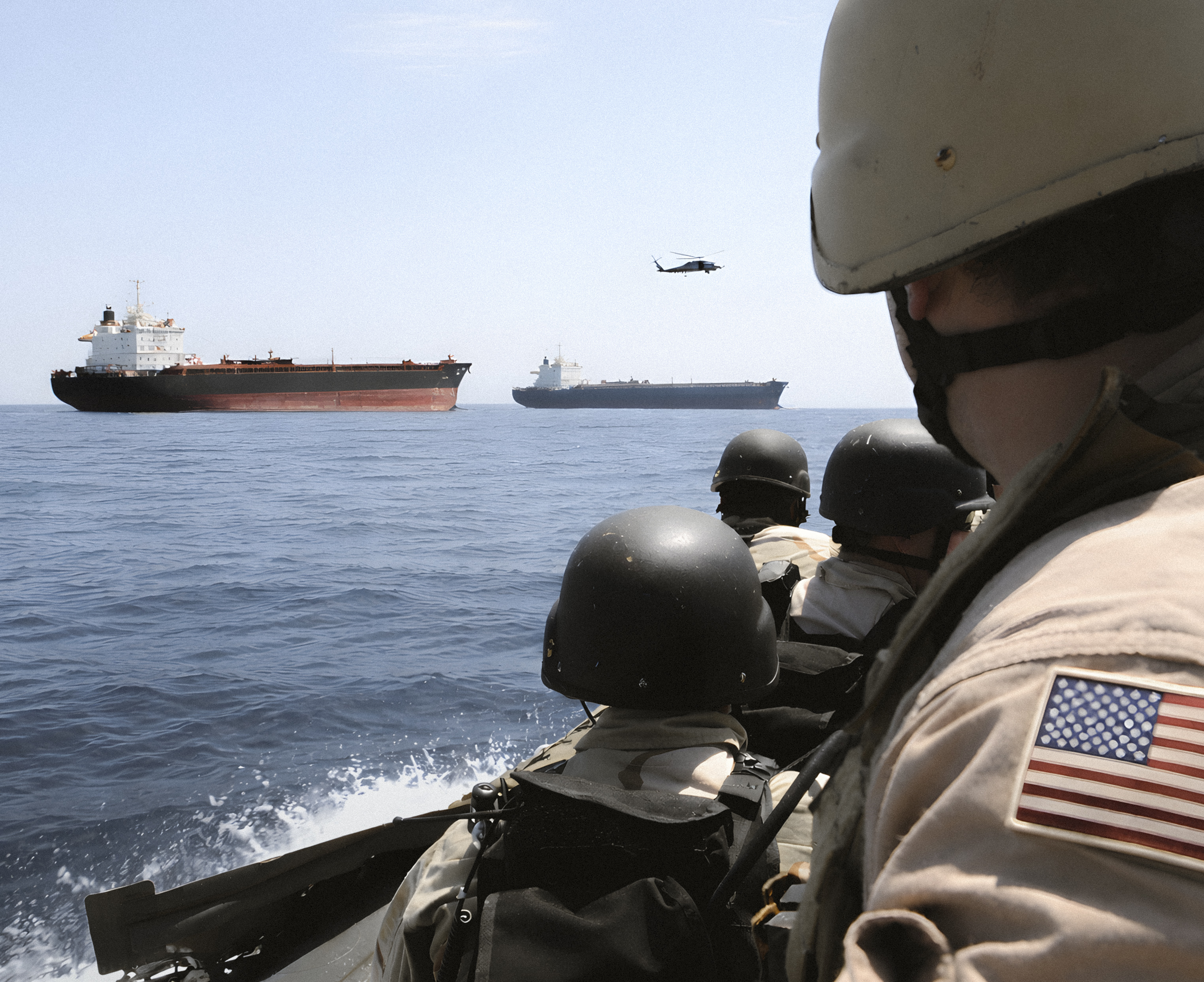
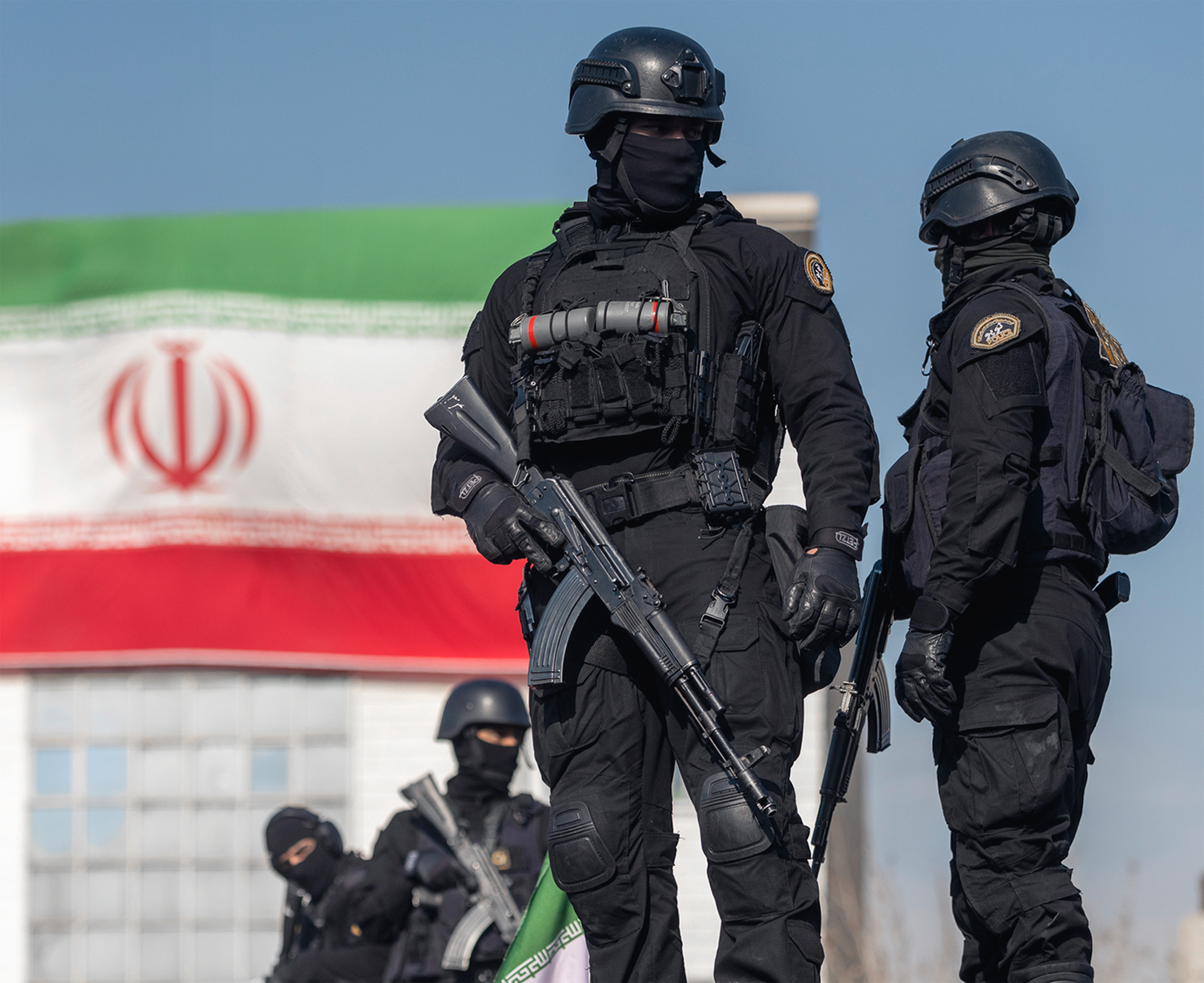
In connection with the war between Israel and the US on one side and Iran on the other, two realistic scenarios are already emerging that could affect Dubai’s property market. The first assumes a short-term shock followed by normalisation.
The second scenario envisages a longer military escalation and persistently higher oil prices, which could raise financing costs and reduce investors’ willingness to enter property transactions.
According to Kubrický, it is unrealistic to expect investors to start selling their apartments en masse. ‘They will wait to see how the situation develops. That is logical, given that real estate is a relatively illiquid asset that may not sell quickly even in favourable conditions,’ he explains.
If the conflict ends within a few weeks, the analyst believes the Dubai property market could recover quickly. ‘However, buyers will approach apartment purchases more cautiously than before,’ he says.
The first scenario appears more likely
Although the war has triggered a sharp rise in oil prices and a decline in financial markets worldwide – linked to concerns about energy flows through the strategic Strait of Hormuz – markets can absorb such shocks quickly if the conflict remains short-lived and regional economies continue to attract capital and maintain employment.
According to Obtulovič, Dubai has long been perceived as a stable, tax-efficient and safe investment haven outside the EU, offering attractive rental yields of six to eight percent per year. ‘Since the outbreak of the conflict, we have seen a short-term cooling in sentiment,’ he says, noting that investors tend to react emotionally in such situations and prefer to wait.
So far there has been no systemic sell-off or dramatic fall in prices. ‘It is more a slowdown in decision-making and a slight decline in demand among foreign buyers,’ he adds. If the conflict escalates or spreads over a longer period, it could weigh on market dynamics, particularly in the secondary market and in speculative purchases.
However, if the situation proves to be a short-term geopolitical shock without direct military involvement in the UAE region, he expects a return to normal conditions within a few months. ‘It is important to realise that even a very stable market such as Dubai can be affected by such an event in the short term,’ he says.
At the same time, according to Obtulovič, Europe currently appears to be a relatively safe investment destination, at least from a risk-perception perspective. ‘However, that does not mean that other markets are automatically out of the game,’ he says.
Another factor that is becoming more important is that investors abroad are often unfamiliar with the local environment and cannot easily obtain objective information. ‘They therefore have to rely on people who are directly involved in real estate transactions,’ the Real Estate Union analyst concludes.
This makes the reliability of intermediaries and local partners particularly important for foreign buyers.