
The administration of President Donald Trump may not have managed the Iranian operation flawlessly, yet it has so far succeeded in preventing the resulting uncertainty from spilling over into global markets.
Brent crude has averaged around $97 per barrel since the strikes on Iran began. Prices have hovered around the psychologically significant $100 mark, rarely moving decisively above it – and when they do, remarks from Trump or members of his administration appear to push them back down.
Such verbal interventions – not unlike those employed by central banks – seem to be helping to cap oil prices. In turn, that has limited upward pressure on fuel costs, petrol prices, air fares and consumer prices more broadly.
At the same time, equity markets have avoided any sharp and sustained decline. Such a downturn would be far more likely if oil prices were to settle at $130 or even $150 per barrel.
Even central banks often rely on rhetoric alone. When a currency appears too weak – making imports more expensive and fuelling inflation – policymakers may initially limit themselves to signalling concern.
Foreign exchange markets tend to interpret such signals as a precursor to concrete action. Investors factor in the possibility that a central bank might intervene by selling foreign exchange reserves to support the currency. As a result, the currency often strengthens of its own accord, without any actual intervention.
Are they using non-public information?
In a similar vein, what might be described as a ‘verbal intervention to support equities’ now appears to be under way. There has also been speculation, expressed in rather blunt terms in some quarters, that certain market participants may be profiting by trading on non-public information.
The Financial Times, for instance, pointed to an unusual surge in trading activity on Monday, roughly 15 minutes before Trump announced that constructive talks had taken place over the weekend between Washington and Tehran and that planned strikes on Iranian power facilities would be postponed.
A well-timed trade – selling oil and buying US equities – would have generated substantial gains. Within minutes of the announcement, oil prices fell while equities rose sharply.
Although insider trading does occur, it does not appear to be the primary driver of the administration’s approach. At most, it may represent a convenient side effect. The central objective seems to be to contain oil prices and prevent a broader market sell-off.
Trump’s announcement of constructive talks with Iran, for example, pushed Brent crude down from around $113 per barrel to close to $100 within a short period. Equities, in turn, responded with a noticeable rise.
Whether substantive negotiations between the United States and Iran are actually under way remains unclear. It is equally uncertain whether references to talks reflect genuine diplomacy or merely a rhetorical strategy.
Iranian officials have repeatedly denied that negotiations are taking place, describing such claims as a psychological operation designed to prevent a sharp increase in oil prices and a corresponding fall in equities. According to Tehran, the White House is seeking to buy time. Iran has also set out its own conditions, including demands relating to the Strait of Hormuz and potential compensation.
What the Americans may be planning
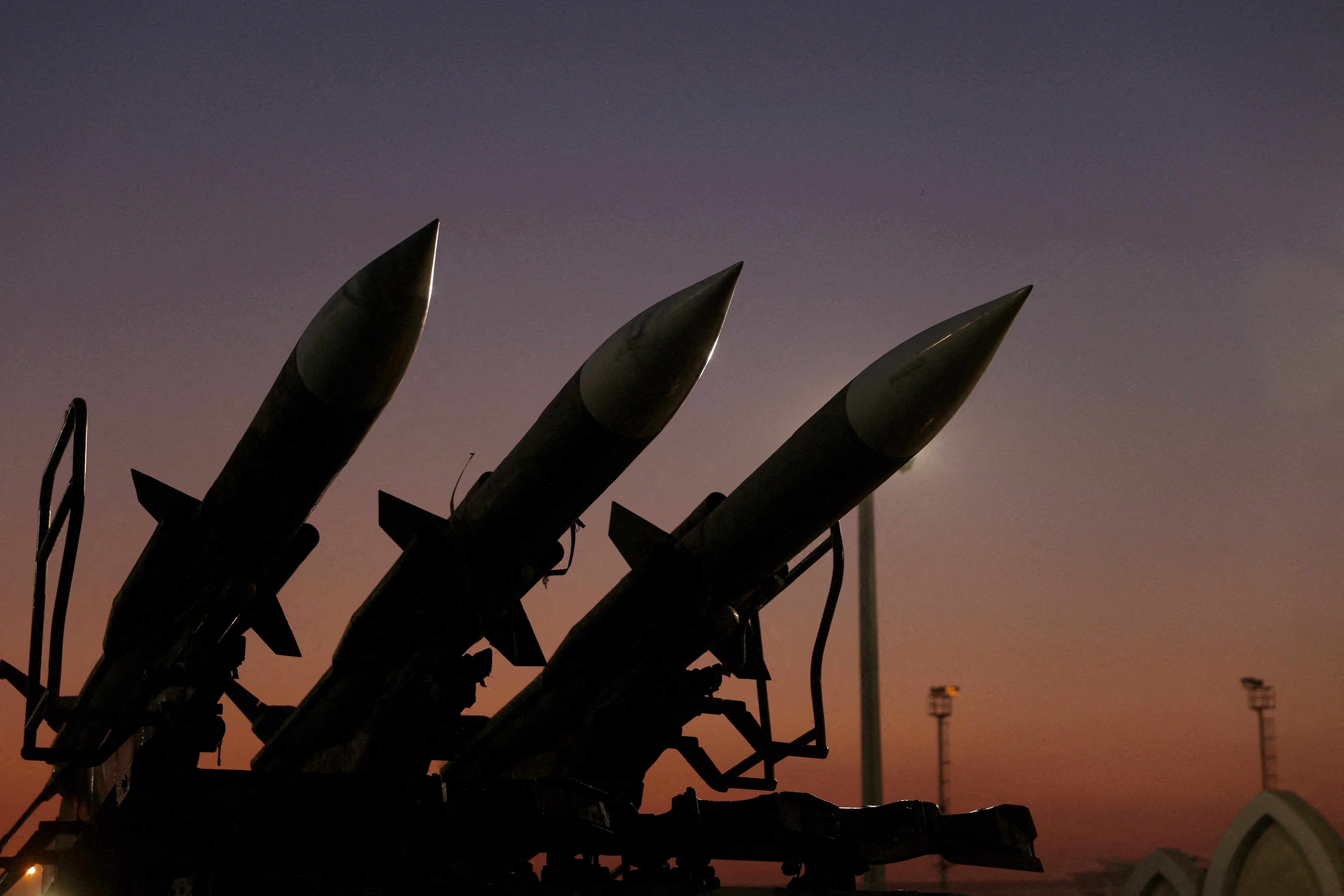
Why, then, might Washington seek to buy time? Military preparations appear to be under way, with reports of troop movements and speculation among analysts about the possibility of a ground operation.
One potential objective could be Kharg Island in the Persian Gulf, through which a large share of Iran’s oil exports passes. Any attempt to seize or control such a strategic point would carry considerable military risk.
Were the United States to gain control of Kharg, its leverage over Iran would increase significantly, particularly in relation to the Strait of Hormuz. Such a development could have a lasting impact on oil markets – not merely a psychological one.
For the time being, however, Trump is only sticking to verbal interventions, mainly through more or less vague promises on social media. The markets, meanwhile, are attaching meaning to them. After all, they themselves have traditionally shown too much of a tendency towards optimism.
But time is running out. The coming weekend is likely to be a turning point. Either Trump will reveal the identity of the Iranian negotiator – who so far resembles ‘Mrs Columbo’, the wife of the legendary TV detective Inspector Columbo, whom no one has ever seen – or the Gulf War will take on a new, almost inevitably escalating, dynamic.
The markets would then hardly react otherwise than with a perceptible rise in the price of oil and a significant fall in equities. The effectiveness of Trump’s verbal interventions to date could be gone if the world public realises that this is really just a large-scale psychological manipulation.
Text originally published on lukaskovanda.cz.