
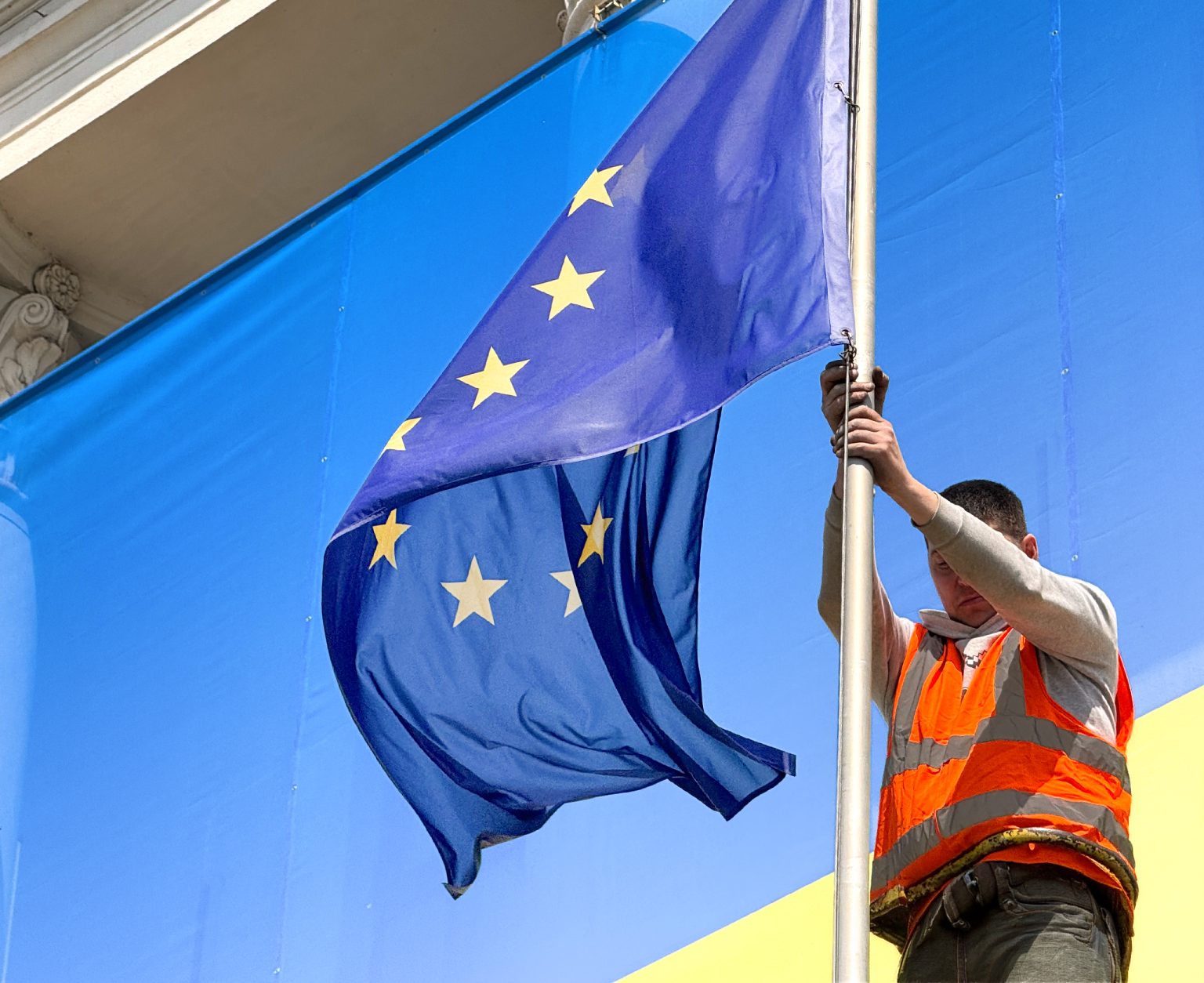
In the second half of May, German Chancellor Friedrich Merz proposed granting Ukraine a new form of “associate member” status within the European Union. Under the proposal, Ukrainian representatives would be allowed to attend EU summits and ministerial meetings but without voting rights.
Merz presented the idea as a middle path between fast-track accession, which many EU leaders remain sceptical about, and the standard candidate status currently held by Ukraine. He also suggested that Kyiv could eventually appoint a non-voting commissioner to the European Commission and send non-voting representatives to the European Parliament.
A Status That Does Not Exist
The proposal would require significant changes to the EU’s institutional framework. The Union currently has no legal category of “associate membership”, meaning new legislation and treaty-level adjustments would likely be necessary before such a status could be created.
Despite Merz’s support for the idea, no formal working group has been established to examine the proposal. Ukrainian President Volodymyr Zelensky rejected the concept as unfair, arguing that Ukraine should not receive second-tier treatment while defending Europe against Russian aggression.
At the same time, Zelensky has signaled to Brussels that progress on Ukraine’s EU accession could accelerate following the departure of former Hungarian Prime Minister Viktor Orban, who repeatedly threatened to block negotiations with Kyiv.
Hungary’s new Prime Minister, Peter Magyar, has also expressed reservations about Ukraine’s rapid entry into the EU, even though he has adopted a less confrontational tone than his predecessor. Shortly after taking office, Magyar stated that he did not support fast-track accession for Ukraine.
Hungarians and Other Minorities
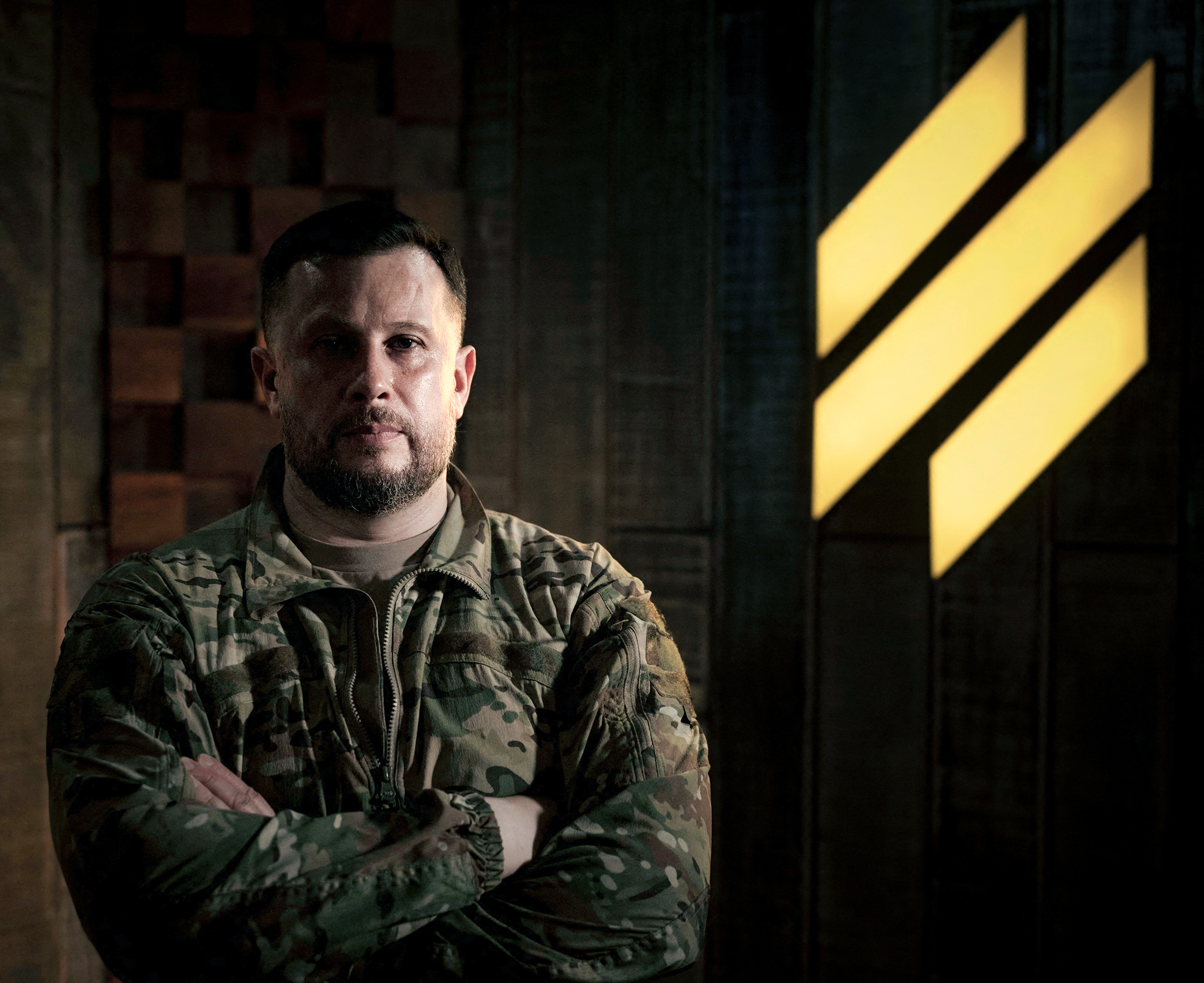
Magyar estimated that Ukraine’s accession process could take at least 10 years. According to him, the main obstacles include the ongoing war and the status of the Hungarian minority in Ukraine’s Transcarpathian region, an issue on which the new Hungarian prime minister has taken a particularly strong position.
Following a Russian strike on western Ukraine in mid-May, Hungary’s foreign ministry summoned the Russian ambassador and condemned the attack. Neither Viktor Orban nor Hungary’s president had reacted in the same way after a similar Russian strike almost a year earlier.
A Slovak minority also lives in the region. While Bratislava condemned the attack, it did not summon the Russian ambassador.
The roots of the current minority dispute date back to 2017, when Kyiv adopted legislation strengthening the role of the Ukrainian language in public life. The reforms were introduced partly in response to decades of Russification policies that weakened the position of Ukrainian in several regions.
The legislation also reduced language rights for minorities, including Hungarians, Slovaks, Romanians, Greeks and Poles.
Nationalities Inside the European Union
When Brussels approved a new €90 billion ($102 billion) support package for Ukraine on 23 April, Kyiv likely welcomed the decision with relief. The conditions attached to the package focused primarily on the rule of law and anti-corruption reforms.
Future EU accession negotiations are expected to involve much stricter scrutiny, including the issue of minority protections.
One particularly sensitive issue concerns the Rusyns, an East Slavic ethnic group living mainly in the Transcarpathian region. Ukraine does not officially recognize Rusyns as a separate nationality and instead considers them part of the broader Ukrainian nation. As a result, Rusyns in Ukraine do not have official national minority status.
Kyiv partly justifies this position by pointing to fears of separatism and alleged pro-Russian influence among some Rusyn organisations since 2014. At the same time, the issue remains disputed among historians, linguists and political observers.
Some analysts argue that the lack of official recognition for Rusyns could conflict with the Copenhagen criteria, the democratic standards candidate countries must fulfil before joining the EU.
At the same time, Ukraine would not be the only European country facing disputes over minority recognition.
The Czech Republic does not officially recognize Moravian nationality. Poland does not recognize Silesians or Kashubians as national minorities in the same way recognized ethnic minorities are treated. Greece traditionally refers to Macedonians living within its borders as “Slavic-speaking Greeks”.
France, meanwhile, has still not ratified the European Charter for Regional or Minority Languages. Under the French constitutional model, the republic recognizes only a single civic French nation rather than separate ethnic or national communities. As a result, groups such as Corsicans, Bretons, Occitans and Alsatians have limited official recognition as national minorities.
The Rusyn population itself has steadily declined across Central Europe. In Slovakia, fewer than 40,000 people identified with Rusyn nationality or language affiliation in the latest census.
In Poland, Rusyn and Ukrainian communities were largely dispersed during the post-war Operation Vistula. In Hungary, Serbia’s Vojvodina region and Ukraine’s Transcarpathia, Rusyn communities today number only around 10,000 people. In Transcarpathia itself, they account for less than 1% of the population.
Several Obstacles Remain
While the issue of Rusyn recognition may not ultimately prevent Ukraine’s accession to the European Union, other cultural and social disputes could prove more difficult during negotiations with Brussels.
On 28 April, the Ukrainian parliament approved amendments to the Civil Code that effectively rule out legal recognition of same-sex marriages. The move came despite recent debates surrounding rulings by the European Court of Justice in Luxembourg concerning recognition of same-sex partnerships within the EU.
At the same time, Kyiv continues to consider draft legislation that would introduce penalties for what the bill describes as “propaganda deviating from the constitutional norms of family, childhood, motherhood and fatherhood”. Supporters present the measures as a defence of traditional social values, while critics argue that they directly conflict with broader European standards on minority and LGBT rights.
These tensions reflect a wider divide between parts of Ukrainian society and the political and cultural expectations often associated with EU integration.
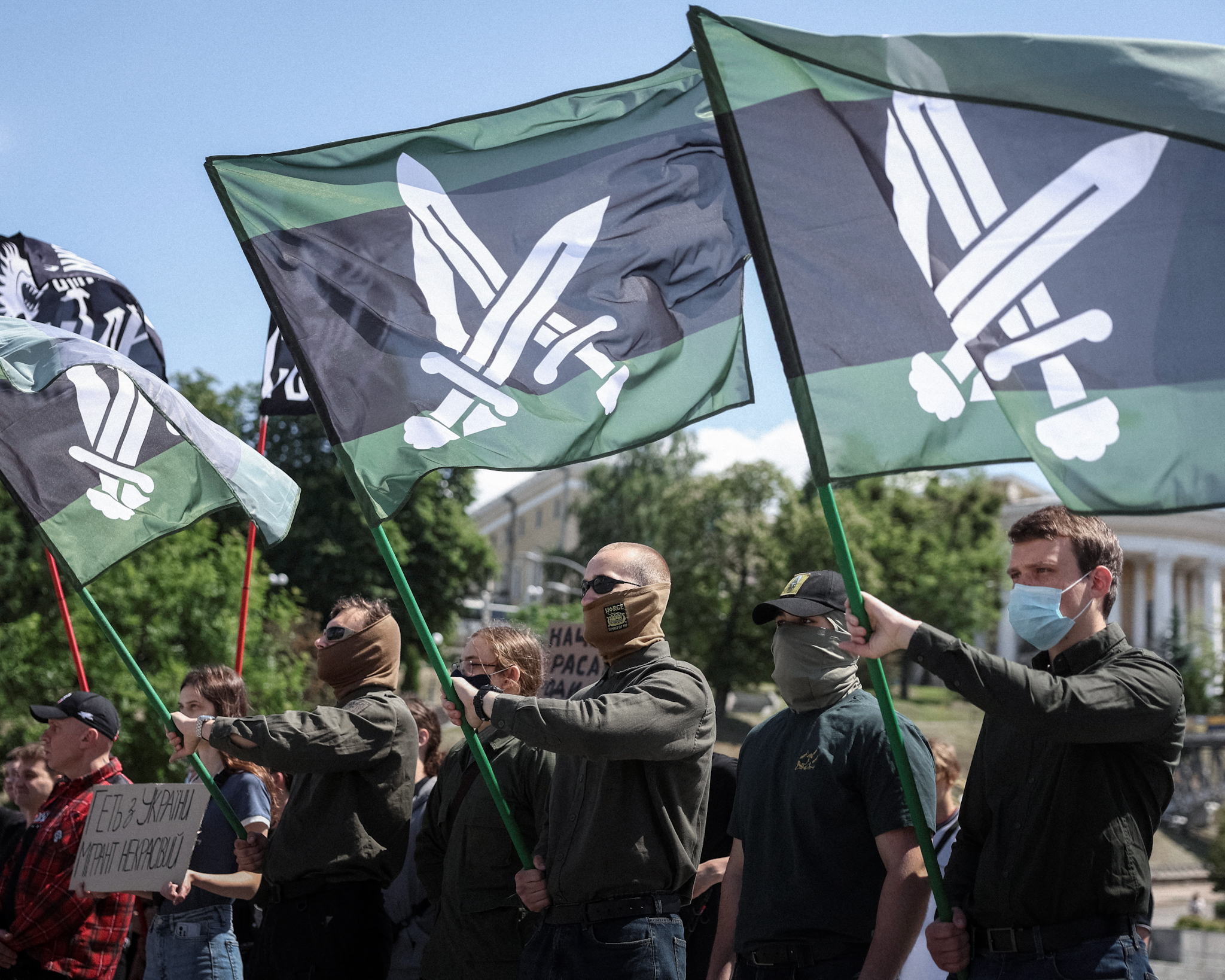
Conservative and nationalist groups in Ukraine have repeatedly opposed initiatives linked to progressive social movements. In recent years, nationalist activists disrupted an event linked to the Black Lives Matter movement, while public opposition to legal migration from non-European countries intensified in May.
As a result, future Ukrainian governments could find themselves under pressure from both Brussels and domestic political forces during the accession process.
On one side stand EU institutions and member states demanding alignment with European legal and social standards. On the other hand, a significant segment of Ukrainian society stands, after years of war against Russia, increasingly resistant to external political and cultural pressure from Brussels.