What Does the Closure of Denby Reveal About the UK Economy?
Denby Pottery survived wars and recessions, but not soaring costs and shifting tastes. Its closure points to deeper troubles in British manufacturing.
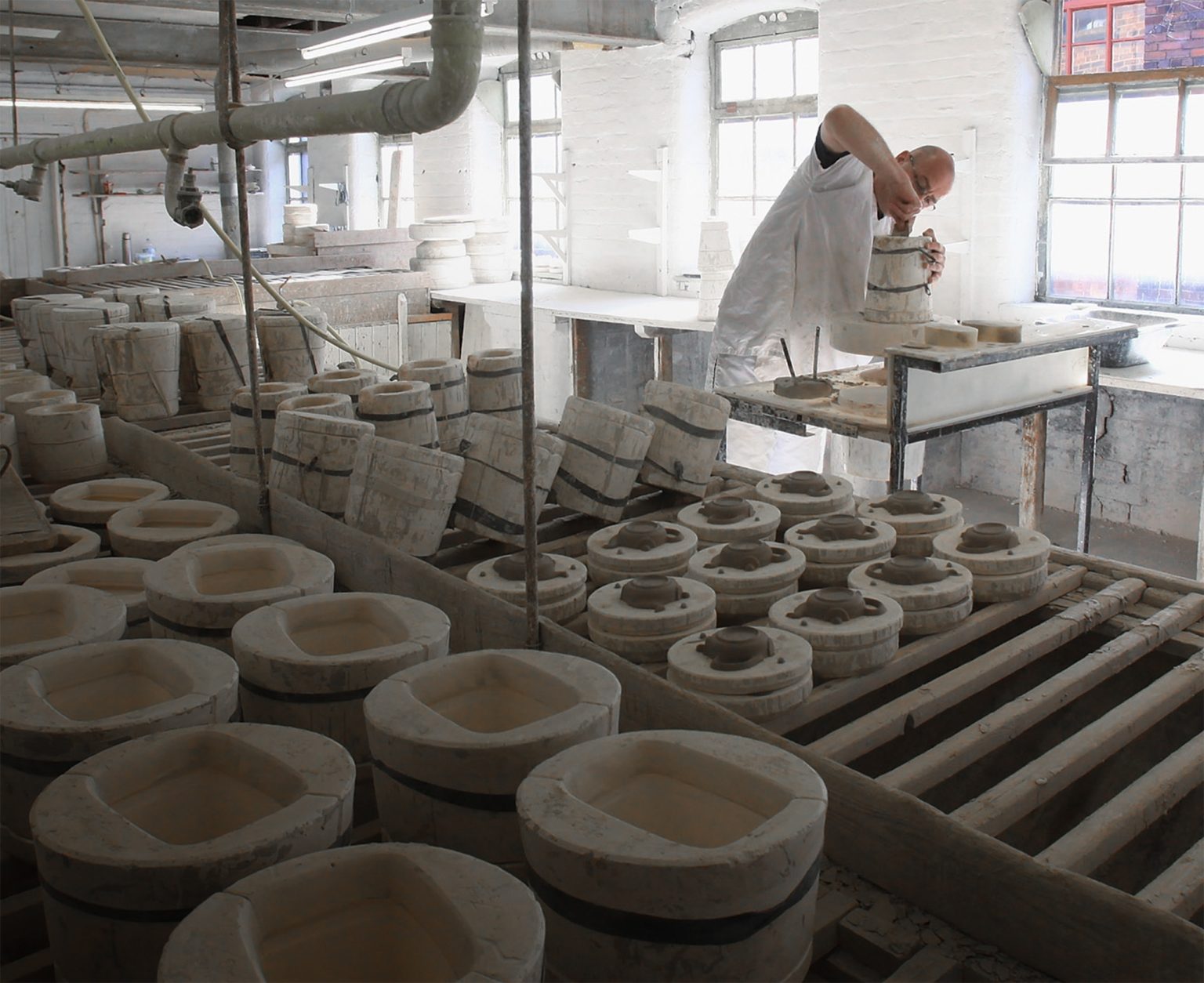
The end of Denby Pottery is more than the collapse of a historic company. It is a warning sign for Britain’s manufacturing base and industrial future. Photo: Matt Cardy/Getty Images
|
The collapse of Denby Pottery, one of Britain's oldest manufacturing companies, offers an insight into the challenges facing the UK economy. Founded in 1809 in Derbyshire, Denby became internationally renowned for its handcrafted stoneware tableware, kitchenware and homeware, producing ceramics continuously from the same site for 217 years.
Having weathered two world wars, the company’s final pieces of stoneware were manufactured just days before production ceased in Derbyshire. After entering administration in March 2026, Denby was unable to secure a buyer for its manufacturing operations, forcing the closure of its factory and the loss of more than 100 skilled jobs.
Rising energy prices, increasing labor costs, weakening consumer demand and competition from lower-cost imports, mainly from China, made production unprofitable. The image of Denby's cold, empty kilns after more than two centuries of operation has become a powerful symbol of the pressures facing British manufacturing.
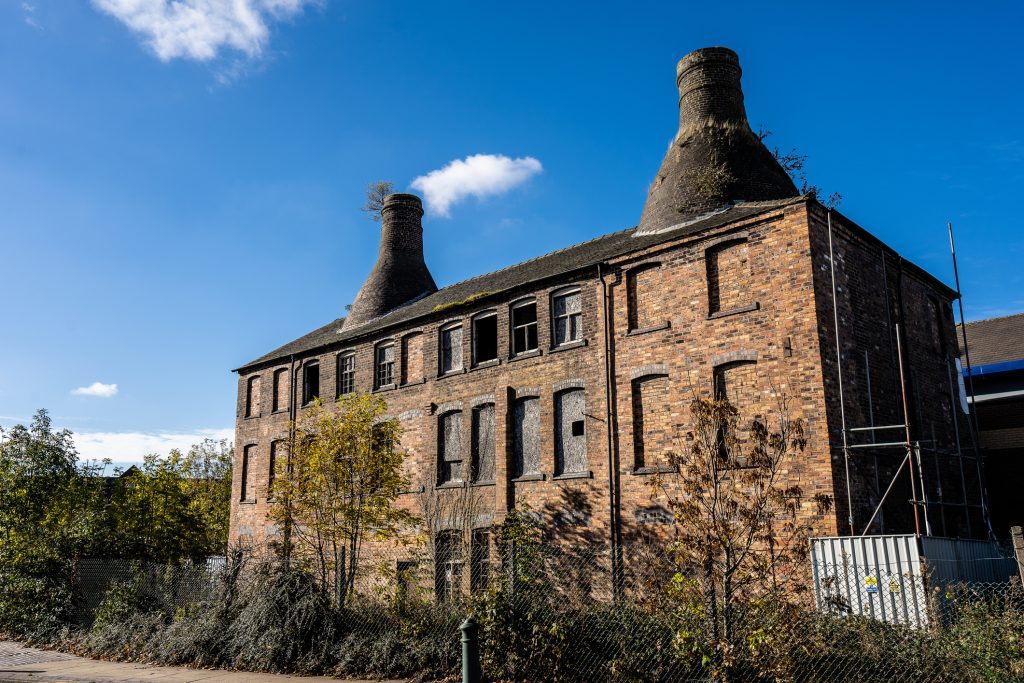
A derelict pottery factory in Stoke-on-Trent recalls the city’s long decline from the heart of Britain’s ceramics industry. Photo: Getty Images
The Denby Dilemma
The trend in UK manufacturing over the last 30 years has been downward, mirroring developments across much of Europe as production shifted to lower-cost countries, particularly China. This decline is especially visible in Stoke-on-Trent. In the 1970s, the area was home to more than 200 pottery factories. Today, only around 30 remain. At its peak, the industry employed about 79,000 people. The city has since fallen into decline.
One of the biggest challenges facing the sector is energy costs. Pottery production is highly energy-intensive, with kilns requiring large amounts of electricity and gas to operate. Manufacturers increasingly wait until kilns are fully loaded before firing them because running partially filled kilns can result in losses.
A major factor behind these costs is the structure of the UK's electricity market. Wholesale power prices are largely set by the most expensive source of electricity needed to meet demand at any given time, which is often gas-fired generation.
As a result, electricity prices remain closely linked to gas prices even as renewable energy accounts for a growing share of the country’s power mix. At the same time, the UK, like much of Europe, has pursued ambitious renewable energy and Net Zero targets, requiring substantial investment in the energy system while adding further costs and constraints for energy-intensive industries.
A similar pattern can be seen in Germany's ceramics and porcelain industry, which has also experienced a dramatic decline. Brands such as Rosenthal and Meissen were once household names, with fine porcelain sets often passed down through generations, much like Wedgwood and Denby in the UK. These products were not merely tableware but symbols of craftsmanship and status.
Today, however, fine china has largely fallen out of favor. Consumers cite its fragility, high cost and limited practicality in modern life. Changing lifestyles have also played a role. Families are less likely to gather around a formal dining table every evening than they were a generation ago, reducing demand for large dinner services designed for special occasions and family meals. Younger consumers tend to favor casual dining, smaller living spaces and minimalist interiors, making elaborate porcelain sets less relevant.
At the same time, inexpensive imports manufactured in Asia have flooded the market. Retailers such as IKEA have popularized affordable, functional tableware that can be replaced easily if damaged. This shift in consumer preferences, combined with rising production costs, has created significant challenges for local manufacturers that cannot compete on price alone.
Some companies have adapted more successfully than others. Emma Bridgewater, for example, carved out a niche by combining distinctly quirky British design, hand-crafted production and relatively accessible pricing. Rather than competing directly with mass-produced imports or ultra-premium luxury brands, it positioned itself in the middle of the market, winning over middle-class consumers.
Even so, the company has not been immune to wider economic pressures. Rising energy, labor and raw material costs have squeezed margins across the industry, forcing even Emma Bridgewater to reduce staff numbers as consumer demand weakens and operating costs increase.
The result is that many traditional pottery and porcelain makers now find themselves caught between two powerful forces: consumers who increasingly prioritize convenience and affordability, and production costs that make it difficult to manufacture competitively in Europe.
The same economic factors that affect the rest of the industrial economy also affect more artisanal businesses like Denby. Their disappearance from the market shows the growing weakness of the British economy and means the loss of a culturally significant business.
Having once learned the secret of porcelain from China, European companies now face seeing the industry dominated by China once again.