
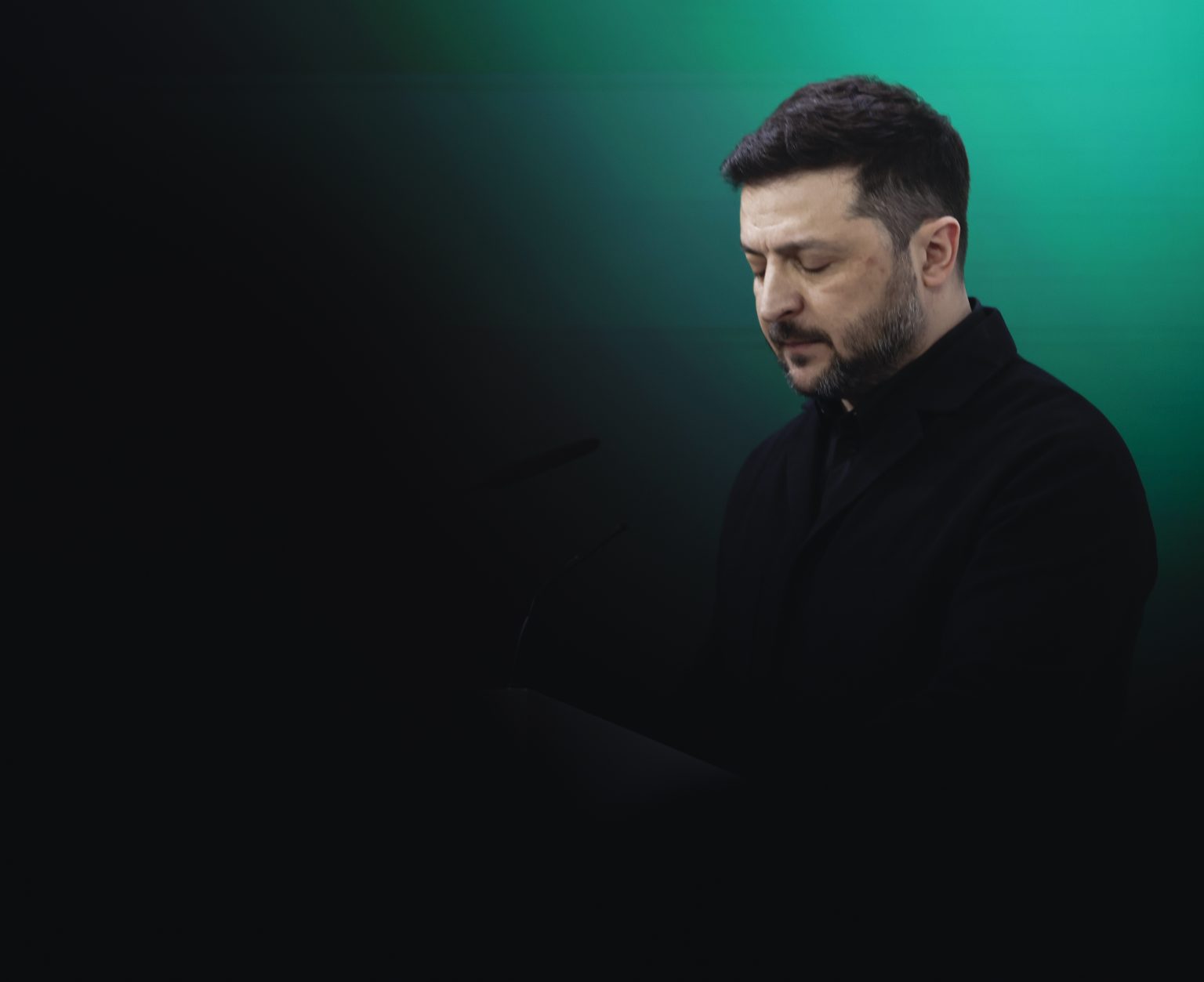
Poland’s decision to strip Ukrainian President Volodymyr Zelensky of the country’s highest state honor has opened a new dispute between Warsaw and Kyiv, exposing once again how sharply the two allies differ over the legacy of the Ukrainian Insurgent Army (UPA).
The immediate trigger came in late May, when Zelensky gave the Ukrainian military’s Separate Special Operations Center “Pivnich” the name “Heroes of the UPA”. In Ukraine, the UPA is widely associated with the national liberation struggle and resistance to Soviet rule. In Poland, it is remembered above all for the massacres of Poles in Volhynia and Eastern Galicia during World War II.
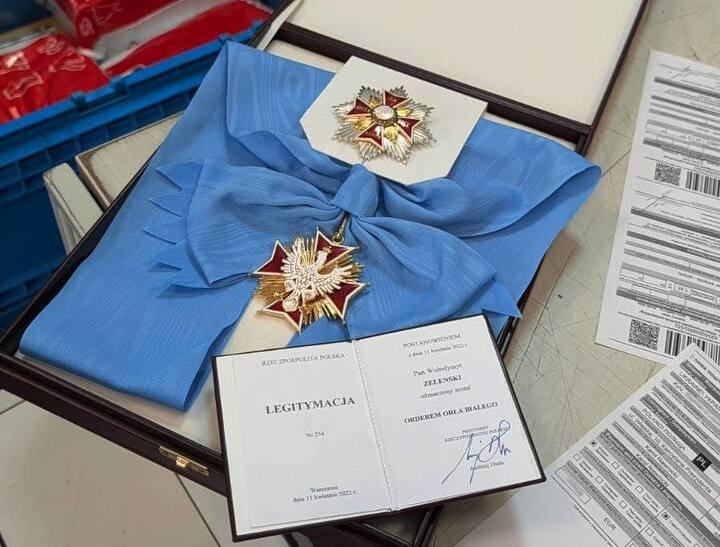
On 9 June, the Chapter of the Order of the White Eagle submitted a confidential opinion to the Office of the President on the possible revocation of the honor awarded to Zelensky. Polish President Karol Nawrocki had asked the chapter for the opinion at the end of May.
On 19 June, Nawrocki announced that he had decided to revoke the order from his Ukrainian counterpart. The following day, Zelensky sent the medal back to Warsaw via Nova Poshta.
“Yesterday, the President of Poland noted that the Order of the White Eagle is no ordinary honor. It is a symbol of the highest trust bestowed by the Republic of Poland. It signifies a special bond with the Polish state and the people’s profound gratitude. Such a symbol requires not only merit but also respect for the values that form the foundation of our community. So, if it is considered that this special symbol can remain with Catherine the Great, Benito Mussolini and Gerhard Schroder, then we in Ukraine will not argue with that”, Zelensky said.
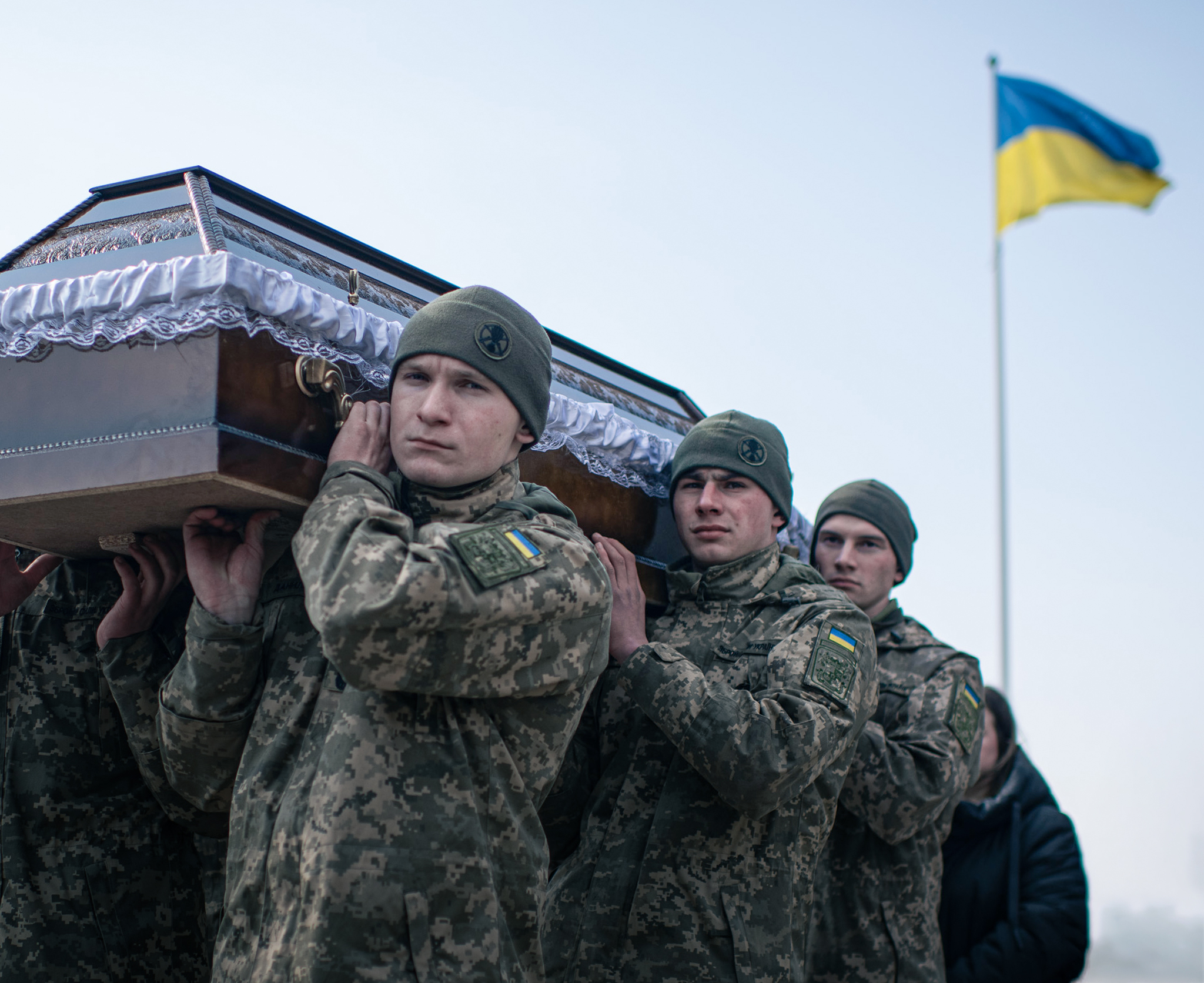
A Symbol in Ukraine
Zelensky’s decision to return the order via Nova Poshta was widely read in Ukraine as symbolic. The private delivery company continued operating throughout the war, even under repeated Russian bombardment. Its sorting centers were hit and employees were killed at work, turning its service into one of the everyday symbols of Ukrainian resilience.
Although Zelensky sent the order by regular post rather than through diplomatic channels, he said Ukraine remained grateful to the Polish people for their support and cooperation, which he described as an important part of the fight “for our and your independence from Russia”.
The Ukrainian president said his country would continue to defend itself in the war launched by Russia and would remain open to meaningful forms of cooperation with Poland in order to address differing interpretations of painful chapters in the two nations’ past and ensure respect for all innocent victims of the 20th century.
“I think the future will confirm the respect for Ukrainians”, Zelensky said.
Nawrocki struck a conciliatory note of his own, saying his decision to revoke the award did not mean that Poland’s support for Ukraine in its defense against Russia would be reduced in any way.
Kyiv Stands United
Shortly after the Polish decision was announced, Ukrainian Foreign Minister Andriy Sybiha said he, too, would return the high state honor that Warsaw had bestowed on him in 2022. He added that only the Kremlin would benefit from Poland’s move.
“I regret that emotions have prevailed in Warsaw, forcing Polish politicians to take unjustified, impulsive and disrespectful steps directed not only against President Zelensky, but above all against the Ukrainian state”, Sybiha wrote.
Kyrylo Budanov, head of the Office of the President of Ukraine and former head of the country’s military intelligence agency, had traveled to Warsaw in early June to try to resolve the dispute. He said Ukraine would continue to defend “all of Europe, including Poland”, and would pay the highest price for doing so.
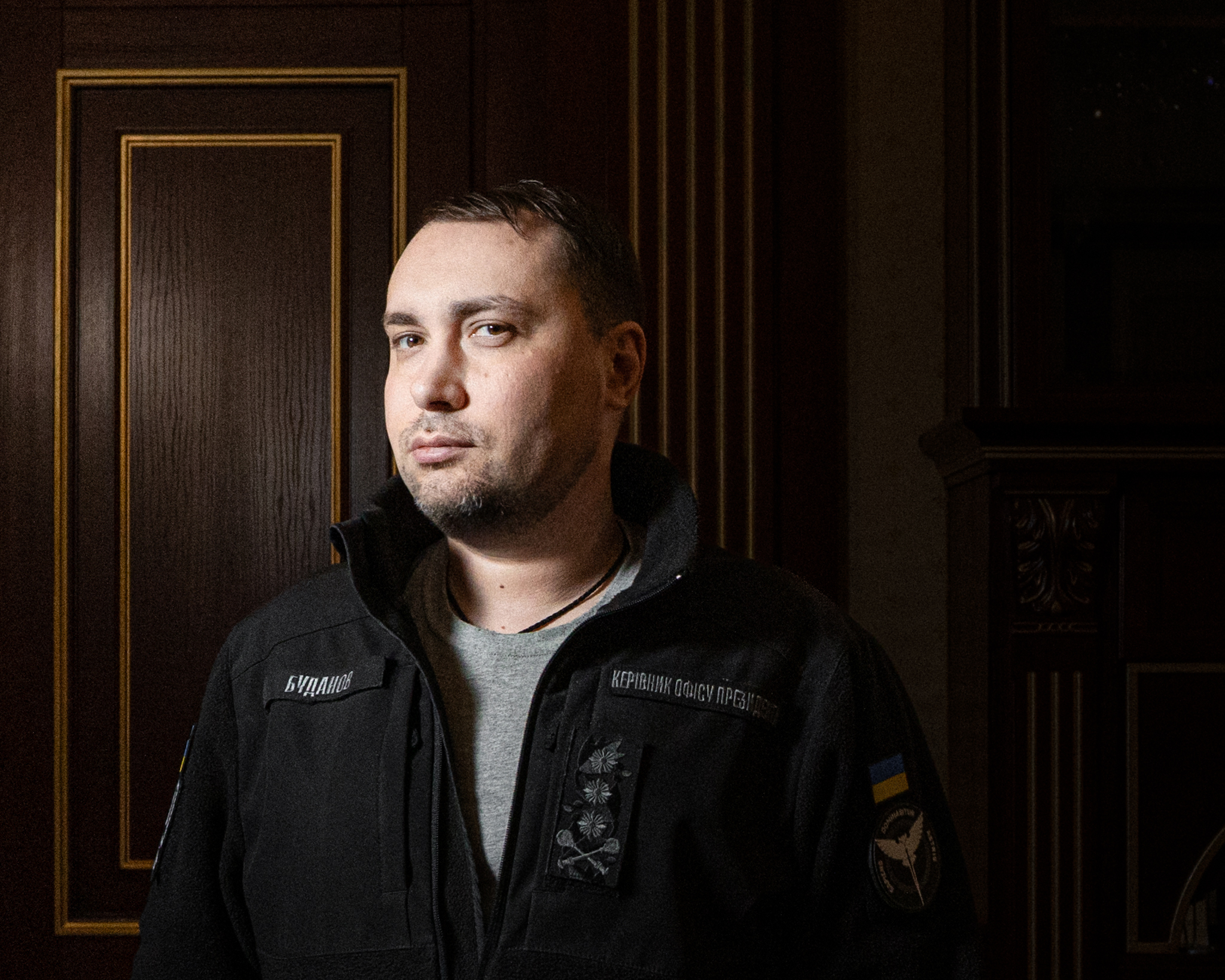
In a statement cited by UA.NEWS, Budanov called Nawrocki’s decision “an unfriendly act toward our people” and “a gift to the Moscow aggressor”. He said Ukraine did not tell other nations how to teach their history and reserved the right to its own national memory and dignity.
“But like any Ukrainian, I cannot stand aside and simply watch as a campaign of hatred is groundlessly and artificially whipped up against our citizens”, Budanov said. “In light of this, I am declining the Gold Officer’s Cross of the Order of Merit of the Republic of Poland.”
Ihor Zhovkva, deputy head of the Office of the President of Ukraine, also said he would return his Knight’s Cross of the Order of Merit of the Republic of Poland. According to statements made on 20 June, former Ukrainian presidents Leonid Kuchma, Viktor Yushchenko and Petro Poroshenko also renounced their Orders of the White Eagle.
Poland Sees It Differently
Timothy Snyder, a prominent American historian and expert on Central and Eastern Europe at Yale University, criticized Poland, arguing that some in Warsaw find it more convenient to fight a war over historical memory than a real war.
Snyder argued that Polish accounts often focus on “the horrific ethnic cleansings in Volhynia” while overlooking violence committed by Poles against Ukrainians. Poles in Volhynia also murdered thousands of Ukrainians, he said, pointing to the pacification of Ukrainian villages in Galicia in the 1930s, the displacement of Ukrainians from Volhynia and Poland’s failure to respond officially during the famine, even though “the Poles knew better than anyone else what was happening in Ukraine at the time”. It would be useful, he added, if Polish commentaries criticizing Ukrainians “also mentioned these facts”.
At the same time, Snyder criticized Kyiv for naming one of its units after the UPA.
Polish media have split into two broad camps. Some outlets support Nawrocki’s decision, while others oppose it. Even the Polish government, led by Donald Tusk, has distanced itself from the move. Tusk said Moscow could benefit from the Polish-Ukrainian dispute, as it has in the past. He added, however, that Zelensky and “our Ukrainian friends must be aware of what this grim legacy of the UPA means from the perspective of every Pole”.
“The dispute between Poland and Ukraine plays into Putin’s hands and worries our allies. The role of Presidents Zelensky and Nawrocki is to calm tensions, not to escalate them. The real front line lies elsewhere”, Tusk wrote on social media on 19 June.
The UPA from Two Sides
Under a decree signed in late May, Zelensky gave the Ukrainian military’s Separate Special Operations Center “Pivnich” the name “Heroes of the UPA”. Official Kyiv, most Ukrainian media outlets and the country’s education system tend to view the UPA positively, largely because of the wave of decommunization that began after 2014. In Poland, however, the organization is seen very differently.
From February 1943 to February 1944, UPA soldiers murdered tens of thousands of Poles in the Volhynia region of western Ukraine. Ethnic cleansing also affected the Czechs of Volhynia, though on a smaller scale. Stepan Bandera, who declared Ukrainian independence in 1941 without German consent, was imprisoned in the Sachsenhausen concentration camp until the autumn of 1944 and had no influence over the killings of Poles in Volhynia.
As the Polish Press Agency has reported, in line with both Kyiv and Ukrainian nationalist groups, Ukrainians today do not associate the veneration of World War II-era Ukrainian nationalists with anti-Polish sentiment.
For Ukrainians, the history of the UPA is linked to the struggle for national independence. For Poles, it is above all tied to an organization whose members took part in the massacre of Polish civilians. The Ukrainian side often argues that while Warsaw demands that Kyiv renounce its heroes, Poland does not apply the same standard to its own.
Jozef Pilsudski, for example, is regarded in Poland as the foremost national hero of the interwar period. For many Ukrainians, however, the Second Polish Republic is associated with the failure of Ukrainian statehood after World War I, Polonization in Galicia and the pacification of Ukrainian villages in the 1930s.
A similar case is that of the Polish World War II resistance fighter Jozef Kuras, nicknamed “Fire”. While some in Poland regard him as a national hero, many Slovaks associate his unit, and the actions of postwar Poland more broadly, with terror, murder, rape, looting and the expulsion of thousands of Slovaks from their homes.
For now, it remains unclear where the Polish-Ukrainian dispute over historical memory will lead. What is certain, however, is that Warsaw has not taken any steps to restrict aid to the country under attack.