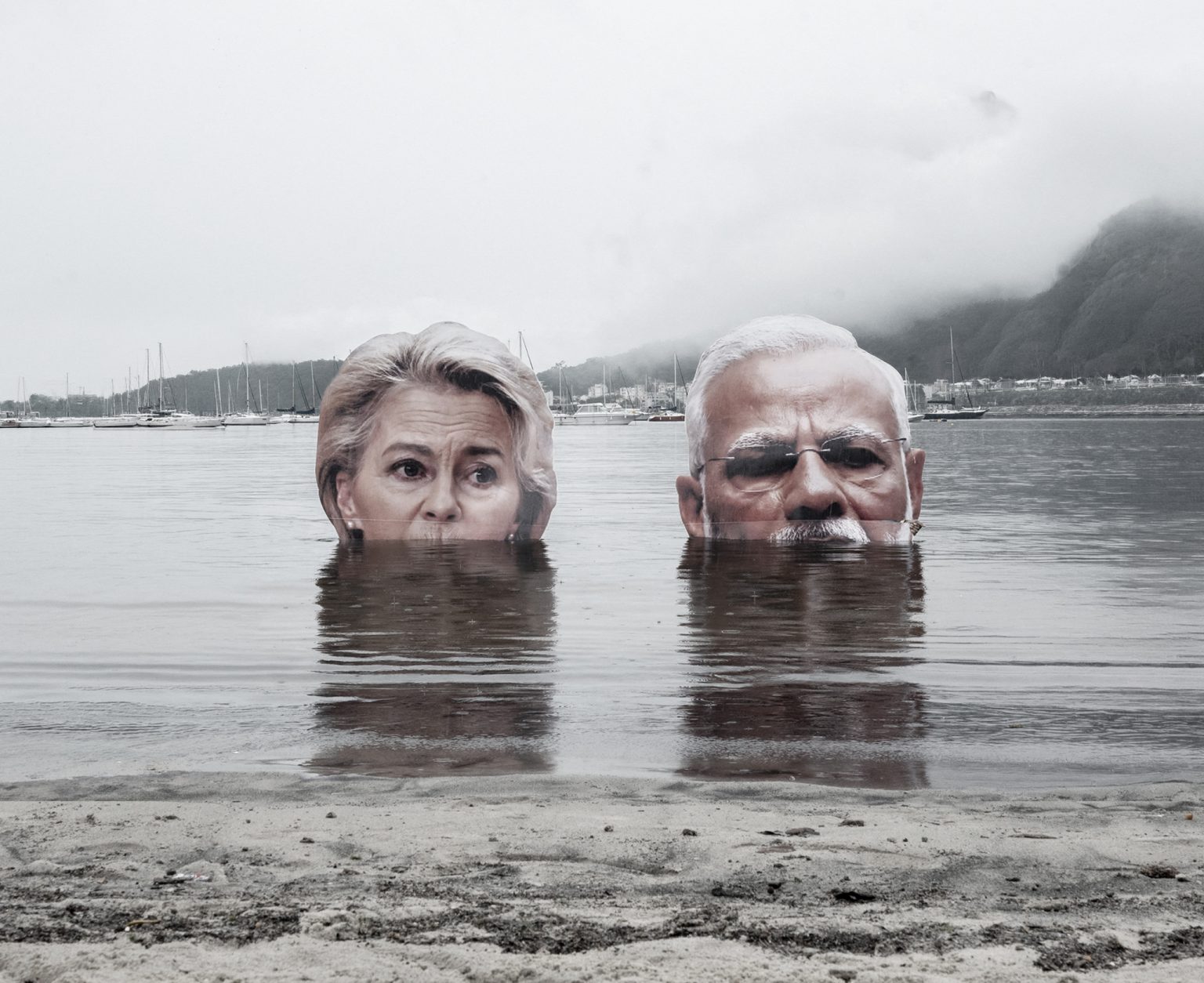
Just a few years ago, climate policy was the driving force behind green parties across much of Europe's political spectrum. Recently, however, the trend has reversed. A new term has even emerged to describe this shift away from ambitious climate policies: "greenlash".
After winning 74 seats in the European Parliament in 2019, the Greens saw their representation fall to around 50 seats in the 2024 elections. Support for green parties has also declined in Germany and Austria, and the rhetoric coming from Europe's political leadership is changing as well.
There is less discussion of the Green Deal and more focus on how the EU can strengthen its competitiveness, build defense self-sufficiency, reduce bureaucracy and address rising public debt.
Meanwhile, Europe's struggling automotive industry is lobbying for technology-neutral regulation, and some political leaders have adopted a more pragmatic tone.
One contribution from the European Conservatives and Reformists (ECR) Group in the European Committee of the Regions, quoted the group's chairman, Italian politician Marco Marsilia, saying that decarbonization is essential, but that innovation cannot be regulated from above.
The shift in public sentiment has become so pronounced that commentators are asking what Europe's Green parties might learn from their British counterparts, whose political influence has recently grown.
"Since Polanski’s election last September, the party’s positioning has shifted noticeably. Climate breakdown and environmental protection are no longer the dominant themes of its messaging. Polanski focuses on economic inequality, the cost of living, housing and rent prices", notes Oxford University professor Tarik Abou-Chadi.
A Response to Changing Priorities
The shift is hardly surprising when viewed against the costs of Europe's ambition to become a global leader in environmental policy.
The planned ban on the sale of new cars with internal combustion engines, together with increasingly stringent emissions standards, has forced European automakers into direct competition with Chinese manufacturers – not in technologies where Europe traditionally excelled, but in electric vehicles, where Chinese producers currently enjoy a competitive advantage.
The consequences are becoming increasingly visible. Europe's leading carmakers are cutting costs, reducing their workforce and closing production facilities. Volkswagen alone plans to eliminate around 100,000 jobs over the coming years. Similar restructuring is taking place at BMW, Mercedes-Benz and Renault.
You might be interested
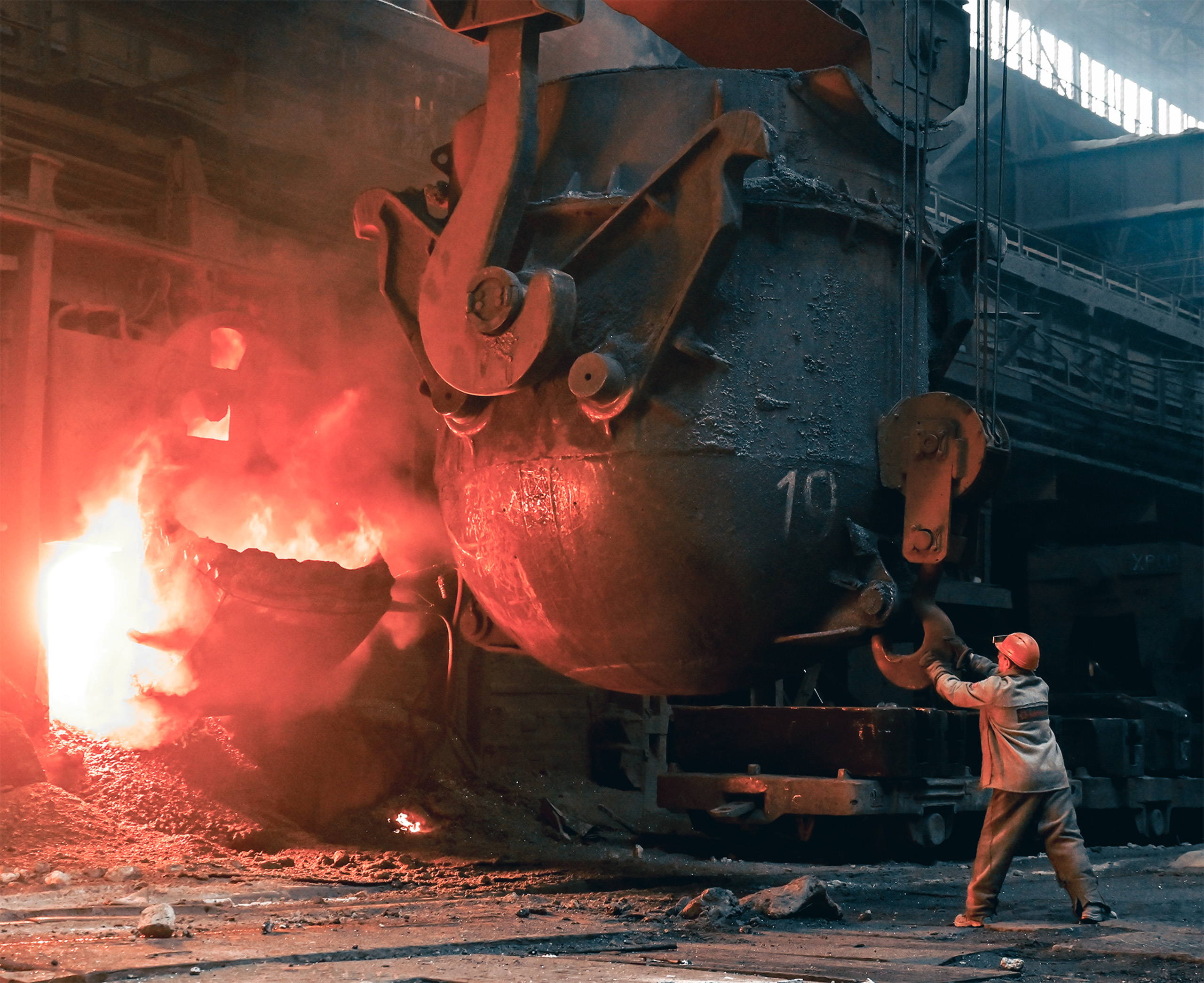
EU Carbon Tariff Deals Fresh Blow to Ukraine's Steel Industry
Another major element of the Green Deal is the EU Emissions Trading System and the introduction of carbon border charges on imported goods.
Industrial companies must pay for every metric ton of carbon dioxide and certain other greenhouse gas emissions they produce, increasing production costs. More significantly, those costs remain difficult to predict because allowance prices are determined by the market.
As the number of free allowances continues to decline, prices are expected to rise further. Over the past five years, allowance prices have fluctuated between roughly €60 ($68) and €100 ($114) per metric ton, and many analysts expect substantially higher prices over time.
The main challenge emerges when European companies compete abroad. Higher production costs affect all manufacturers within the EU equally, but they can reduce the competitiveness of European exports.
Why would buyers choose more expensive European steel if comparable alternatives are available elsewhere?
The Trade Weapon Behind the Green Deal
Brussels has developed a strategy designed to encourage third countries to introduce their own carbon pricing systems, thereby reducing the cost disadvantage faced by European exporters.
The EU's approach assumes that access to its market is valuable enough to encourage trading partners to adopt similar climate policies.
Under the Carbon Border Adjustment Mechanism (CBAM), imports of selected products are subject to charges if their embedded emissions were not priced – or were priced at a lower level than would have been required within the EU.
Although the system is still in its early stages, CBAM is already affecting international trade.
Ukrainian steel producers, for example, report a 17% decline in exports to the EU. Indian aluminum exporters have also reported falling shipments, while electricity trading in the Western Balkans is coming under increasing scrutiny.
You might be interested
Germany’s Strange Fear of Air Conditioning
In India, however, European pressure has accelerated the development of the country's own Carbon Credit Trading Scheme (CCTS).
Yet India is not copying the European model. Whereas the EU imposes an overall emissions cap and requires companies to purchase allowances through auctions, India's system regulates emissions intensity instead. Rather than limiting total emissions, it specifies how much carbon dioxide may be emitted per metric ton of cement, steel or other industrial output.
The system also operates retrospectively. Companies monitor their emissions throughout the year. Independent auditors then calculate their emissions intensity. Businesses that perform better than the government benchmark receive carbon credits, while those that exceed the limit must purchase credits from more efficient competitors.
Certificate prices – currently starting at around €10 ($11.40) – are unlikely to reach European levels because India does not impose a strict cap on the supply of credits. As production grows, more certificates become available.
Meeting EU Standards – and Little More
The assumption that the EU market is too important to ignore appears broadly correct. In practice, however, the outcome is more complicated than Brussels anticipated.
Manufacturers may decide to modernize only part of their production for goods destined for Europe.
In India, this could prove especially advantageous because CBAM measures the carbon footprint of individual imported products rather than the average emissions of an entire company.
A single lower-emissions production facility could therefore allow manufacturers to meet EU standards, avoid carbon border charges and simultaneously reduce their average emissions intensity below Indian regulatory thresholds, earning credits that can later be sold.
Higher-emissions production can continue to serve domestic markets or countries that have not introduced comparable carbon measures.
While this approach complies with EU requirements, its contribution to reducing global emissions is considerably less clear. Nor is India necessarily a model that every country will follow.
You might be interested
Holding Out Till the Lights Go Out: Germany’s Grand Energy Delusion
Is Europe Still Leading the Green Transition?
Despite changing political rhetoric, many of the Green Deal's core policies remain firmly in place, even though they impose substantial costs on European industry while producing more limited effects abroad.
Whether Europe is beginning to place greater emphasis on competitiveness than on climate leadership has become the subject of growing debate. If that proves to be the case, it would represent a significant shift in priorities rather than a rejection of environmental protection.
Economists often describe environmental protection as a luxury good. That does not mean it is unnecessary. Rather, wealthier societies generally have greater capacity to invest in ambitious environmental policies. As prosperity increases, public willingness to bear the costs of cleaner technologies tends to rise as well.
The opposite is also true.
If Europe loses its ability to generate wealth, public support for ambitious climate policies could weaken further. Green parties may increasingly find themselves focusing less on emissions targets and more on economic inequality, housing and the cost of living.