EU politicians lecture the world about the “rules-based order” and the rule of law. At home, they override parliamentary majorities, disregard binding treaties and cast aside inconvenient procedures – all while claiming the moral high ground.
Many Britons regard Brexit as a mistake. Others at least wonder whether the United Kingdom made the right decision when it voted narrowly to leave in 2016. During his premiership, which ends now, Keir Starmer sought closer ties with the EU. His successor, Andy Burnham, is likely to continue along the same path.
What happened in the European Parliament in early July could persuade at least some Brexit doubters to think again.
Political leaders in Switzerland and Iceland should also study the latest events in Strasbourg. Their governments are attempting to move their countries closer to the European Union against the wishes of a majority of their citizens. The public should pay attention as well.
On 9 July, Parliament passed legislation that will allow the state to carry out indiscriminate mass surveillance of private digital chats. It did so even though a majority of lawmakers voted against the measure three times.
How can a legislative package become law when, despite every form of pressure, only a minority votes in favor – not once, but repeatedly? Such a thing cannot happen in a democracy.
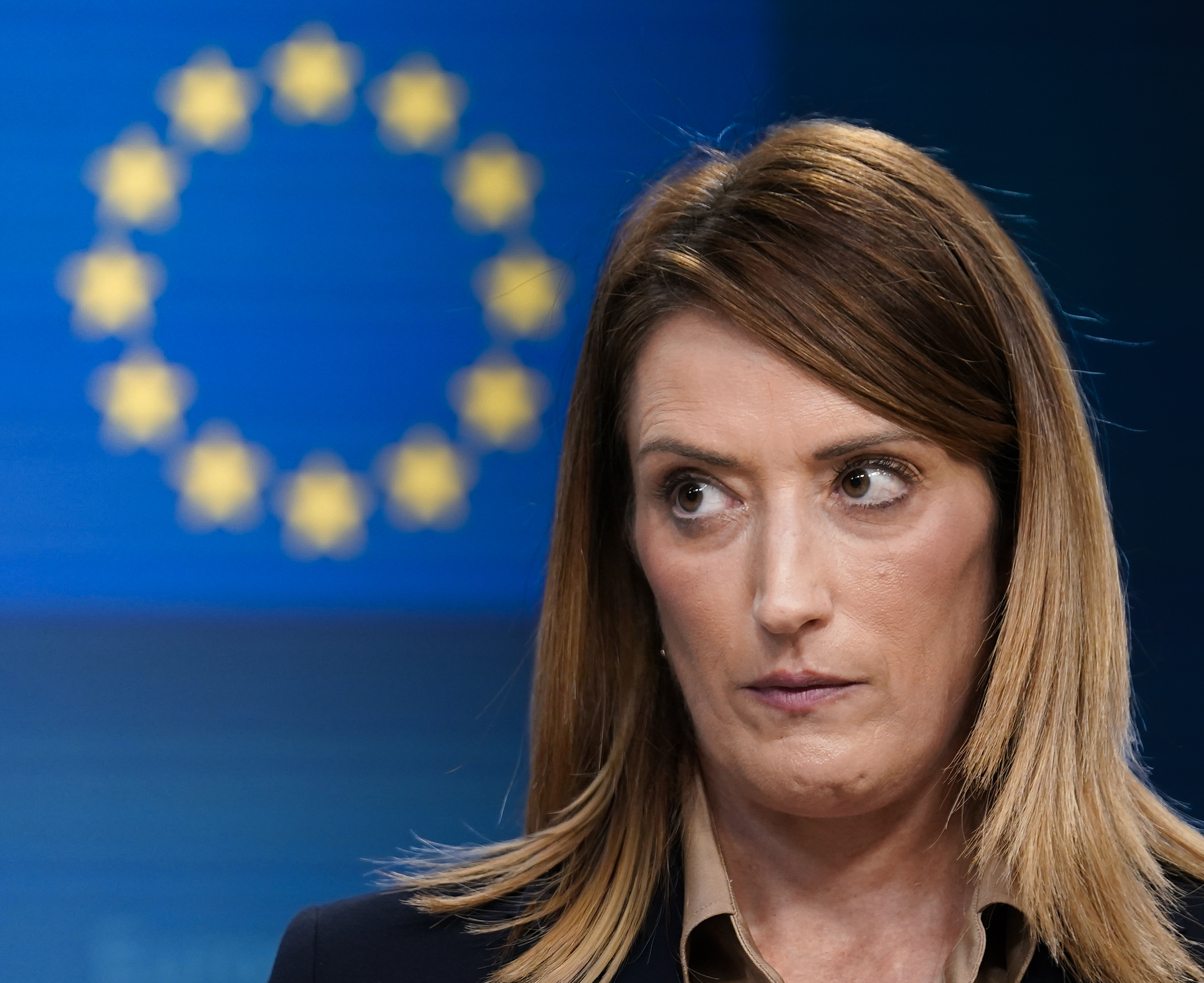
After Parliament rejected chat surveillance at first reading, European Parliament President Roberta Metsola played her trump card: she announced that she intended to invoke the emergency procedure.
That procedure, however, applies only to unforeseen events and only at first reading, not at second reading. Metsola therefore broke her own institution’s rules in full public view.
At second reading, a majority again voted down the proposal. Then came the third act.
Because the measure had been proposed by the European Commission, only a so-called qualified majority of at least 361 votes could now block legislation that had already been forced this far through the process.
That majority was not reached because many lawmakers had already left for their summer holidays. This was precisely why the Brussels putschists had scheduled the vote for July. They probably high-fived one another afterwards, congratulating themselves on their cleverness.
The Gospel According to Brussels
Whenever politicians promote the EU, they reach for their favorite magic word: rules-based. German representatives in particular repeat the formula endlessly.
Their familiar sermon is that the bloc sets itself apart from every other country and alliance on Earth by binding itself to standards of its own making. The words drip from their lips like honey.
They fling the phrase “rules-based” most eagerly at Donald Trump’s United States, secure in their own moral superiority.
In reality, what distinguishes the EU is that it boasts incessantly of its adherence to principle while swiftly changing or simply ignoring almost every important provision as soon as Brussels technocrats find it inconvenient.
Other countries also play fast and loose with regulations. At least they do not constantly hold themselves up to the rest of the world as models of reliability and respect for the law.
The fact that a close-knit group of Commission officials and parliamentary leaders can force through an authoritarian law against the will of the majority and in defiance of their own procedures demonstrates one thing above all: the EU apparatus has no compunction about treating its own rules with contempt.
Why should it? Brussels has been doing so routinely for years.
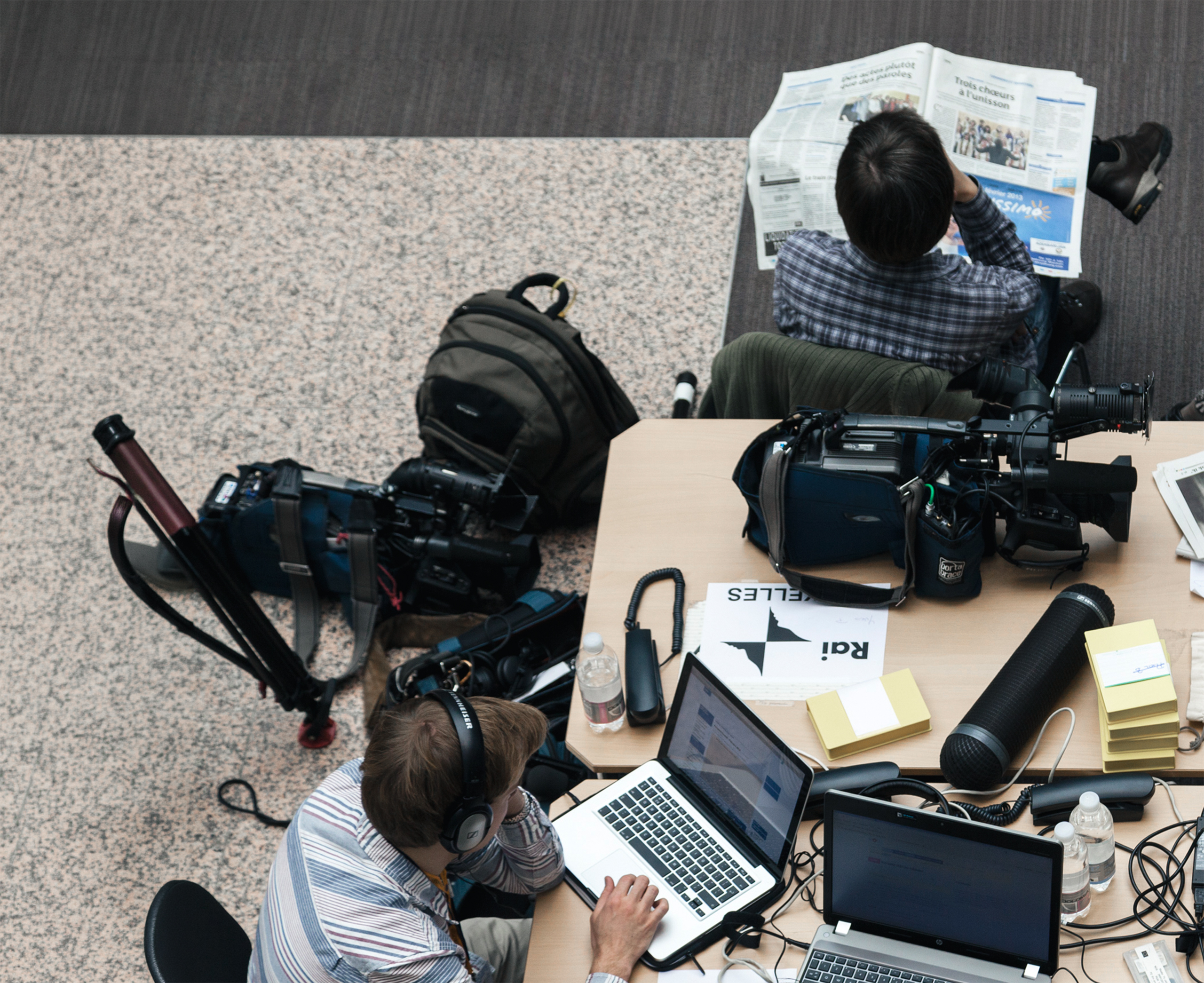
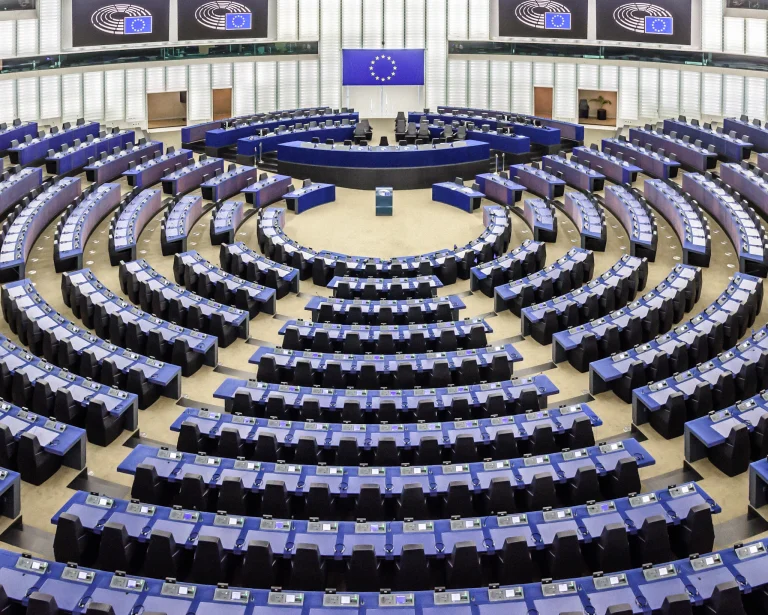
The European Parliament, where procedural maneuvering can prove more powerful than the will of the majority. Photo: Christian Creutz/multimedia.europarl.europa.eu
Pfizergate and the Missing Messages
Some readers may still remember “Pfizergate”.
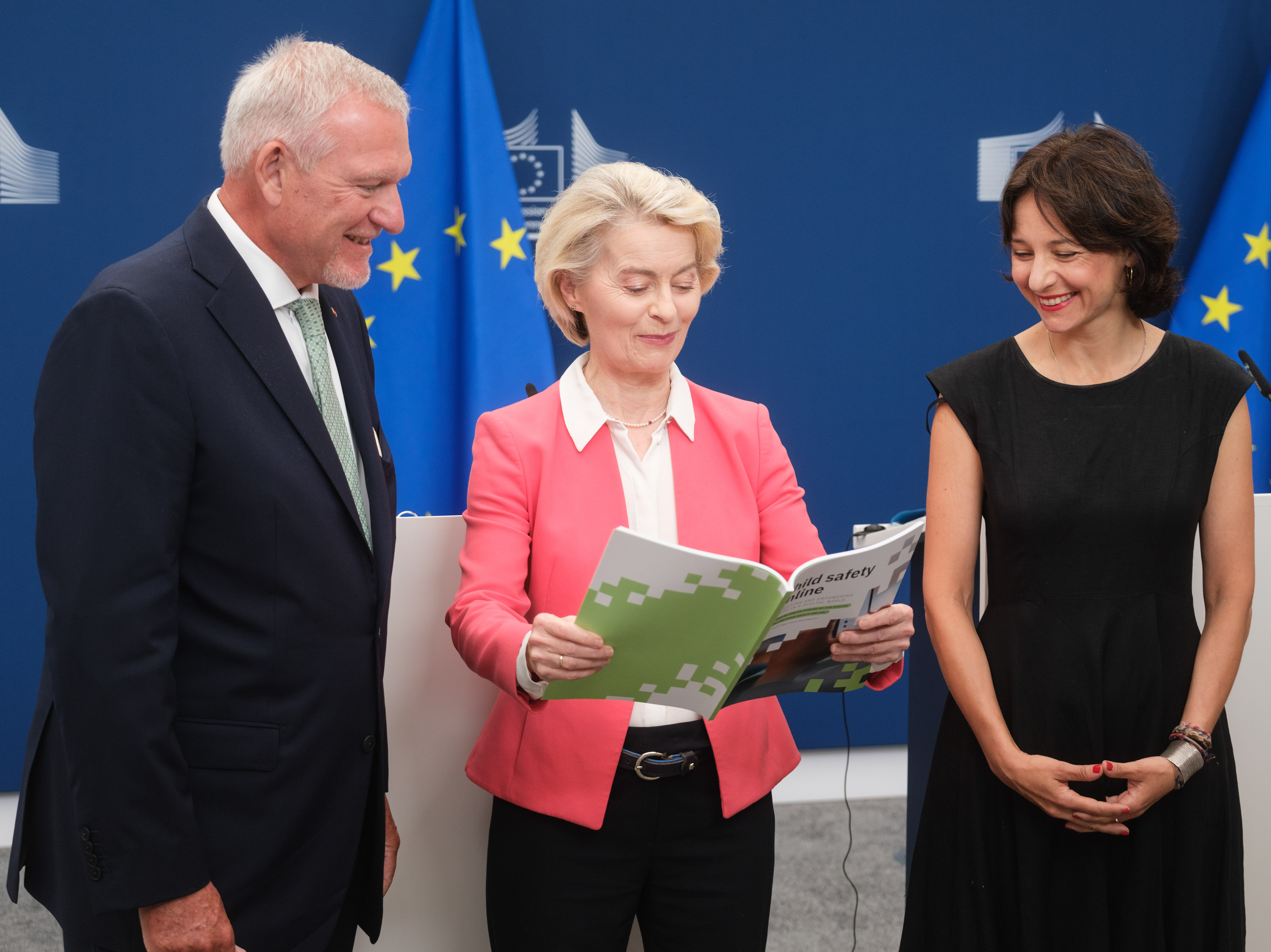
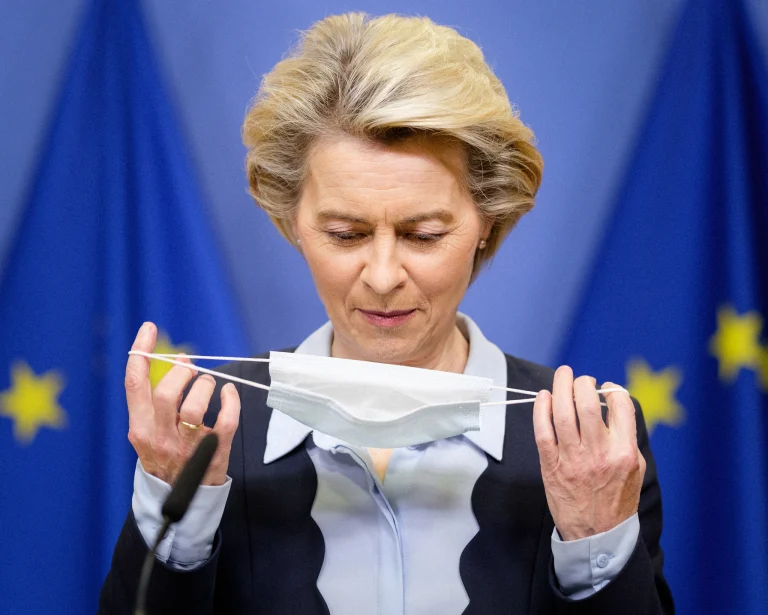
In 2021 and 2022, European Commission President Ursula von der Leyen negotiated key details of the EU’s purchase of coronavirus vaccines with Pfizer chief executive Albert Bourla by text message on her private phone.
The contract was worth more than $35bn. Conducting negotiations in this manner violated every rule in the book.
When lawmakers and a journalist from The New York Times sought access to the exchanges between von der Leyen and Bourla to establish why the European Union had bought so many doses at such a high price, the Commission president initially claimed that no relevant messages existed.
Most of the correspondence then mysteriously disappeared from her phone.
On 14 May 2025, following a lawsuit brought by The New York Times, the General Court of the European Union ruled that von der Leyen’s claim that no Pfizer messages existed was entirely implausible and ordered her to disclose them.
But because the messages had, as already noted, vanished, the world still does not know what the Commission president and Pfizer’s chief executive discussed.
Power Behind Closed Doors
The story of how the German politician was installed in the EU’s top post in 2019 is equally revealing.
Before the European Parliament election, Europe’s heads of government promised that the lead candidate of the political group that won the most votes would become president of the Commission.
The promise to voters was clear: your ballot will finally decide something. You will determine who represents the bloc.
On the basis of the election result, the post should have gone to Manfred Weber, the German CSU politician and lead candidate of the European People’s Party.
French President Emmanuel Macron did not want him, however, and several others also exercised an informal veto. In the end, the heads of government broke their promises and selected Ursula von der Leyen, a woman whose name had appeared on no ballot paper.
She accepted with delight. As Germany’s defense minister, she was up to her neck in several scandals, all of which she neatly left behind by moving from Berlin to Brussels.
The lesson is clear: in the EU, decisions are not made by voters but in back rooms. Parliament, too, has nothing to say when the Commission is determined to get its way.
Whatever is written in parliamentary rules or EU treaties applies only for as long as it suits those who truly wield power. The moment it no longer does, it is simply discarded.
The Maastricht Treaty, which introduced the euro, contained the famous Maastricht criteria limiting public debt. Formally, those provisions still exist. Hardly any eurozone country now complies with them.
The EU treaties contain the so-called no-bailout clause, under which no member state shall be liable for or assume the commitments of another.
Yet forms of shared financial risk have long been a reality, and not only since the loans to Greece. Risks arising from some government bonds purchased under the European Central Bank’s asset purchase programs are shared across the Eurosystem.
That makes a mockery of the principle enshrined in the treaties. The clause remains little more than words on paper.
Greece, incidentally, was at least subjected to harsh austerity demands by its EU partners.
When the then Commission president Jean-Claude Juncker was asked why the bloc did not treat heavily indebted France, which had exceeded every Maastricht limit, in the same way, he gave his legendary reply: “Because it is France.”
This week, Spain’s Socialist Prime Minister Pedro Sánchez proposed issuing joint EU debt. The money, for which all member states would be liable – above all Germany – is intended to ease the burden on countries with chronic deficits.
That, too, would constitute a clear breach of several treaties, including Maastricht and Lisbon. For precisely that reason, there is a good chance that the debt union will be created in exactly this form.
It All Depends on the Offender
The politicians who constantly invoke the phrase “rules-based” never tire of proclaiming the EU’s commitment to the rule of law – in practice at home and through lectures to the rest of the world.
The reality looks rather different.
When a Eurosceptic candidate won the opening round of Romania’s presidential election in November 2024, the country’s highest court summarily annulled the voters’ decision on a far-fetched pretext. The European Commission explicitly gave the move its blessing.
Thierry Breton, then a commissioner, made the remarkable statement: “We did it in Romania, and we will do it in Germany too, if necessary.”
When Hungary’s new prime minister, Peter Magyar, recently amended the constitution and simply had the country’s president, an ally of the defeated Viktor Orban, removed from office – a genuine coup – Brussels and its champions of the rules-based order remained silent.
As with indebted France, what matters in the EU is who breaks the rules.
Jean-Claude Juncker, once Europe’s most senior official, was often visibly the worse for drink. On occasion, colleagues had to prop him up during public appearances.
Children and drunks, as the saying goes, tell the truth.
Juncker also coined a maxim that deserves to be inscribed above the entrance to the Berlaymont building, Brussels’ seat of power: “When things get serious, you have to lie.”
That still makes the Luxembourger the EU’s most honest politician.
Welcome to the comments section of the Štandard daily. Please take note of our guidelines, comments are moderated by us. You can contact the moderators at support@statement.com.
Participate in the discussion
Comments are available to subscribers only. If you'd like to join the discussion, choose a subscription starting at €6.72 per month.
All comments 0
Register
Comments are available to registered users only. If you'd like to join the discussion, register here.