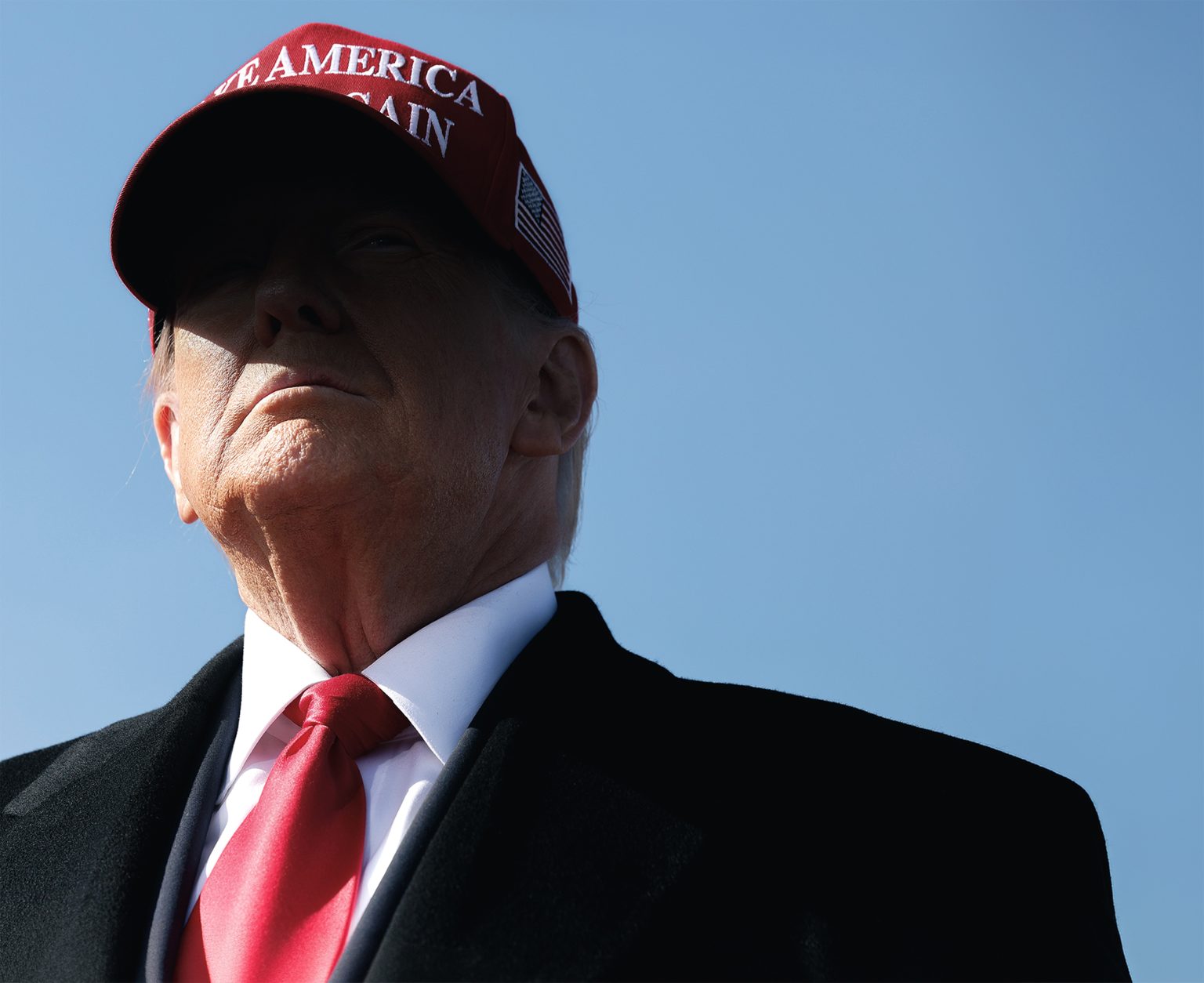
US President Donald Trump can be a hard person to pin down in terms of what he actually believes. Observers of the Iran war, for instance, will have noticed him swing regularly between claims that peace is just around the corner and much desired, and bombastic threats of military assaults the likes of which the world has never seen. Yesterday's friend is often, suddenly and without much explanation, today's mortal foe.
Even on domestic policy, the president's views tend to be of the à la carte variety: once a staunch opponent of “Obamacare”, he has, in his second term, grown comfortable with the program. Once determined to “build the wall” along the Mexican border, that position too has evaporated over time, replaced with a temporary troop surge that the next Democratic president will be able to reverse, if they choose, at the stroke of a pen.
The One Constant in Trump's Politics
This flexibility of belief is advantageous most of the time, which makes Trump's one abiding article of political faith all the more notable: whatever the time period of his life, whatever the political needs of the moment and whatever the international situation, the president has never diverged, even slightly, from his almost religious belief in the righteousness of putting tariffs on foreign imports.
Indeed, despite the constant noise and endless pronouncements of presidential opinion that emanate from the White House, no policy has defined this second Trump term quite so much as the president's unilateral trade war against the entire world.
You might be interested
How Could Trump Cut Off Trade with Spain?
The policy, to be fair, has delivered some of what he promised: the non-partisan Yale Budget Lab estimates that the president's policy has raised over $200bn in additional revenues for the US Treasury over the course of his term, a significant shortfall from the trillions he promised, but nothing to sneeze at in its own right.
In addition, the latest figures show that the US trade deficit, which has long been the bane of Trump's imagination, has fallen quite sharply, indicating that tariffs are at least having some impact in terms of getting Americans to buy American-made goods rather than foreign imports.
However, they have also come with many of the costs economists predicted.
Trump's Self-Inflicted Enemy: Inflation
Price inflation in the United States remains stubbornly high, despite the president's occasional false claims that a reduction in the rate of inflation means that “prices are coming down”. The Congressional Budget Office (CBO) estimated that, in 2025, Trump's tariffs were responsible for boosting the inflation rate by half a percentage point, which may not sound like much at face value but is quite a lot when the overall inflation rate is a stubborn 3.5% and the Federal Reserve target is 2.5%.

You might be interested
Trump Imposes New Tariffs on Nearly All US Imports
Furthermore, of Trump's major claims in support of tariffs, there is no evidence whatsoever that the most significant of them is coming true: there is no measurable renaissance in American manufacturing jobs.
Of course, the impact of the presidential tariff policy cannot and should not be measured by economics alone, because it has also come with a much more significant long-term cost: America's trade war has triggered a significant breakdown in political trust between the country and many of its most important longstanding trading partners and allies. That trust will be further damaged by the new round of tariffs introduced this week, largely because the basis for them is so cynical.
A Deeply Cynical New Justification
The White House framed the new 10% tariff as a punishment for countries that exploit slave or forced labor, invoking human rights legislation rather than the president's economic powers, which the Supreme Court significantly curbed last year. It then applied that tariff to most of the Western world.
In other words, the current US policy on trade is to tariff European countries such as France, Germany and the UK until their employment laws come into line with workers' rights standards in the United States.
But this is, of course, absurd, as anybody who has ever been employed in both the EU and the US will know. European workers enjoy considerably more employment rights and protections than their American counterparts, some would say far too many: more holidays, better leave, more protection from arbitrary dismissal and, of course, strict laws against exploitation.
You might be interested
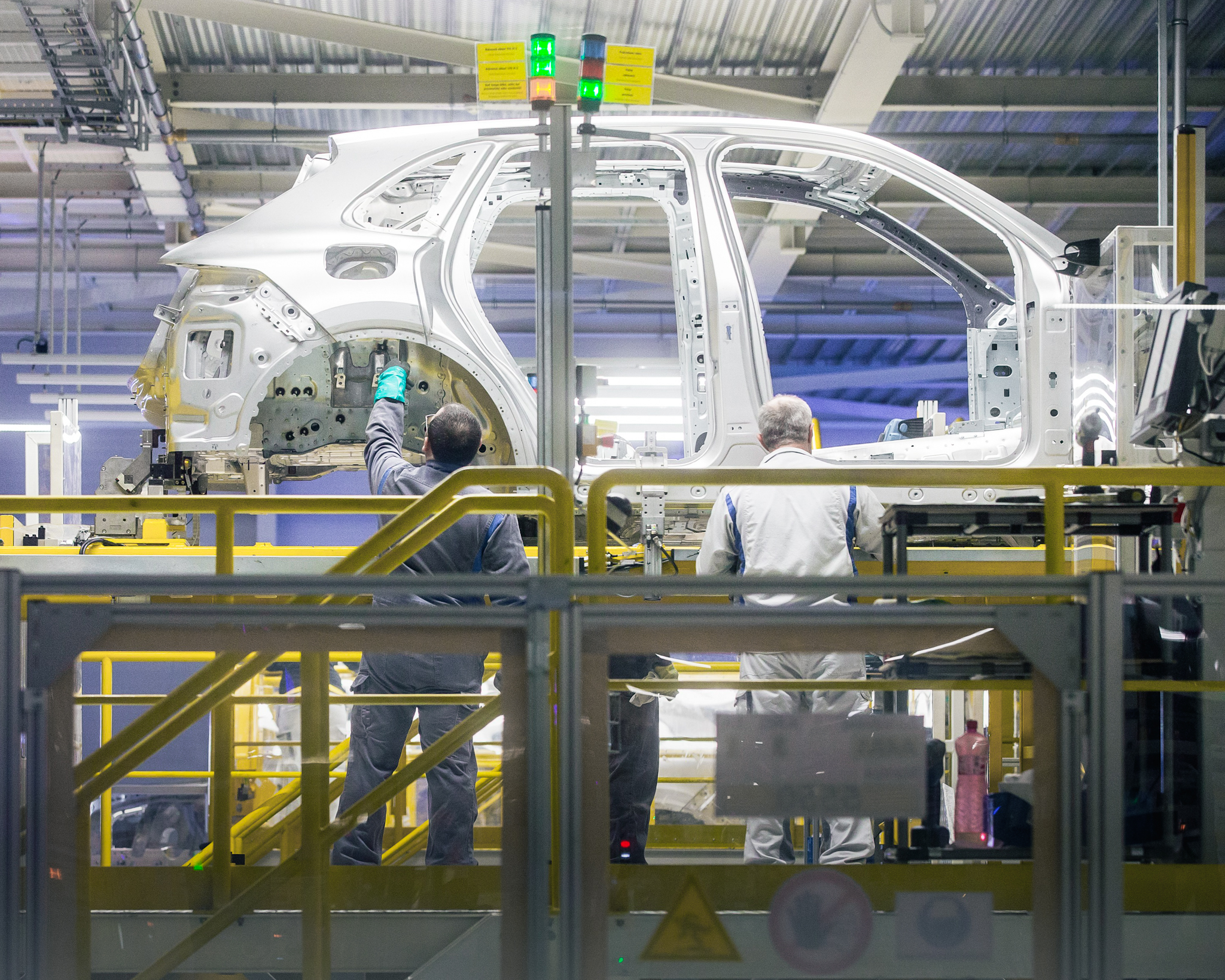
Trump’s Car Tariffs Put Europe’s Small Export Economies Under Pressure
Indeed, the administration makes no serious pretense that this latest round of tariffs rests on anything more than a cynical, politically expedient slander of America's trading partners, deployed simply to give the president his heart's desire.
A Policy Designed to Backfire
Ultimately, most sensible economists believe the president's policy is doomed to fail, for good and obvious reasons. In ordinary circumstances, tariffs mostly accomplish one thing: they distort the competitive picture, shielding American companies from foreign competitors who make products more cheaply and efficiently.
Perversely, the tariffs create the opposite incentives to those Trump intends. They push foreign companies to make their products even cheaper and more efficient, in order to offset the tariffs' impact on their US sales. American companies, by contrast, grow less inclined to innovate or invest in efficiency the more they are shielded from competition. In the long run, they will likely become flabbier and less efficient, even as the hurdles Trump has placed before America's competitors force those rivals to sharpen their edge.
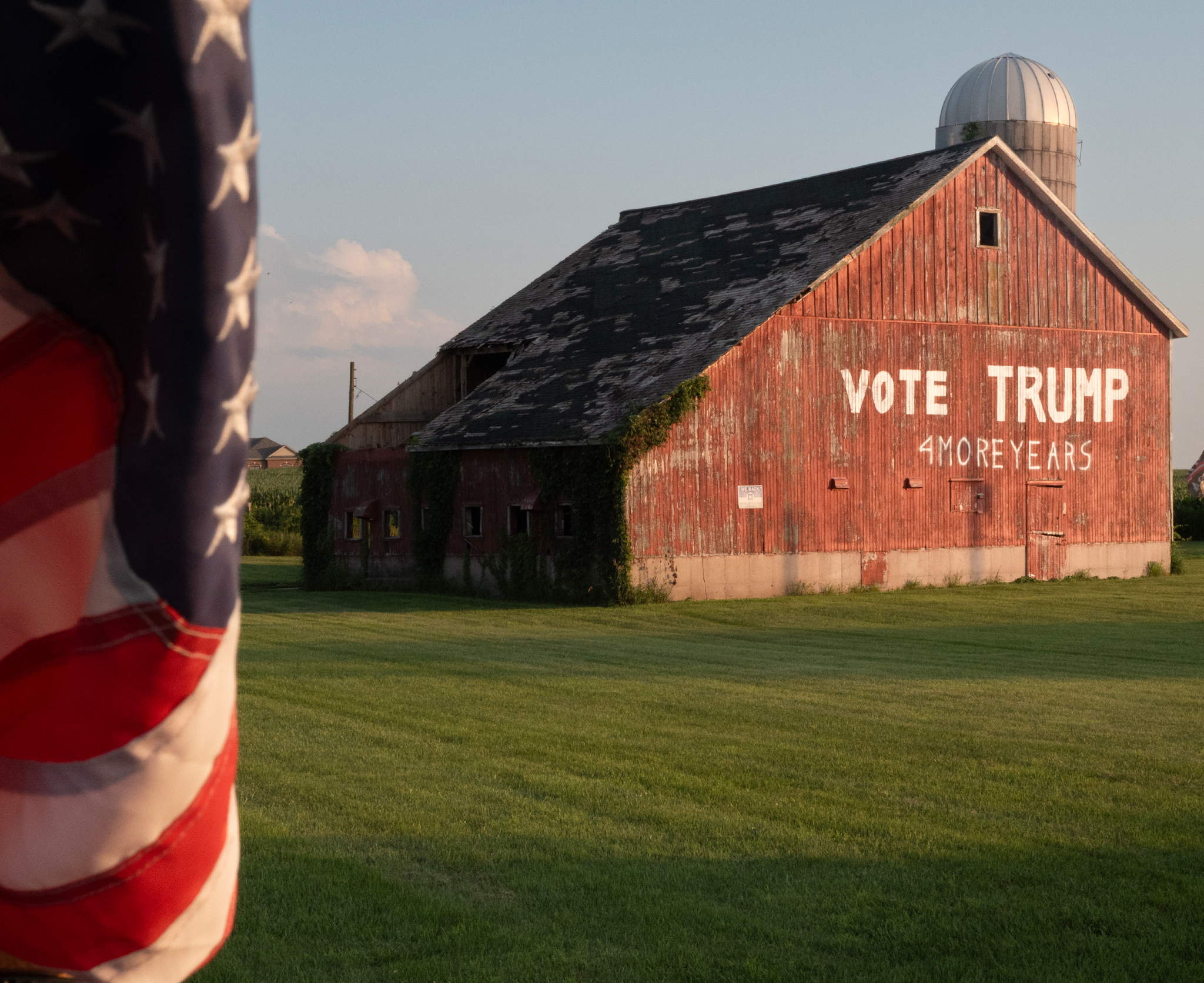
That effect is already visible in the growing need for further government subsidies to American farmers, who make up both Trump's political base and the group hit hardest by his tariff obsession.
You might be interested
Trump Wants Another Bailout for American Farmers
All the while, American goodwill is squandered.
There is a certain irony here. The president has often shown a remarkable ability to spot political weakness in others, yet the one policy he believes in above all others may, in time, come to define his legacy and tarnish it irretrievably in the eyes of both his own people and the world.