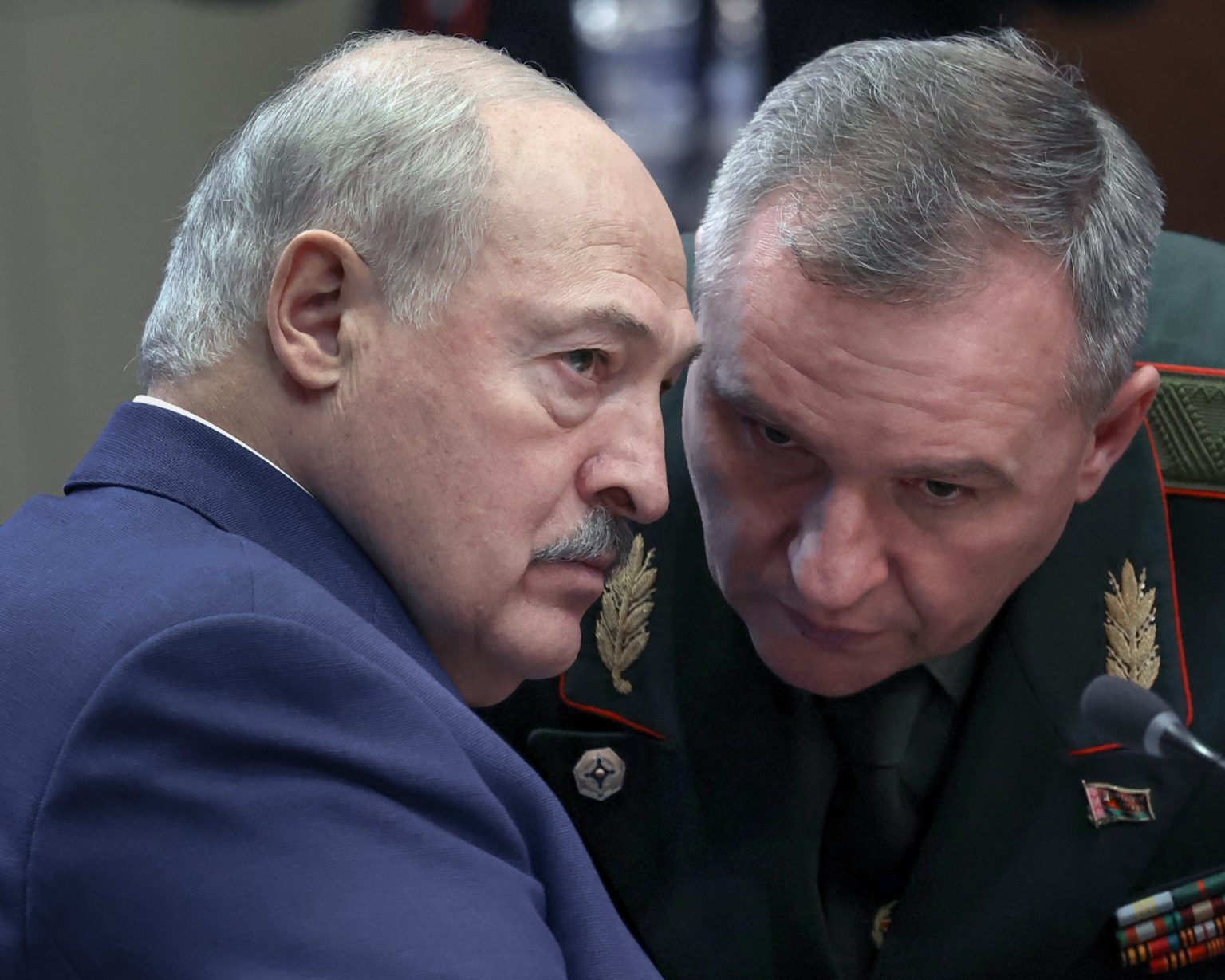
Ukrainian President Volodymyr Zelensky has warned his Belarusian counterpart, Alexander Lukashenko, that the war could spread to several Eastern European countries.
So far, the main point of contention has been signal boosters for Russian drones.
Last Friday, Zelensky claimed that the Russian military had installed relay stations in the Brest and Gomel regions of southern Belarus, helping to guide suicide drones toward cities in western Ukraine. He called for their removal within a week. "If he doesn't do it, we'll do it", he added.
By Wednesday, however, he said the stations had stopped broadcasting, though he could not confirm whether they had been permanently dismantled
Ukraine Plays Down a Northern Attack, But Hedges Its Bets
In addition, Minsk launched large-scale mobilization exercises on Wednesday in the Grodno region near the border with Poland, prompting further concern.
The development was reported by the RBC-Ukraine news agency, citing an analysis from last month, which concluded that an attack by Belarusian forces on northern Ukraine is not expected. Commander-in-Chief Oleksandr Syrskyi has nonetheless ordered the reinforcement of defenses along the border.
Maksym Zhorin, commander of the 3rd Assault Brigade, praised the move, noting on Telegram that the Belarusian axis must always be treated as a strategic threat. He observed, with evident irony, that Belarus amounted to more than just an ally of the Russian Federation, functioning instead as another Russian "gubernia" with expanded powers.
He explained that the focus should go beyond simply defending against offensive actions from that direction and should extend to plans for eliminating Lukashenko's regime entirely. Ukraine's long-term interest, he maintained, lay not in problems on its northern border but in an independent and sovereign Belarus without the current regime. This, he said, reflected the position of his brigade and of the superior 3rd Army Corps.
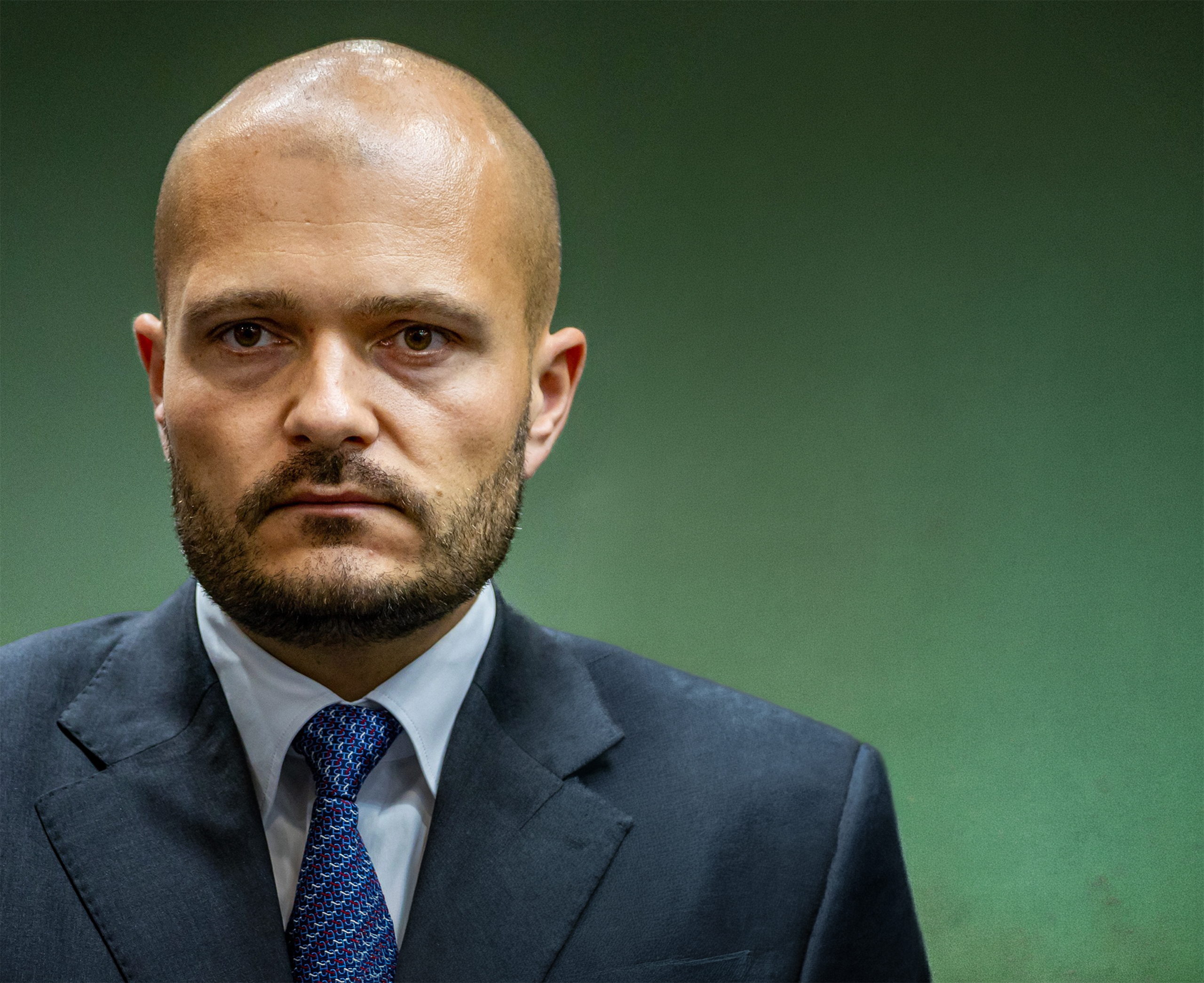
The 3rd Army Corps is commanded by prominent General Andriy Biletsky, who is regarded in some nationalist circles as a possible future contender for power in Ukraine. The founder of the Azov volunteer battalion told Reuters in late May that, given the current pace of the drone war, which Ukraine has successfully shifted onto Russian territory, a scenario in which the unoccupied part of the Donetsk region is retained remains possible.
If Belarus were to enter the war, however, Ukrainian forces would have to stretch out along a much longer front line, likely tipping the scales back in Moscow's favor. Lukashenko announced a selective mobilization last month, and as early as April, Belarusians had begun building a road network toward the border with Ukraine.
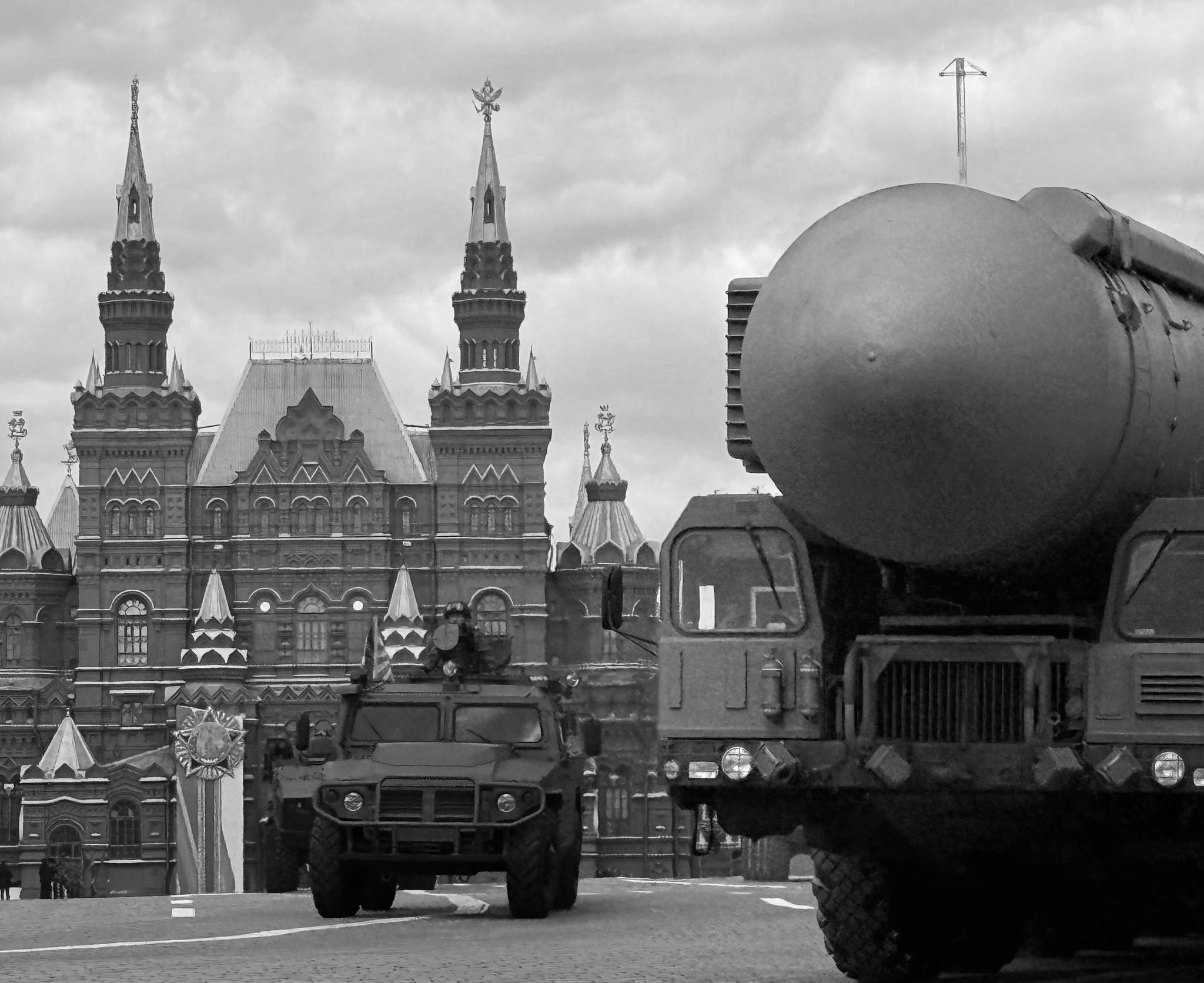
Further concern stemmed from the joint nuclear exercise launched by Lukashenko and Russian leader Vladimir Putin on 18 May. The drills involved Oreshnik hypersonic missiles, which Russia had deployed to Belarus as early as December of last year and which are capable of carrying nuclear warheads.
Minsk's forces would nonetheless face a formidable challenge. Although Belarus offered its border as a staging ground for the attack on Kyiv as early as February 2022, Western analysts note that its own army suffers from low readiness and insufficient equipment. The Ukrainian army, hardened by four years of war, would likely prove too strong an opponent.
This is one of the reasons why, earlier this month, Lukashenko refused to send Belarusians to war as "cannon fodder".

The Deep Roots of the Russia-Belarus Alliance
The Wall Street Journal has reported that Russia has been counting on the prospect of opening a northern front since the start of this year, and has stepped up diplomatic pressure on Belarus as a result.
Kremlin spokesman Dmitry Peskov denied that Russia was using pressure or threats to cut off financial aid.
Foreign Minister Sergey Lavrov, however, addressed the situation on Tuesday, in remarks that shed new light on the threat of a Belarusian attack. He told reporters that Kyiv and the West needed to bear in mind the treaty between Russia and Belarus on security guarantees for the Union State, adding that Russia stood ready, if necessary, to take whatever measures the treaty allowed to ensure the security of its ally.
Russia and Belarus belong to several supranational organizations, such as the Eurasian Economic Union and the post-Soviet Commonwealth of Independent States, but the bond between Moscow and Minsk has run far deeper since 2000, extending Moscow's reach significantly further west, all the way to the Polish border.
As early as 2012, geopolitical analyst Giovanni Valvo pointed to this advantage on a blog that no longer exists: "The dependence of the Belarusian economy on Moscow is undeniable, but no less important is the role Belarus plays in contributing to Russia's 'geopolitical security'."
In other words, Moscow pours substantial financial resources into propping up the Belarusian economy in exchange for a geopolitical bridgehead.
This military cooperation extends to allowing Russian nuclear weapons to be deployed on Belarusian territory. In 2025, under the framework of the Union State, the two countries ratified a treaty on strategic security featuring a mutual defense clause comparable to NATO's Article 5.
Zelensky said on Thursday that Belarus is nearing completion of military infrastructure along its border with Ukraine, citing a report from Oleg Luhovsky, director of the Foreign Intelligence Service. The intelligence points to final-stage work on roads as well as fuel and ammunition depots. "These facilities have no purpose other than a military one", the Ukrainian president noted.
Colonel Andriy Demchenko, spokesman for the Border Guard Service, said, however, that despite this construction, the agency had not detected any rise in personnel numbers.
Belarusian Troops Are Not the Only Path to Escalation
The catch, however, is that Belarus need not commit its own troops directly for the country to be considered part of the war. This, at least, is the conclusion of an analysis from the Atlantic Council think tank.
"Focusing solely on whether Belarusian troops will soon join the Russian invasion of Ukraine risks missing the bigger picture. The Kremlin can drag Belarus deeper into the war without the direct participation of Belarusian soldiers", Hanna Liubakova, a correspondent for the Atlantic Council's Eurasia Center, wrote on Thursday.
"Help with drone strikes, military production, logistical support, border provocations, and hybrid attacks all expand Minsk’s role without requiring large-scale involvement in combat operations", she added.
According to the Belarusian-born analyst, Lukashenko's government is gradually restructuring the state and the military, as well as the organization of industry, so that they increasingly function as part of the Russian war machine.
"Step by step, Belarus is removing the political, legal, industrial, and military barriers that once limited its involvement in Russia’s war. The command structures are now in place. Legislation has been rewritten and the defense industry is expanding. Preparation is not the same as intent, of course, but it makes participation easier should Putin decide that the time has come", she warned.
Notably, Liubakova bases her analysis primarily on a document provided to Ukraine by the Belarusian opposition-in-exile.