
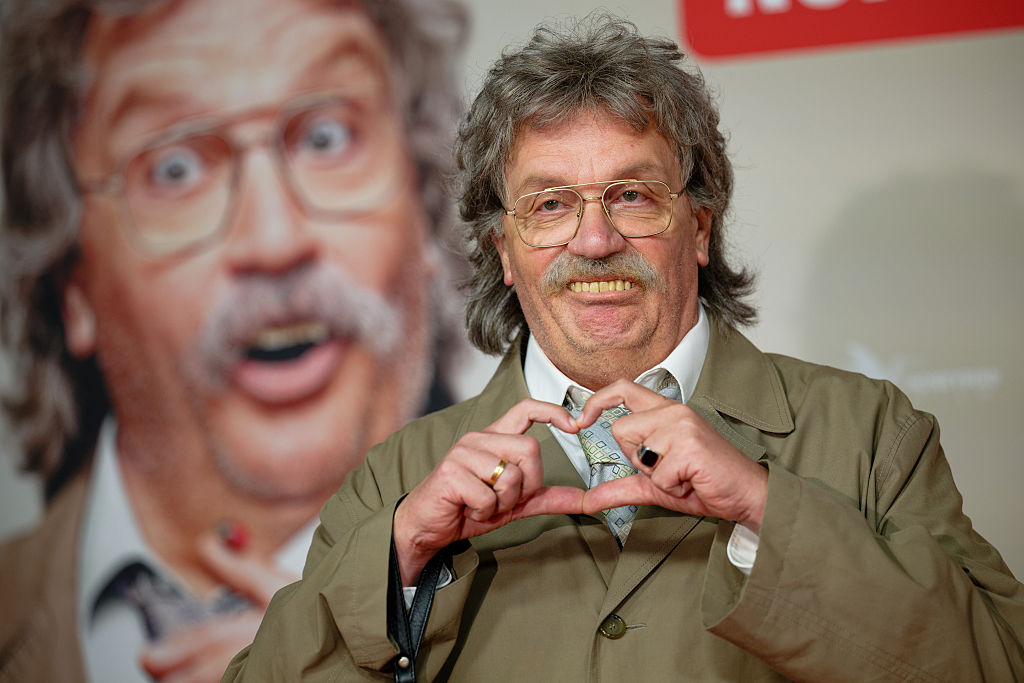
Outside Germany, hardly anyone is likely to have heard of Hans-Peter Kerkeling, better known as Hape. A comedian, author, actor and director, he rose to fame across the German-speaking world in the 1980s. He presented television shows, created comedy formats and later wrote screenplays for feature films. In 1991, disguised as Queen Beatrix of the Netherlands, he managed to pull up at the German president’s official residence before the real monarch arrived. The stunt has since acquired cult status. In 2006, he published an account of his pilgrimage along the Camino de Santiago. It sold millions of copies and became the country’s most successful nonfiction book in decades.
Kerkeling is now regarded not merely as a comedian but as a perceptive chronicler of contemporary life and a serious commentator on social and political affairs. He champions tolerance and openness while opposing racism and exclusion. None of this is particularly original. Yet what Hape Kerkeling says carries weight in Germany.
The Country’s Cuddly Candidate
Naturally, Kerkeling is also an advocate of diversity. “We – all of us, the majority in society – must make it clear that we want diversity”, the entertainer said recently. Accordingly, he is serving as an ambassador for this year’s Christopher Street Day in Leipzig.
It is hardly surprising, then, that he is a favorite of Germany’s mainstream media. Kerkeling is the slightly teddy-bearish embodiment of political correctness. He is unlikely to say anything surprising or provocative, let alone risk causing offense.
Against this backdrop, an online petition was launched in early summer proposing Kerkeling for the German presidency and calling on the country’s major political parties to nominate him as a nonpartisan candidate. After all, the petition argues, he does not lecture people but addresses them as equals, combines the language of ordinary citizens with the dignity of the office in times of crisis and is “a bridge-builder for an anxious society”.
The entertainer is certainly no such thing. Anyone who advocates banning the Alternative for Germany, and thus seeks to disenfranchise 30 percent of German voters, is not a bridge-builder. He is merely the cuddly, earnest-faced version of the usual political inquisitor.
Nevertheless – or perhaps for precisely that reason – more than 141,000 people had signed it by Tuesday. That level of support is remarkable for a man with no political experience whatsoever. Beyond a handful of safely conventional opinions, Kerkeling has contributed little of substance to public debate. For the first several decades of his career, he made no political pronouncements at all.
A Figurehead for a Weary Country
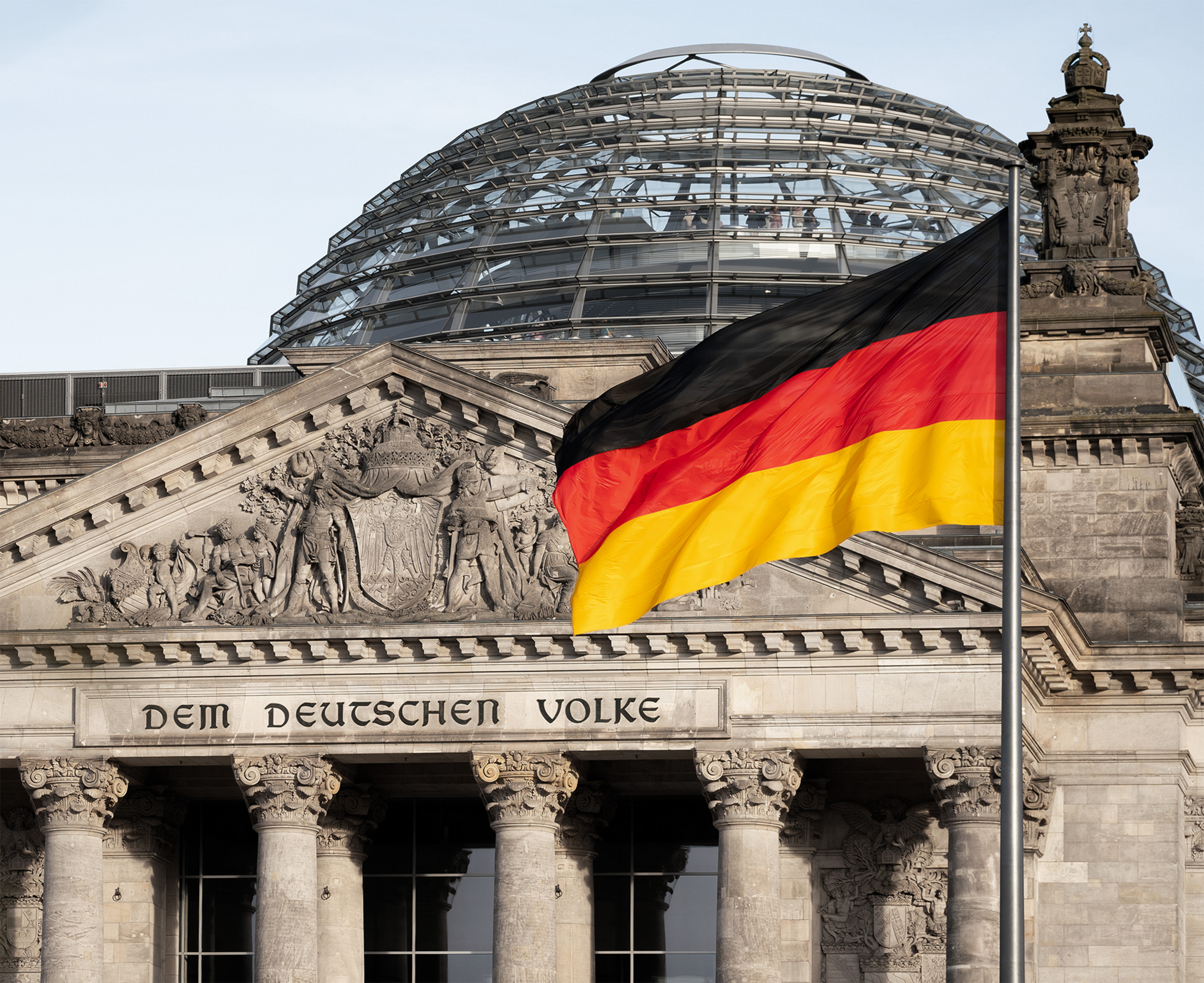
Support for a Kerkeling presidency reflects profound frustration with the established political class. Much of the public evidently no longer trusts Germany’s party elites to put forward anyone fit for the role.
That is all the more striking because the German president bears little political responsibility. He is essentially a constitutional rubber stamp: He signs bills into law, travels the country, opens exhibitions and new buildings and delivers vacuous speeches on national holidays.
Yet many Germans have clearly grown weary even of that role. For decades, successive officeholders have served up the same platitudes in the same tired language. The themes are invariably democracy, human dignity, social justice, resistance to totalitarianism and whatever other political buzzwords happen to be in circulation. Most can no longer bear the stock formulas of a political class that has run out of ideas.
Why not elect an entertainer as president? He would surely sound different for a change. Shaped over decades by the political worldview of Germany’s public broadcasters, a President Kerkeling would almost certainly never articulate a single original thought. But he would at least wrap the intellectual emptiness of the political establishment in a fresh set of phrases.
When Politics Becomes Show Business
Other countries have already gone further. Consider the United States or Ukraine. America – the country that invented show business and turned politics into another branch of it – has an established tradition of celebrities seeking public office. Ronald Reagan and Arnold Schwarzenegger, both Republicans, are obvious examples.
Reagan did not, however, go straight from the film set to public office. He first worked as a television host, speaker and corporate spokesman for General Electric. That work drew him into politics. Nevertheless, many European intellectuals regarded Reagan as a laughingstock – little more than an actor playing the part of president. Today, many Americans remember him as both a symbol of a golden age and the “Great Communicator”. Unlike many career politicians, he knew how to speak to ordinary people.
The same instinct helped propel Donald Trump, the former host of the reality television show The Apprentice, into the White House. European observers may not always understand it, but many Americans see Trump as an outsider who counters the political establishment’s stilted rhetoric with the language of the man on the street. Even his television role as a boss who fired would-be employees did not stop voters from seeing him as a man of the people.
From Screen President to Real President
A similar yearning for leaders who seemed closer to the public helped carry a certain Volodymyr Zelensky to power in 2019 – albeit in an entirely different political environment. Having made his name on the Ukrainian version of Dancing with the Stars, Zelensky went on to work as a comedian and media entrepreneur. In 2015, he starred in the satirical television series Servant of the People, playing a history teacher who is elected president almost by accident and sets out to root out corruption in his country.
Zelensky’s candidacy gained particular momentum as the boundary between the fictional hero and the actor who portrayed him began to blur. He did not merely embody the promise of honest, down-to-earth politics. In the public imagination, he seemed already to have delivered on that promise on screen.
Yet it was undoubtedly Silvio Berlusconi who made the transition from media mogul to political leader most completely, permanently redrawing the line between the two worlds. He pioneered the model that Donald Trump is now pursuing on an incomparably greater scale: the portrayal of a fabulously wealthy man as a tribune of the people, narcissism as a substitute for politics and the relentless fusion of public attention and political power.
Where parties, programs and ideologies once provided the route into politics, fame, reach, name recognition and performance have taken their place.
Celebrity as a Substitute for Politics
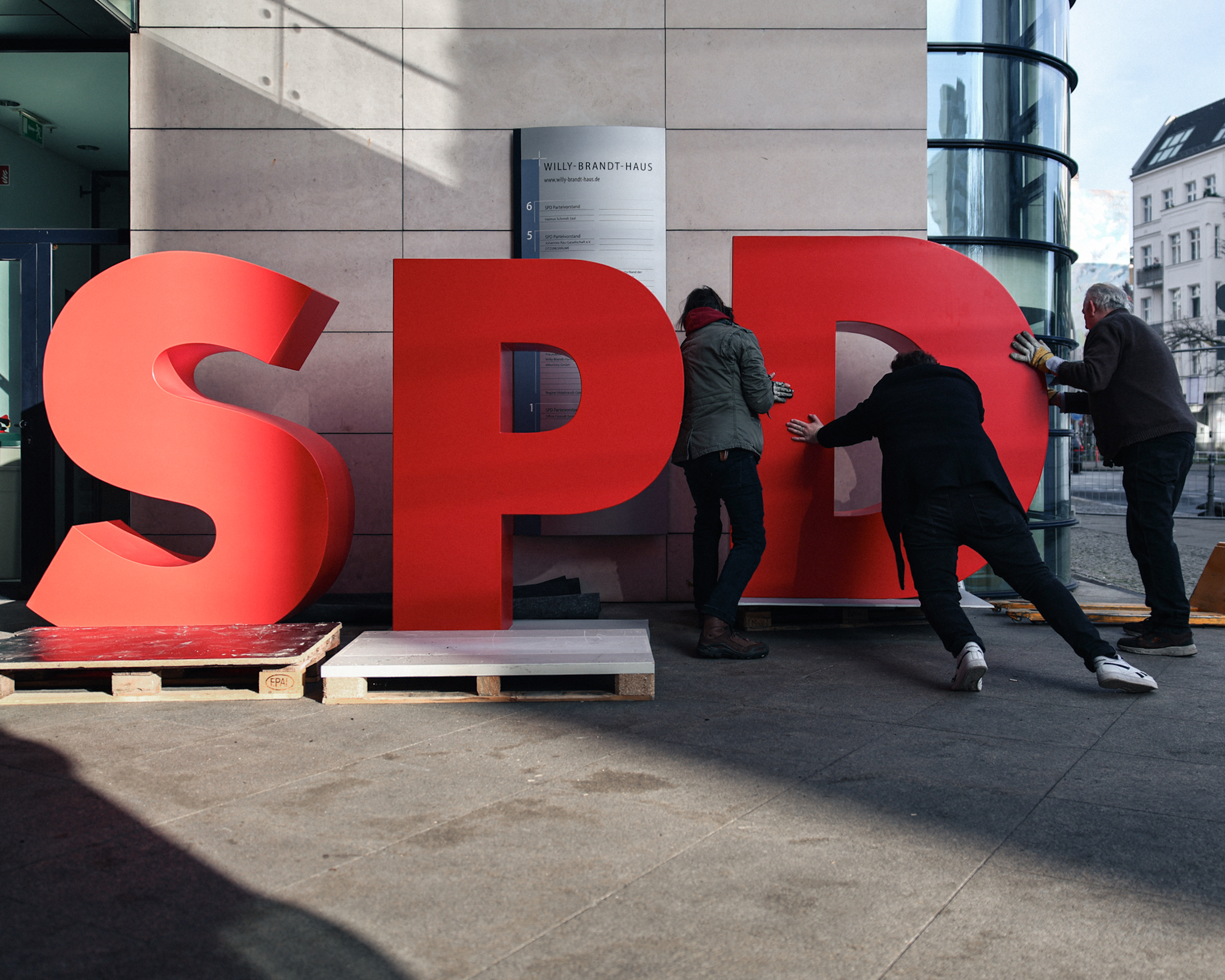
As public confidence in institutions declines, personalities gain importance. When voters no longer identify with political parties, celebrities take their place. They come to embody hopes that conventional politics can no longer fulfill.
The campaign for a Hape Kerkeling presidency is therefore less a sign of particular enthusiasm for the entertainer than a symptom of a deeper shift across Western societies.
It shows how far democratic parties have become worlds unto themselves and how powerful the longing for authenticity – and entertainment – has become. In the eyes of many citizens, the language of politics is exhausted. It produces nothing but formulas and platitudes. So they turn to professional entertainers. They may be no closer to ordinary people, but at least they have learned to make the common touch part of the act.