One Year After Charlie Kirk’s Murder, American Politics Has Grown Even Coarser
The response to Charlie Kirk’s killing laid bare a growing tolerance for political violence – and an American right increasingly consumed by distrust.
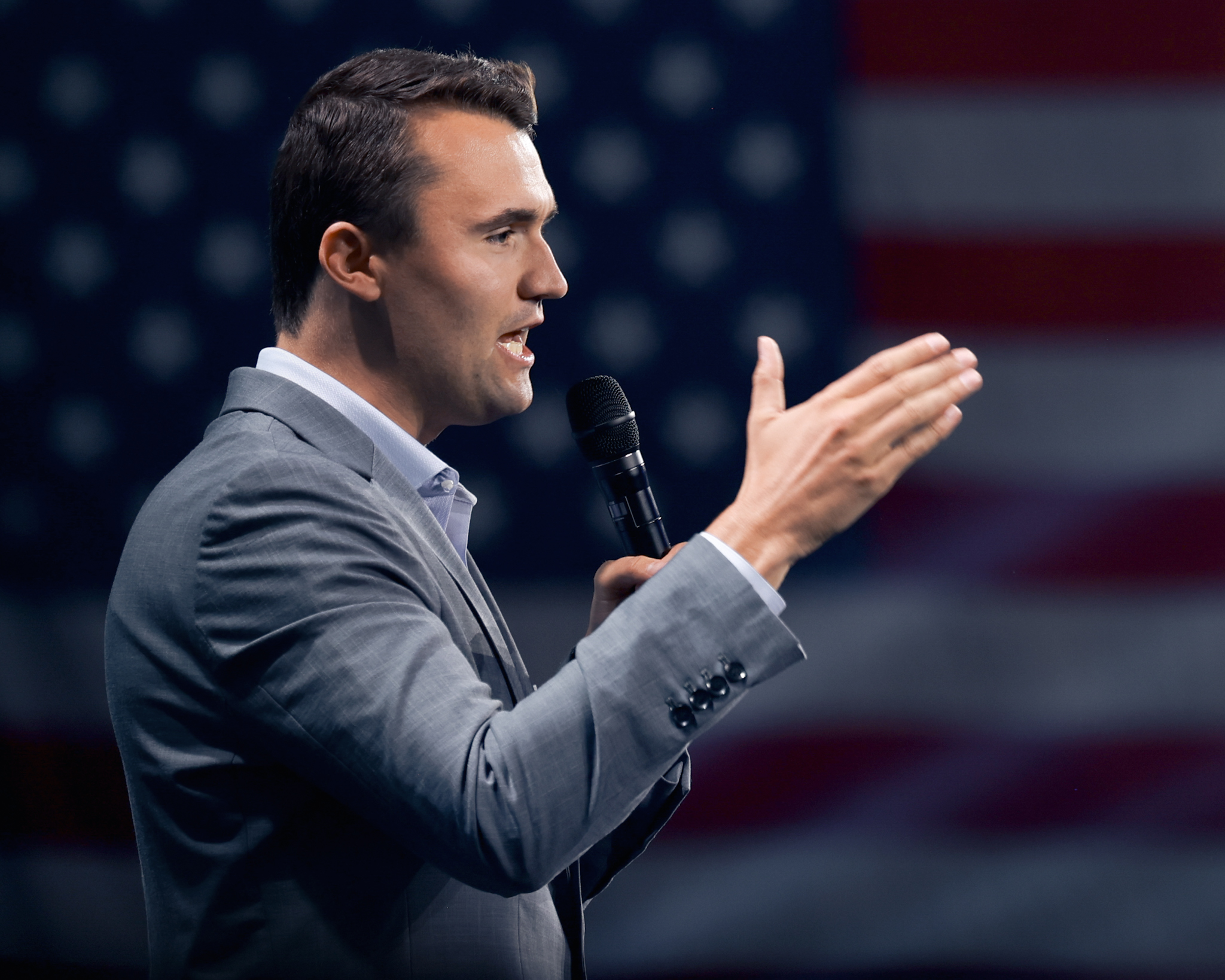
One year ago, the murder of conservative political activist Charlie Kirk sent shockwaves through American society and across the world. Family, friends and supporters wept, while many opponents laughed and have not stopped laughing since. Indeed, if it had not been dead already, there is a strong claim to be made that Kirk’s murder marked the total death of civility in American politics.
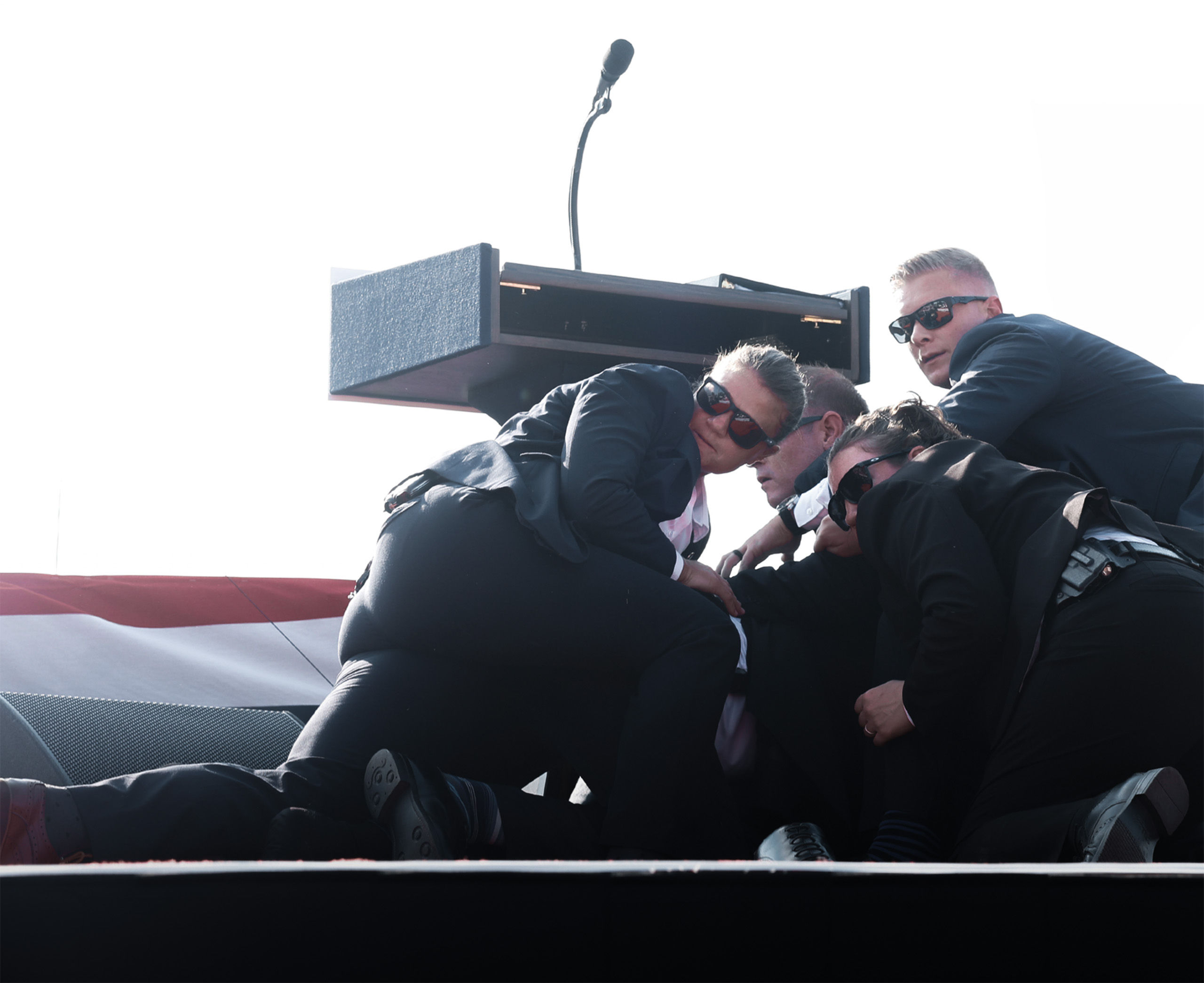
In the days approaching 10 September, the term “Kirkiversary” had become a common sight across the digital landscape. 10 September was, of course, the day Charlie Kirk was fatally shot in the neck last year while sitting in front of a crowd at Utah Valley University, which he had been visiting as part of the Turning Point USA (TPUSA) “American Comeback” tour.
A 23-year-old Utah man, Tyler Robinson, has pleaded not guilty to Kirk's murder, with Judge Tony Graf ruling recently that the case should proceed to trial. If found guilty, Robinson could face the death penalty.
Outside of the legal proceedings, though, the ugliness rumbles dreadfully on. The phrase Kirkiversary often, but not exclusively, accompanies a meme or a post mocking Kirk or celebrating his demise. This is because to a broad swath of America’s liberal-left, the beliefs he embodied and the cause he advanced were intolerable and justified his assassination.
As a Christian proponent of Donald Trump’s Make America Great Again (MAGA) movement, and as one of the American right’s most effective organizers and communicators more generally, he stood for everything that modern progressives cannot stand. Freedom of speech and conscience, the right to life, Christianity, meritocracy and individual responsibility, to name but a few.
When news emerged that he had been killed, a disturbingly large segment of American society found it difficult to receive the news as a tragedy.
Many of those who did not openly celebrate couched their condolences with justifications. “Of course no one should be killed, but he was an awful racist, misogynist and transphobe” because he did not support affirmative action or believe that men could be women, for example. Or “It is sad, but he was a supporter of gun rights”, as though that was grounds enough for shooting him. Those sorts of things.
It was a prime example of the growing “assassination culture” on the American left identified by the Network Contagion Research Institute (NCRI) last year. The NCRI issued a report titled Assassination Culture: How Burning Teslas and Killing Billionaires Became a Meme Aesthetic for Political Violence.
Based on a survey of 1,264 US residents, 31% of respondents said it would be at least somewhat justified to murder Elon Musk, a figure that rose to 38% when asked about President Trump.
The report’s authors said that these results were largely driven by respondents who “self-identified as left of center”, with 50% and 56% at least somewhat justifying murder for Elon Musk and President Trump, respectively.
The paper, which came just months before the assassination of Charlie Kirk, noted that “cyber-social platforms”, Bluesky foremost among them, play a “strong predictive role” in amplifying the emerging assassination culture.
Highlighting the December 2024 killing of UnitedHealthcare CEO Brian Thompson, the NCRI said that references to the suspect in the case, Luigi Mangione, functioned as “coded endorsements of political violence, cloaked in irony, memeification, and plausible deniability”.
In such environments, the NCRI made the case that violence is not just justified; it is “stylized” and “gamified” and embedded within a broader ideological narrative.
All of this, months before Kirk was shot on campus. Indeed, despite the NCRI’s warnings, the trend has only deepened since Kirk's killing, which appears to have supercharged left-wing radicalization, if social media feeds are in any way indicative. And, of course, they are.
Meanwhile, the primary effect on the American right, and the right more broadly, has been more nebulous, but no less consequential. It could be unscientifically described as the rise of Candace Owens-ism or more accurately as a surge in the hermeneutic of suspicion.
Candace Owens is one of the world’s biggest podcasters, daily reaching millions of people with content now primarily concerned with the circumstances of Kirk's killing. A former friend of Kirk’s, Owens has gone beyond covering the investigation into his death, repeatedly questioning both the circumstances of the killing and the official narrative surrounding it.
While there is a necessary place for a healthy dose of skepticism, the methods Owens employs go far beyond it. Her approach of “just asking questions” and following her gut is best summed up by her signature catchphrase, “We don’t know-know, but we know”. By which she means that she has no conclusive evidence for a particular position or assertion, but that she will continue to believe it to be the case anyway, promoting it to millions all the while.
As a result, fractures have emerged on the right, primarily occurring between those conservatives who retain faith in prominent figures and institutions and those who find it almost impossible to trust anything anymore. The Daily Wire’s Ben Shapiro might represent the former and former Fox News host Tucker Carlson the latter.
While those divides were widening prior to Kirk’s murder, as a result of issues like Israel and Palestine, as with the pre-existing assassination culture on the left, Kirk’s death put the trend on steroids.
TPUSA a Beacon of Hope
Despite the depressing degradation in American political culture since that fateful 10 September, the legacy most likely to last is also the most hopeful.
Kirk’s organization, TPUSA, has flourished under the leadership of his widow, Erika, who stepped into the chief executive position after her husband was shot. According to the TPUSA website, over 120,000 students reached out in the weeks after the murder seeking to launch new chapters. TPUSA subsequently added 1,200 new chapters to its network, bringing the total to over 4,400 chapters in high schools and colleges across all 50 states.
Those figures came soon after Kirk’s death, and updated numbers may be released as part of the one-year commemorations.
Founded by Kirk in 2012 to “win the American Culture War by instilling a love for conservatism, faith, family, and America in the hearts of the youth”, TPUSA has lost no momentum as a result of that dark day in its history. If anything, despite the obvious loss, it has only gained it. Long may it continue.
Welcome to the comments section of the Štandard daily. Please take note of our guidelines, comments are moderated by us. You can contact the moderators at support@statement.com.
Participate in the discussion
Comments are available to subscribers only. If you'd like to join the discussion, choose a subscription starting at €6.72 per month.
All comments 0
Register
Comments are available to registered users only. If you'd like to join the discussion, register here.